


Composite Veneers: A Complete Guide for Patients
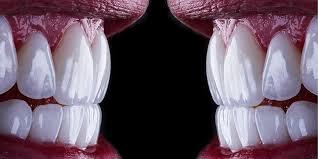
A bright, confident smile can make a significant impact on personal and professional interactions. One popular cosmetic dental solution is Composite Veneers, a minimally invasive option designed to enhance the appearance of teeth. These thin, tooth-colored layers of composite resin are bonded directly to the teeth to improve shape, color, and alignment. Unlike traditional porcelain veneers, composite veneers often require less enamel removal and can be applied in a single visit, making them an accessible solution for many patients seeking aesthetic improvement.
Understanding the benefits, procedure, and care requirements of composite veneers helps patients make informed choices and maintain long-lasting results.
What Are Composite Veneers?
Definition and Composition
Composite veneers are made from a high-quality dental resin that can be sculpted and polished directly on the teeth. The material is designed to mimic the natural translucency and texture of enamel, providing a realistic and attractive appearance.
Difference Between Composite and Porcelain Veneers
|
Feature |
Composite Veneers |
Porcelain Veneers |
|
Material |
Resin |
Porcelain |
|
Procedure Time |
Often 1 visit |
Multiple visits |
|
Durability |
5–7 years |
10–15 years |
|
Cost |
More affordable |
Higher cost |
|
Repair |
Easy to repair |
More challenging |
Composite veneers are particularly appealing for patients who want a cost-effective, reversible, and less invasive cosmetic option.
Why People Choose Composite Veneers
Aesthetic Benefits
Composite veneers can address a variety of cosmetic concerns:
-
Discolored or stained teeth
-
Minor gaps between teeth
-
Slightly misaligned or irregularly shaped teeth
-
Chipped or worn edges
The ability to improve the appearance of multiple issues at once makes composite veneers a versatile solution.
Quick and Minimally Invasive Procedure
Most composite veneer procedures can be completed in a single dental visit. Minimal enamel removal is required, preserving natural tooth structure and reducing the risk of sensitivity compared to more extensive treatments.
Consultation and Expert Guidance
Before proceeding, patients should consult with experienced dental professionals. Practices like broadway family dentists emphasize personalized assessments, including:
-
Evaluating oral health and suitability for veneers
-
Discussing patient goals and expectations
-
Reviewing alternative treatments if necessary
Professional guidance ensures that veneers are applied safely and achieve the desired aesthetic outcome.
The Composite Veneer Procedure: Step by Step
Initial Assessment
The process begins with a thorough dental exam and discussion of cosmetic goals. X-rays may be taken to evaluate underlying tooth and gum health, ensuring that no issues could compromise the veneer’s longevity.
Tooth Preparation
Unlike porcelain veneers, composite veneers often require minimal tooth preparation. The dentist may remove a thin layer of enamel to ensure proper bonding and a smooth final appearance. Local anesthesia may be used if necessary to ensure patient comfort.
Application of Composite Material
The composite resin is carefully applied in layers. Each layer is shaped and sculpted to match the natural contour of the tooth. Special curing lights harden the resin, creating a durable bond to the tooth surface.
Finishing and Polishing
Once the resin is fully cured, the dentist polishes the veneers to achieve a natural luster. Final adjustments ensure proper bite alignment and a smooth, aesthetically pleasing finish.
Benefits of Composite Veneers
Cosmetic Advantages
-
Immediate improvement in smile aesthetics
-
Ability to correct multiple cosmetic imperfections simultaneously
-
Natural appearance with customized shading
Functional Benefits
-
Minimal enamel removal preserves tooth strength
-
Can protect minor chips and worn edges from further damage
Cost and Accessibility
Composite veneers are typically more affordable than porcelain alternatives, making cosmetic enhancement accessible to a wider range of patients.
Considerations and Limitations
Longevity
Composite veneers are durable but generally last 5–7 years, shorter than porcelain veneers. Regular care and avoiding habits like nail-biting or chewing hard foods can extend lifespan.
Staining Potential
Composite resin can be more prone to staining from coffee, tea, or tobacco. Patients should maintain proper oral hygiene and consider touch-ups if discoloration occurs.
Repair vs. Replacement
If a composite veneer chips or cracks, repair is often straightforward. However, severe damage may require replacement to maintain aesthetics and function.
Caring for Composite Veneers
Daily Oral Hygiene
Proper care enhances both appearance and longevity:
-
Brush twice daily with a non-abrasive toothpaste
-
Floss carefully to avoid damaging veneers
-
Rinse with an alcohol-free mouthwash
Regular Dental Checkups
Routine visits allow dentists to monitor the condition of the veneers, address minor wear or staining, and provide professional polishing if needed.
Lifestyle Considerations
Avoiding habits that place excessive pressure on the teeth, such as biting hard objects or using teeth as tools, helps preserve the veneers.
Comparing Composite Veneers to Other Cosmetic Options
Porcelain Veneers
Porcelain veneers are stronger and more stain-resistant but require more tooth reduction, higher cost, and multiple dental visits. They are ideal for patients seeking a long-term solution with maximum durability.
Teeth Whitening
While teeth whitening is non-invasive and can improve overall brightness, it does not correct shape, alignment, or gaps. Composite veneers offer both cosmetic and functional enhancements in one procedure.
Orthodontic Solutions
Orthodontics addresses alignment issues over time but does not correct discoloration or shape. In some cases, a combination of orthodontics and composite veneers provides optimal results.
Who Can Benefit from Composite Veneers?
Ideal Candidates
-
Patients with healthy teeth and gums
-
Those seeking cosmetic improvement for minor imperfections
-
Individuals looking for a minimally invasive procedure with immediate results
Considerations for Non-Candidates
Patients with severe decay, extensive enamel loss, or significant bite issues may require alternative treatments or additional dental procedures before veneers.
Questions to Ask Before Getting Composite Veneers
-
What is the expected lifespan of my veneers?
-
Are there alternatives that might suit my goals better?
-
How will veneers affect my daily oral hygiene routine?
-
What are the costs, and do they include follow-up care?
-
Will the veneers match the color and translucency of my natural teeth?
Asking these questions during consultation ensures informed decision-making.
Conclusion: Enhancing Your Smile with Confidence
Composite veneers offer a versatile, minimally invasive option for individuals seeking to improve the appearance of their teeth. With proper professional guidance, careful maintenance, and realistic expectations, patients can achieve a natural, attractive smile that boosts confidence and overall satisfaction. By understanding the procedure, benefits, and care requirements, individuals can make an informed choice and enjoy the long-lasting results of this cosmetic dental solution.
