

• AFB rapid culture by MGIT - Sputum New
    2000₹
    In stock
    Hyderabad
    0 Reviews
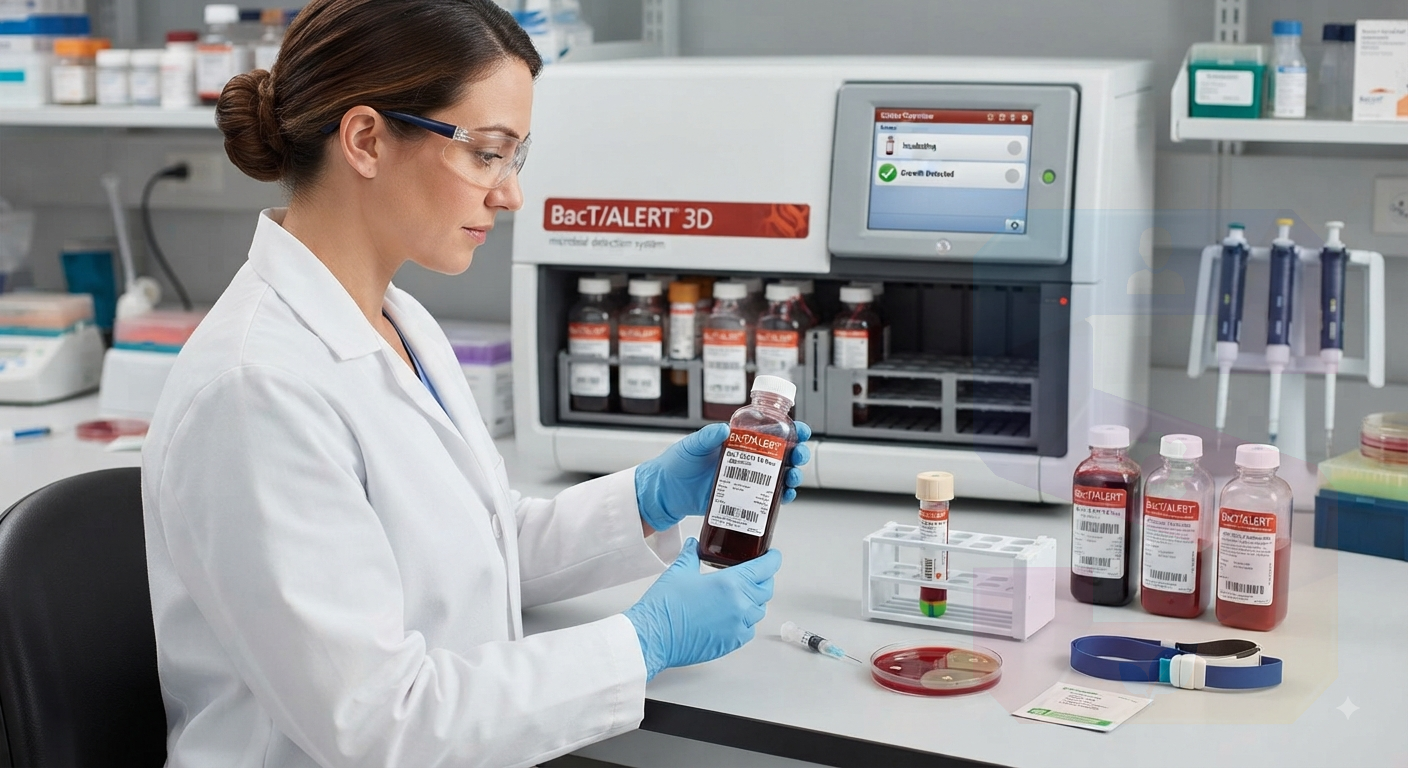
    The Mycobacteria Growth Indicator Tube (MGIT) system is the primary automated liquid culture method used globally for the rapid and sensitive detection of Acid-Fast Bacilli (AFB), predominantly Mycobacterium tuberculosis (MTB Complex), in sputum and other respiratory samples.
    Rapid Time to Detection (TTD): This is the key benefit. MGIT reduces the culture positivity time compared to traditional solid media (like Lowenstein-Jensen, LJ).
    MGIT TTD: Typically 10–14 days for positive cases (often reported negative after 42 days).
    Solid Media TTD: Can take 3–8 weeks.
    Increased Sensitivity: The liquid medium is superior for mycobacterial recovery, particularly for smear-negative sputum samples where the bacterial load is low. This enhances the diagnosis of less infectious cases.
    Definitive Diagnosis: Provides the "gold standard" confirmation of active pulmonary tuberculosis (TB) or Non-tuberculous Mycobacteria (NTM) infection.
    Downstream Testing: A positive MGIT culture provides a liquid inoculum that is ideal for rapid Drug Susceptibility Testing (DST), which is crucial for identifying Multi-Drug Resistant TB (MDR-TB).
    Monitoring Treatment: Can be used to monitor the efficacy of anti-TB treatment by observing the Time to Detection (TTD) of follow-up sputum samples.
    The Mycobacteria Growth Indicator Tube (MGIT) system is the primary automated liquid culture method used globally for the rapid and sensitive detection of Acid-Fast Bacilli (AFB), predominantly Mycobacterium tuberculosis (MTB Complex), in sputum and other respiratory samples. Rapid Time to Detection (TTD): This is the key benefit. MGIT reduces the culture positivity time compared to traditional solid media (like Lowenstein-Jensen, LJ). MGIT TTD: Typically 10–14 days for positive cases (often reported negative after 42 days). Solid Media TTD: Can take 3–8 weeks. Increased Sensitivity: The liquid medium is superior for mycobacterial recovery, particularly for smear-negative sputum samples where the bacterial load is low. This enhances the diagnosis of less infectious cases. Definitive Diagnosis: Provides the "gold standard" confirmation of active pulmonary tuberculosis (TB) or Non-tuberculous Mycobacteria (NTM) infection. Downstream Testing: A positive MGIT culture provides a liquid inoculum that is ideal for rapid Drug Susceptibility Testing (DST), which is crucial for identifying Multi-Drug Resistant TB (MDR-TB). Monitoring Treatment: Can be used to monitor the efficacy of anti-TB treatment by observing the Time to Detection (TTD) of follow-up sputum samples.
    0 Comments 0 Shares 226 Views 0 Reviews
  • AFB rapid culture by MGIT - Pus, abscess and aspirates New
    2000₹
    In stock
    Hyderabad
    0 Reviews
    The Mycobacteria Growth Indicator Tube (MGIT) system is essential for the rapid and sensitive diagnosis of Acid-Fast Bacilli (AFB), primarily Mycobacterium tuberculosis (MTB Complex), in purulent materials like pus, abscess contents, and tissue aspirates. These samples are crucial for diagnosing extrapulmonary tuberculosis (EPTB), particularly in lymph nodes, bone, and soft tissue.
    Clinical Significance
    Confirmation of Diagnosis: Culture is the gold standard for confirming active mycobacterial disease, especially when clinical and radiological evidence is ambiguous.
    Guiding Therapy: A positive culture allows for targeted anti-TB treatment, moving the patient off broad-spectrum antibiotics, which may be incorrectly used for non-specific abscesses.
    Distinguishing TB Abscess: Helps differentiate a "cold abscess" (tuberculous) from a pyogenic (bacterial) abscess, which requires different management strategies.

    The Mycobacteria Growth Indicator Tube (MGIT) system is essential for the rapid and sensitive diagnosis of Acid-Fast Bacilli (AFB), primarily Mycobacterium tuberculosis (MTB Complex), in purulent materials like pus, abscess contents, and tissue aspirates. These samples are crucial for diagnosing extrapulmonary tuberculosis (EPTB), particularly in lymph nodes, bone, and soft tissue. Clinical Significance Confirmation of Diagnosis: Culture is the gold standard for confirming active mycobacterial disease, especially when clinical and radiological evidence is ambiguous. Guiding Therapy: A positive culture allows for targeted anti-TB treatment, moving the patient off broad-spectrum antibiotics, which may be incorrectly used for non-specific abscesses. Distinguishing TB Abscess: Helps differentiate a "cold abscess" (tuberculous) from a pyogenic (bacterial) abscess, which requires different management strategies.
    0 Comments 0 Shares 229 Views 0 Reviews
  • AFB rapid culture by MGIT - Body fluid New
    1200₹
    In stock
    Hyderabad
    0 Reviews
    The Mycobacteria Growth Indicator Tube (MGIT) system is widely used for the rapid culture and detection of Acid-Fast Bacilli (AFB), particularly Mycobacterium tuberculosis (MTB Complex), from various sterile and non-sterile body fluids. This is especially critical for diagnosing extrapulmonary tuberculosis (EPTB), which can be challenging.
    1. Specimen Types (Common Body Fluids)
    Cerebrospinal Fluid (CSF): For tuberculous meningitis (TBM).
    Pleural Fluid: For tuberculous pleurisy.
    Peritoneal Fluid (Ascitic Fluid): For tuberculous peritonitis.
    Pericardial Fluid: For tuberculous pericarditis.
    Synovial Fluid: For skeletal/joint TB.
    Biopsy Homogenates: From tissues like lymph nodes, liver, bone marrow.
    Urine: For genitourinary TB.
    Blood: Though less common, can be used for disseminated TB, especially in immunocompromised individuals.
    Pus/Aspirates: From abscesses or other collections.
    The Mycobacteria Growth Indicator Tube (MGIT) system is widely used for the rapid culture and detection of Acid-Fast Bacilli (AFB), particularly Mycobacterium tuberculosis (MTB Complex), from various sterile and non-sterile body fluids. This is especially critical for diagnosing extrapulmonary tuberculosis (EPTB), which can be challenging. 1. Specimen Types (Common Body Fluids) Cerebrospinal Fluid (CSF): For tuberculous meningitis (TBM). Pleural Fluid: For tuberculous pleurisy. Peritoneal Fluid (Ascitic Fluid): For tuberculous peritonitis. Pericardial Fluid: For tuberculous pericarditis. Synovial Fluid: For skeletal/joint TB. Biopsy Homogenates: From tissues like lymph nodes, liver, bone marrow. Urine: For genitourinary TB. Blood: Though less common, can be used for disseminated TB, especially in immunocompromised individuals. Pus/Aspirates: From abscesses or other collections.
    0 Comments 0 Shares 214 Views 0 Reviews
  • AFB rapid culture by MGIT - BAL/ other respiratory samples New
    2000₹
    In stock
    Hyderabad
    0 Reviews
    The Mycobacteria Growth Indicator Tube (MGIT) system is the gold standard for the rapid culture and detection of Acid-Fast Bacilli (AFB), primarily Mycobacterium tuberculosis (MTB Complex), from respiratory samples like Bronchoalveolar Lavage (BAL) and sputum.
    Clinical Significance
    Definitive Diagnosis: Culture remains the "gold standard" for confirming active TB infection.
    Early Treatment: Rapid TTD allows clinicians to confirm the diagnosis or rule out TB much sooner, guiding the start or change of anti-TB treatment and reducing the time a patient remains on empiric therapy.
    Infection Control: Earlier diagnosis of infectious cases helps implement proper infection control measures more quickly.
    The Mycobacteria Growth Indicator Tube (MGIT) system is the gold standard for the rapid culture and detection of Acid-Fast Bacilli (AFB), primarily Mycobacterium tuberculosis (MTB Complex), from respiratory samples like Bronchoalveolar Lavage (BAL) and sputum. Clinical Significance Definitive Diagnosis: Culture remains the "gold standard" for confirming active TB infection. Early Treatment: Rapid TTD allows clinicians to confirm the diagnosis or rule out TB much sooner, guiding the start or change of anti-TB treatment and reducing the time a patient remains on empiric therapy. Infection Control: Earlier diagnosis of infectious cases helps implement proper infection control measures more quickly.
    0 Comments 0 Shares 173 Views 0 Reviews
  • AFB Drug Susceptibility Panel 1st and 2nd line panel 10 drugs New
    10070₹
    In stock
    Hyderabad
    0 Reviews
    This test, typically performed on a pure culture of Acid-Fast Bacilli (AFB), primarily Mycobacterium tuberculosis (M.tb), is crucial for determining the most effective treatment regimen for Tuberculosis (TB). It identifies whether the bacterial strain is Susceptible or Resistant to the standard first-line and crucial second-line anti-TB drugs.
    1. Purpose and Methodology
    Goal: To guide the selection of appropriate drugs, especially when Drug-Resistant TB (DR-TB) is suspected (e.g., treatment failure, previous TB history, contact with DR-TB patient).
    Result: Determines if the strain is Susceptible (drugs can kill it) or Resistant (drugs won't work).
    This test, typically performed on a pure culture of Acid-Fast Bacilli (AFB), primarily Mycobacterium tuberculosis (M.tb), is crucial for determining the most effective treatment regimen for Tuberculosis (TB). It identifies whether the bacterial strain is Susceptible or Resistant to the standard first-line and crucial second-line anti-TB drugs. 1. Purpose and Methodology Goal: To guide the selection of appropriate drugs, especially when Drug-Resistant TB (DR-TB) is suspected (e.g., treatment failure, previous TB history, contact with DR-TB patient). Result: Determines if the strain is Susceptible (drugs can kill it) or Resistant (drugs won't work).
    0 Comments 0 Shares 180 Views 0 Reviews
  • Advance Fever Profile package New
    2500₹
    In stock
    Hyderabad
    0 Reviews
    The Advance Fever Profile Package is a comprehensive panel of laboratory tests designed to rapidly and thoroughly investigate the underlying cause of a fever that is persistent, unexplained, or accompanied by severe symptoms.
    1. Purpose and Utility
    Rapid Diagnosis: Aims to quickly differentiate between common causes of fever (viral, bacterial, parasitic) to enable prompt and targeted treatment.
    Comprehensive Screening: Includes a wide range of markers to check for specific infections, inflammation, and potential organ damage.
    Disease Targets: Primarily screens for common endemic infections, including: Dengue, Malaria, and Typhoid (Enteric Fever).
    This package consists of: sgpt, sgot, ESR, CBC, CRP, malarial Antigen Detection, Typhi Dot IgG& IgM, Dengue IgG& IgM
    The Advance Fever Profile Package is a comprehensive panel of laboratory tests designed to rapidly and thoroughly investigate the underlying cause of a fever that is persistent, unexplained, or accompanied by severe symptoms. 1. 🎯 Purpose and Utility Rapid Diagnosis: Aims to quickly differentiate between common causes of fever (viral, bacterial, parasitic) to enable prompt and targeted treatment. Comprehensive Screening: Includes a wide range of markers to check for specific infections, inflammation, and potential organ damage. Disease Targets: Primarily screens for common endemic infections, including: Dengue, Malaria, and Typhoid (Enteric Fever). This package consists of: sgpt, sgot, ESR, CBC, CRP, malarial Antigen Detection, Typhi Dot IgG& IgM, Dengue IgG& IgM
    0 Comments 0 Shares 252 Views 0 Reviews
  • Adenosine Deaminase (ADA)(PUS) New
    1400₹
    In stock
    Hyderabad
    0 Reviews
    The relationship between Adenosine Deaminase (ADA) and Pus primarily involves the use of an ADA test on pus samples as a diagnostic tool for certain infections, particularly Tuberculosis (TB).
    1. ADA Test on Pus
    Purpose: The ADA Test - Pus measures the level of the Adenosine Deaminase enzyme in a pus sample. Pus is a thick, cloudy fluid containing white blood cells that accumulates at a site of infection.
    Enzyme Role: ADA is an enzyme involved in purine metabolism. It is crucial for the proliferation and differentiation of lymphocytes (a type of white blood cell), especially T-lymphocytes.
    Clinical Significance:
    Elevated ADA levels in pus can indicate an immune response, commonly observed in tuberculous abscesses or other inflammatory processes.
    The test is used to help diagnose tuberculosis (TB) when it cannot be easily confirmed by other methods, such as acid-fast bacilli (AFB) smear.
    High ADA activity in fluid/debris, like pus, is highly suggestive of infection with Mycobacterium tuberculosis (TB bacteria).
    2. ADA Deficiency (ADA-SCID)
    While the ADA test in pus relates to infection diagnosis, a different and more severe condition is caused by a lack of the ADA enzyme.
    What it is: Adenosine Deaminase Deficiency is a rare, inherited disorder that results in a severe form of Severe Combined Immunodeficiency (SCID), often called ADA-SCID.
    The relationship between Adenosine Deaminase (ADA) and Pus primarily involves the use of an ADA test on pus samples as a diagnostic tool for certain infections, particularly Tuberculosis (TB). 1. 🔍 ADA Test on Pus Purpose: The ADA Test - Pus measures the level of the Adenosine Deaminase enzyme in a pus sample. Pus is a thick, cloudy fluid containing white blood cells that accumulates at a site of infection. Enzyme Role: ADA is an enzyme involved in purine metabolism. It is crucial for the proliferation and differentiation of lymphocytes (a type of white blood cell), especially T-lymphocytes. Clinical Significance: Elevated ADA levels in pus can indicate an immune response, commonly observed in tuberculous abscesses or other inflammatory processes. The test is used to help diagnose tuberculosis (TB) when it cannot be easily confirmed by other methods, such as acid-fast bacilli (AFB) smear. High ADA activity in fluid/debris, like pus, is highly suggestive of infection with Mycobacterium tuberculosis (TB bacteria). 2. 🧬 ADA Deficiency (ADA-SCID) While the ADA test in pus relates to infection diagnosis, a different and more severe condition is caused by a lack of the ADA enzyme. What it is: Adenosine Deaminase Deficiency is a rare, inherited disorder that results in a severe form of Severe Combined Immunodeficiency (SCID), often called ADA-SCID.
    0 Comments 0 Shares 211 Views 0 Reviews
  • Adenosine Deaminase (ADA)(Pericardial fluid) New
    880₹
    In stock
    Hyderabad
    0 Reviews
    Adenosine Deaminase (ADA) activity in pericardial fluid is a highly valuable, rapid, and cost-effective biomarker used for the diagnosis of Tuberculous Pericarditis (TBP).
    Key Concepts and Mechanism
    Primary Role: The main utility of measuring pericardial fluid ADA is to rapidly differentiate TBP (Tuberculosis of the heart sac) from other causes of pericardial effusion (fluid around the heart), such as malignancy or non-tuberculous infections.
    Source: ADA is mainly produced by T-lymphocytes and macrophages as part of the cell-mediated immune response.
    TBP Pathogenesis: In TBP, the Mycobacterium tuberculosis bacteria stimulate a vigorous local immune reaction, leading to a high concentration of ADA-releasing T-lymphocytes migrating into the pericardial space.
    Diagnostic Interpretation
    Tuberculous Pericarditis (TBP): ADA levels are typically markedly elevated in TBP.
    Cut-off Value: A commonly accepted and highly reliable cut-off value for suggesting TBP is \ge 40 \text{ U/L} (or IU/L).
    Note: Some studies suggest a cut-off of \ge 50 \text{ U/L} for even higher specificity.
    Performance: At the \ge 40 \text{ U/L} threshold, pericardial fluid ADA generally demonstrates high sensitivity (87-93%) and high specificity (83-97%) for diagnosing TBP.
    Differential Diagnosis:
    High ADA : Strongly suggests TBP.
    Low ADA : Essentially rules out TBP in a patient with a low pre-test probability, but high levels can rarely be seen in purulent (bacterial) pericarditis or certain malignancies.
    Adenosine Deaminase (ADA) activity in pericardial fluid is a highly valuable, rapid, and cost-effective biomarker used for the diagnosis of Tuberculous Pericarditis (TBP). Key Concepts and Mechanism Primary Role: The main utility of measuring pericardial fluid ADA is to rapidly differentiate TBP (Tuberculosis of the heart sac) from other causes of pericardial effusion (fluid around the heart), such as malignancy or non-tuberculous infections. Source: ADA is mainly produced by T-lymphocytes and macrophages as part of the cell-mediated immune response. TBP Pathogenesis: In TBP, the Mycobacterium tuberculosis bacteria stimulate a vigorous local immune reaction, leading to a high concentration of ADA-releasing T-lymphocytes migrating into the pericardial space. Diagnostic Interpretation Tuberculous Pericarditis (TBP): ADA levels are typically markedly elevated in TBP. Cut-off Value: A commonly accepted and highly reliable cut-off value for suggesting TBP is \ge 40 \text{ U/L} (or IU/L). Note: Some studies suggest a cut-off of \ge 50 \text{ U/L} for even higher specificity. Performance: At the \ge 40 \text{ U/L} threshold, pericardial fluid ADA generally demonstrates high sensitivity (87-93%) and high specificity (83-97%) for diagnosing TBP. Differential Diagnosis: High ADA : Strongly suggests TBP. Low ADA : Essentially rules out TBP in a patient with a low pre-test probability, but high levels can rarely be seen in purulent (bacterial) pericarditis or certain malignancies.
    0 Comments 0 Shares 188 Views 0 Reviews
  • Adenosine Deaminase (ADA)(CSF) New
    880₹
    In stock
    Hyderabad
    0 Reviews
    Adenosine Deaminase (ADA) activity measured in Cerebrospinal Fluid (CSF-ADA) is a diagnostic marker primarily used to aid in the diagnosis of Tuberculous Meningitis (TBM).
    Key Concepts
    Enzyme and Function: ADA is an enzyme involved in purine catabolism. It is found in abundance in active T-lymphocytes and macrophages.
    Mechanism in TBM: Increased ADA activity in CSF is an indicator of a vigorous cell-mediated immune response to the Mycobacterium tuberculosis bacteria in the central nervous system.
    T-lymphocytes release ADA when stimulated by the mycobacterial antigens.
    Clinical Utility: CSF-ADA estimation is valued for being a simple, inexpensive, and rapid test, especially crucial for early diagnosis in resource-limited settings where standard culture methods (which can be slow and have low yield) are difficult.
    Adenosine Deaminase (ADA) activity measured in Cerebrospinal Fluid (CSF-ADA) is a diagnostic marker primarily used to aid in the diagnosis of Tuberculous Meningitis (TBM). Key Concepts Enzyme and Function: ADA is an enzyme involved in purine catabolism. It is found in abundance in active T-lymphocytes and macrophages. Mechanism in TBM: Increased ADA activity in CSF is an indicator of a vigorous cell-mediated immune response to the Mycobacterium tuberculosis bacteria in the central nervous system. T-lymphocytes release ADA when stimulated by the mycobacterial antigens. Clinical Utility: CSF-ADA estimation is valued for being a simple, inexpensive, and rapid test, especially crucial for early diagnosis in resource-limited settings where standard culture methods (which can be slow and have low yield) are difficult.
    0 Comments 0 Shares 175 Views 0 Reviews
  • Adenosine Deaminase (ADA) (Ascitic fluid) New
    880₹
    In stock
    Hyderabad
    0 Reviews
    The measurement of Adenosine Deaminase (ADA) activity in ascitic fluid (fluid accumulated in the abdominal cavity) is primarily used as a diagnostic marker for Tuberculous Peritonitis (TBP).
    Key Role: Tuberculous Peritonitis (TBP) Diagnosis
    TBP Indicator: Elevated ADA levels in ascitic fluid are a strong indicator of an active cellular immune response against Mycobacterium tuberculosis (the bacteria causing TB) in the peritoneum.
    Lymphocyte Activity: ADA is highly concentrated in T-lymphocytes. TBP causes an influx and stimulation of these lymphocytes, leading to a significant increase in ADA release into the ascitic fluid.
    Diagnostic Value: It is a rapid, inexpensive, and minimally invasive test, especially valuable in areas where TB is endemic. It helps avoid or target more invasive procedures like laparoscopy and peritoneal biopsy.
    The measurement of Adenosine Deaminase (ADA) activity in ascitic fluid (fluid accumulated in the abdominal cavity) is primarily used as a diagnostic marker for Tuberculous Peritonitis (TBP). 🔑 Key Role: Tuberculous Peritonitis (TBP) Diagnosis TBP Indicator: Elevated ADA levels in ascitic fluid are a strong indicator of an active cellular immune response against Mycobacterium tuberculosis (the bacteria causing TB) in the peritoneum. Lymphocyte Activity: ADA is highly concentrated in T-lymphocytes. TBP causes an influx and stimulation of these lymphocytes, leading to a significant increase in ADA release into the ascitic fluid. Diagnostic Value: It is a rapid, inexpensive, and minimally invasive test, especially valuable in areas where TB is endemic. It helps avoid or target more invasive procedures like laparoscopy and peritoneal biopsy.
    0 Comments 0 Shares 131 Views 0 Reviews
  • Adenosine Deaminase(ADA - Synovial Fluid) New
    1400₹
    In stock
    Hyderabad
    0 Reviews
    The Adenosine Deaminase (ADA) - Synovial Fluid Test measures the level of the enzyme adenosine deaminase in the synovial fluid (the fluid that lubricates joints).

    What is Adenosine Deaminase (ADA)?
    ADA is an enzyme involved in purine metabolism. It plays a critical role in the development and function of the lymphatic system, particularly T-lymphocytes (T-cells).

    Elevated ADA levels are typically found in conditions involving activated lymphocytes, especially in the presence of cell-mediated immune responses.

    Synovial Fluid
    Synovial fluid is a viscous fluid found in the cavities of movable joints. Its main function is to reduce friction between the articular cartilages of synovial joints during movement. Analysis of synovial fluid is crucial for diagnosing various joint diseases.

    Clinical Significance of ADA in Synovial Fluid
    The primary clinical utility of measuring ADA in synovial fluid is in the diagnosis of tuberculous arthritis.

    Tuberculous Arthritis: This is a form of extrapulmonary tuberculosis where Mycobacterium tuberculosis infects a joint, leading to inflammation and destruction. It's often difficult to diagnose because the bacterial load in synovial fluid can be low, making traditional cultures challenging.

    High ADA levels (typically >30-40 IU/L) in synovial fluid are strongly suggestive of tuberculous arthritis. The influx and activation of lymphocytes (especially T-cells) at the site of infection cause the release of ADA.

    It is considered a reliable marker, especially when considered in conjunction with clinical symptoms and radiological findings.

    Differentiating from other arthropathies:

    Septic Arthritis (Non-Tuberculous): Bacterial arthritis caused by other bacteria (e.g., Staphylococcus aureus) usually does not significantly elevate ADA levels in synovial fluid.

    Rheumatoid Arthritis & Osteoarthritis: ADA levels are typically normal or only mildly elevated in these conditions, helping to rule out tuberculosis.

    Crystal-induced Arthritis (Gout, Pseudogout): ADA levels are generally normal.
    The Adenosine Deaminase (ADA) - Synovial Fluid Test measures the level of the enzyme adenosine deaminase in the synovial fluid (the fluid that lubricates joints). 🔬 What is Adenosine Deaminase (ADA)? ADA is an enzyme involved in purine metabolism. It plays a critical role in the development and function of the lymphatic system, particularly T-lymphocytes (T-cells). Elevated ADA levels are typically found in conditions involving activated lymphocytes, especially in the presence of cell-mediated immune responses. 💧 Synovial Fluid Synovial fluid is a viscous fluid found in the cavities of movable joints. Its main function is to reduce friction between the articular cartilages of synovial joints during movement. Analysis of synovial fluid is crucial for diagnosing various joint diseases. 🩺 Clinical Significance of ADA in Synovial Fluid The primary clinical utility of measuring ADA in synovial fluid is in the diagnosis of tuberculous arthritis. Tuberculous Arthritis: This is a form of extrapulmonary tuberculosis where Mycobacterium tuberculosis infects a joint, leading to inflammation and destruction. It's often difficult to diagnose because the bacterial load in synovial fluid can be low, making traditional cultures challenging. High ADA levels (typically >30-40 IU/L) in synovial fluid are strongly suggestive of tuberculous arthritis. The influx and activation of lymphocytes (especially T-cells) at the site of infection cause the release of ADA. It is considered a reliable marker, especially when considered in conjunction with clinical symptoms and radiological findings. Differentiating from other arthropathies: Septic Arthritis (Non-Tuberculous): Bacterial arthritis caused by other bacteria (e.g., Staphylococcus aureus) usually does not significantly elevate ADA levels in synovial fluid. Rheumatoid Arthritis & Osteoarthritis: ADA levels are typically normal or only mildly elevated in these conditions, helping to rule out tuberculosis. Crystal-induced Arthritis (Gout, Pseudogout): ADA levels are generally normal.
    0 Comments 0 Shares 112 Views 0 Reviews
  • Acid Fast Bacilli Smear Test New
    350₹
    In stock
    0 Reviews
    Acid-Fast Bacilli (AFB) Smear Test
    The Acid-Fast Bacilli (AFB) Smear Test (also known as an AFB stain or AFB microscopy) is a rapid, microscopic examination used to detect acid-fast bacteria in patient samples.

    What are Acid-Fast Bacilli?
    Acid-fast bacilli are a group of bacteria characterized by a waxy cell wall that makes them resistant to decolorization by acids after being stained. The most clinically significant acid-fast bacterium is Mycobacterium tuberculosis, the causative agent of tuberculosis (TB). Other acid-fast organisms include other Mycobacterium species (e.g., non-tuberculous mycobacteria or NTM) and Nocardia species.

    How the Test Works
    Sample Collection: A patient sample suspected of containing AFB is collected. Common samples include:

    Sputum: Most common for suspected pulmonary TB.

    Urine

    Tissue biopsies

    Cerebrospinal fluid (CSF)

    Gastric lavage

    Pleural fluid
    🔬 Acid-Fast Bacilli (AFB) Smear Test The Acid-Fast Bacilli (AFB) Smear Test (also known as an AFB stain or AFB microscopy) is a rapid, microscopic examination used to detect acid-fast bacteria in patient samples. 🦠 What are Acid-Fast Bacilli? Acid-fast bacilli are a group of bacteria characterized by a waxy cell wall that makes them resistant to decolorization by acids after being stained. The most clinically significant acid-fast bacterium is Mycobacterium tuberculosis, the causative agent of tuberculosis (TB). Other acid-fast organisms include other Mycobacterium species (e.g., non-tuberculous mycobacteria or NTM) and Nocardia species. 📝 How the Test Works Sample Collection: A patient sample suspected of containing AFB is collected. Common samples include: Sputum: Most common for suspected pulmonary TB. Urine Tissue biopsies Cerebrospinal fluid (CSF) Gastric lavage Pleural fluid
    0 Comments 0 Shares 84 Views 0 Reviews
More Results