


Power Factor Correction Capacitors in Canada: Designing for Electrical Stability, Not Just Utility Penalties
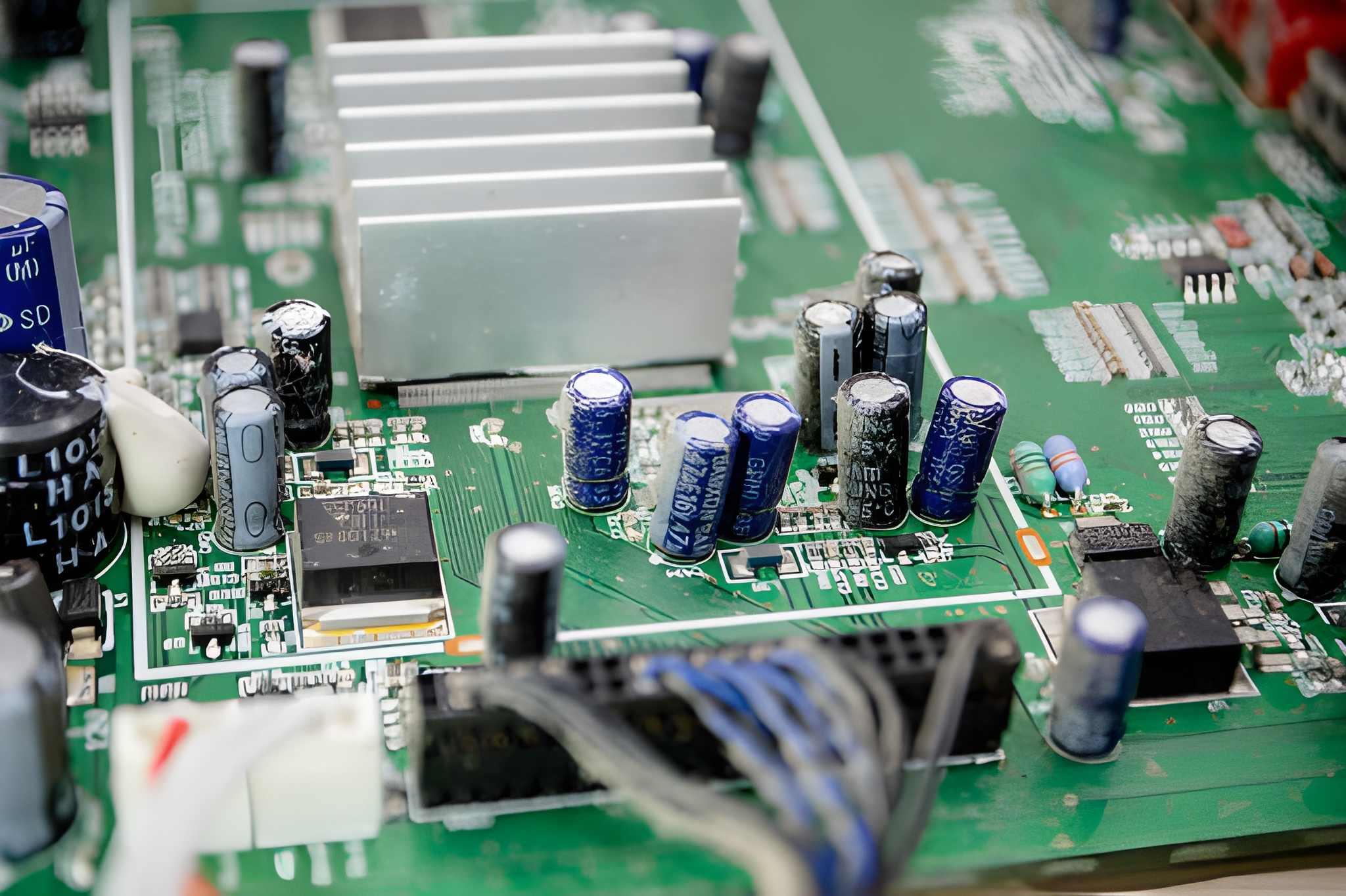
Power factor correction is often misunderstood as a simple financial optimization. In reality, especially within Canadian commercial and industrial facilities, it is an exercise in electrical stability and risk control. Poorly designed correction systems can create more problems than they solve. Understanding Power Factor Correction Capacitors in Canada requires practical experience with load behavior, harmonics, climate influence, and long-term system interaction.
Why Canadian Electrical Systems Behave Differently
Canada’s electrical infrastructure spans vast distances, diverse climates, and mixed-use facilities. Long feeders, seasonal load swings, and temperature-driven demand shifts affect how reactive power flows through a system.
Professionals working with Power Factor Correction Capacitors in canada recognize that winter heating loads, summer cooling demand, and shoulder-season intermittency all change correction behavior. Systems tuned for a single operating point often become unstable outside that narrow window.
Moving Beyond Target Numbers
Chasing a numerical power factor target is a common mistake. Achieving a value on a meter does not guarantee a healthy system.
Experienced engineers focus instead on:
-
Reactive power behavior across load ranges
-
Voltage rise during light-load conditions
-
Capacitor switching frequency and wear
-
Thermal stress within capacitor banks
This approach reflects how experienced suppliers such as En-Trade guide real-world applications rather than selling fixed kVAR solutions.
Fixed vs Automatic Capacitor Banks
Fixed banks can be effective in facilities with consistent inductive load. However, many Canadian sites operate with highly variable demand.
Automatic systems are often preferred for Power Factor Correction Capacitors in canada because they:
-
Adjust correction dynamically
-
Reduce overcompensation risk
-
Improve voltage stability during load swings
That said, automatic banks introduce complexity and require correct controller logic and robust switching components.
Harmonics: The Primary Threat to Capacitor Life
Modern facilities are saturated with variable frequency drives, inverters, and electronic power supplies. These devices introduce harmonics that interact aggressively with capacitors.
Professionals designing Power Factor Correction Capacitors in canada evaluate:
-
Total harmonic distortion levels
-
Resonance risk within the network
-
Need for detuned or filtered banks
Ignoring harmonic interaction is one of the most common causes of catastrophic capacitor failure.
Thermal Management in Canadian Installations
Capacitors are highly sensitive to heat. In winter, electrical rooms are often sealed to retain warmth, unintentionally trapping heat from energized equipment.
Field-proven strategies include:
-
Oversized enclosures for airflow
-
Thermal separation from transformers and drives
-
Continuous internal temperature monitoring
The long-term performance of Power Factor Correction Capacitors in canada depends heavily on controlling internal operating temperature.
Switching Devices: Where Failures Begin
Contactors and thyristors experience extreme stress due to inrush currents and frequent operation. In many failed systems, switching components fail long before the capacitors themselves.
Experienced designers specify switching hardware based on:
-
Capacitor inrush characteristics
-
Expected switching cycles
-
Ambient temperature extremes
Component-level attention is critical for system longevity.
Maintenance as a Design Requirement
Power factor correction systems are dynamic assets that degrade over time. Capacitance loss, controller drift, and contact wear are inevitable.
Professionals managing Power Factor Correction Capacitors in canada implement:
-
Periodic capacitance measurement
-
Thermal imaging inspections
-
Controller recalibration
-
Planned component replacement
Suppliers like En-Trade often support this lifecycle approach by ensuring consistent availability of compatible replacement components.
Financial Outcomes Beyond Penalty Reduction
While avoiding utility penalties is a primary driver, well-designed correction systems deliver broader financial benefits.
These include:
-
Reduced transformer loading
-
Lower conductor losses
-
Improved voltage regulation
-
Extended equipment lifespan
These outcomes justify a disciplined engineering approach rather than lowest-cost procurement.
Regulatory and Utility Alignment
Utility expectations for reactive power vary across Canada. Correction systems must align with local metering practices and inspection standards.
Professionals experienced with Power Factor Correction Capacitors in canada ensure designs meet requirements without creating overcorrection issues.
Preparing for a More Complex Electrical Future
Electrification, distributed generation, and smart loads are reshaping facility power systems. Correction strategies must evolve accordingly.
Future-ready designs emphasize:
-
Flexible correction stages
-
Harmonic resilience
-
Data-driven monitoring
Those who plan ahead avoid costly retrofits later.
Final Insight
Power factor correction is not a bolt-on solution—it is an integral part of electrical system design. In Canada’s variable and demanding environment, success depends on understanding system behavior over time. A disciplined approach to Power Factor Correction Capacitors in canada protects infrastructure, stabilizes operations, and delivers lasting value.
Partnering with knowledgeable suppliers such as En-Trade ensures correction systems are engineered for reality, not just theoretical savings.
FAQs
1. Why do power factor correction systems fail prematurely?
Most failures result from harmonic interaction, overheating, or improper switching design.
2. Are automatic capacitor banks always the better choice?
They are beneficial for variable loads but require careful design and quality components.
3. How often should capacitor banks be inspected?
Annual inspections are common, with additional checks during peak load seasons.
4. Can power factor correction cause voltage problems?
Yes, overcompensation during low load can raise system voltage.
5. How does En-Trade add value in power factor correction projects?
By supporting correct sizing, harmonic mitigation, and long-term maintenance planning.
