


Dite For Autism Patients
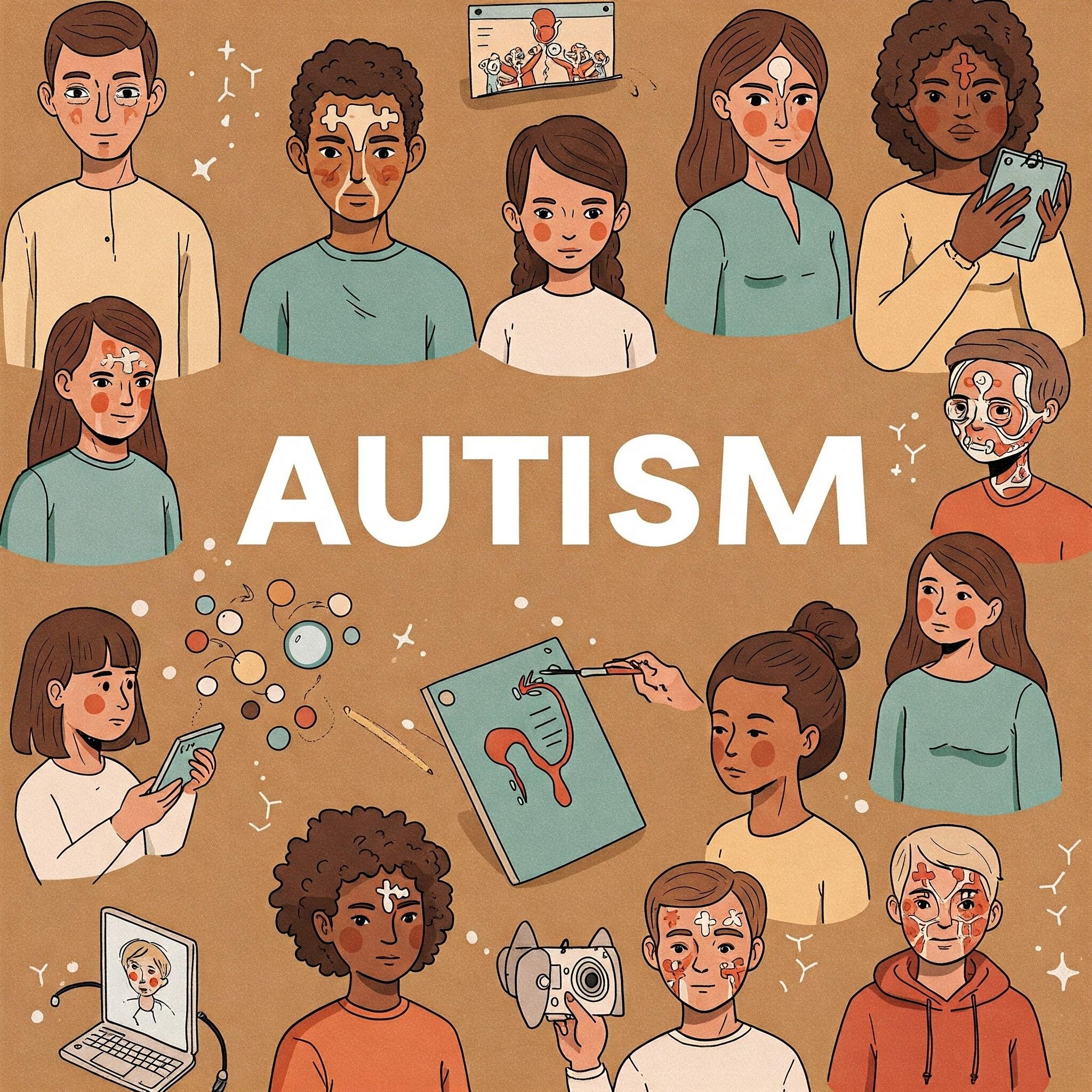
While there's no one-size-fits-all diet for autism, nutritional strategies can help manage some associated symptoms. Here's a breakdown of common dietary considerations:
General Healthy Eating Principles:
* Balanced Diet: Focus on a variety of fruits, vegetables, lean proteins, and whole grains to ensure good overall health and development.
* Fiber: Include high-fiber foods like whole-grain cereals and bread, fruits, vegetables, beans, and pulses to aid digestion.
* Hydration: Ensure adequate fluid intake (6-8 drinks a day).
* Limit Processed Foods: Reduce or eliminate highly refined and processed foods, artificial ingredients (colors, sweeteners, preservatives), and excessive sugar.
Common Dietary Considerations & Potential Links to Autism:
* Gut Health: Many individuals with autism experience gastrointestinal issues. A balanced diet with fiber, prebiotics (like garlic, onions, asparagus), and probiotics (like yogurt, kefir, sauerkraut) may be beneficial.
* Food Sensitivities: Some individuals may have sensitivities to certain foods. Common potential triggers include:
* Gluten: A protein found in wheat, barley, and rye.
* Casein: A protein found in milk and dairy products.
* Corn and Soy: These are also sometimes considered potential allergens.
* Inflammation: Some theories suggest that inflammation may play a role in autism symptoms. An anti-inflammatory diet rich in fruits, vegetables, and omega-3 fatty acids may be helpful.
* Nutrient Deficiencies: Autistic individuals might have lower levels of certain nutrients like iron, zinc, calcium, fiber, folic acid, and vitamins A, C, D, E, K, B6, and B12. Addressing these deficiencies through diet and/or supplementation (under medical guidance) might be beneficial.
* Blood Sugar Regulation: Maintaining stable blood sugar levels with low glycemic index foods (whole grains, legumes, non-starchy vegetables) and protein can help manage mood swings and irritability.
Specific Dietary Approaches (Discuss with Professionals):
* Gluten-Free, Casein-Free (GFCF) Diet: This diet eliminates all foods containing gluten and casein. While some parents report improvements in their children's behavior, communication, and sleep, scientific evidence supporting its widespread use for autism is limited. It's crucial to consult a doctor and dietitian to ensure nutritional needs are met if this diet is considered.
* Specific Carbohydrate Diet (SCD): This diet restricts grains, sugars (except honey), and starches that are thought to be difficult to digest, aiming to reduce gut inflammation. Some parents have reported benefits, but scientific evidence specifically for autism is limited, and it can be a restrictive diet requiring careful nutritional planning.
Important Considerations:
* Individualized Needs: Every individual with autism is unique, and their dietary needs and responses to food can vary significantly.
* Professional Guidance: It is crucial to consult with a pediatrician, a registered dietitian, or a nutritionist experienced in autism before making significant dietary changes. They can assess individual needs, guide you in implementing a safe and balanced diet, and monitor for any nutritional deficiencies.
* Nutritional Adequacy: Restrictive diets can lead to nutritional deficiencies if not carefully planned and monitored by a professional.
* Behavioral Changes: While diet may influence some symptoms, it's not a cure for autism and should be considered as part of a broader support plan that may include therapy, education, and other interventions.
* Supplements: Certain supplements like Vitamin D, Omega-3 fatty acids, Vitamin B12, probiotics, and digestive enzymes are sometimes considered for individuals with autism, particularly if deficiencies are identified. However, always discuss supplementation with a healthcare professional before starting.
Foods to Consider Including:
* High-quality proteins (pastured chicken and eggs, grass-fed beef, wild-caught salmon)
* Variety of fresh or frozen fruits and vegetables
* Whole grains (oats, brown rice, quinoa)
* Foods rich in omega-3 fatty acids (nuts, seeds, fatty fish)
* Beans and legumes
* Fermented foods (sauerkraut, kefir)
Foods Some Recommend Avoiding (Discuss with Professionals):
* Highly refined or processed foods
* Artificial ingredients (colors, sweeteners, preservatives)
* Gluten (wheat, barley, rye)
* Casein (dairy)
* Corn and soy (for some individuals)
* High sugar intake
Remember, any dietary changes should be made in consultation with healthcare professionals who can provide personalized advice and ensure the individual's nutritional needs are met.
