


Elevating Guest Experience: Managing Chemical Sensitivity in Luxury Hospitality
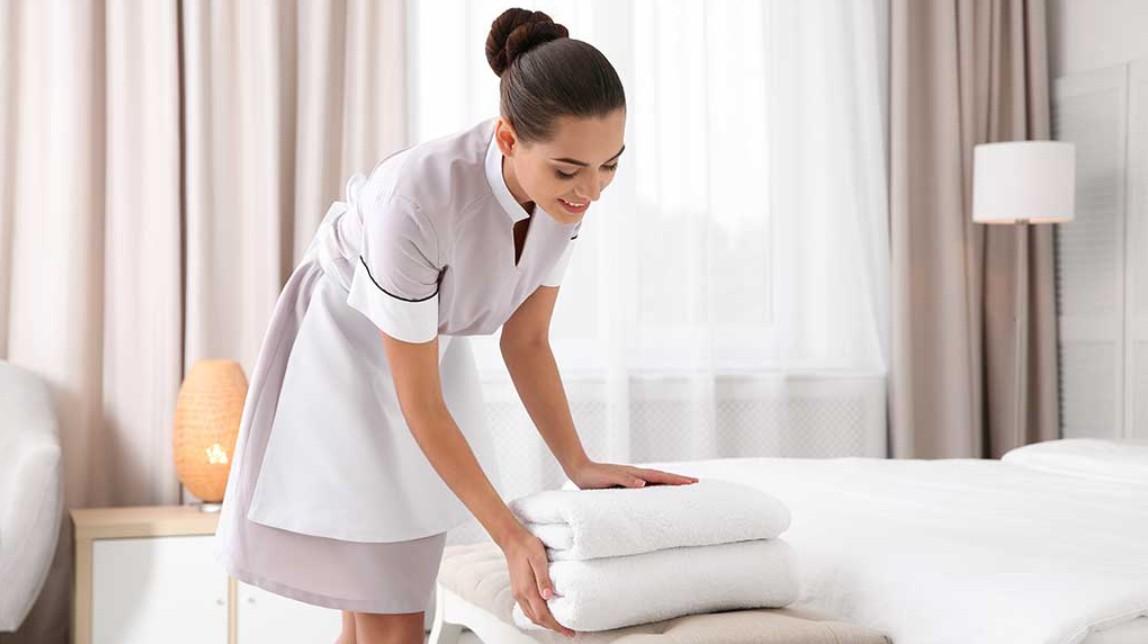
In the high-stakes world of luxury hospitality, the guest experience is defined by the invisible details. While a spotless room is the baseline expectation, the sensory environment—specifically the scent of a room—plays a profound role in how guests perceive their stay. A common, yet delicate, challenge arises when a guest complains about the lingering smell of cleaning chemicals following a routine turn-down service. This feedback, while potentially frustrating for a busy housekeeping team, is an invaluable opportunity to demonstrate empathy, professional agility, and a commitment to guest wellness. When a guest reports an overwhelming chemical odor, the immediate priority must be to validate their discomfort, rectify the situation, and pivot the guest’s focus back to the comfort and relaxation they anticipated from their stay.
Immediate Response and De-escalation Techniques
The success of managing a chemical odor complaint begins with the initial interaction. Whether the complaint is made in person or via telephone, the guest’s concern should be treated as a priority, not an inconvenience. A professional team member must offer a sincere apology—not because the cleaning staff did anything "wrong," but because the guest’s personal comfort has been compromised. Rather than debating the brand or concentration of the cleaning product used, the focus should shift to immediate mitigation. Ask the guest if they would prefer a change of room or if they would like the housekeeping team to immediately attend to the space with air purification equipment and natural ventilation techniques. By providing the guest with control over the solution, you immediately lower the tension and demonstrate that their physical comfort and preferences are the primary driver of your hotel’s operations.
Investigating the Source and Standardizing Procedures
Once the immediate needs of the guest are met, the management team must conduct a thorough investigation into the turn-down service procedures. Are the cleaning products being diluted according to manufacturer specifications, or is there an inadvertent "over-dosing" occurring during peak service hours? Perhaps the issue lies in the application method, such as using excessive aerosol sprays on upholstery rather than damp-wiping surfaces. This situation is the perfect time to review your department's standard operating procedures (SOPs). A housekeeping course serves as a vital refresher, reminding staff that the goal of cleaning is to create an odorless, neutral environment rather than one that smells "processed." By reinforcing these professional standards and ensuring that all staff are trained in the correct usage, storage, and application of chemicals, you can significantly reduce the likelihood of similar complaints arising in the future.
Implementing Natural and Low-Impact Alternatives
Modern travelers are increasingly conscious of indoor air quality and the environmental impact of the products used in their immediate vicinity. Many luxury properties are moving toward "green" cleaning initiatives, utilizing high-performance, fragrance-free, or essential-oil-based cleaners that offer the same sanitizing power without the harsh chemical profile. If guest complaints regarding chemical odors are becoming a recurring theme, it may be time for a comprehensive review of your inventory. Implementing low-VOC (Volatile Organic Compound) cleaning agents is not only a boon for guest comfort but also improves the long-term health and safety of your housekeeping staff who handle these products daily. Transitioning to these gentler alternatives demonstrates an forward-thinking commitment to guest wellness, a topic that is increasingly emphasized in any modern, professionally focused housekeeping course designed for contemporary hospitality managers.
Training for Emotional Intelligence in Housekeeping
Handling guest complaints requires a high level of emotional intelligence. It is easy for cleaning staff to take such feedback personally, especially when they have worked hard to prepare a room to a high standard. Leadership must foster an environment where feedback is treated as a clinical tool for improvement rather than a personal critique. Train your team to understand that some guests may have heightened sensory sensitivities, allergies, or even chemical sensitivities that make them particularly reactive to even small amounts of cleaning agents. When staff understand the physiology behind these reactions, they shift from a defensive mindset to a helpful, solution-oriented approach. This level of professional maturity is a core component of effective leadership training and can be effectively integrated into a team’s professional development pathway through a comprehensive housekeeping course.
Turning a Challenge into a Service Triumph
The way a hotel handles a minor grievance often determines whether a guest becomes a loyal advocate for the brand or a detractor. When a guest feels heard, respected, and swiftly accommodated after reporting a chemical smell, the incident ceases to be a negative experience and becomes a demonstration of the hotel’s excellence. Follow up with the guest the following day to ensure the environment is comfortable and perhaps offer a small, neutral-scented amenity as a gesture of goodwill.
