


Understanding Class II Leakage Limits: A Guide for PAT Testing
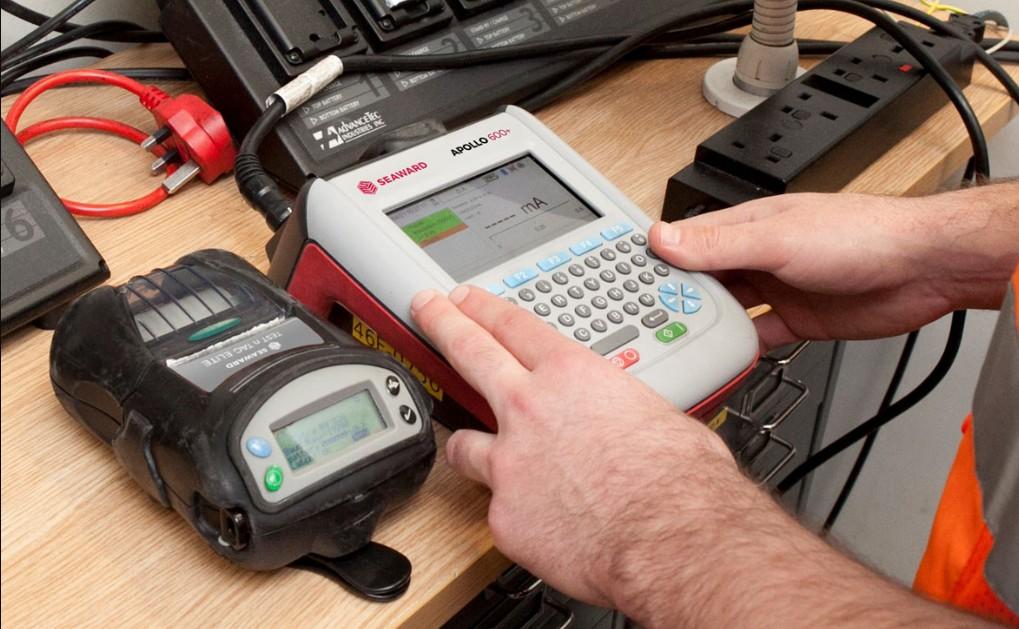
In the world of Portable Appliance Testing (PAT), accuracy is not just a regulatory requirement—it is a fundamental commitment to public safety. One of the most common areas of confusion for both new and experienced testers is the management of touch current, or leakage current, for Class II (double insulated) appliances. When you are assessing equipment that relies on reinforced or double insulation rather than an earth connection, understanding the appropriate pass/fail thresholds is critical. Using outdated limits or incorrectly configured test equipment is a leading cause of "false fails," which can lead to unnecessary equipment disposal and costly interruptions to business operations. By mastering these thresholds, you ensure your testing is both legally compliant and technically sound.
The Evolution of Leakage Current Limits
The landscape of PAT testing has seen significant updates over recent years, most notably with the introduction of the IET 5th Edition Code of Practice. In previous versions, leakage current limits were often fragmented, with specific thresholds assigned to different types of appliances. For Class II equipment, the legacy limit of 0.25mA was widely recognized as the standard. However, the current IET guidelines have streamlined this significantly, introducing a harmonized limit of 5mA for both Class I and Class II appliances. This simplification is designed to reduce ambiguity and prevent the common error of applying obsolete, stricter limits to modern equipment. Despite this update, many legacy PAT testers remain pre-programmed with older, lower thresholds. Failing to verify the settings on your specific device can result in perfectly safe equipment being flagged as "failed," illustrating why proper equipment calibration and knowledge of the current Code of Practice are essential.
Technical Requirements for Class II Leakage Testing
Performing a leakage test on a Class II appliance, often referred to as a "touch current test," requires a meticulous setup. Unlike Class I appliances, which use the earth wire as a reference, a Class II test requires you to attach a test lead to any accessible metallic parts of the appliance. The test instrument then simulates the resistance of a human body, typically using a 2kΩ resistor, to measure the current that would flow if a person were to touch the appliance during normal operation. Because this test effectively powers on the device, it is imperative to secure any moving parts—such as drill chucks or cooling fans—to prevent injury or equipment damage. If you are uncertain about the correct setup or the specific requirements of the latest standards, enrolling in a professional pat testing course is the most effective way to gain hands-on experience and ensure your methodology is beyond reproach.
Avoiding Common Pitfalls in Touch Current Measurement
One of the most frequent mistakes in PAT testing is the failure to maintain a complete circuit during the leakage test. For Class II testing, the test lead acts as the return path back to the PAT tester; if this lead is disconnected, or if the appliance is accidentally left in the "OFF" position, the circuit remains open. In this state, the tester will often read an artificially high or "infinite" resistance, which can lead to a misleading "pass" result that fails to identify internal insulation breakdown. Furthermore, some appliances feature internal electronic switches that must be manually engaged during the testing sequence to ensure the voltage reaches all internal components. Technicians who fail to account for these nuances risk signing off on dangerous equipment. Consistent attention to detail and a thorough understanding of appliance construction are skills that are refined through high-quality training and practical field experience.
Why Standardization is Essential for Safety
The objective of every PAT test is to identify faults—such as deteriorating insulation, moisture ingress, or damaged internal wiring—before they manifest as an electric shock or fire hazard. While the 5mA limit provides a modernized safety threshold, it is important to recognize that some high-performance equipment is intentionally designed to operate with higher leakage currents. In these specialized scenarios, additional safety precautions, such as permanent wiring to a fixed installation or mandatory warning labeling, must be implemented. A truly competent inspector does not just rely on a digital read-out; they interpret the test results within the context of the appliance’s design, environment, and usage pattern. This level of professional judgment is what distinguishes a mere "button pusher" from a qualified electrical inspector.
Committing to Professional Development
As the electrical safety landscape continues to evolve, your technical expertise must keep pace. The transition from legacy limits to current standards demonstrates that the industry is always moving toward more robust, evidence-based practices. By ensuring your test equipment is correctly configured to the latest IET guidelines and by maintaining a deep understanding of appliance classes, you protect your clients from unnecessary costs and, more importantly, you ensure the safety of everyone in the workplace.
