



• Blood Toxic Element Profile Test New
    900.00₹
    In stock
    All over India
    0 Reviews
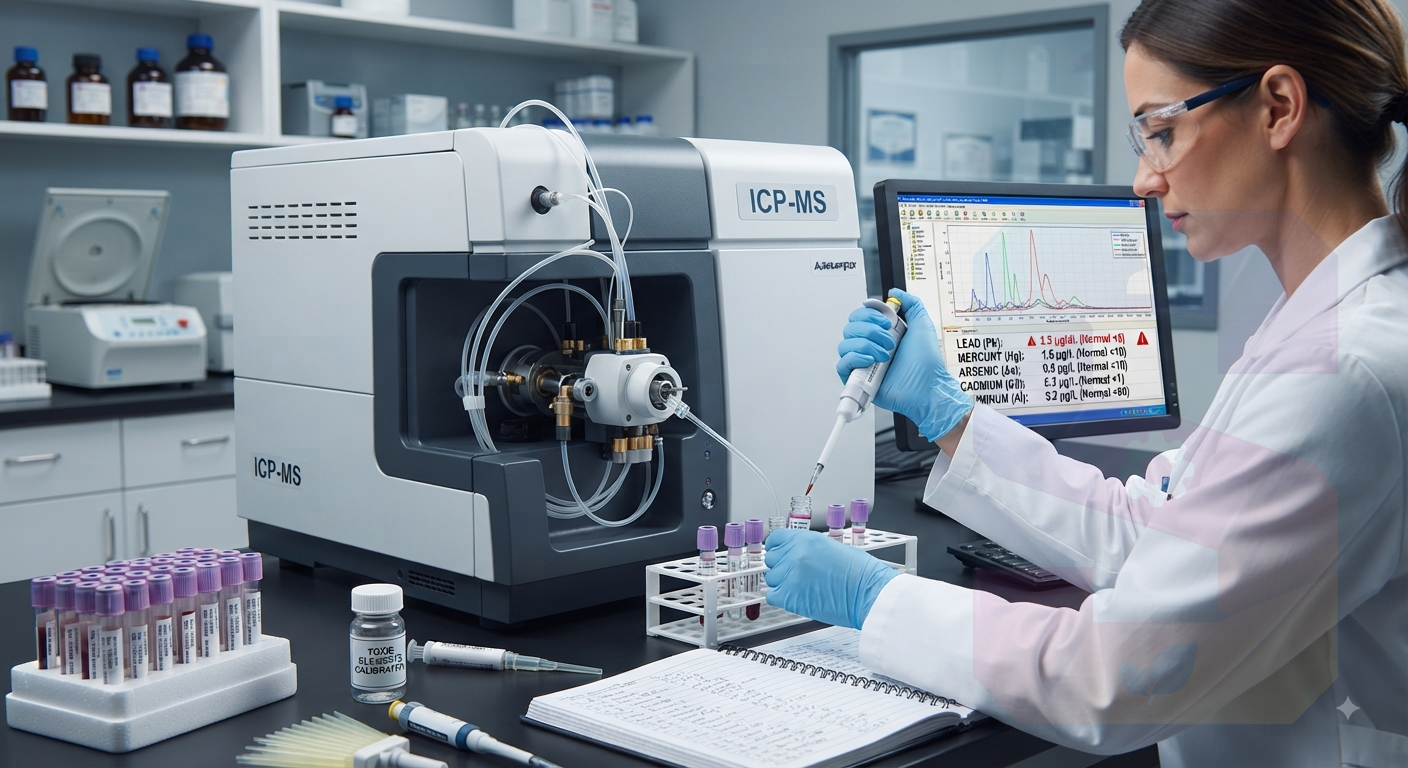
    The Blood Toxic Element Profile Test is a comprehensive diagnostic panel designed to measure the levels of hazardous heavy metals and toxic substances circulating in the bloodstream. This specialized screening evaluates exposure to harmful elements such as lead, mercury, arsenic, cadmium, and aluminum, which can accumulate from environmental pollution, occupational hazards, or dietary sources. Elevated concentrations of these heavy metals can cause severe systemic damage affecting neurological, renal, and cardiovascular functions. By accurately quantifying these toxic loads, healthcare providers can identify acute or chronic poisoning, monitor detoxification treatments, and implement targeted interventions.

    The Blood Toxic Element Profile Test is a comprehensive diagnostic panel designed to measure the levels of hazardous heavy metals and toxic substances circulating in the bloodstream. This specialized screening evaluates exposure to harmful elements such as lead, mercury, arsenic, cadmium, and aluminum, which can accumulate from environmental pollution, occupational hazards, or dietary sources. Elevated concentrations of these heavy metals can cause severe systemic damage affecting neurological, renal, and cardiovascular functions. By accurately quantifying these toxic loads, healthcare providers can identify acute or chronic poisoning, monitor detoxification treatments, and implement targeted interventions.

    0 Comments 0 Shares 1K Views 0 Reviews
  • Blood Urea Nitrogen Test New
    165.00₹
    In stock
    All over India
    0 Reviews
    The Blood Urea Nitrogen (BUN) test is a routine clinical blood screening that measures the amount of urea nitrogen circulating in the bloodstream. Urea is a waste product formed in the liver when proteins are broken down, and it is normally filtered and excreted by the kidneys.
    Elevated BUN levels can indicate impaired kidney function, dehydration, or high-protein diets, while abnormally low levels may point to severe liver disease or malnutrition. Frequently ordered alongside serum creatinine tests, the BUN panel provides essential diagnostic insights into renal health and overall metabolic function.
    The Blood Urea Nitrogen (BUN) test is a routine clinical blood screening that measures the amount of urea nitrogen circulating in the bloodstream. Urea is a waste product formed in the liver when proteins are broken down, and it is normally filtered and excreted by the kidneys. Elevated BUN levels can indicate impaired kidney function, dehydration, or high-protein diets, while abnormally low levels may point to severe liver disease or malnutrition. Frequently ordered alongside serum creatinine tests, the BUN panel provides essential diagnostic insights into renal health and overall metabolic function.
    0 Comments 0 Shares 1K Views 0 Reviews
  • Body Fluid Analysis - Plerual Fluid Test New
    1,750.00₹
    In stock
    All over India
    0 Reviews
    The Body Fluid Analysis Pleural Fluid Test is an essential diagnostic evaluation used to investigate the underlying causes of fluid accumulation within the pleural space surrounding the lungs. A sample, obtained via thoracentesis, undergoes comprehensive laboratory testing, including cell counts, protein and glucose measurements, pH levels, and microbiological cultures. This detailed analysis helps clinicians differentiate between transudative effusions, often caused by heart failure or systemic conditions, and exudative effusions resulting from infections, inflammation, or malignancy. By accurately characterizing the pleural fluid composition, this test guides targeted therapeutic interventions and clinical management strategies.
    The Body Fluid Analysis Pleural Fluid Test is an essential diagnostic evaluation used to investigate the underlying causes of fluid accumulation within the pleural space surrounding the lungs. A sample, obtained via thoracentesis, undergoes comprehensive laboratory testing, including cell counts, protein and glucose measurements, pH levels, and microbiological cultures. This detailed analysis helps clinicians differentiate between transudative effusions, often caused by heart failure or systemic conditions, and exudative effusions resulting from infections, inflammation, or malignancy. By accurately characterizing the pleural fluid composition, this test guides targeted therapeutic interventions and clinical management strategies.
    0 Comments 0 Shares 3K Views 0 Reviews
  • Body Fluid Analysis - Ascitic Fluid Test New
    1,750.00₹
    In stock
    All over India
    0 Reviews
    The Body Fluid Analysis Ascitic Fluid Test, also known as a paracentesis analysis, is a critical diagnostic procedure used to evaluate the causes of abnormal fluid accumulation within the abdominal cavity, known as ascites. A sample of the ascitic fluid is collected and sent to a laboratory for comprehensive testing. This analysis typically includes assessing the fluid's appearance, performing cell counts to detect infection or inflammation, measuring total protein and albumin levels to help distinguish between transudate and exudate, and checking for the presence of cancer cells (cytology). Microbiological cultures may also be performed to identify bacterial infections like spontaneous bacterial peritonitis.
    The Body Fluid Analysis Ascitic Fluid Test, also known as a paracentesis analysis, is a critical diagnostic procedure used to evaluate the causes of abnormal fluid accumulation within the abdominal cavity, known as ascites. A sample of the ascitic fluid is collected and sent to a laboratory for comprehensive testing. This analysis typically includes assessing the fluid's appearance, performing cell counts to detect infection or inflammation, measuring total protein and albumin levels to help distinguish between transudate and exudate, and checking for the presence of cancer cells (cytology). Microbiological cultures may also be performed to identify bacterial infections like spontaneous bacterial peritonitis.
    0 Comments 0 Shares 3K Views 0 Reviews
  • Body Fluid Analysis - Cerebrospinal Fluid Test New
    1,750.00₹
    In stock
    All over India
    0 Reviews
    The Body Fluid Analysis Cerebrospinal Fluid (CSF) Test is a critical diagnostic procedure used to evaluate the fluid surrounding the brain and spinal cord. Performed via lumbar puncture, the analysis assesses physical appearance, measures glucose and protein levels, and conducts cell counts to detect infections (meningitis), inflammation, bleeding (subarachnoid hemorrhage), or neurological diseases like multiple sclerosis. Specialized tests can also identify specific proteins or malignant cells. Because CSF composition directly reflects the state of the central nervous system, this comprehensive analysis provides essential, often life-saving, information for the rapid diagnosis and management of complex neurological disorders.
    The Body Fluid Analysis Cerebrospinal Fluid (CSF) Test is a critical diagnostic procedure used to evaluate the fluid surrounding the brain and spinal cord. Performed via lumbar puncture, the analysis assesses physical appearance, measures glucose and protein levels, and conducts cell counts to detect infections (meningitis), inflammation, bleeding (subarachnoid hemorrhage), or neurological diseases like multiple sclerosis. Specialized tests can also identify specific proteins or malignant cells. Because CSF composition directly reflects the state of the central nervous system, this comprehensive analysis provides essential, often life-saving, information for the rapid diagnosis and management of complex neurological disorders.
    0 Comments 0 Shares 4K Views 0 Reviews
  • 0 Comments 0 Shares 52 Views 0 Reviews
  • 0 Comments 0 Shares 47 Views 0 Reviews
  • 0 Comments 0 Shares 52 Views 0 Reviews
  • 0 Comments 0 Shares 54 Views 0 Reviews
  • 0 Comments 0 Shares 56 Views 0 Reviews