




Directory
Browse the SeshtaConnect Directory: Find professionals, courses, job listings, and groups. Discover new connections to ignite your career and personal growth.
-
-
 C1 Esterase Inhibitor New3,600.00₹In stockAll over India0 ReviewsC1 Esterase Inhibitor is a vital human plasma protein that regulates the complement, contact, and intrinsic coagulation systems by inhibiting key serine proteases such as C1r, C1s, factor XIIa, and kallikrein. Deficiency or dysfunction of this inhibitor leads to unregulated activation of the complement cascade and excessive production of bradykinin, causing localized vascular permeability and tissue swelling. This mechanism is directly responsible for hereditary angioedema (HAE), characterized by recurrent, unpredictable swelling episodes in the face, limbs, and airways. Therapeutic plasma-derived or recombinant C1 inhibitors are successfully used to prevent and acutely treat these potentially life-threatening attacks.C1 Esterase Inhibitor is a vital human plasma protein that regulates the complement, contact, and intrinsic coagulation systems by inhibiting key serine proteases such as C1r, C1s, factor XIIa, and kallikrein. Deficiency or dysfunction of this inhibitor leads to unregulated activation of the complement cascade and excessive production of bradykinin, causing localized vascular permeability and tissue swelling. This mechanism is directly responsible for hereditary angioedema (HAE), characterized by recurrent, unpredictable swelling episodes in the face, limbs, and airways. Therapeutic plasma-derived or recombinant C1 inhibitors are successfully used to prevent and acutely treat these potentially life-threatening attacks.0 Comments 0 Shares 581 Views 0 Reviews
 -
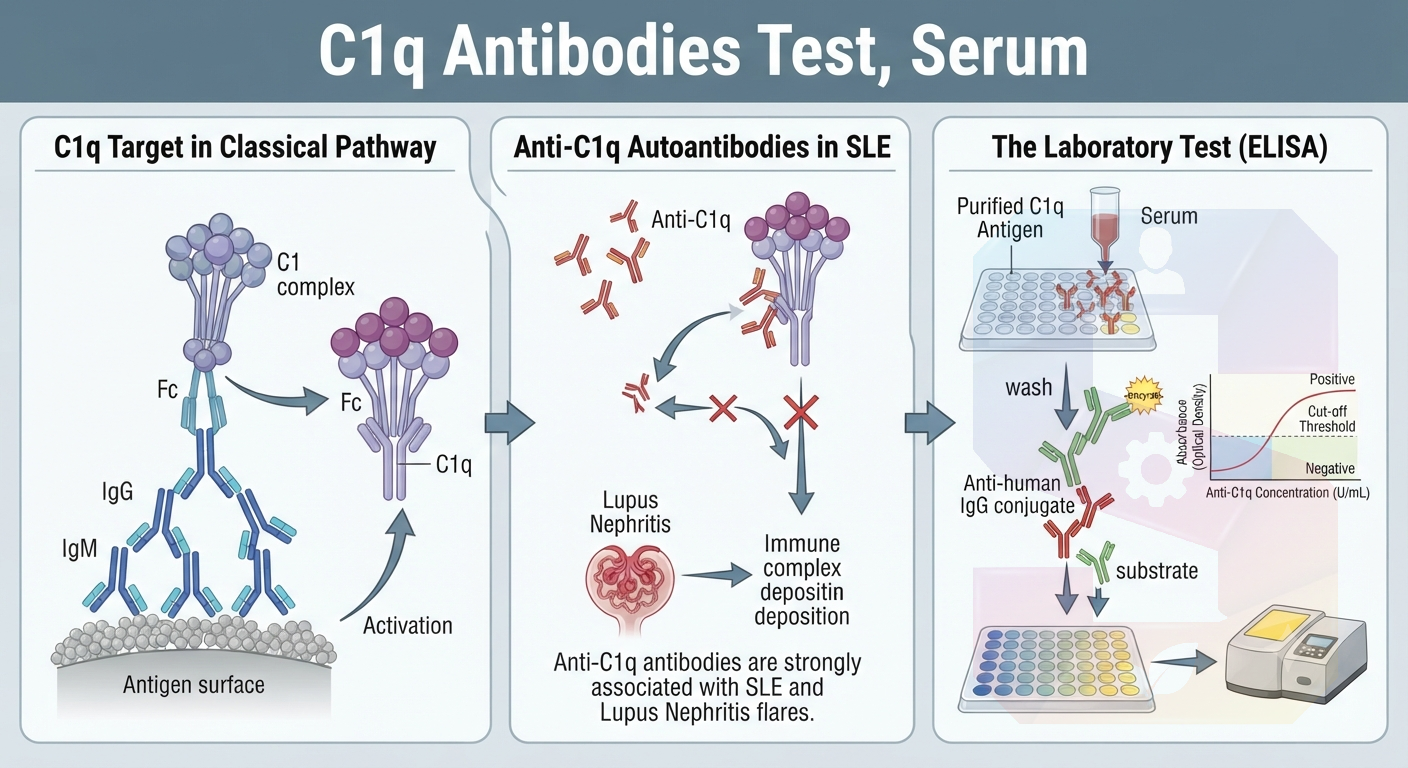 C1q Antibodies test, Serum New6,500.00₹In stockAll over India0 ReviewsThe C1q Antibodies test, serum measures the levels of autoantibodies directed against the C1q protein, a crucial component of the classical complement pathway. Detecting these antibodies is particularly valuable in the evaluation, diagnosis, and monitoring of systemic lupus erythematosus (SLE), as well as associated complications like lupus nephritis. Elevated titers of anti-C1q antibodies strongly correlate with active renal disease and severe inflammation. Clinicians utilize this specialized immunological assay alongside other complement markers to assess disease activity, predict flare-ups, and guide targeted therapeutic management for autoimmune disorders affecting multiple vital organ systems.The C1q Antibodies test, serum measures the levels of autoantibodies directed against the C1q protein, a crucial component of the classical complement pathway. Detecting these antibodies is particularly valuable in the evaluation, diagnosis, and monitoring of systemic lupus erythematosus (SLE), as well as associated complications like lupus nephritis. Elevated titers of anti-C1q antibodies strongly correlate with active renal disease and severe inflammation. Clinicians utilize this specialized immunological assay alongside other complement markers to assess disease activity, predict flare-ups, and guide targeted therapeutic management for autoimmune disorders affecting multiple vital organ systems.0 Comments 0 Shares 573 Views 0 Reviews
 -
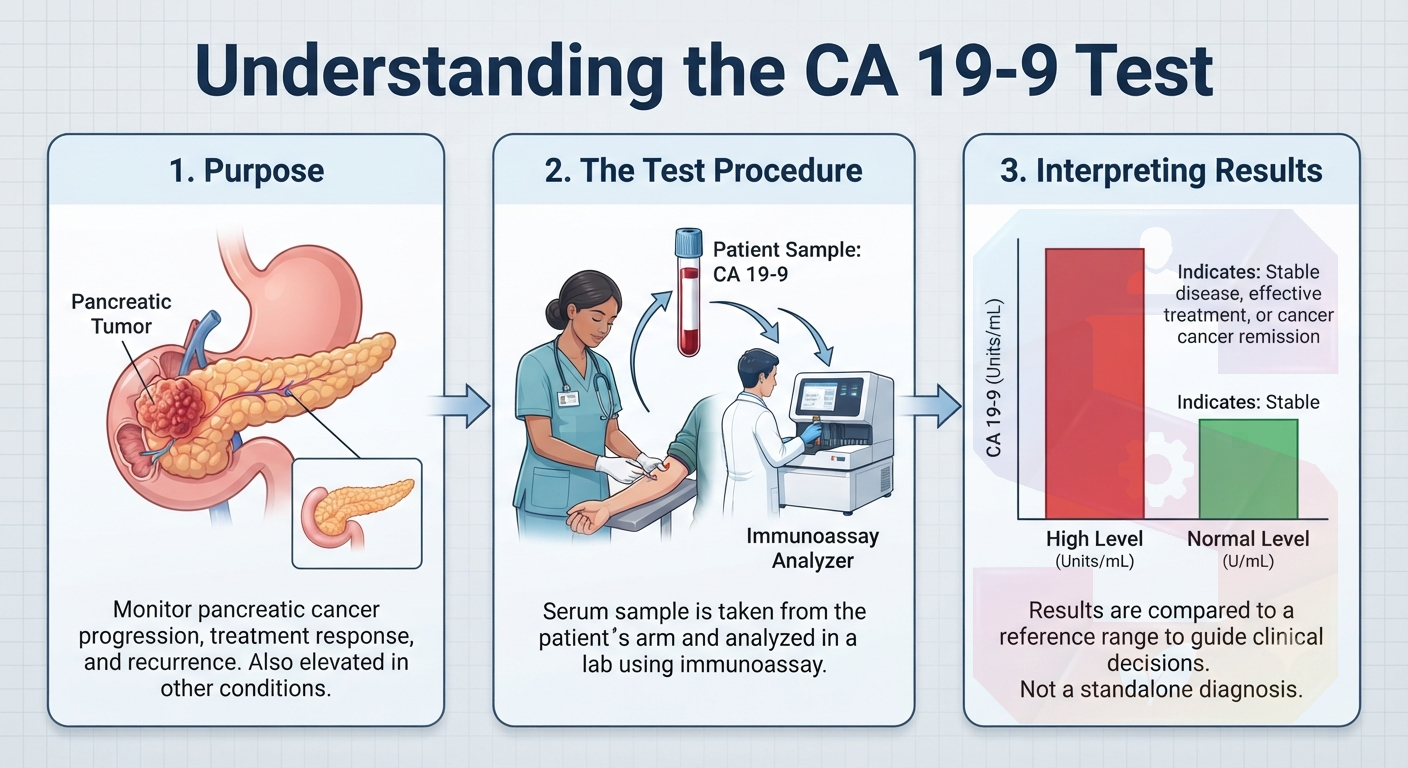 CA 19.9 Test New1,210.00₹In stockAll over India0 ReviewsThe CA 19-9 test measures the concentration of carbohydrate antigen 19-9, a tumor-associated mucin protein, in the bloodstream. It is primarily utilized as a vital serum biomarker to monitor disease progression, evaluate treatment efficacy, and detect potential recurrence in patients diagnosed with pancreatic cancer. Because levels can also be elevated in other gastrointestinal malignancies, such as cholangiocarcinoma or colorectal cancer, as well as benign conditions like biliary obstruction or pancreatitis, the test is not recommended as a standalone screening tool. Instead, clinicians integrate CA 19-9 results alongside imaging studies and clinical evaluations for comprehensive oncological management.The CA 19-9 test measures the concentration of carbohydrate antigen 19-9, a tumor-associated mucin protein, in the bloodstream. It is primarily utilized as a vital serum biomarker to monitor disease progression, evaluate treatment efficacy, and detect potential recurrence in patients diagnosed with pancreatic cancer. Because levels can also be elevated in other gastrointestinal malignancies, such as cholangiocarcinoma or colorectal cancer, as well as benign conditions like biliary obstruction or pancreatitis, the test is not recommended as a standalone screening tool. Instead, clinicians integrate CA 19-9 results alongside imaging studies and clinical evaluations for comprehensive oncological management.0 Comments 0 Shares 564 Views 0 Reviews
 -
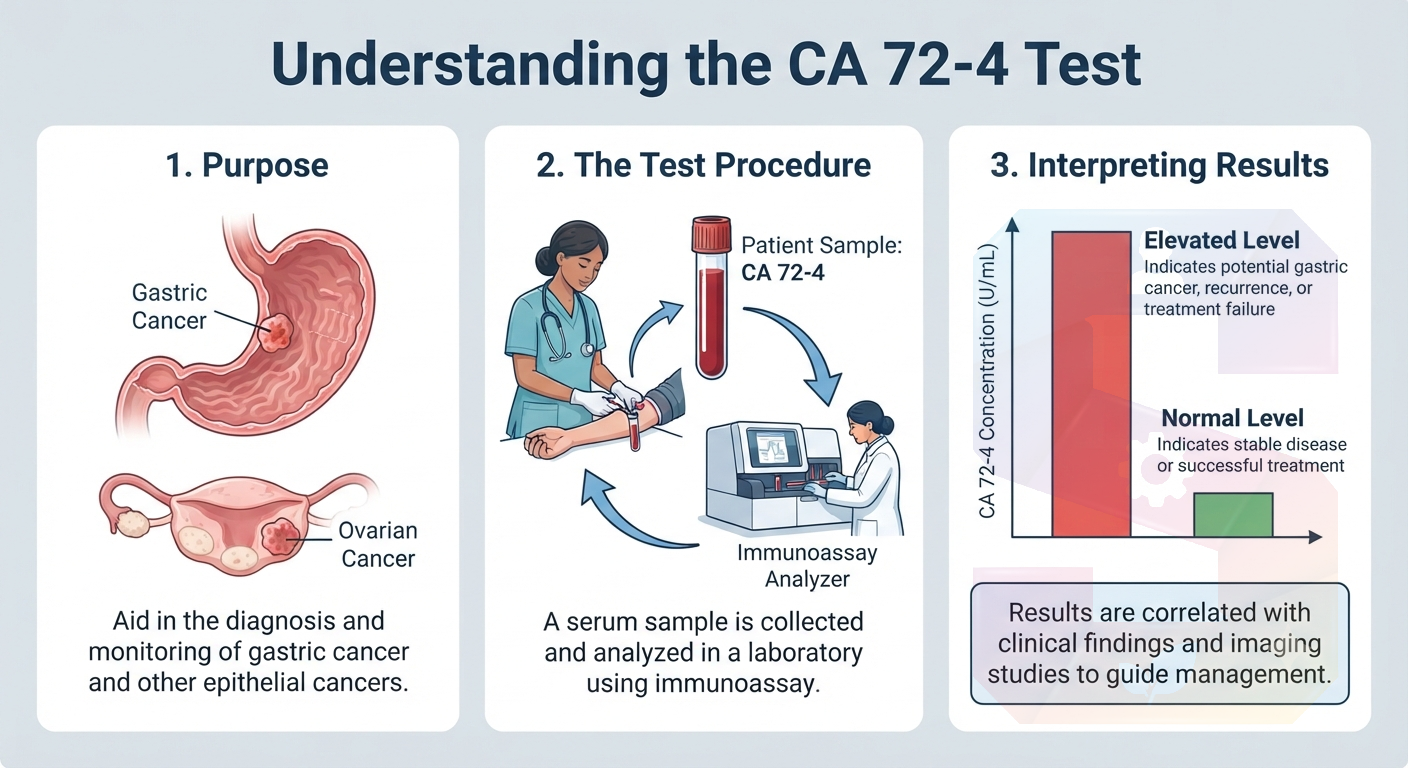 CA 72.4 Test New2,500.00₹In stockAll over India0 ReviewsThe CA 72-4 test measures the level of cancer antigen 72-4, a tumor-associated glycoprotein found in the blood. It serves primarily as an adjunct biomarker for evaluating and monitoring gastrointestinal malignancies, most notably gastric (stomach) cancer, as well as tracking potential disease recurrence or treatment efficacy. Additionally, CA 72-4 is sometimes utilized alongside other markers, such as CA 125, in the management of ovarian and other epithelial cancers. Because elevated concentrations can also occur in benign inflammatory conditions, the test is not used for standalone screening and requires correlation with clinical findings.The CA 72-4 test measures the level of cancer antigen 72-4, a tumor-associated glycoprotein found in the blood. It serves primarily as an adjunct biomarker for evaluating and monitoring gastrointestinal malignancies, most notably gastric (stomach) cancer, as well as tracking potential disease recurrence or treatment efficacy. Additionally, CA 72-4 is sometimes utilized alongside other markers, such as CA 125, in the management of ovarian and other epithelial cancers. Because elevated concentrations can also occur in benign inflammatory conditions, the test is not used for standalone screening and requires correlation with clinical findings.0 Comments 0 Shares 561 Views 0 Reviews
 -
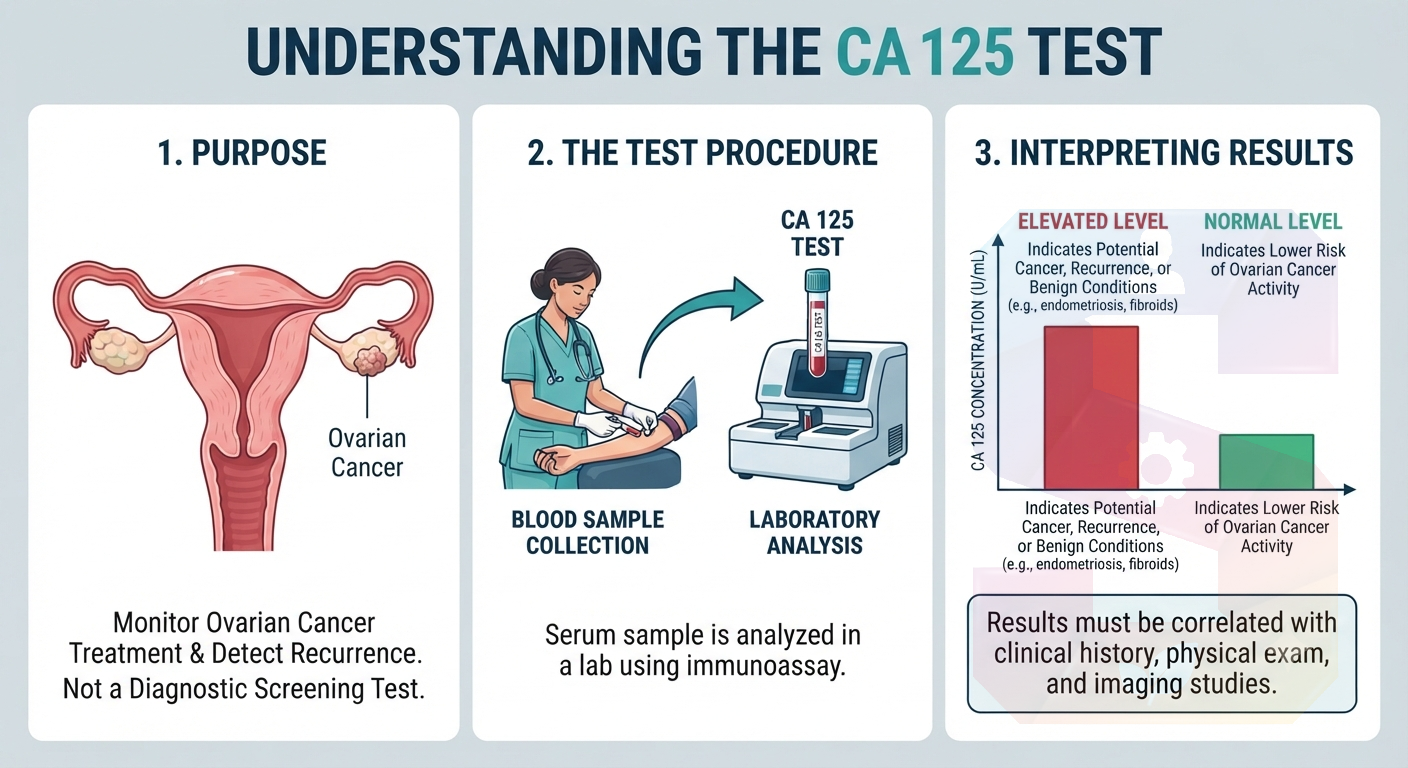 CA 125 Test New1,155.00₹In stockAll over India0 ReviewsThe CA-125 test measures the level of cancer antigen 125 in the blood, a protein often found in higher concentrations on the surface of ovarian cancer cells and some other healthy tissues. It is primarily utilized as a tumor marker to monitor the effectiveness of ovarian cancer treatment and to detect potential disease recurrence. While a valuable tool in management, CA-125 is not a definitive diagnostic test for initial screening, as elevated levels can also be caused by benign conditions such as endometriosis, uterine fibroids, and pelvic inflammatory disease, limiting its specificity.The CA-125 test measures the level of cancer antigen 125 in the blood, a protein often found in higher concentrations on the surface of ovarian cancer cells and some other healthy tissues. It is primarily utilized as a tumor marker to monitor the effectiveness of ovarian cancer treatment and to detect potential disease recurrence. While a valuable tool in management, CA-125 is not a definitive diagnostic test for initial screening, as elevated levels can also be caused by benign conditions such as endometriosis, uterine fibroids, and pelvic inflammatory disease, limiting its specificity.0 Comments 0 Shares 552 Views 0 Reviews
 -
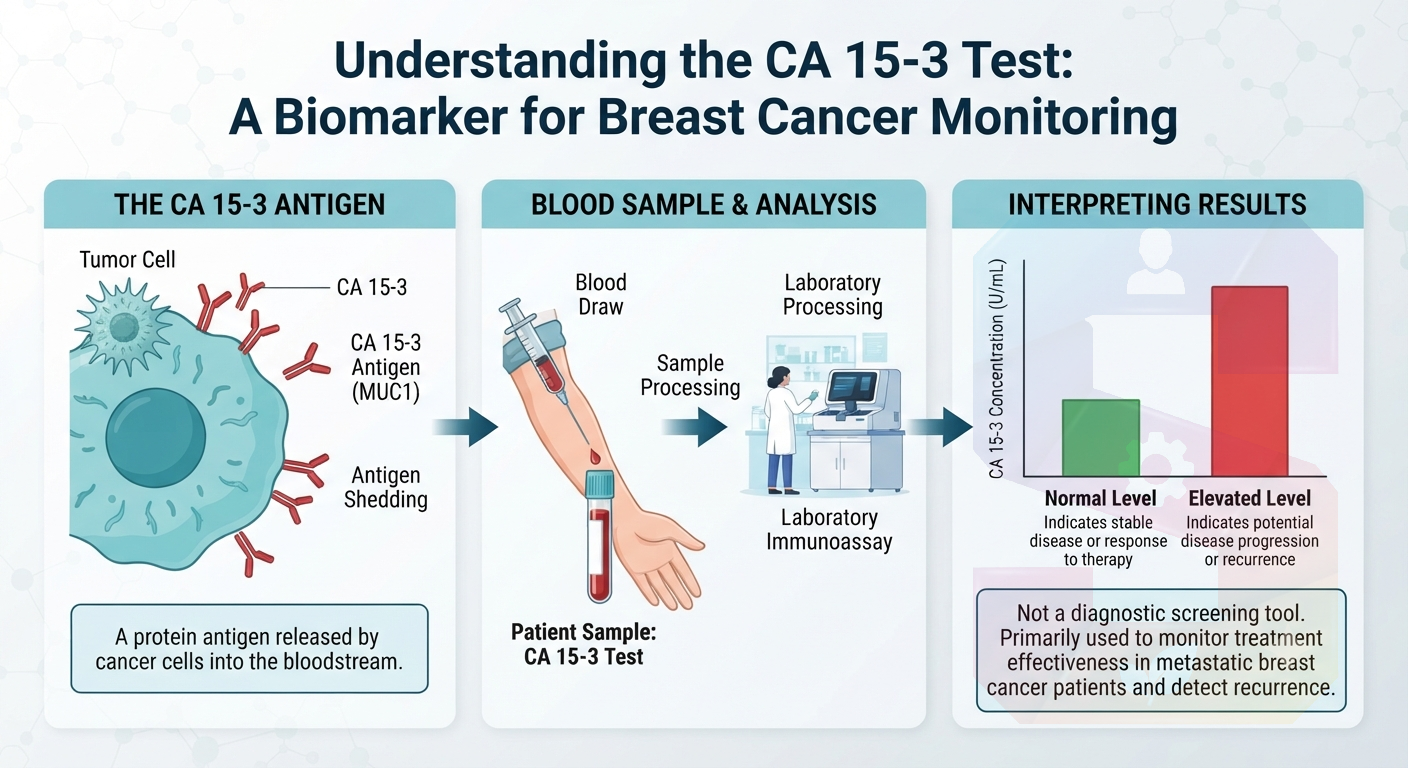 CA 15.3 Test New1,210.00₹In stockAll over India0 ReviewsThe CA 15-3 test measures the level of the CA 15-3 antigen, a protein shed from breast cancer cells, in the bloodstream. It is not a diagnostic tool for initial screening, as levels can be elevated in benign conditions and are often normal in early-stage disease. Instead, its primary clinical utility is as a tumor marker to monitor the effectiveness of therapy in patients with metastatic breast cancer and to detect potential disease recurrence. Persistently rising CA 15-3 levels can precede clinical or radiological evidence of progression, allowing for timely therapeutic adjustments. Results must be interpreted alongside imaging and clinical evaluation.The CA 15-3 test measures the level of the CA 15-3 antigen, a protein shed from breast cancer cells, in the bloodstream. It is not a diagnostic tool for initial screening, as levels can be elevated in benign conditions and are often normal in early-stage disease. Instead, its primary clinical utility is as a tumor marker to monitor the effectiveness of therapy in patients with metastatic breast cancer and to detect potential disease recurrence. Persistently rising CA 15-3 levels can precede clinical or radiological evidence of progression, allowing for timely therapeutic adjustments. Results must be interpreted alongside imaging and clinical evaluation.0 Comments 0 Shares 547 Views 0 Reviews