


• Bullous Phemphigoid 180 vesiculobullous disorders New
    4,500.00₹
    In stock
    All over India
    0 Reviews
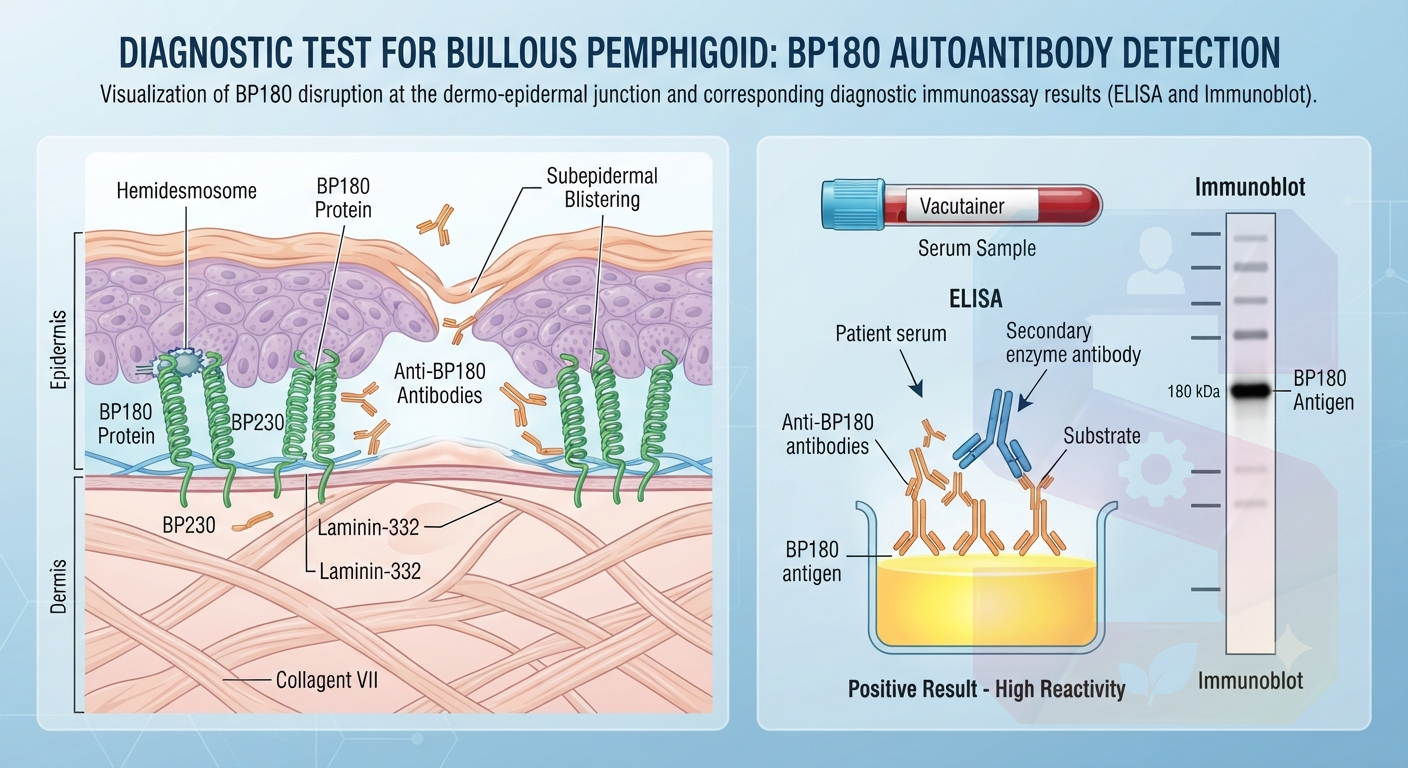
    The Bullous Pemphigoid 180 (BP180) serum test is a specialized diagnostic blood assay used to detect specific autoantibodies targeting the BP180 protein. This protein plays a critical role in maintaining skin structural integrity. The test evaluates vesiculobullous disorders, helping physicians accurately diagnose autoimmune blistering conditions like bullous pemphigoid, which cause painful skin blisters and severe itching. By measuring circulating antibody levels, the assay confirms clinical diagnoses, assesses disease activity, and assists healthcare providers in effectively monitoring how well a patient responds to ongoing immunosuppressive or anti-inflammatory treatment.
    The Bullous Pemphigoid 180 (BP180) serum test is a specialized diagnostic blood assay used to detect specific autoantibodies targeting the BP180 protein. This protein plays a critical role in maintaining skin structural integrity. The test evaluates vesiculobullous disorders, helping physicians accurately diagnose autoimmune blistering conditions like bullous pemphigoid, which cause painful skin blisters and severe itching. By measuring circulating antibody levels, the assay confirms clinical diagnoses, assesses disease activity, and assists healthcare providers in effectively monitoring how well a patient responds to ongoing immunosuppressive or anti-inflammatory treatment.
    0 Comments 0 Shares 964 Views 0 Reviews
  • Apo lipoprotein A1 Test New
    495.00₹
    In stock
    All over India
    0 Reviews
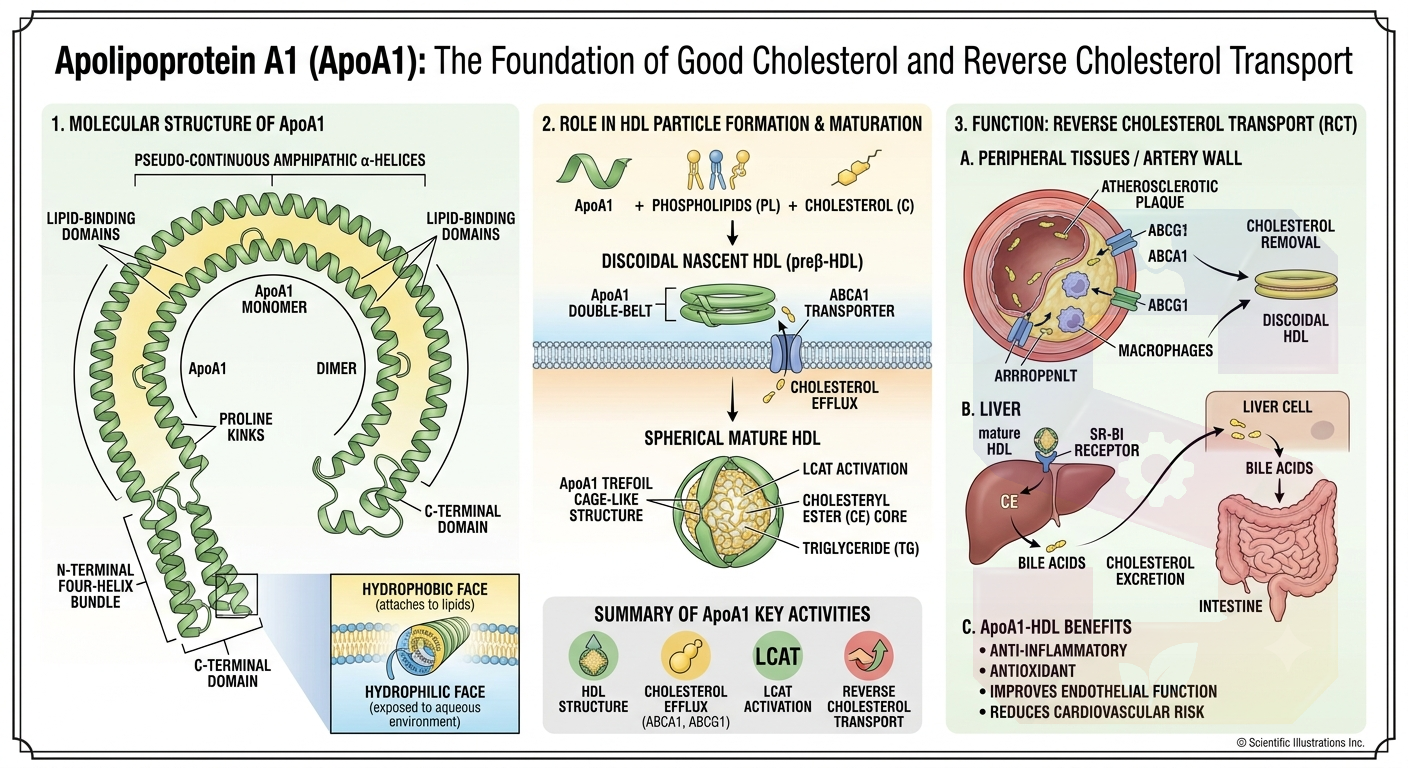
    **Apolipoprotein A1 (ApoA1)** is the primary structural protein component of High-Density Lipoprotein (HDL), commonly known as "good cholesterol." Produced mainly in the liver and intestine, ApoA1 plays a critical role in **reverse cholesterol transport**—a protective process where excess cholesterol is collected from peripheral tissues and artery walls, then transported back to the liver for excretion. Additionally, ApoA1 acts as a cofactor for lecithin-cholesterol acyltransferase (LCAT), an enzyme essential for converting free cholesterol into esterified forms for transport. Higher circulating levels of ApoA1 are strongly associated with reduced cardiovascular risk, anti-inflammatory defense, and improved vascular endothelial function.
    **Apolipoprotein A1 (ApoA1)** is the primary structural protein component of High-Density Lipoprotein (HDL), commonly known as "good cholesterol." Produced mainly in the liver and intestine, ApoA1 plays a critical role in **reverse cholesterol transport**—a protective process where excess cholesterol is collected from peripheral tissues and artery walls, then transported back to the liver for excretion. Additionally, ApoA1 acts as a cofactor for lecithin-cholesterol acyltransferase (LCAT), an enzyme essential for converting free cholesterol into esterified forms for transport. Higher circulating levels of ApoA1 are strongly associated with reduced cardiovascular risk, anti-inflammatory defense, and improved vascular endothelial function.
    0 Comments 0 Shares 1K Views 0 Reviews