


-
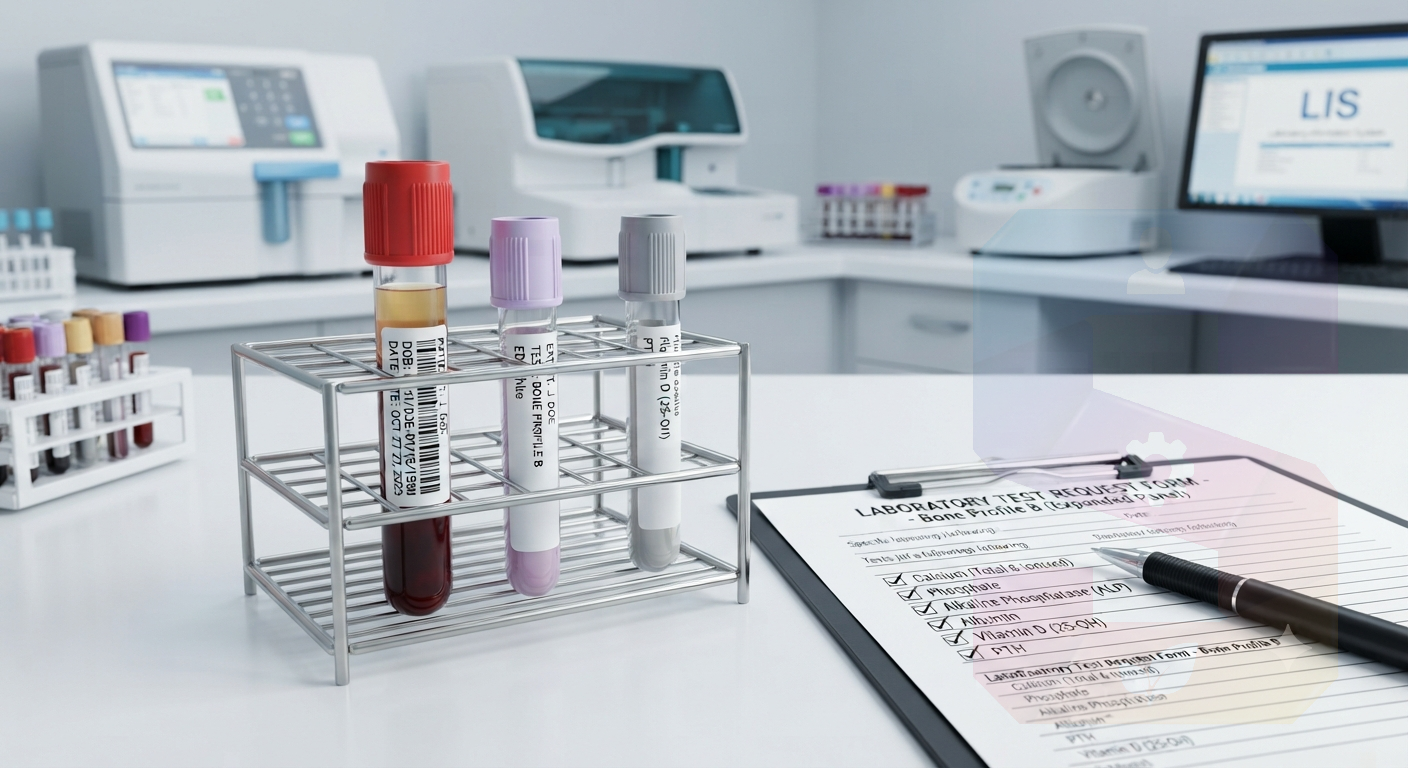 Bone Profile B Test New1,980.00₹In stockAll over India0 ReviewsThe bone profile B test is a specialized diagnostic blood panel used to evaluate skeletal metabolism, mineral balance, and bone turnover rates. This expanded assessment typically measures serum calcium, phosphate, alkaline phosphatase (ALP), albumin, and adjusted calcium levels, alongside extended metabolic markers.
By analyzing these biochemical components together, healthcare providers can assess how efficiently bones form and break down. The test is essential for identifying and monitoring systemic disorders such as hyperparathyroidism, Paget's disease, vitamin deficiencies, and renal-related bone mineral complications, ensuring targeted and effective clinical management.The bone profile B test is a specialized diagnostic blood panel used to evaluate skeletal metabolism, mineral balance, and bone turnover rates. This expanded assessment typically measures serum calcium, phosphate, alkaline phosphatase (ALP), albumin, and adjusted calcium levels, alongside extended metabolic markers. By analyzing these biochemical components together, healthcare providers can assess how efficiently bones form and break down. The test is essential for identifying and monitoring systemic disorders such as hyperparathyroidism, Paget's disease, vitamin deficiencies, and renal-related bone mineral complications, ensuring targeted and effective clinical management.0 Comments 0 Shares 1K Views 0 Reviews -
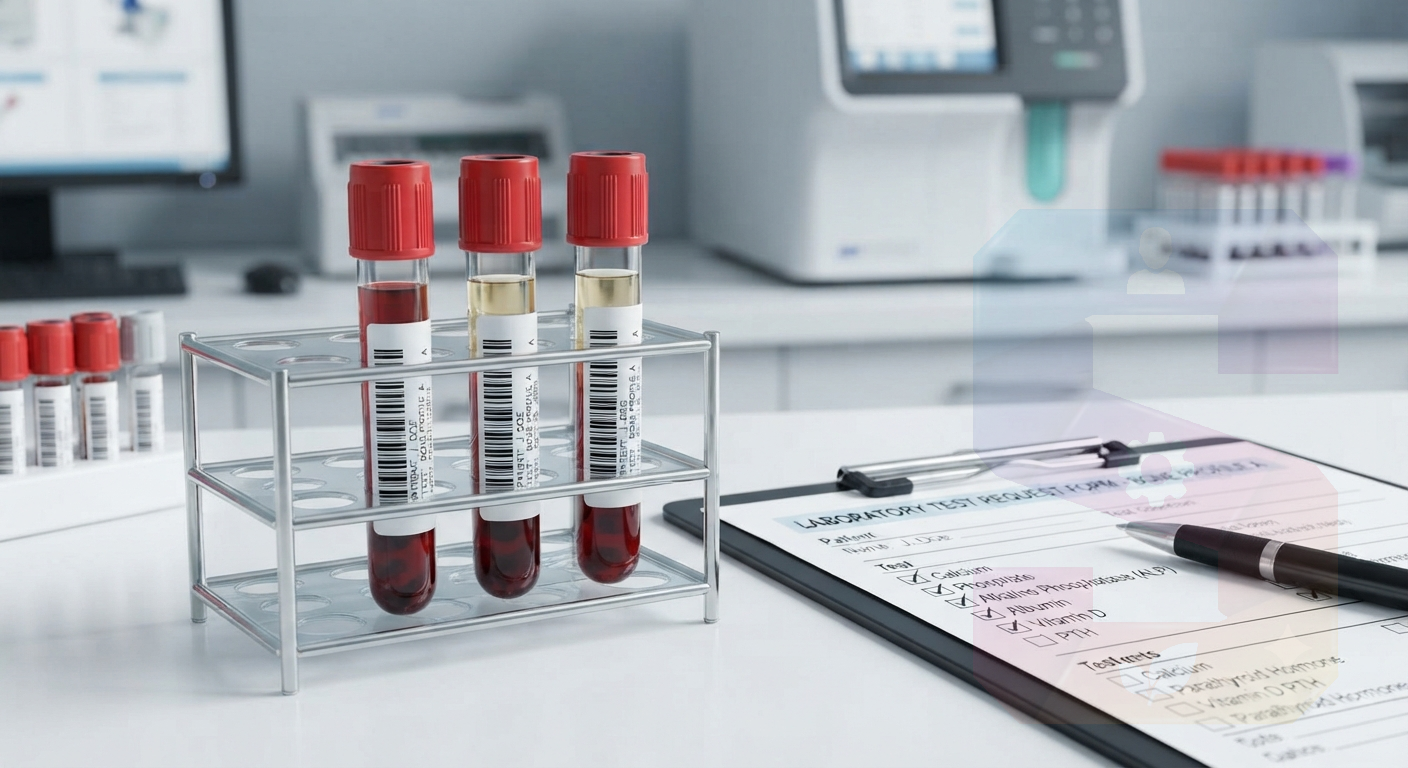 Bone Profile A New1,650.00₹In stockAll over India0 ReviewsA bone profile test is a panel of blood tests used to evaluate overall bone health and metabolism by measuring specific substances in the blood. Key components typically include calcium, phosphate, albumin, and alkaline phosphatase (ALP).
This diagnostic panel helps detect, monitor, and diagnose various conditions affecting bone turnover, such as osteoporosis, Paget's disease, vitamin D deficiencies, and certain types of cancer. Abnormal results can indicate whether bones are breaking down too quickly or failing to mineralize properly. By providing a clear picture of calcium balance and enzymatic activity, clinicians can effectively guide treatment and therapeutic management.A bone profile test is a panel of blood tests used to evaluate overall bone health and metabolism by measuring specific substances in the blood. Key components typically include calcium, phosphate, albumin, and alkaline phosphatase (ALP). This diagnostic panel helps detect, monitor, and diagnose various conditions affecting bone turnover, such as osteoporosis, Paget's disease, vitamin D deficiencies, and certain types of cancer. Abnormal results can indicate whether bones are breaking down too quickly or failing to mineralize properly. By providing a clear picture of calcium balance and enzymatic activity, clinicians can effectively guide treatment and therapeutic management.0 Comments 0 Shares 1K Views 0 Reviews -
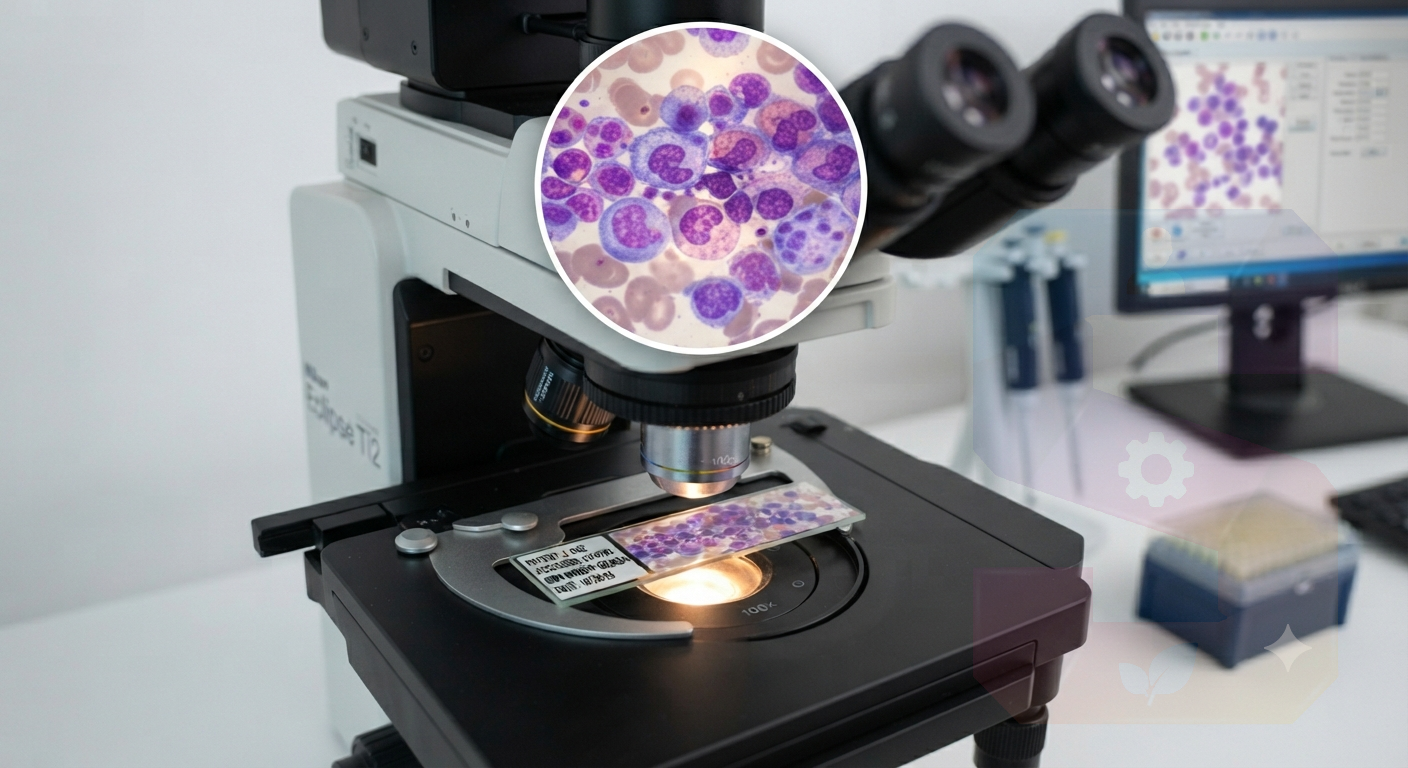 Bone marrow Aspiration - slide for review New850.00₹In stockAll over India0 ReviewsThe bone marrow aspiration slide review is a critical diagnostic procedure used to evaluate hematopoiesis and identify cellular abnormalities. During this test, a stained smear of bone marrow fluid is examined under a microscope by a pathologist or hematologist.
The evaluation focuses on cellularity, the myeloid-to-erythroid ratio, and the maturation stages of different blood cell lineages. Key indicators such as blast percentages, atypical cells, and iron stores are assessed to diagnose conditions like leukemias, myelodysplastic syndromes, and anemias. This detailed microscopic analysis provides essential data for accurate diagnosis, staging, and therapeutic monitoring.The bone marrow aspiration slide review is a critical diagnostic procedure used to evaluate hematopoiesis and identify cellular abnormalities. During this test, a stained smear of bone marrow fluid is examined under a microscope by a pathologist or hematologist. The evaluation focuses on cellularity, the myeloid-to-erythroid ratio, and the maturation stages of different blood cell lineages. Key indicators such as blast percentages, atypical cells, and iron stores are assessed to diagnose conditions like leukemias, myelodysplastic syndromes, and anemias. This detailed microscopic analysis provides essential data for accurate diagnosis, staging, and therapeutic monitoring.0 Comments 0 Shares 1K Views 0 Reviews -
 Bone Biopsy - Medium - 1-3cm New1,000.00₹In stockAll over India0 ReviewsA medium bone biopsy, targeting tissue samples between 1 and 3 centimeters in length, is a vital diagnostic procedure used to evaluate localized bone lesions, suspected tumors, or deep-seated infections. When imaging reveals a distinct structural abnormality, this moderate-sized tissue core provides pathologists with an optimal quantity of specimen for detailed histological, cytological, and microbiological evaluation.
This precise diagnostic step allows specialists to differentiate between benign growths, primary bone malignancies, metastatic disease, and chronic osteomyelitis. Obtaining a 1 to 3 centimeter specimen ensures accurate disease staging and guides effective clinical management.A medium bone biopsy, targeting tissue samples between 1 and 3 centimeters in length, is a vital diagnostic procedure used to evaluate localized bone lesions, suspected tumors, or deep-seated infections. When imaging reveals a distinct structural abnormality, this moderate-sized tissue core provides pathologists with an optimal quantity of specimen for detailed histological, cytological, and microbiological evaluation. This precise diagnostic step allows specialists to differentiate between benign growths, primary bone malignancies, metastatic disease, and chronic osteomyelitis. Obtaining a 1 to 3 centimeter specimen ensures accurate disease staging and guides effective clinical management.0 Comments 0 Shares 2K Views 0 Reviews -
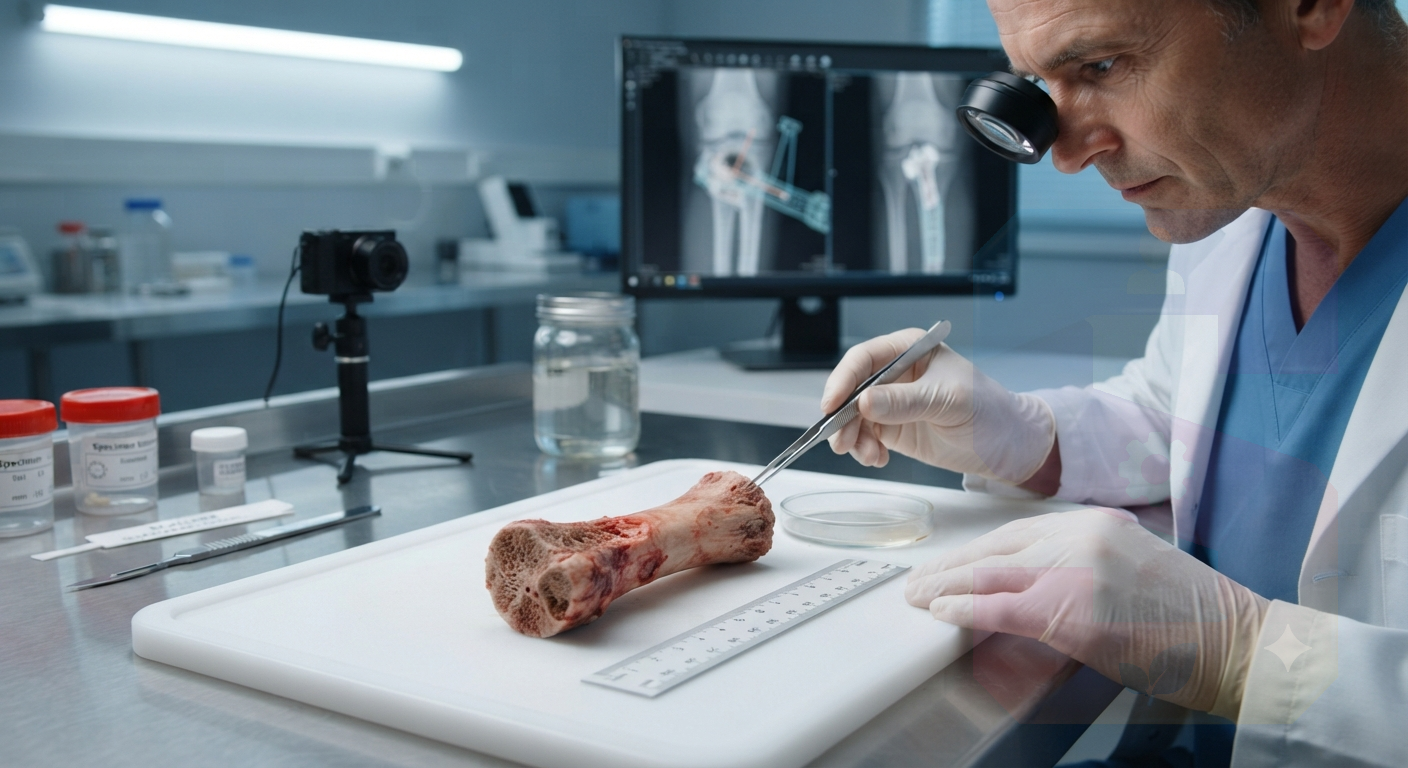 Bone Biopsy - Large biopsy - 3-6cm New1,500.00₹In stockAll over India0 ReviewsA large bone biopsy measuring 3 to 6 centimeters is an extensive diagnostic procedure used to investigate complex bone lesions, tumors, or infections. When imaging studies reveal substantial structural abnormalities, this comprehensive tissue sampling allows pathologists to extract enough material to perform thorough histological, genetic, and microbiological examinations.
Obtaining a larger core sample is vital for accurately grading malignancies, determining tumor margins, and distinguishing between primary bone cancers, metastatic disease, or chronic osteomyelitis. This detailed analysis gives oncology and orthopedic specialists the comprehensive data needed to formulate precise, individualized treatment regimens.A large bone biopsy measuring 3 to 6 centimeters is an extensive diagnostic procedure used to investigate complex bone lesions, tumors, or infections. When imaging studies reveal substantial structural abnormalities, this comprehensive tissue sampling allows pathologists to extract enough material to perform thorough histological, genetic, and microbiological examinations. Obtaining a larger core sample is vital for accurately grading malignancies, determining tumor margins, and distinguishing between primary bone cancers, metastatic disease, or chronic osteomyelitis. This detailed analysis gives oncology and orthopedic specialists the comprehensive data needed to formulate precise, individualized treatment regimens.0 Comments 0 Shares 2K Views 0 Reviews -
 BOH Panel New6,865.00₹In stockAll over India0 ReviewsThe Bad Obstetric History (BOH) panel test is a comprehensive diagnostic blood evaluation recommended for women who have experienced recurrent pregnancy losses, such as consecutive spontaneous miscarriages, stillbirths, or early neonatal deaths.
This panel primarily investigates underlying medical triggers by screening for chronic infections—such as TORCH agents—autoimmune and blood-clotting disorders like antiphospholipid syndrome, and hormonal imbalances including thyroid dysfunction. By precisely identifying these root causes, healthcare providers can design targeted treatment plans to support safer, healthier outcomes in future pregnancies.The Bad Obstetric History (BOH) panel test is a comprehensive diagnostic blood evaluation recommended for women who have experienced recurrent pregnancy losses, such as consecutive spontaneous miscarriages, stillbirths, or early neonatal deaths. This panel primarily investigates underlying medical triggers by screening for chronic infections—such as TORCH agents—autoimmune and blood-clotting disorders like antiphospholipid syndrome, and hormonal imbalances including thyroid dysfunction. By precisely identifying these root causes, healthcare providers can design targeted treatment plans to support safer, healthier outcomes in future pregnancies.0 Comments 0 Shares 2K Views 0 Reviews -
 Body Fluid Analysis - Synovial Fluid Test New1,750.00₹In stockAll over India0 ReviewsA synovial fluid analysis is a crucial diagnostic procedure used to evaluate joint fluid and identify the underlying causes of joint pain, swelling, and inflammation. By examining physical characteristics like color and clarity, as well as conducting chemical, microscopic, and microbiological tests, medical professionals can detect conditions such as septic arthritis, gout, pseudogout, and various inflammatory joint disorders. Crystal identification and white blood cell counts are particularly valuable for differentiating between infectious and non-infectious joint pathologies. This specialized test provides actionable insights that directly guide effective clinical management and targeted therapeutic interventions.A synovial fluid analysis is a crucial diagnostic procedure used to evaluate joint fluid and identify the underlying causes of joint pain, swelling, and inflammation. By examining physical characteristics like color and clarity, as well as conducting chemical, microscopic, and microbiological tests, medical professionals can detect conditions such as septic arthritis, gout, pseudogout, and various inflammatory joint disorders. Crystal identification and white blood cell counts are particularly valuable for differentiating between infectious and non-infectious joint pathologies. This specialized test provides actionable insights that directly guide effective clinical management and targeted therapeutic interventions.0 Comments 0 Shares 2K Views 0 Reviews
 -
 Body Fluid Analysis for Malignant cells Test New1,200.00₹In stockAll over India0 ReviewsBody fluid analysis for malignant cells is a specialized diagnostic test used to detect cancer cells in non-blood biological liquids, such as cerebrospinal, pleural, peritoneal, or synovial fluids. When fluid accumulates abnormally in body cavities due to disease, pathologists examine cell morphology using cytological techniques to identify abnormal growths or metastatic tumors. This testing plays a crucial role in oncology by confirming cancer diagnoses, staging malignancies, and monitoring treatment efficacy. Detecting these malignant cells early allows clinicians to understand disease progression and formulate precise, individualized management strategies for patients facing complex oncological conditions.Body fluid analysis for malignant cells is a specialized diagnostic test used to detect cancer cells in non-blood biological liquids, such as cerebrospinal, pleural, peritoneal, or synovial fluids. When fluid accumulates abnormally in body cavities due to disease, pathologists examine cell morphology using cytological techniques to identify abnormal growths or metastatic tumors. This testing plays a crucial role in oncology by confirming cancer diagnoses, staging malignancies, and monitoring treatment efficacy. Detecting these malignant cells early allows clinicians to understand disease progression and formulate precise, individualized management strategies for patients facing complex oncological conditions.0 Comments 0 Shares 2K Views 0 Reviews
 -
 Body Fluid Analysis (other) - Body Fluid Test New1,750.00₹In stockAll over India0 ReviewsBody fluid analysis is a critical diagnostic procedure that evaluates non-blood biological liquids—such as cerebrospinal, synovial, peritoneal, or pleural fluids—to uncover underlying medical conditions. By examining physical, chemical, and microscopic properties, laboratory professionals can identify infections, inflammation, hemorrhage, or malignancies within specific body cavities.
This specialized testing helps clinicians pinpoint the exact cause of abnormal fluid accumulations, guiding targeted treatment plans for complex joint disorders, neurological diseases, and abdominal complications. Accurate interpretation of these parameters ensures timely and effective patient intervention.Body fluid analysis is a critical diagnostic procedure that evaluates non-blood biological liquids—such as cerebrospinal, synovial, peritoneal, or pleural fluids—to uncover underlying medical conditions. By examining physical, chemical, and microscopic properties, laboratory professionals can identify infections, inflammation, hemorrhage, or malignancies within specific body cavities. This specialized testing helps clinicians pinpoint the exact cause of abnormal fluid accumulations, guiding targeted treatment plans for complex joint disorders, neurological diseases, and abdominal complications. Accurate interpretation of these parameters ensures timely and effective patient intervention.0 Comments 0 Shares 2K Views 0 Reviews -
 Body Fluid Analysis - Cerebrospinal Fluid Test New1,750.00₹In stockAll over India0 ReviewsThe Body Fluid Analysis Cerebrospinal Fluid (CSF) Test is a critical diagnostic procedure used to evaluate the fluid surrounding the brain and spinal cord. Performed via lumbar puncture, the analysis assesses physical appearance, measures glucose and protein levels, and conducts cell counts to detect infections (meningitis), inflammation, bleeding (subarachnoid hemorrhage), or neurological diseases like multiple sclerosis. Specialized tests can also identify specific proteins or malignant cells. Because CSF composition directly reflects the state of the central nervous system, this comprehensive analysis provides essential, often life-saving, information for the rapid diagnosis and management of complex neurological disorders.The Body Fluid Analysis Cerebrospinal Fluid (CSF) Test is a critical diagnostic procedure used to evaluate the fluid surrounding the brain and spinal cord. Performed via lumbar puncture, the analysis assesses physical appearance, measures glucose and protein levels, and conducts cell counts to detect infections (meningitis), inflammation, bleeding (subarachnoid hemorrhage), or neurological diseases like multiple sclerosis. Specialized tests can also identify specific proteins or malignant cells. Because CSF composition directly reflects the state of the central nervous system, this comprehensive analysis provides essential, often life-saving, information for the rapid diagnosis and management of complex neurological disorders.0 Comments 0 Shares 2K Views 0 Reviews
 -
 Body Fluid Analysis - Ascitic Fluid Test New1,750.00₹In stockAll over India0 ReviewsThe Body Fluid Analysis Ascitic Fluid Test, also known as a paracentesis analysis, is a critical diagnostic procedure used to evaluate the causes of abnormal fluid accumulation within the abdominal cavity, known as ascites. A sample of the ascitic fluid is collected and sent to a laboratory for comprehensive testing. This analysis typically includes assessing the fluid's appearance, performing cell counts to detect infection or inflammation, measuring total protein and albumin levels to help distinguish between transudate and exudate, and checking for the presence of cancer cells (cytology). Microbiological cultures may also be performed to identify bacterial infections like spontaneous bacterial peritonitis.The Body Fluid Analysis Ascitic Fluid Test, also known as a paracentesis analysis, is a critical diagnostic procedure used to evaluate the causes of abnormal fluid accumulation within the abdominal cavity, known as ascites. A sample of the ascitic fluid is collected and sent to a laboratory for comprehensive testing. This analysis typically includes assessing the fluid's appearance, performing cell counts to detect infection or inflammation, measuring total protein and albumin levels to help distinguish between transudate and exudate, and checking for the presence of cancer cells (cytology). Microbiological cultures may also be performed to identify bacterial infections like spontaneous bacterial peritonitis.0 Comments 0 Shares 2K Views 0 Reviews
 -
 Body Fluid Analysis - Plerual Fluid Test New1,750.00₹In stockAll over India0 ReviewsThe Body Fluid Analysis Pleural Fluid Test is an essential diagnostic evaluation used to investigate the underlying causes of fluid accumulation within the pleural space surrounding the lungs. A sample, obtained via thoracentesis, undergoes comprehensive laboratory testing, including cell counts, protein and glucose measurements, pH levels, and microbiological cultures. This detailed analysis helps clinicians differentiate between transudative effusions, often caused by heart failure or systemic conditions, and exudative effusions resulting from infections, inflammation, or malignancy. By accurately characterizing the pleural fluid composition, this test guides targeted therapeutic interventions and clinical management strategies.The Body Fluid Analysis Pleural Fluid Test is an essential diagnostic evaluation used to investigate the underlying causes of fluid accumulation within the pleural space surrounding the lungs. A sample, obtained via thoracentesis, undergoes comprehensive laboratory testing, including cell counts, protein and glucose measurements, pH levels, and microbiological cultures. This detailed analysis helps clinicians differentiate between transudative effusions, often caused by heart failure or systemic conditions, and exudative effusions resulting from infections, inflammation, or malignancy. By accurately characterizing the pleural fluid composition, this test guides targeted therapeutic interventions and clinical management strategies.0 Comments 0 Shares 2K Views 0 Reviews
More Stories

Sponsored