


Hospital Furniture: Essential Solutions for Modern Healthcare Facilities
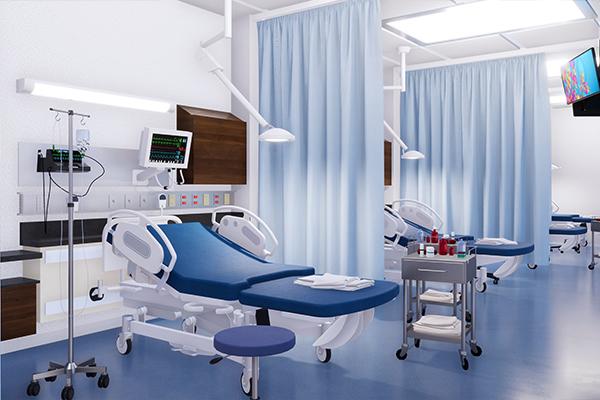
Hospital furniture plays a vital role in the efficiency, comfort, and safety of healthcare environments. From patient beds and examination tables to waiting room seating and medical storage units, well-designed hospital furniture supports both patient care and medical staff productivity. As healthcare facilities continue to evolve, the demand for durable, ergonomic, and hygienic furniture has become more important than ever.
Modern hospital furniture is designed to meet strict medical standards while ensuring comfort, functionality, and long-term usability. Choosing the right furniture not only improves patient outcomes but also enhances workflow efficiency and overall hospital operations.
Importance of Hospital Furniture in Healthcare Settings
Hospital furniture is more than just equipment; it directly impacts patient recovery and staff performance. Properly designed furniture helps reduce patient discomfort, prevents injuries, and supports medical procedures.
Comfortable beds, adjustable chairs, and ergonomic workstations allow patients to rest and recover in a supportive environment. At the same time, healthcare professionals benefit from furniture that enables easy movement, proper posture, and quick access to medical tools.
Well-planned hospital furniture also contributes to infection control by using materials that are easy to clean, resistant to bacteria, and compliant with hygiene regulations.
Types of Hospital Furniture
Healthcare facilities require a wide range of furniture to meet the needs of patients, staff, and visitors. Each category serves a specific purpose and must meet quality and safety standards.
Patient Room Furniture
Patient room furniture is designed to provide comfort, safety, and convenience during hospital stays. Common items include hospital beds, bedside tables, overbed tables, patient chairs, and wardrobes.
Hospital beds are one of the most important pieces of furniture, often featuring adjustable height, backrest, and leg support. These features improve patient comfort and assist caregivers during treatment and mobility support.
Medical and Clinical Furniture
Medical furniture is essential for examinations, treatments, and procedures. This category includes examination tables, medical carts, IV stands, instrument trolleys, and treatment chairs.
These furniture items are designed for durability and easy movement, allowing medical staff to perform tasks efficiently. Many medical furniture pieces are mobile and adjustable to adapt to different clinical requirements.
Waiting Area and Reception Furniture
Waiting areas are the first point of contact for patients and visitors. Comfortable seating, reception desks, and side tables create a welcoming and calming environment.
Well-designed waiting room furniture improves patient satisfaction and reduces anxiety. Materials used in these areas must be durable and easy to maintain due to high foot traffic.
Storage and Utility Furniture
Storage furniture helps maintain organization and efficiency within hospitals. Cabinets, shelves, medicine storage units, and lockers ensure that medical supplies are stored safely and accessed quickly.
Proper storage furniture supports compliance with safety regulations and reduces the risk of contamination or misplacement of medical items.
Key Features of High-Quality Hospital Furniture
When selecting hospital furniture, certain features are essential to ensure performance, safety, and longevity.
Ergonomic Design
Ergonomic hospital furniture supports proper posture and reduces physical strain for both patients and healthcare staff. Adjustable features allow furniture to be customized to individual needs, improving comfort and usability.
Durability and Strength
Hospital furniture must withstand constant use in demanding environments. High-quality materials such as stainless steel, reinforced plastics, and medical-grade coatings ensure long-term durability and resistance to wear and tear.
Hygiene and Infection Control
Infection control is a top priority in healthcare settings. Hospital furniture should have smooth surfaces, antimicrobial coatings, and easy-to-clean designs to minimize the spread of bacteria and viruses.
Mobility and Flexibility
Many hospital furniture items are designed with wheels or lightweight structures for easy movement. Mobility allows staff to rearrange spaces quickly and respond to changing patient needs.
Role of Hospital Furniture in Patient Safety
Patient safety is closely linked to the quality of hospital furniture. Features such as side rails on beds, non-slip surfaces, and stable frames help prevent falls and injuries.
Adjustable furniture allows patients to change positions safely, reducing the risk of pressure sores and improving circulation. Proper furniture design also supports patients with limited mobility, making daily activities easier and safer.
Choosing the Right Hospital Furniture Supplier
Selecting a reliable hospital furniture supplier is essential for healthcare facilities. A trusted supplier offers certified products that meet international medical standards and safety regulations.
Look for suppliers that provide customization options, warranty coverage, and after-sales support. High-quality suppliers understand healthcare requirements and offer furniture solutions tailored to different hospital departments.
Trends in Modern Hospital Furniture
Hospital furniture design continues to evolve with advancements in healthcare technology and patient-centered care.
Smart hospital furniture with integrated technology, such as electronic bed controls and monitoring systems, is becoming increasingly popular. Sustainable materials and eco-friendly manufacturing processes are also gaining importance as hospitals aim to reduce their environmental impact.
Modular furniture designs allow hospitals to optimize space and adapt to future expansions or changes in patient needs.
Benefits of Investing in Quality Hospital Furniture
Investing in high-quality hospital furniture offers long-term benefits for healthcare facilities. It reduces maintenance costs, improves patient comfort, enhances staff efficiency, and supports compliance with healthcare regulations.
Quality furniture also reflects a hospital’s commitment to patient care and professionalism, helping build trust with patients and visitors.
Conclusion
Hospital furniture is a fundamental component of any healthcare facility, directly influencing patient comfort, staff efficiency, and overall safety. From patient beds and clinical furniture to waiting area seating and storage solutions, each piece plays a critical role in hospital operations.
By choosing durable, ergonomic, and hygienic hospital furniture, healthcare providers can create a safe and efficient environment that supports quality medical care. As healthcare standards continue to rise, investing in modern hospital furniture is not just a necessity but a strategic decision for long-term success.
