


Common Maritime Accidents and How Navigation Can Prevent Them
Navigating the open ocean requires constant vigilance and deep respect for the elements. Even massive commercial vessels and well-equipped yachts face severe threats when leaving the harbor. Shifting weather patterns, congested shipping lanes, and hidden underwater hazards create an environment where mistakes compound rapidly. A minor miscalculation can lead to a catastrophic event in a matter of seconds.
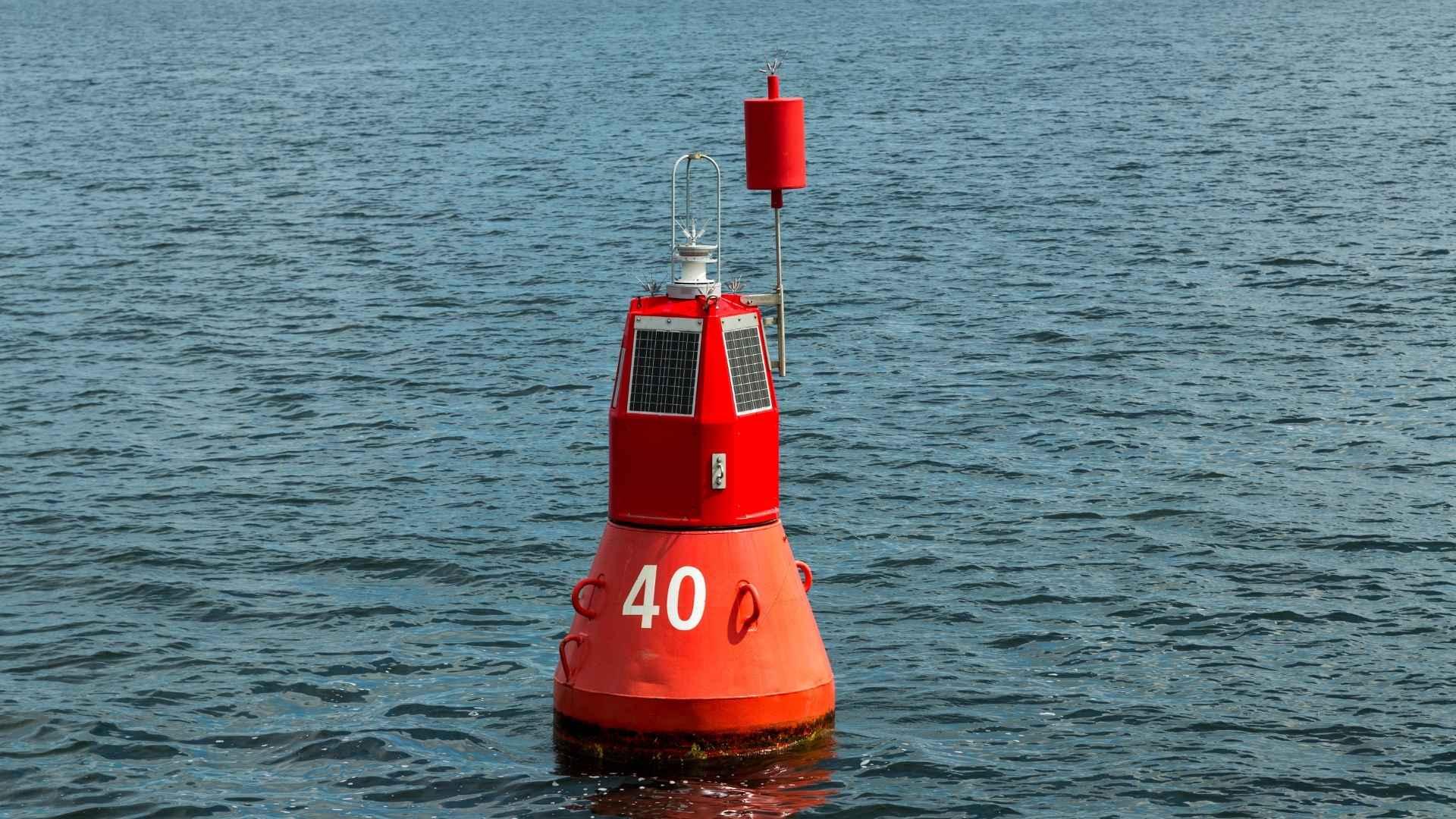
Proper navigation practices stand as the ultimate defense against these maritime threats. Understanding how to read the water, monitor electronic instruments, and interpret physical markers keeps vessels out of danger. For example, knowing the exact meaning behind different types of buoy systems allows captains to avoid submerged rocks and shallow sandbars.
This article explores the most frequent maritime accidents and details how strong navigation skills mitigate these risks. We will examine collisions, groundings, communication failures, and man-overboard emergencies. By mastering these navigational principles, you will protect your crew and ensure safe passage across any waterway.
The Reality of Vessel Collisions
Ships colliding on the open water or in crowded channels represent a massive threat to maritime safety. These incidents often result in severe structural damage, devastating oil spills, and tragic loss of life. Collisions rarely happen due to a single mechanical failure. They usually stem from a chain of human errors, poor visibility, and a lack of situational awareness.
Root Causes of Collisions
Dense fog, heavy rain, and dark nights drastically reduce visual ranges. When crews fail to adjust their speed during poor visibility, they lose the critical time needed to alter their course safely. Without adequate time to react, a minor course deviation becomes a major emergency.
Additionally, heavy traffic in narrow shipping lanes forces massive vessels to operate in tight quarters. A delayed rudder command in these congested environments easily leads to a direct impact. Complacency on the bridge also plays a huge role, especially when crews rely entirely on autopilot systems instead of actively watching the horizon.
Navigational Strategies for Prevention
Active radar monitoring serves as the primary tool to prevent vessel collisions. Navigators must constantly adjust radar settings to track moving targets, calculate their speed, and determine their closest point of approach. The Automatic Identification System (AIS) supplements this data by transmitting real-time vessel information, including heading and destination.
However, technology must always pair with a sharp visual watch. Crews must apply the International Regulations for Preventing Collisions at Sea (COLREGs) universally. Navigators use these rules to establish right-of-way, ensuring both vessels understand who must alter course to maintain a safe distance.
Groundings and Shallow Water Hazards
A grounding happens when a vessel strikes the seabed, a coral reef, or an uncharted rock formation. This abrupt stop tears open hulls, destroys propulsion systems, and leaves ships stranded. Freeing a grounded vessel requires complex salvage operations and costs companies millions of dollars.
Why Groundings Happen
Many groundings occur because navigators rely entirely on outdated electronic charts. Sandbars shift continuously due to tidal currents and heavy storms. If a captain trusts an old chart and ignores physical depth markers, the ship will inevitably hit the bottom.
Fatigue also plays a major role in these accidents. Exhausted operators often drift outside of clearly marked shipping channels without realizing their error. When situational awareness drops, the vessel rapidly approaches dangerous, shallow waters.
Active Defensive Navigation
Preventing groundings requires continuous cross-referencing between electronic systems and your physical surroundings. Navigators must monitor the depth sounder constantly to verify the water depth matches the chart data. If the numbers diverge, the captain must slow the vessel immediately and reassess the route.
Plotting a safe course also means understanding local tidal patterns. Navigators calculate tidal heights to ensure they have enough under-keel clearance before passing through shallow straits. A safe navigator never assumes the water depth; they verify it through multiple reliable sources before proceeding.
Man-Overboard Emergencies
A crew member falling into the sea triggers one of the most time-sensitive crises in maritime operations. Cold water rapidly drains body heat, leading to hypothermia and severe exhaustion. Finding a single person in heavy swells tests the absolute limits of a crew's training and navigational precision.
The Speed of a Crisis
Man-overboard incidents often happen during routine, everyday tasks. Slippery decks, sudden vessel rolls, or parted lines can throw a sailor into the water without any warning. The moment someone goes over the rail, the crew must act instantly. Losing visual contact for even a few seconds makes recovery exponentially more difficult.
Navigating a Successful Rescue
Navigation dictates the success of a man-overboard recovery. The navigator must immediately press the MOB (Man Overboard) button on the GPS to mark the exact coordinates of the incident. This digital waypoint provides a definitive search datum, even if currents push the victim away from the initial spot.
The helm must execute a specific recovery turn, such as the Williamson turn or the Anderson turn. These established navigational maneuvers bring the vessel back along its original wake. This precision steering allows the crew to retrace their path and position the ship to safely pull the victim from the water.
Severe Weather and Heavy Seas
Nature presents the most uncontrollable variable in maritime operations. Hurricanes, rogue waves, and sudden squalls overwhelm unprepared vessels quickly. Ships that battle severe weather face structural failures, cargo loss, and catastrophic capsizing.
The Threat of Extreme Weather
Storms generate towering waves that can crush a ship's superstructure. High winds make steering incredibly difficult, pushing vessels far off their intended tracks. When massive waves strike a ship parallel to its side, the vessel rolls violently and risks turning completely over.
Weather Routing and Evasion
Modern navigation focuses heavily on weather routing to avoid storms entirely. Navigators analyze synoptic charts, track barometric pressure drops, and monitor satellite weather feeds. They use this critical data to alter their voyage plan days in advance, steering clear of developing storm systems.
If a vessel cannot outrun a storm, the navigator must calculate the safest angle to approach the waves. Steaming slowly into the swells, or keeping the seas on the bow, prevents the ship from taking damaging hits to its broadside. Navigational foresight keeps the vessel in the most favorable conditions possible.
Communication Breakdown and Navigational Errors
Clear communication acts as the invisible tether connecting ships, ports, and emergency services. When communication fails, situational awareness plummets. Many maritime accidents occur simply because two vessels misunderstood each other's navigational intentions.
The Cost of Miscommunication
Language barriers and poor radio discipline contribute heavily to maritime incidents. If a ship announces a port-to-port passing but the approaching vessel misunderstands, both ships might turn directly into each other. Without clear communication, navigational equipment alone cannot resolve the confusion.
Standardizing Maritime Communication
Navigators must adhere to standard marine vocabulary to eliminate ambiguity. Using the VHF radio effectively allows captains to broadcast their planned maneuvers well in advance. Cross-referencing radio agreements with AIS data ensures both vessels execute the exact same plan.
Furthermore, internal communication on the bridge proves just as critical. The practice of "closed-loop communication" ensures that when a captain gives a helm order, the helmsman repeats it back exactly. This simple protocol catches navigational errors before they alter the ship's course.
Equipment Failures and Loss of Propulsion
Even the most meticulously maintained engines can fail at sea. A sudden loss of propulsion leaves a vessel entirely at the mercy of the wind and currents. Without forward momentum, ships lose their ability to steer, transforming them into massive floating hazards.
The Dangers of Drifting
A drifting ship will naturally turn parallel to the waves, drastically increasing the risk of capsizing in rough weather. If an engine fails near a coastline, the currents will rapidly push the disabled vessel toward the rocks. Crews have a very narrow window of time to restore power or call for emergency towing.
Navigational Contingency Planning
Skilled navigators always establish contingency plans for loss of steering or power. They continuously plot their position and calculate the set and drift—the direction and speed the ocean current pushes them. By knowing exactly how fast they are drifting toward a hazard, they can give precise information to rescue tugs.
Navigators also deploy sea anchors to keep the bow pointed into the waves, stabilizing the vessel while mechanics work on the engines. They immediately broadcast a Pan-Pan or Mayday signal with their exact coordinates, ensuring nearby ships avoid colliding with their disabled vessel.
Conclusion
Maritime accidents bring severe consequences, but they are rarely inevitable. Diligent navigation practices provide the strongest defense against the chaotic nature of the open sea. By mastering radar systems, respecting physical markers, and preparing for emergencies, crews can prevent minor errors from becoming major disasters.
Take the time to review your vessel's navigational protocols and emergency response plans today. Ensure your electronic charts are fully updated and practice man-overboard maneuvers regularly with your crew. Continuous training and a deep respect for navigational standards will keep your vessel and everyone aboard secure on the water.
