


Global Health Crisis: Rising Temperatures and the Urgent Need for Heat Protection
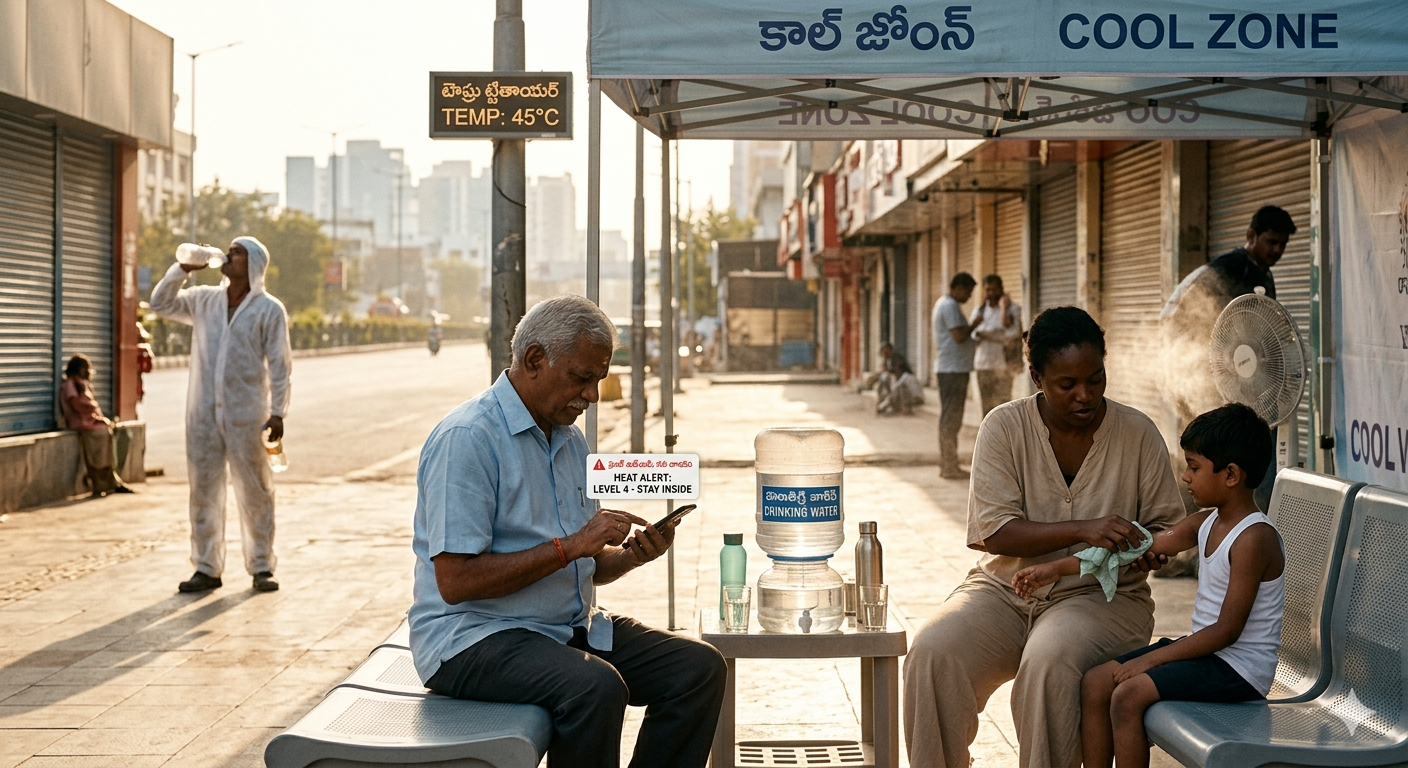
Geneva | May 1, 2026 — As global temperatures continue to climb, the World Health Organization (WHO) has issued a critical update on the escalating health risks posed by extreme heat. Termed a "silent killer," heat-related mortality for people over the age of 65 has surged by approximately 85% in recent decades.
With nearly 489,000 heat-related deaths occurring annually—the majority concentrated in Asia and Europe—health experts are urging the public to adopt immediate protective measures as a matter of survival.
The Health Impact: Beyond Dehydration
Extreme heat does more than cause discomfort; it acts as a severe physiological stressor that can turn underlying conditions into life-threatening emergencies.
-
Medical Emergencies: Heatstroke is a critical condition with a high fatality rate that requires immediate medical intervention.
-
Exacerbation of Disease: High temperatures significantly worsen chronic illnesses, including cardiovascular, respiratory, and renal diseases, as well as diabetes and mental health conditions.
-
Vulnerable Populations: Individuals over 65, those living alone, and young children are at the highest risk of severe complications.
WHO Guidelines: How to Protect Yourself
To combat these risks, the WHO has outlined a comprehensive strategy for personal and environmental safety during heatwaves.
1. Keep Your Body Cool and Hydrated
-
Drink water regularly, aiming for approximately one cup per hour and a total of 2–3 liters daily.
-
Wear light, loose-fitting clothing and take cool showers or use cold packs to lower body temperature.
-
Avoid strenuous physical activity and stay indoors during the peak heat of the day.
2. Manage Your Living Space
-
Daytime Shielding: Keep windows, blinds, and shutters closed during the day to block direct sunlight.
-
Nighttime Ventilation: Open windows at night when outdoor temperatures have dropped to allow cool air to circulate.
-
Strategic Fan Use: Only use electric fans if the temperature is below 40°C (104°F); above this level, fans can actually increase heat stress on the body.
3. Critical Care for Children
-
Vehicle Safety: Never leave children or animals in parked vehicles, as temperatures can reach lethal levels in minutes.
-
Stroller Protection: Avoid covering strollers with dry fabric, which traps heat; instead, use a thin, wet cloth to create a cooling effect through evaporation.
A Call for Community Vigilance
The WHO emphasizes that heat protection is a collective responsibility. Checking on elderly neighbors or those with pre-existing conditions can be the difference between life and death during a heatwave. As urban centers become "heat islands," staying informed through local weather alerts and following these evidence-based protocols is essential for public health in 2026.
