


Nutritional Diet for Achalasia: A Complete Guide
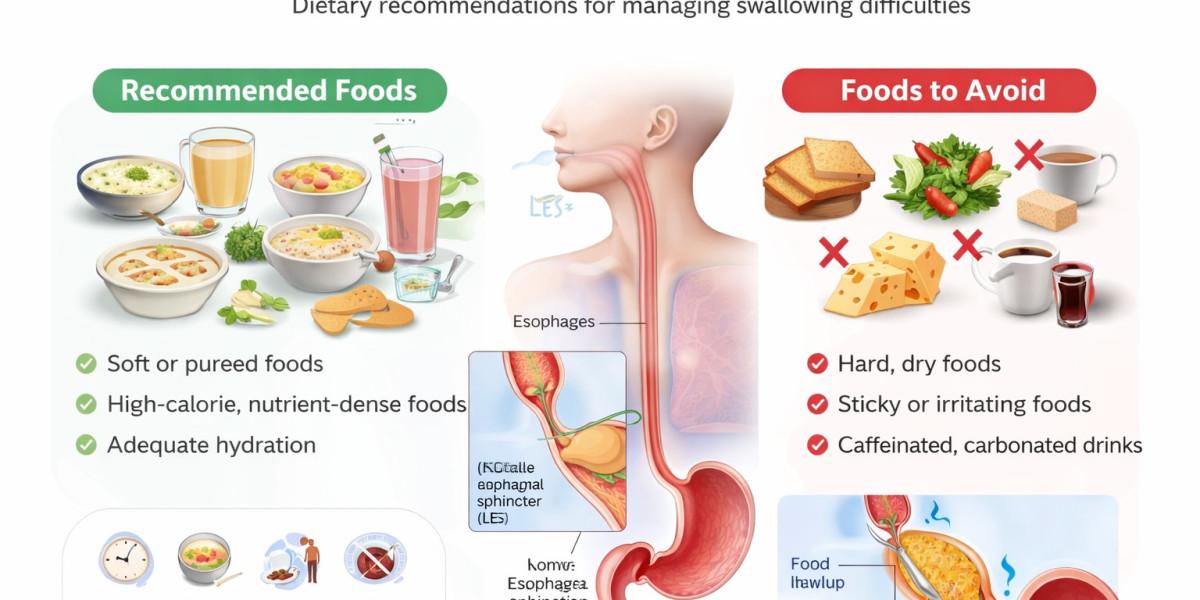
Achalasia is a rare digestive condition in which the lower esophageal sphincter (LES) fails to relax properly, making it difficult for food and liquids to pass into the stomach. This results in symptoms such as difficulty swallowing (dysphagia), regurgitation, chest pain etc.
Nutrition plays a critical role in managing achalasia, improving swallowing comfort, and preventing malnutrition.
Goals of Nutritional Management
A proper diet for achalasia focuses on:
-
Enhancing ease of swallowing
-
Preventing food obstruction
-
Maintaining adequate calorie and nutrient intake
-
Reducing irritation to the esophagus
Recommended Diet Plan
1. Soft and Semi-Liquid Foods
Soft foods are easier to swallow and reduce the risk of food getting stuck.
Examples:
-
Porridge (rice, oats, millet-based)
-
Khichdi and दलिया (broken wheat)
-
Mashed vegetables (carrot, pumpkin, potato)
-
Smooth soups (vegetable, lentil)
-
Yogurt and buttermilk
-
Smoothies and protein shakes
2. Pureed and Blended Foods
Blended foods help patients with severe swallowing difficulty.
Examples:
-
Pureed fruits (banana, apple sauce)
-
Blended dal (lentils)
-
Vegetable purees
-
Smooth nut pastes (in moderation)
3. High-Calorie, Nutrient-Dense Foods
Since achalasia can lead to weight loss, focus on calorie-rich options.
Examples:
-
Healthy fats (ghee, coconut oil)
-
Nut butters
-
Avocado
-
Full-fat dairy products
4. Adequate Hydration
Liquids help push food down the esophagus.
Tips:
-
Sip warm water during meals
-
Herbal teas can soothe the esophagus
-
Avoid very cold or carbonated drinks
Foods to Avoid
❌ Hard and Dry Foods
-
Dry chapati
-
Toast, biscuits
-
Raw vegetables
❌ Sticky Foods
-
Peanut butter (thick)
-
Cheese chunks
❌ Spicy and Irritating Foods
-
Excess chili
-
Deep-fried items
-
Acidic foods (excess citrus, vinegar)
❌ Caffeinated and Carbonated Drinks
-
Coffee
-
Soda
Eating Habits and Lifestyle Tips
✔ Eat Slowly
Chew food thoroughly to make swallowing easier.
✔ Small, Frequent Meals
Helps prevent overloading the esophagus.
✔ Upright Position
-
Eat while sitting straight
-
Stay upright for at least 30–60 minutes after meals
✔ Drink Fluids with Meals
Helps move food into the stomach.
✔ Meal Timing
Avoid eating 2–3 hours before bedtime to reduce regurgitation.
Sample One-Day Diet Plan
Early Morning
-
Warm water with a pinch of turmeric
Breakfast
-
Oats porridge with milk
-
Banana smoothie
Mid-Morning
-
Buttermilk or fruit puree
Lunch
-
Soft khichdi with ghee
-
Mashed vegetables
-
Thin dal
Evening Snack
-
Herbal tea
-
Soft idli with chutney
Dinner
-
Vegetable soup
-
Soft Daliya or porridge
Before Bed
-
Warm milk
Nutritional Deficiencies to Watch
Patients with achalasia may develop:
-
Protein deficiency
-
Vitamin B12 deficiency
-
Iron deficiency
Supplementation may be required under medical supervision.
When to Consult a Doctor
Seek medical advice if:
-
Severe weight loss occurs
-
Frequent choking or regurgitation
-
Inability to swallow liquids
Treatment options may include procedures like dilation or surgery to improve swallowing.
Conclusion
Managing Achalasia requires a thoughtful, patient-specific diet plan focused on soft, nutritious, and easy-to-swallow foods. Combined with proper eating habits and medical care, a well-balanced diet can significantly improve quality of life and nutritional status.
