


How Cardboard Revolutionized the Packaging Industry
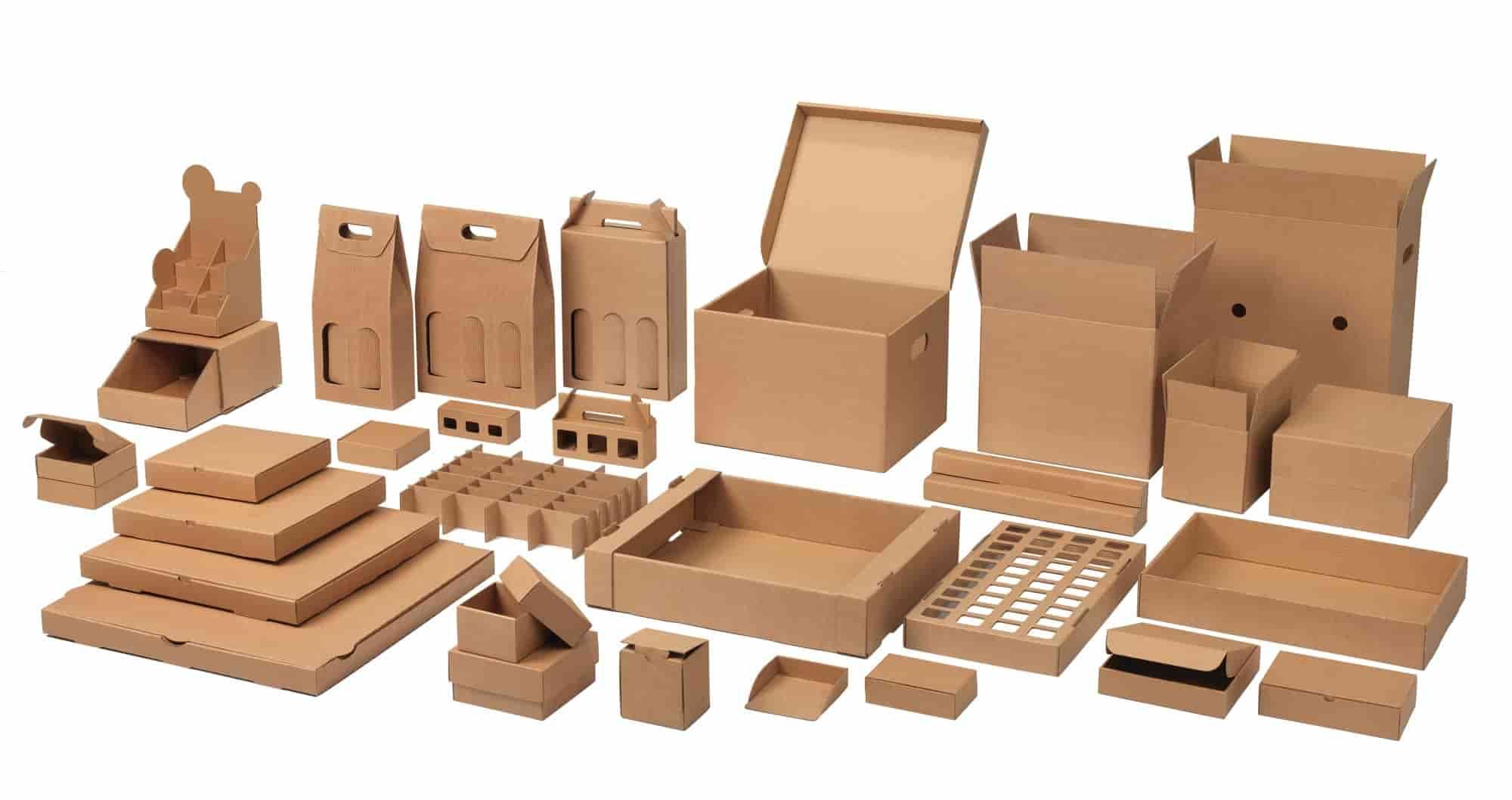
Packaging has played a crucial role in commerce for centuries, helping businesses protect products, improve transportation, and enhance customer experiences. Among the many materials used throughout packaging history, cardboard stands out as one of the most transformative innovations. Its affordability, versatility, durability, and sustainability have made it an essential component of modern packaging systems across countless industries.
The evolution of cardboard packaging marked a turning point in how products were stored, shipped, and presented. From simple paper-based structures to advanced corrugated packaging solutions, cardboard has continuously adapted to meet the growing demands of manufacturers, retailers, and consumers. Today, it remains one of the most widely used packaging materials worldwide.
The Early Origins of Cardboard
Cardboard traces its roots back to the development of paperboard materials during the nineteenth century. As industrialization accelerated and trade expanded, businesses needed stronger and more efficient packaging solutions than traditional wooden crates and cloth wrapping.
Early paperboard products offered several advantages:
- Lightweight construction
- Easier handling
- Lower transportation costs
- Improved printing capabilities
These benefits laid the foundation for future packaging innovations.
The Introduction of Corrugated Cardboard
One of the most important milestones in packaging history was the invention of corrugated cardboard. By adding a fluted layer between flat paper sheets, manufacturers created a stronger material capable of withstanding greater pressure and impact.
Corrugated cardboard quickly gained popularity because it offered:
- Enhanced durability
- Better product protection
- Reduced shipping damage
- Improved stacking strength
This innovation transformed product transportation and storage across numerous industries.
How Cardboard Changed Product Distribution
Before cardboard became widely available, businesses relied heavily on wooden containers, which were often expensive, heavy, and difficult to handle. Cardboard provided a more practical alternative that streamlined logistics operations.
Benefits of cardboard in distribution included:
- Lower shipping costs
- Faster packaging processes
- Increased transportation efficiency
- Reduced product damage
These improvements helped businesses expand into new markets while improving overall operational performance.
Supporting the Growth of Retail Packaging
As retail markets expanded, packaging became more than a protective solution—it also became a marketing tool. Cardboard offered excellent printability, allowing brands to display logos, product information, and promotional graphics directly on packaging.
The growth of the cardboard packaging industry helped businesses:
- Improve product presentation
- Strengthen brand recognition
- Communicate product information
- Increase shelf appeal
Packaging evolved into an important element of customer engagement and brand identity.
Advancements in Cardboard Box Design
Over time, manufacturers developed new packaging styles and structures to accommodate different product categories and market needs. These innovations contributed significantly to cardboard box development and expanded the versatility of cardboard packaging.
Modern cardboard packaging includes:
- Folding cartons
- Corrugated shipping boxes
- Retail display packaging
- Subscription boxes
- Custom product packaging
These solutions support a wide variety of industries, from food and retail to electronics and healthcare.
The Environmental Benefits of Cardboard
As environmental awareness has increased, cardboard has gained recognition as one of the most sustainable packaging materials available. Its recyclable nature and renewable sourcing make it an attractive option for businesses seeking environmentally responsible packaging solutions.
Advantages of sustainable cardboard packaging include:
- High recyclability
- Reduced environmental impact
- Renewable raw materials
- Lower carbon footprint
These benefits have helped cardboard remain relevant in a market increasingly focused on sustainability.
The Importance of Paperboard Packaging History
Understanding paperboard packaging history provides valuable insight into how packaging technologies have evolved over time. The transition from simple paperboard materials to sophisticated packaging systems reflects the industry's ability to adapt to changing consumer needs and business requirements.
Throughout its history, cardboard has consistently delivered:
- Cost-effective packaging solutions
- Reliable product protection
- Branding opportunities
- Environmental benefits
Its versatility continues to support innovation across global supply chains.
Cardboard's Role in Modern E-Commerce
The rise of e-commerce has further increased the importance of cardboard packaging. Online retailers depend on strong, lightweight packaging materials to protect products throughout complex shipping networks.
Cardboard packaging supports e-commerce by:
- Reducing shipping costs
- Improving product protection
- Enhancing unboxing experiences
- Supporting sustainable business practices
Its adaptability makes it ideal for modern retail environments.
Looking Ahead: The Future of Cardboard Packaging
The packaging industry continues to innovate, but cardboard remains at the center of many advancements. New manufacturing techniques, sustainable materials, and smart packaging technologies are expanding its capabilities even further.
Businesses working with Your Box Packaging can take advantage of modern cardboard packaging solutions that combine functionality, sustainability, and branding opportunities. Through innovative designs and customized approaches, Your Box Packaging demonstrates how cardboard continues to evolve alongside changing market demands.
Conclusion
Cardboard has revolutionized the packaging industry by providing a lightweight, durable, cost-effective, and environmentally responsible solution for businesses worldwide. From its early beginnings to its role in today's global supply chains, cardboard has consistently transformed how products are packaged, transported, and presented.
The ongoing evolution of cardboard packaging, combined with advancements in the cardboard packaging industry, innovations in sustainable cardboard packaging, lessons from paperboard packaging history, and continued cardboard box development, ensures that cardboard will remain one of the most important packaging materials for generations to come.
