


Solar Panel Cleaning Cost in Saddar Cantt Explained
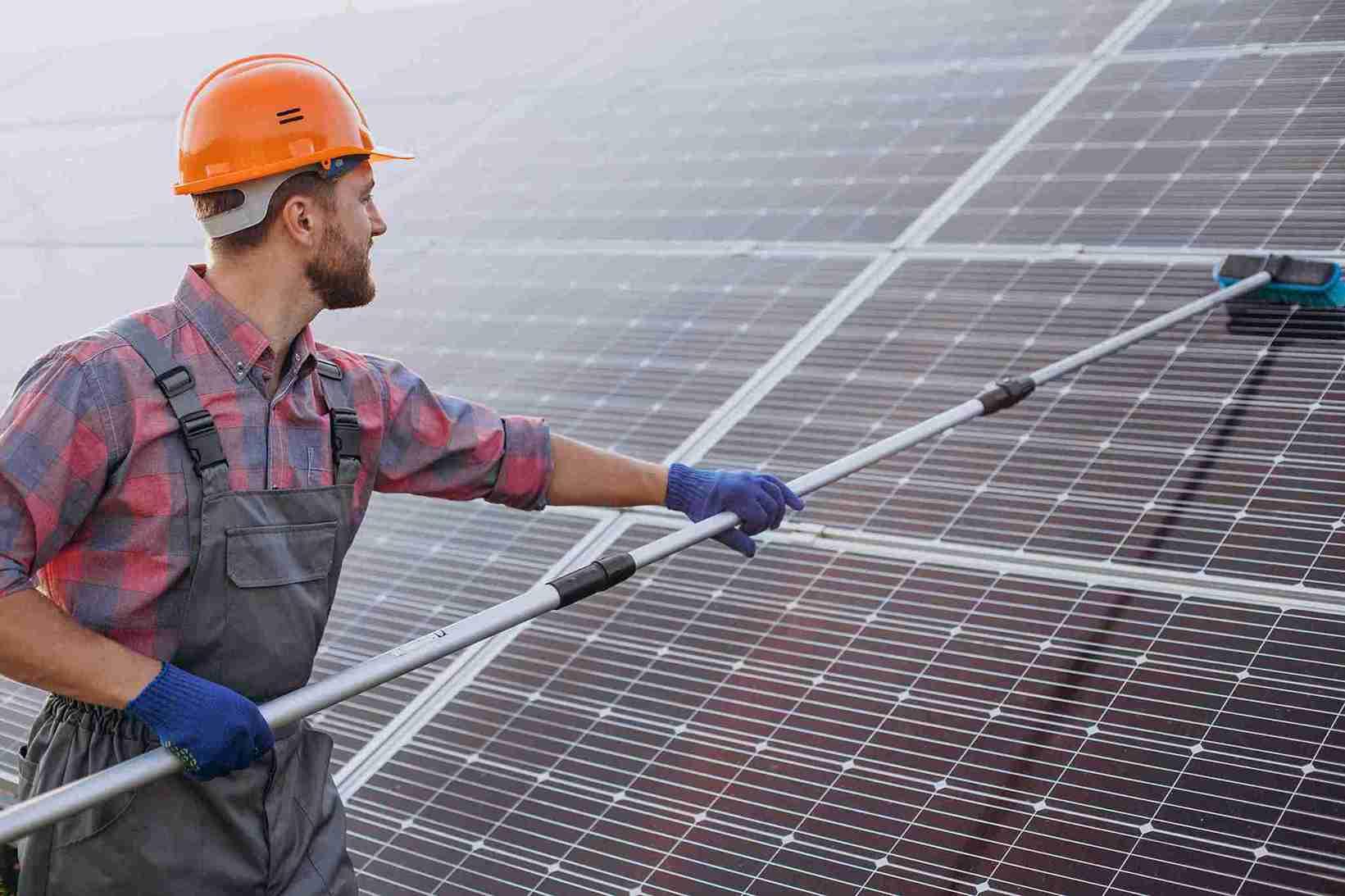
Saddar Cantt households and small commercial sites often ask the same thing: what is a fair solar panel cleaning cost, and what should that price include? There is no flat answer, because a ten-panel home system on an open roof is a different job from a dust-covered array behind a water tank or above a busy shop.
For readers searching for affordable price solar plate cleaning services in Saddar Cantt, the useful question is not “who charges the least?” It is whether the cleaning protects the system, improves usable light exposure, and does not require a second visit because the first was rushed.
What determines the price of panel cleaning?
Solar panel cleaning cost is shaped by panel quantity, roof access, dirt level, water availability, and whether the visit includes a basic condition check. Solar plate cleaning is the local term many homeowners use for cleaning photovoltaic solar panels; the job should remove surface dirt without scratching glass, damaging frames, or disturbing electrical connections.
Panel count is the starting point, but layout matters just as much. Panels split across roof levels, installed close to parapet walls, or placed around water tanks require slower work. A technician should not climb over modules or drag a hose across panel edges just to finish quickly.
Dirt type changes the effort. Lahore’s dry spells can leave a fine grey film, while nearby construction, tree pollen, bird droppings, and mineral-heavy splashes create tougher spots. Loose dust generally needs a controlled rinse and soft brush pass. Dried droppings should be soaked first; dry scrubbing is how glass gets needlessly marked.
Safe access also affects the price. A ground-floor home with a clear stairway is not comparable with a multi-storey property needing a narrow ladder route. Fair pricing is the time, equipment, water control, and risk required to complete the job properly.
Why Saddar Cantt roofs need careful cleaning
Saddar Cantt sites need more planning because older roof edges, nearby trees, and mixed residential-commercial blocks can complicate access. Panels may collect road dust from surrounding traffic, but they can also sit near shade where leaves and droppings collect.
The first step is a visual check from a safe access point. The cleaner should look for cracked glass, loose clamps, exposed cable routes, standing water, and heavily shaded modules before any water is used. Cleaning a damaged panel does not repair it, and spraying near a compromised junction box is reckless.
Water quality matters too. Tap water can leave mineral marks if it dries quickly on hot glass. A low-pressure rinse, clean soft brush, and proper squeegee technique reduce residue far better than a bucket-and-rag approach. High-pressure washers are generally unsuitable because they can force water into seals, disturb cable-area debris, or stress weak points.
Morning or late-afternoon cleaning is usually easier on roofs facing strong sun. The glass is cooler, water does not evaporate as fast, and streaks are easier to spot.
What should an affordable visit include?
An affordable visit should include safe surface cleaning, a basic condition check, and an honest explanation of anything needing repair. Cheap work gets expensive when it leaves abrasive dirt behind, ignores a loose cable, or damages a panel frame.
A sensible visit normally includes:
- A visual assessment of glass, frames, mounting points, and visible wiring.
- Controlled low-pressure rinsing suited to the roof setup.
- Soft, non-abrasive brushes or microfiber tools.
- Soaking and spot treatment for bird droppings and stubborn grime.
- A final check for streaks, missed corners, and obvious physical damage.
AfinitySolar treats cleaning as a maintenance task with limits: it can improve light exposure, but it cannot repair damaged cells, faulty inverters, shaded strings, or electrical faults. That distinction matters when a homeowner expects washing to solve a production issue caused by something else.
Ask what the provider excludes. Inverter diagnostics, electrical repairs, broken clamps, and tree work are separate jobs. A clear scope makes quote comparisons far less messy.
How should you compare low quotes?
The lowest quote is only affordable if it is completed safely and does not create a fresh problem. Compare the scope, not only the amount in a WhatsApp message.
Before agreeing, compare the solar panel cleaning cost against the complete job scope, not a bare figure with no method behind it.
Confirm the panel count, roof areas, access arrangements, water supply, and treatment of stubborn marks. Then ask what tools are used, how the crew avoids stepping on panels, and whether visible cables are checked before wet cleaning. Vague answers usually signal a vague job. Tiny violin for the “special price” that excludes half the roof.
Use four checks:
- Scope: panel count, roof areas, access, and visible dirt type.
- Method: soft brush, controlled water use, and no abrasive pads.
- Safety: stable access, cable awareness, and no walking on modules.
- Result: clean glass, no obvious streaks, and a note of visible issues.
An automatic solar panel cleaning system Saddar Cantt homeowners may be considering needs a reality check. Automation can reduce routine dust on large, regular arrays, but it is not automatically economical for a small home system. Equipment, fitting, water use, and maintenance can outweigh the benefit on a modest or irregular roof.
Does equipment make cleaning better?
Equipment helps only when it matches the array and is handled properly. A solar panel cleaning machine can be useful on large, uniform installations, but it is not automatically safer or more effective than trained manual cleaning.
Mechanical brushes and water-fed pole systems can improve consistency on long commercial rows. Yet the operator still needs the right brush material, pressure control, and route around cables and frames. For a smaller Saddar Cantt roof, manual work with professional tools is often more precise around vents, narrow gaps, and uneven roof surfaces.
The objective is boring but correct: clean glass, no damage, and no wasted water. Fancy gear is irrelevant when the method is wrong.
How can homeowners clean panels safely?
The best way to clean solar panels is to use cool, low-pressure water, soft non-abrasive tools, and safe roof access while avoiding harsh chemicals, pressure washers, and dry scrubbing. This removes everyday dust without creating scratches or mineral streaks.
Only attempt DIY cleaning when roof access is genuinely safe. That means stable entry, no risky ladder setup, no wet tiles, and no need to lean across a panel row. If panels are high, close to an edge, or surrounded by obstructions, the supposed saving is not worth a fall.
Use this sequence:
- Check for cracks, loose cables, or signs of damage.
- Choose a cooler time so water does not flash-dry on glass.
- Rinse loose dust before touching the surface.
- Use a soft brush or microfiber tool with clean water.
- Soften stubborn droppings rather than scraping them dry.
- Check for streaks and keep water away from damaged electrical parts.
The solar panel cleaning benefits are clearest where dirt blocks light: cleaner glass can help maintain output and makes damage easier to notice. It cannot create power beyond the system’s design or remove shading from trees, nearby structures, or a failing inverter. Anyone promising that is selling fairy dust with a hose.
How often should panels be cleaned?
Most Saddar Cantt systems benefit from a visual inspection every few months, while cleaning frequency should follow visible soiling, construction activity, trees, bird activity, and changes in energy output. A monthly schedule is not needed for every roof, but waiting until panels look filthy is also poor practice.
Inspect after dusty periods and before peak summer demand. Look for a dull film, patchy residue, leaf buildup at lower edges, or fresh droppings. Compare recent generation figures with the system’s usual seasonal pattern, not one random clear day. Cloud cover, heat, inverter behaviour, and shade all affect output.
A home near active renovation or roadworks may need cleaning sooner than a quieter property. Panels beneath trees may need attention after leaf shedding or during periods of heavy bird activity. The roof tells you more than a generic calendar.
Common questions about panel cleaning
Can cleaning increase electricity generation?
Cleaning can improve generation when dust, droppings, or residue block light. The result varies by soiling level, weather, shade, system design, and equipment condition.
Is rain enough to clean solar panels?
Rain can rinse loose dust, but it rarely removes sticky residue, bird droppings, mineral marks, or grime caught around lower edges. Rain is a rinse, not a cleaning plan.
Can a cleaner walk on solar panels?
No. Panels are not roof tiles or walking platforms. Standing on them risks glass damage, cell stress, frame distortion, and personal injury.
A sensible solar panel cleaning cost is not about accepting the cheapest possible visit. It means matching the method to the roof, dirt, and system layout, then knowing exactly what the price covers.
For Saddar Cantt homeowners, the practical standard is straightforward: safe access, low-pressure cleaning, soft tools, no exaggerated output promises, and a clear note of anything needing more than washing. That is how an affordable service remains affordable after the crew leaves.
