


Top Luxury Fashion Brands in the World
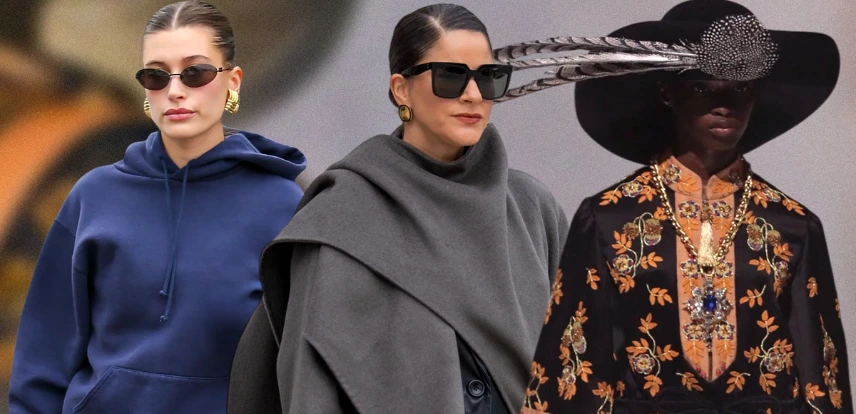
The global luxury market is experiencing a massive transformation. Consumer preferences are shifting from loud, logo-heavy apparel to quiet luxury and scarcity-driven investments. For fashion enthusiasts and market analysts alike, understanding who owns the current landscape requires looking closely at brand valuation, heritage preservation, and creative direction.
This analytical breakdown profiles the industry leaders dominating the global market based on financial performance, consumer demand, and authority among top luxury fashion brands
1. Louis Vuitton: The Undisputed King of Leather Goods
Louis Vuitton maintains its historic position at the apex of luxury. Founded in 1854 as a master trunk-maker, the French house successfully leveraged its signature monogram canvas into a multi-billion-dollar empire spanning ready-to-wear, accessories, and travel goods.
Market Influence and Valuation
The centerpiece of the LVMH conglomerate, Louis Vuitton dominates global luxury market share. The brand commands a massive valuation driven by an extensive global retail footprint and absolute control over distribution. Louis Vuitton never holds sales or operates outlet stores, which preserves the secondary market value of its core products.
Strategic Product Drivers
-
The Monogram Icons: The Speedy, Neverfull, and Keepall bags remain structural pillars of the brand's financial health.
-
Cultural Collaborations: By bridging the gap between historical heritage and contemporary street culture, the house attracts a continuous stream of younger, affluent buyers.
2. Chanel: The Power of Scarcity and Price Aggression
Chanel operates as a privately held powerhouse, allowing the maison to execute long-term strategies without the pressure of quarterly public reporting. The brand recently recorded massive valuation growth, moving firmly into the top tier of apparel rankings worldwide.
Creative Transformation
The appointment of high-profile creative leadership to helm the brand's legacy has revitalized classic codes. The collections balance relaxed modern proportions with the rigorous tailoring requirements of haute couture.
The Investment Grade Strategy
Chanel continues to implement aggressive pricing strategies on classic inventory. The price of the Medium Classic Flap bag has climbed significantly, positioning the item alongside fine jewelry as a legitimate store of asset value. This calculated scarcity limits production while optimizing profit margins.
3. Hermès: Unrivaled Margin Control and Pure Exclusivity
Hermès represents the purest execution of luxury supply management. Founded in 1837 as a harness and saddlery workshop, the independent French house boasts the highest operating margins in the entire fashion industry.
Hermès Strategy: High Artisanal Craftsmanship combined with Strict Production Caps equals Perpetual Secondary Market Value
Demand Management
Hermès does not use traditional marketing to drive volume. Instead, the company caps production on its highly coveted Birkin and Kelly bags. This strategy creates a global waiting list culture where demand permanently outstrips supply, insulating the house from broader economic downturns.
Core Value Anchors
-
The Silk and Leather Heritage: Every leather item is hand-stitched by individual artisans in France, emphasizing human craft over automated manufacturing.
-
Resale Liquidity: Due to extreme retail scarcity, pre-owned Hermès bags frequently trade at substantial premiums on the secondary auction market.
4. Dior: The Global Benchmark for Brand Strength
Dior represents the operational masterpiece of modern luxury storytelling. The brand seamlessly connects its distinct divisions including haute couture, menswear, leather goods, and beauty into a singular, highly profitable narrative.
Creative Dominance
Dior secured a major industry victory by consolidating its creative direction under visionary leadership capable of driving both critical acclaim and commercial volume. The brand's runway presentations successfully capture online attention, solidifying Dior as a dominant luxury fashion house across digital channels.
Retail and Commercial Power
The iconic Lady Dior and Saddle bags remain highly resilient revenue drivers. Backed by the massive infrastructure of LVMH, Dior maintains flawless supply chains and high-profile flagship locations in every primary global market.
5. Gucci: Navigating the Creative Reset
Gucci remains a critical player in the global market, though the Italian house is currently navigating a major transitional phase. Owned by the Kering group, the brand is recalibrating after years of explosive, logo-centric maximalism.
The Shift to Timelessness
Gucci is intentionally moving away from short-term streetwear trends to focus on heritage leather goods and sophisticated tailoring. This structural pivot aims to recapture traditional luxury consumers who prioritize understated elegance over temporary fashion statements.
Core Historical Pillars
-
Florentine Craftsmanship: The iconic double-G logo and green-red-green signature stripes keep the brand rooted in 1920s Italian refinement.
-
The Bamboo Archive: Reimagined archive collections, like the Gucci Bamboo and Jackie bags, serve as stabilizing financial assets during the brand's design evolution.
6. Prada: The Intellectual Leader of Modern Fashion
Prada occupies a unique position as the conceptual trendsetter of high fashion. The Milanese house specializes in a minimalist, intellectual aesthetic that consistently anticipates global design movements.
Commercial Resilience
Prada's financial strength relies heavily on its innovative use of materials. The signature line of functional, industrial nylon bags and outerwear has become an industry staple, proving that luxury can be utilitarian.
Miu Miu Expansion
The Prada Group's overall market share is further amplified by the explosive growth of its sister brand, Miu Miu. By capturing the current cultural zeitgeist, Miu Miu serves as an incredibly effective vehicle for high-margin youth apparel and accessories.
Market Positioning and Core Strategic Vectors
Understanding how these elite fashion houses compare requires looking closely at their unique operational models and core aesthetics.
-
Louis Vuitton relies heavily on massive global scale and volume, operating under the public LVMH umbrella with a core aesthetic rooted in monogram luxury.
-
Chanel drives its business through immense pricing power and a highly profitable fragrance division, maintaining a private corporate structure and a classic, elegant design language.
-
Hermès thrives on absolute scarcity and high-end leather heritage, remaining independent while focusing purely on traditional craftsmanship.
-
Dior leverages digital strength and a robust beauty division, utilizing the public infrastructure of LVMH to promote its iconic feminine couture.
-
Gucci relies on its historic global footprint under the public Kering group, currently executing a transitional strategy to redefine its classic Italian aesthetic.
-
Prada champions material innovation under the public Prada Group, setting industry trends through its highly intellectual, minimalist design approach.
Frequently Asked Questions
Which Is the Most Valuable Luxury Fashion Brand in the World?
Louis Vuitton currently holds the title of the most valuable luxury fashion brand globally, with a brand valuation exceeding 40 billion dollars. The brand's financial dominance is sustained by its massive global retail network and the enduring popularity of its core monogram leather collections.
Why Do Brands Like Hermès and Chanel Keep Increasing Their Prices?
Hermès and Chanel use aggressive pricing strategies to protect their exclusivity and brand equity. By raising prices and capping production volumes, these fashion houses ensure their products remain elite status symbols, while simultaneously boosting secondary market investment value.
What Is Driving the Transition of Luxury Brands Toward Understated Designs?
The global shift toward understated luxury is a direct response to consumer fatigue over loud logos and rapid trend cycles. High-net-worth individuals are shifting their capital toward timeless, high-quality pieces that retain value, forcing historic fashion houses to prioritize heritage over temporary hype.
Follow VestureDebate for more brand comparisons, buying guides, and practical fashion insights designed to help you make better wardrobe decisions.
