


Directory
Browse the SeshtaConnect Directory: Find professionals, courses, job listings, and groups. Discover new connections to ignite your career and personal growth.
-
Please log in to like, share and comment!
-
0 Comments 0 Shares 2 Views 0 Reviews
-
0 Comments 0 Shares 1 Views 0 Reviews
-
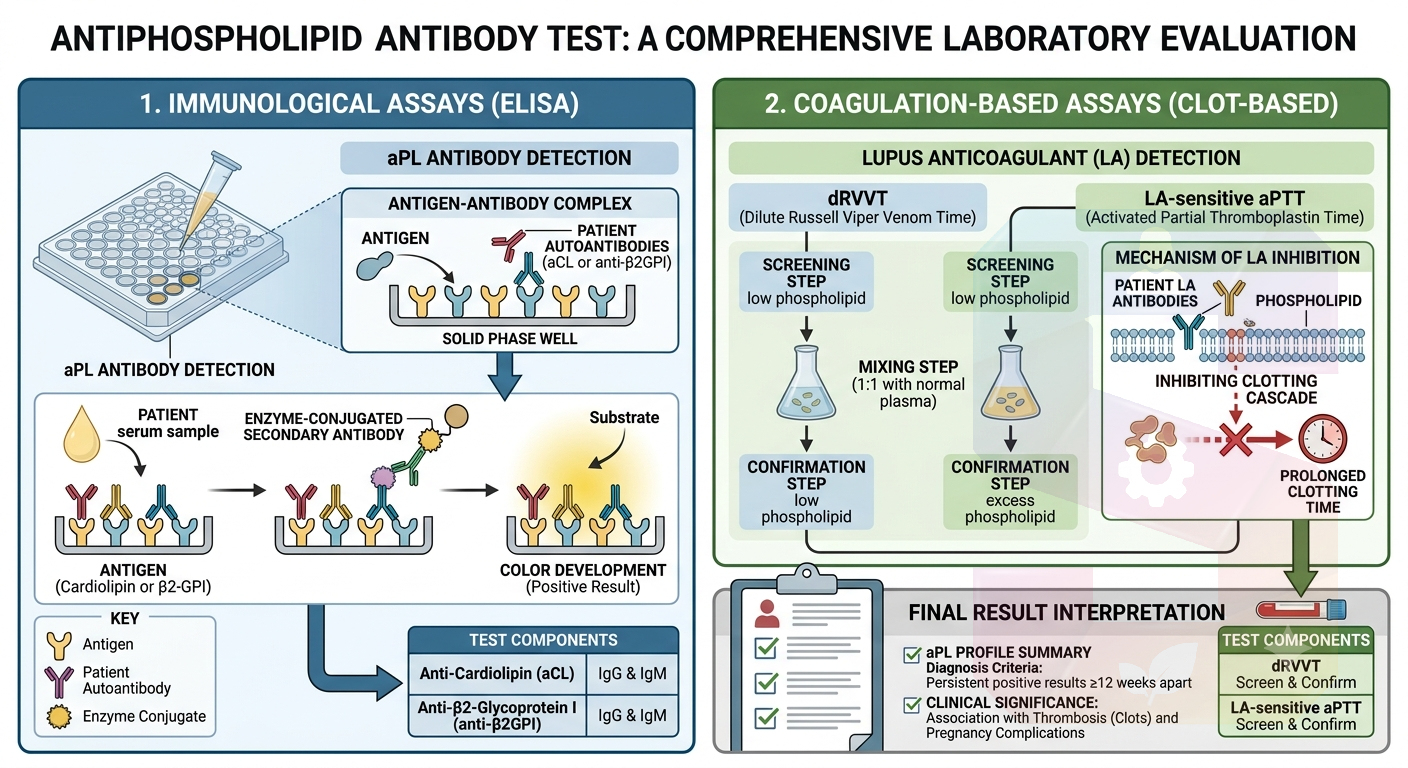
Anti Phospholipid antibody (APL) IGG New825.00₹In stockAll over India0 ReviewsThe Anti-Phospholipid Antibody (APLA) Test is a blood test used to detect antibodies that mistakenly attack the body's own phospholipids, increasing the risk of abnormal blood clotting. It helps diagnose Antiphospholipid Syndrome (APS), a condition associated with deep vein thrombosis, stroke, recurrent miscarriages, and certain autoimmune disorders such as lupus. Doctors may recommend this test for people with unexplained blood clots or repeated pregnancy loss. Early detection supports timely treatment, helping reduce complications and improve long-term health outcomes. The Anti-Phospholipid Antibody Test plays an important role in evaluating clotting disorders and guiding appropriate medical care.The Anti-Phospholipid Antibody (APLA) Test is a blood test used to detect antibodies that mistakenly attack the body's own phospholipids, increasing the risk of abnormal blood clotting. It helps diagnose Antiphospholipid Syndrome (APS), a condition associated with deep vein thrombosis, stroke, recurrent miscarriages, and certain autoimmune disorders such as lupus. Doctors may recommend this test for people with unexplained blood clots or repeated pregnancy loss. Early detection supports timely treatment, helping reduce complications and improve long-term health outcomes. The Anti-Phospholipid Antibody Test plays an important role in evaluating clotting disorders and guiding appropriate medical care.0 Comments 0 Shares 521 Views 0 Reviews
-
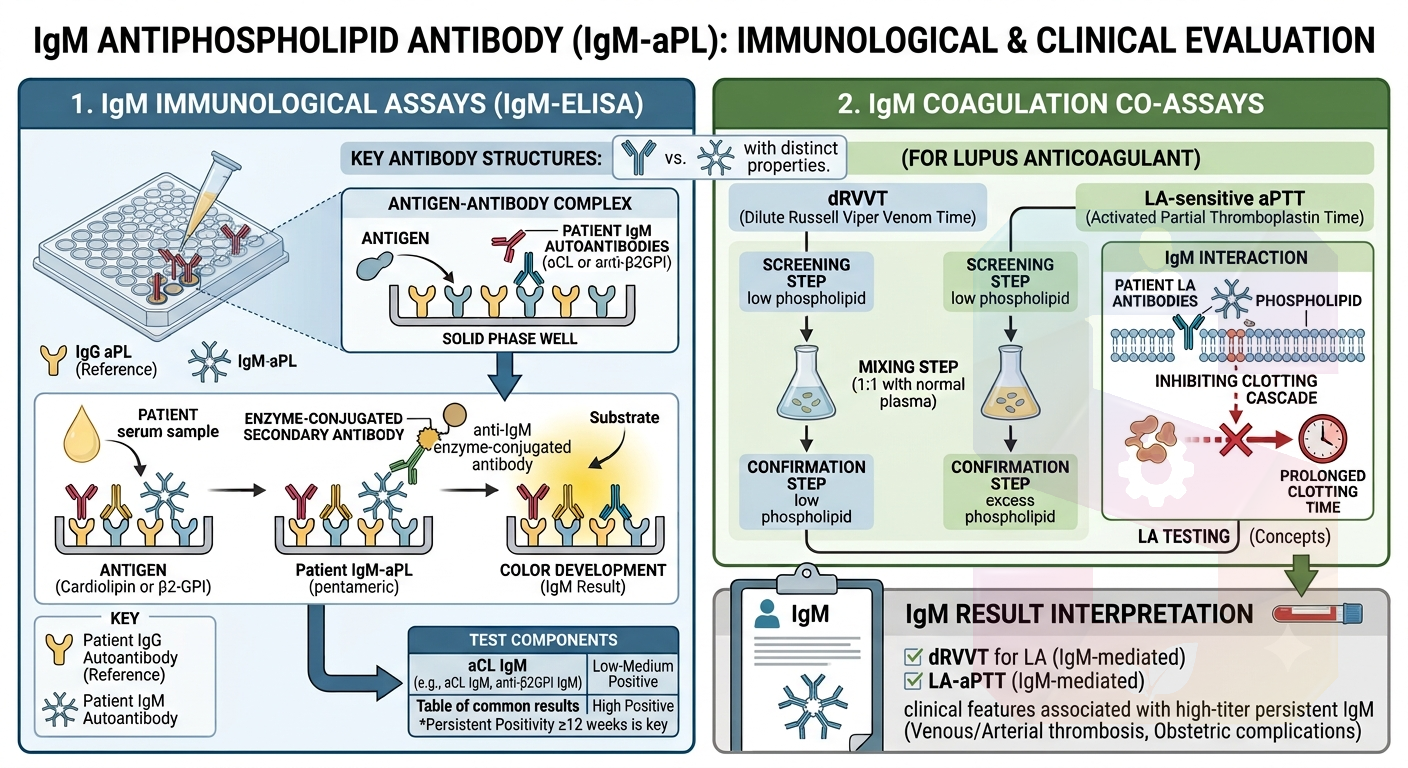
Anti Phospholipid antibody APL IGM New825.00₹In stockAll over India0 Reviews### **Anti-Phospholipid Antibody IgM**
**Anti-phospholipid IgM** is an autoantibody produced by the immune system that mistakenly targets the body's own cell membrane lipids and associated proteins.
* **Diagnostic Role:** It serves as a primary laboratory marker for diagnosing **Antiphospholipid Syndrome (APS)**, a systemic autoimmune disorder.
* **Associated Risks:** Elevated IgM levels are strongly linked to an increased risk of abnormal blood clots (thrombosis) and recurrent pregnancy complications.
* **Testing Protocol:** Clinicians typically test IgM alongside IgG antibodies. To confirm an APS diagnosis, a positive result must remain persistent when re-tested at least **12 weeks** apart to rule out transient elevations.### **Anti-Phospholipid Antibody IgM** **Anti-phospholipid IgM** is an autoantibody produced by the immune system that mistakenly targets the body's own cell membrane lipids and associated proteins. * **Diagnostic Role:** It serves as a primary laboratory marker for diagnosing **Antiphospholipid Syndrome (APS)**, a systemic autoimmune disorder. * **Associated Risks:** Elevated IgM levels are strongly linked to an increased risk of abnormal blood clots (thrombosis) and recurrent pregnancy complications. * **Testing Protocol:** Clinicians typically test IgM alongside IgG antibodies. To confirm an APS diagnosis, a positive result must remain persistent when re-tested at least **12 weeks** apart to rule out transient elevations.0 Comments 0 Shares 497 Views 0 Reviews -
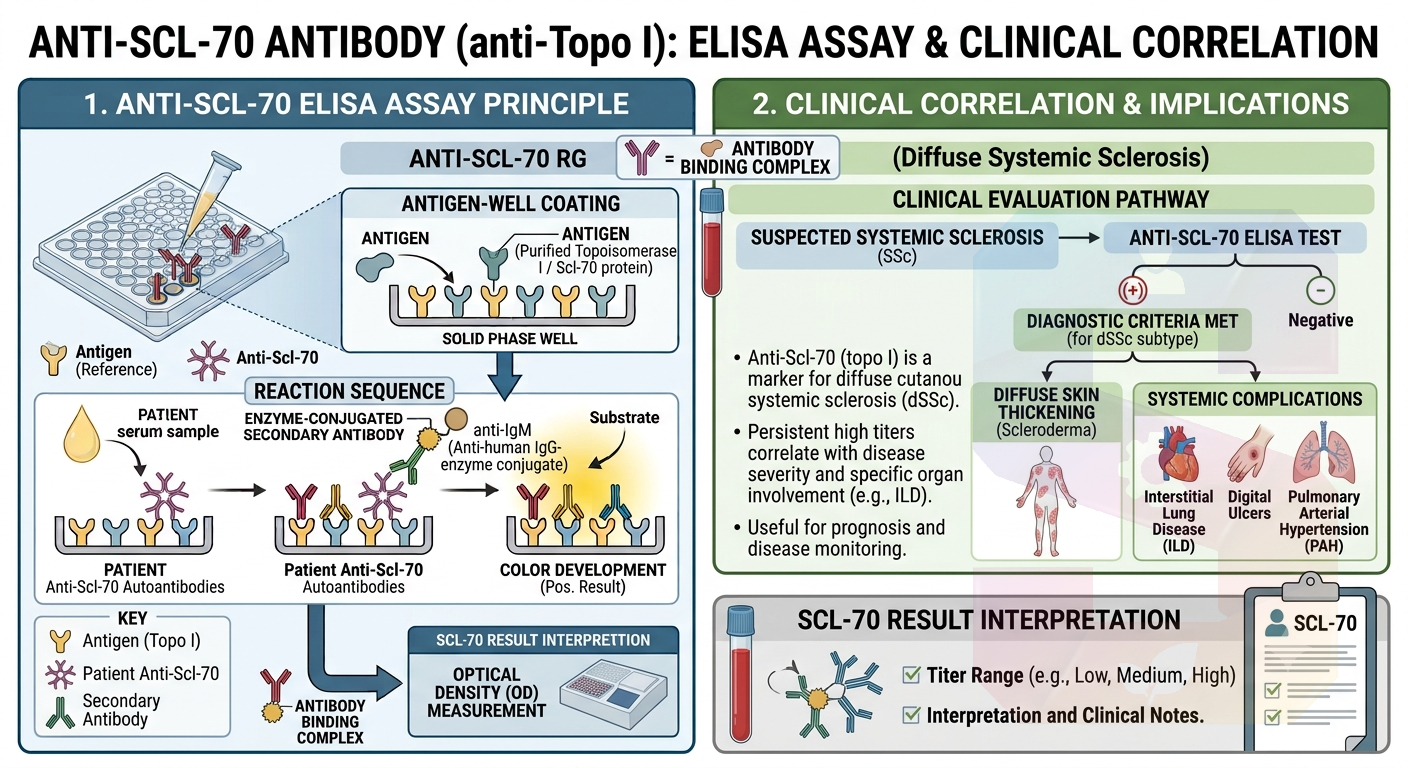
Anti SCL -70 Antibody by ELISA New1,750.00₹In stockAll over India0 Reviews### **Anti-Scl-70 Antibody by ELISA**
The **Anti-Scl-70 (anti-topoisomerase I) antibody ELISA test** is a blood assay used to diagnose systemic sclerosis (scleroderma).
* **Diagnostic Target:** It detects autoantibodies directed against the intracellular enzyme topoisomerase I (Scl-70).
* **Clinical Significance:** A positive result is highly specific for **diffuse cutaneous systemic sclerosis**, a severe subtype characterized by widespread skin thickening and rapid progression.
* **Risk Assessment:** Presence of these antibodies is strongly associated with an increased risk of severe internal organ involvement, particularly **interstitial lung disease (ILD)** and cardiac complications.
* **Methodology:** The Enzyme-Linked Immunosorbent Assay (ELISA) provides a rapid, quantitative measure of antibody levels to guide early therapeutic intervention.### **Anti-Scl-70 Antibody by ELISA** The **Anti-Scl-70 (anti-topoisomerase I) antibody ELISA test** is a blood assay used to diagnose systemic sclerosis (scleroderma). * **Diagnostic Target:** It detects autoantibodies directed against the intracellular enzyme topoisomerase I (Scl-70). * **Clinical Significance:** A positive result is highly specific for **diffuse cutaneous systemic sclerosis**, a severe subtype characterized by widespread skin thickening and rapid progression. * **Risk Assessment:** Presence of these antibodies is strongly associated with an increased risk of severe internal organ involvement, particularly **interstitial lung disease (ILD)** and cardiac complications. * **Methodology:** The Enzyme-Linked Immunosorbent Assay (ELISA) provides a rapid, quantitative measure of antibody levels to guide early therapeutic intervention.0 Comments 0 Shares 493 Views 0 Reviews -
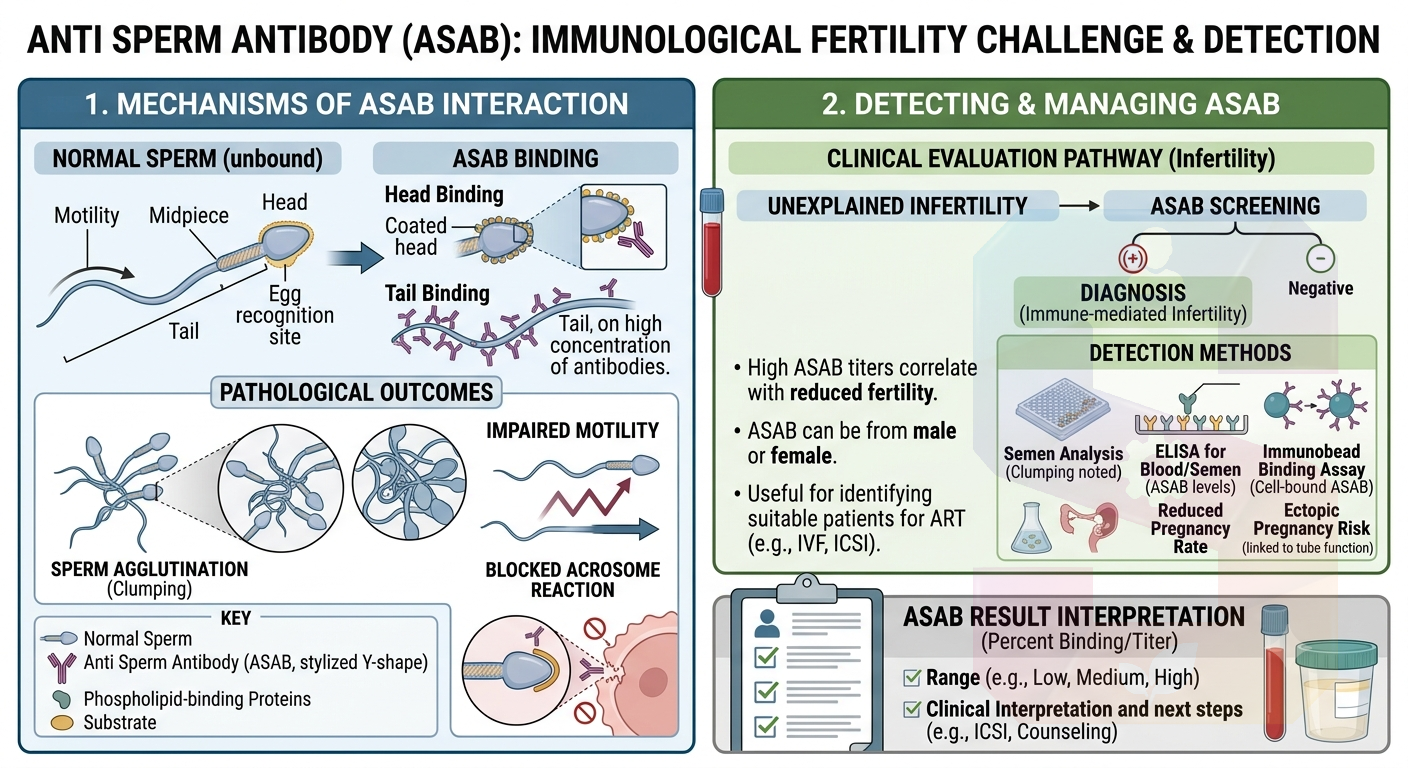
Anti Sperm Antibody (ASAB) New1,540.00₹In stockAll over India0 Reviews### **Anti-Sperm Antibody (ASAB)**
**Anti-Sperm Antibodies (ASAB)** are immunoglobulins that mistakenly target sperm as foreign invaders. They can be present in both male and female reproductive tracts.
* **Impact on Fertility:** ASABs bind to sperm, causing them to clump together (agglutination), which severely hinders their motility and prevents them from swimming through the female cervical mucus.
* **Fertilization Barrier:** By coating the sperm head, these antibodies can block the crucial sperm-egg interaction, preventing successful fertilization.
* **Clinical Detection:** Commonly diagnosed using Semen Analysis (Mixed Antiglobulin Reaction / Immunobead tests) or blood ELISA assays, guiding decisions for assisted reproductive treatments like IVF or ICSI.### **Anti-Sperm Antibody (ASAB)** **Anti-Sperm Antibodies (ASAB)** are immunoglobulins that mistakenly target sperm as foreign invaders. They can be present in both male and female reproductive tracts. * **Impact on Fertility:** ASABs bind to sperm, causing them to clump together (agglutination), which severely hinders their motility and prevents them from swimming through the female cervical mucus. * **Fertilization Barrier:** By coating the sperm head, these antibodies can block the crucial sperm-egg interaction, preventing successful fertilization. * **Clinical Detection:** Commonly diagnosed using Semen Analysis (Mixed Antiglobulin Reaction / Immunobead tests) or blood ELISA assays, guiding decisions for assisted reproductive treatments like IVF or ICSI.0 Comments 0 Shares 493 Views 0 Reviews -
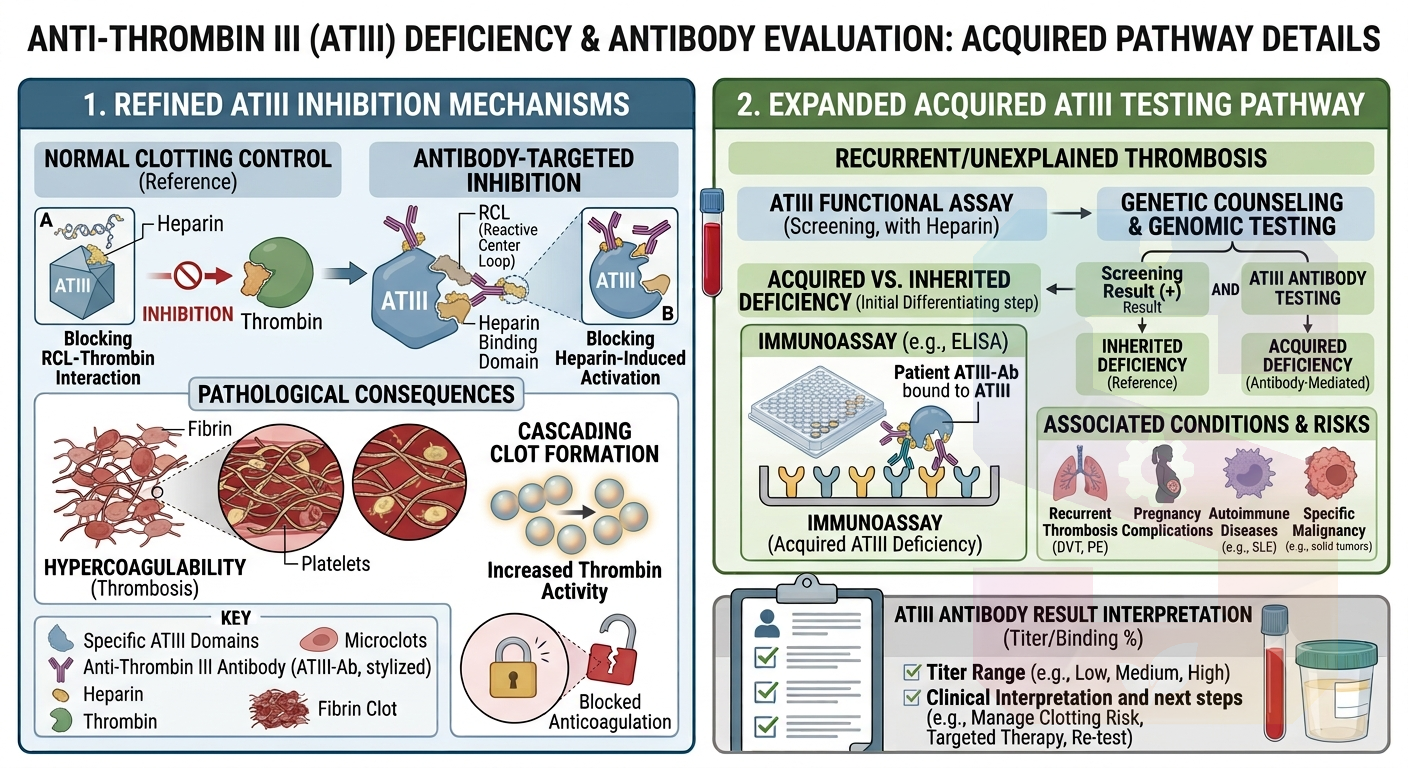
Anti Thrombin III Antibody Test New4,868.00₹In stockAll over India0 ReviewsThe **Anti-Thrombin III (ATIII) Antibody Test** is a specialized laboratory blood test used to investigate the specific cause of an anti-thrombin III deficiency. Anti-thrombin III is a natural anticoagulant protein that inhibits blood clotting. While functional ATIII assays measure the protein's activity, the antibody test specifically detects the presence of *acquired autoantibodies* that target and destroy ATIII.
This test is crucial for differentiating between an inherited deficiency (due to a genetic mutation) and an acquired deficiency caused by autoimmune disorders. The presence of these antibodies is strongly associated with an increased risk of severe, abnormal blood clots, such as deep vein thrombosis (DVT) or pulmonary embolism (PE). Identification helps clinicians manage thrombotic risk and determine appropriate, targeted anticoagulant therapy.The **Anti-Thrombin III (ATIII) Antibody Test** is a specialized laboratory blood test used to investigate the specific cause of an anti-thrombin III deficiency. Anti-thrombin III is a natural anticoagulant protein that inhibits blood clotting. While functional ATIII assays measure the protein's activity, the antibody test specifically detects the presence of *acquired autoantibodies* that target and destroy ATIII. This test is crucial for differentiating between an inherited deficiency (due to a genetic mutation) and an acquired deficiency caused by autoimmune disorders. The presence of these antibodies is strongly associated with an increased risk of severe, abnormal blood clots, such as deep vein thrombosis (DVT) or pulmonary embolism (PE). Identification helps clinicians manage thrombotic risk and determine appropriate, targeted anticoagulant therapy.0 Comments 0 Shares 501 Views 0 Reviews -
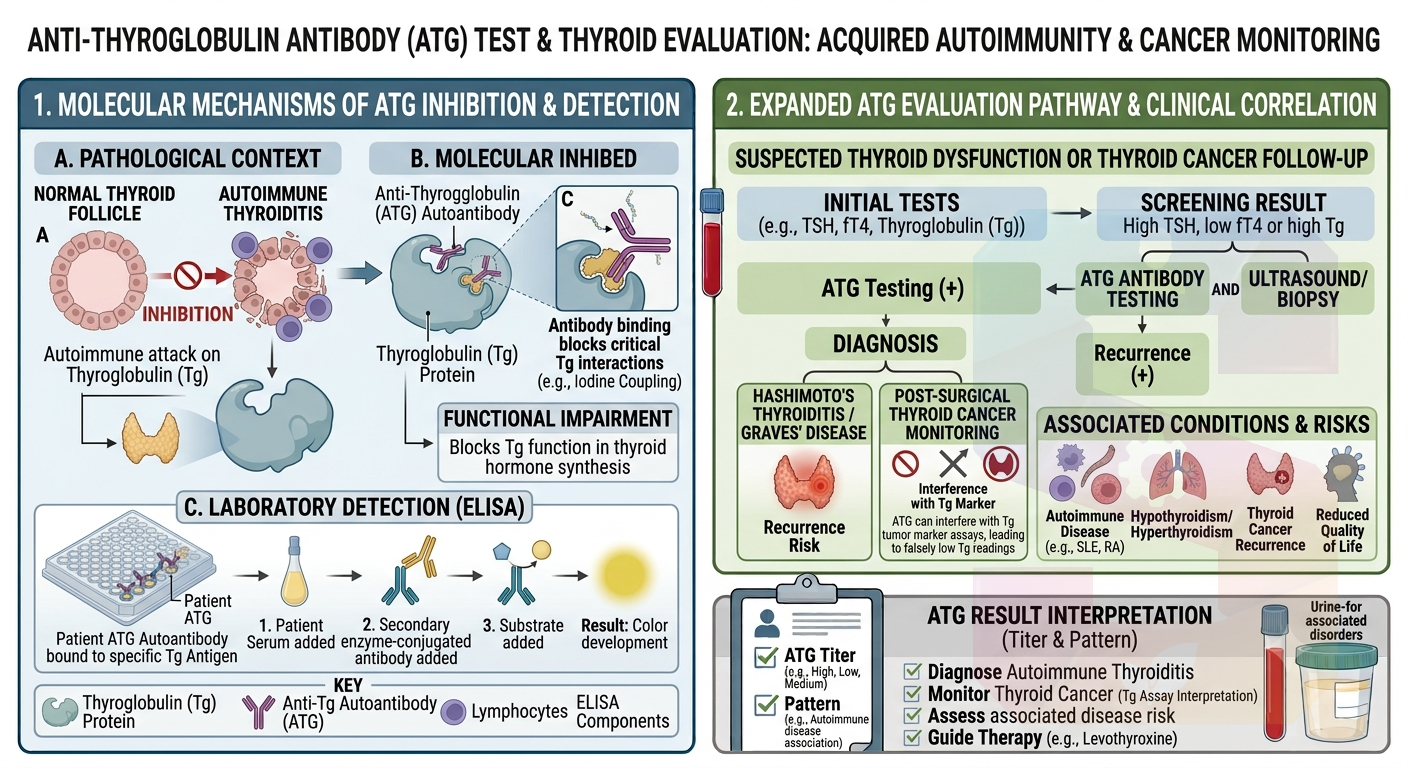
Anti Thyroglobulin Antibody (ATG) Test New1,150.00₹In stockAll over India0 ReviewsThe Anti-Thyroglobulin Antibody (ATG) Test measures autoantibodies against thyroglobulin, a thyroid-produced protein. Elevated ATG levels indicate an autoimmune attack on the thyroid, often found in Hashimoto's thyroiditis and Graves' disease. The test is crucial for diagnosing autoimmune thyroiditis, distinguishing it from other thyroid conditions, and is especially significant in thyroid cancer cases. Elevated ATG in cancer follow-up can suggest recurrence or metastasis, affecting thyroglobulin (Tg) reliability as a tumor marker. Thus, ATG testing plays a key role in diagnosing autoimmune thyroid disease and monitoring thyroid cancer.The Anti-Thyroglobulin Antibody (ATG) Test measures autoantibodies against thyroglobulin, a thyroid-produced protein. Elevated ATG levels indicate an autoimmune attack on the thyroid, often found in Hashimoto's thyroiditis and Graves' disease. The test is crucial for diagnosing autoimmune thyroiditis, distinguishing it from other thyroid conditions, and is especially significant in thyroid cancer cases. Elevated ATG in cancer follow-up can suggest recurrence or metastasis, affecting thyroglobulin (Tg) reliability as a tumor marker. Thus, ATG testing plays a key role in diagnosing autoimmune thyroid disease and monitoring thyroid cancer.0 Comments 0 Shares 486 Views 0 Reviews
-
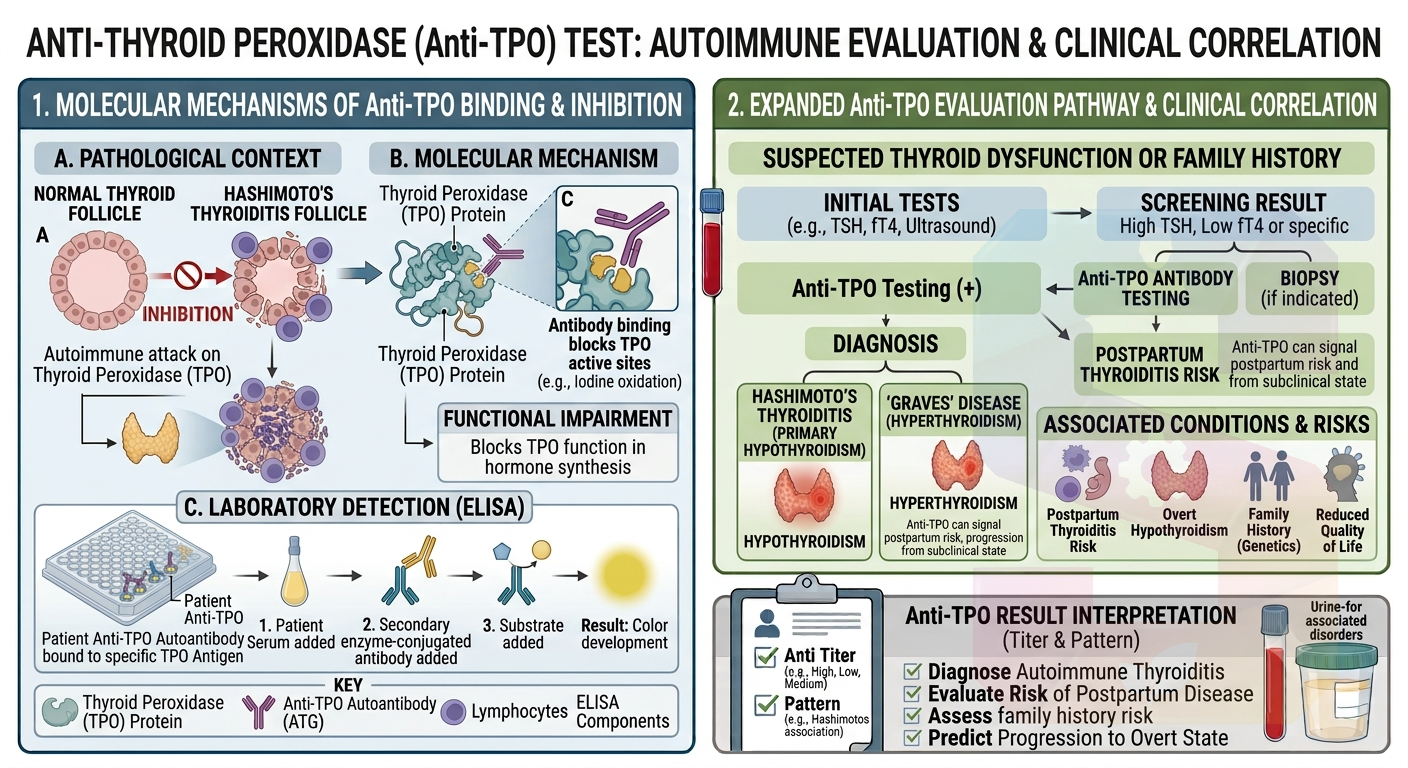
Anti TPO Test New1,150.00₹In stockAll over India0 Reviews### **Anti-Thyroid Peroxidase (Anti-TPO) Test**
The **Anti-TPO test** measures antibodies directed against thyroid peroxidase, an enzyme crucial for thyroid hormone synthesis.
* **Primary Diagnostic Tool:** It is the most sensitive laboratory marker for diagnosing autoimmune thyroid disorders, notably **Hashimoto’s thyroiditis** (the leading cause of hypothyroidism) and **Graves’ disease**.
* **Clinical Utility:** This test helps clinicians differentiate autoimmune thyroiditis from non-autoimmune goiters or general thyroid dysfunction.
* **Risk Assessment:** Identifying high anti-TPO levels is vital for evaluating the risk of postpartum thyroiditis and predicting the progression of subclinical hypothyroidism to overt thyroid disease, guiding timely treatment.### **Anti-Thyroid Peroxidase (Anti-TPO) Test** The **Anti-TPO test** measures antibodies directed against thyroid peroxidase, an enzyme crucial for thyroid hormone synthesis. * **Primary Diagnostic Tool:** It is the most sensitive laboratory marker for diagnosing autoimmune thyroid disorders, notably **Hashimoto’s thyroiditis** (the leading cause of hypothyroidism) and **Graves’ disease**. * **Clinical Utility:** This test helps clinicians differentiate autoimmune thyroiditis from non-autoimmune goiters or general thyroid dysfunction. * **Risk Assessment:** Identifying high anti-TPO levels is vital for evaluating the risk of postpartum thyroiditis and predicting the progression of subclinical hypothyroidism to overt thyroid disease, guiding timely treatment.0 Comments 0 Shares 487 Views 0 Reviews
Sponsored