



• Anti-Streptolysin O (ASO) Test New
    473.00₹
    In stock
    All over India
    0 Reviews
    An **Anti-Streptolysin O (ASO) Test** is a diagnostic blood test used to detect a recent or past infection caused by **Group A Streptococcus** bacteria, such as strep throat or scarlet fever.
    The test measures the level of ASO antibodies, which the body produces to neutralize streptolysin O, a toxic enzyme released by the bacteria.
    Elevated or rising ASO levels are crucial for diagnosing post-streptococcal complications that arise weeks later, most notably **rheumatic fever** and **post-streptococcal glomerulonephritis** (kidney inflammation). It helps clinicians confirm a bacterial trigger when active symptoms of the initial infection have subsided.
    An **Anti-Streptolysin O (ASO) Test** is a diagnostic blood test used to detect a recent or past infection caused by **Group A Streptococcus** bacteria, such as strep throat or scarlet fever. The test measures the level of ASO antibodies, which the body produces to neutralize streptolysin O, a toxic enzyme released by the bacteria. Elevated or rising ASO levels are crucial for diagnosing post-streptococcal complications that arise weeks later, most notably **rheumatic fever** and **post-streptococcal glomerulonephritis** (kidney inflammation). It helps clinicians confirm a bacterial trigger when active symptoms of the initial infection have subsided.
    0 Comments 0 Shares 1K Views 0 Reviews
  • Antimony Test New
    2,145.00₹
    In stock
    All over India
    0 Reviews
    An **Antimony Test** is a diagnostic toxicology evaluation used to measure the levels of antimony, a toxic heavy metal, in a patient's blood, urine, or hair.
    The test is primarily ordered to investigate acute or chronic heavy metal poisoning resulting from occupational exposure (such as in smelting, glass production, or battery manufacturing) or accidental ingestion.
    Elevated antimony levels can indicate systemic toxicity, which can severely impact the respiratory system, cardiovascular health, and gastrointestinal tract. Monitoring these levels is essential for diagnosing environmental toxicity, ensuring industrial workplace safety, and managing effective chelation therapy.
    An **Antimony Test** is a diagnostic toxicology evaluation used to measure the levels of antimony, a toxic heavy metal, in a patient's blood, urine, or hair. The test is primarily ordered to investigate acute or chronic heavy metal poisoning resulting from occupational exposure (such as in smelting, glass production, or battery manufacturing) or accidental ingestion. Elevated antimony levels can indicate systemic toxicity, which can severely impact the respiratory system, cardiovascular health, and gastrointestinal tract. Monitoring these levels is essential for diagnosing environmental toxicity, ensuring industrial workplace safety, and managing effective chelation therapy.
    0 Comments 0 Shares 1K Views 0 Reviews
  • Antiphospholipid Syndrome panel New
    7,183.00₹
    In stock
    All over India
    0 Reviews
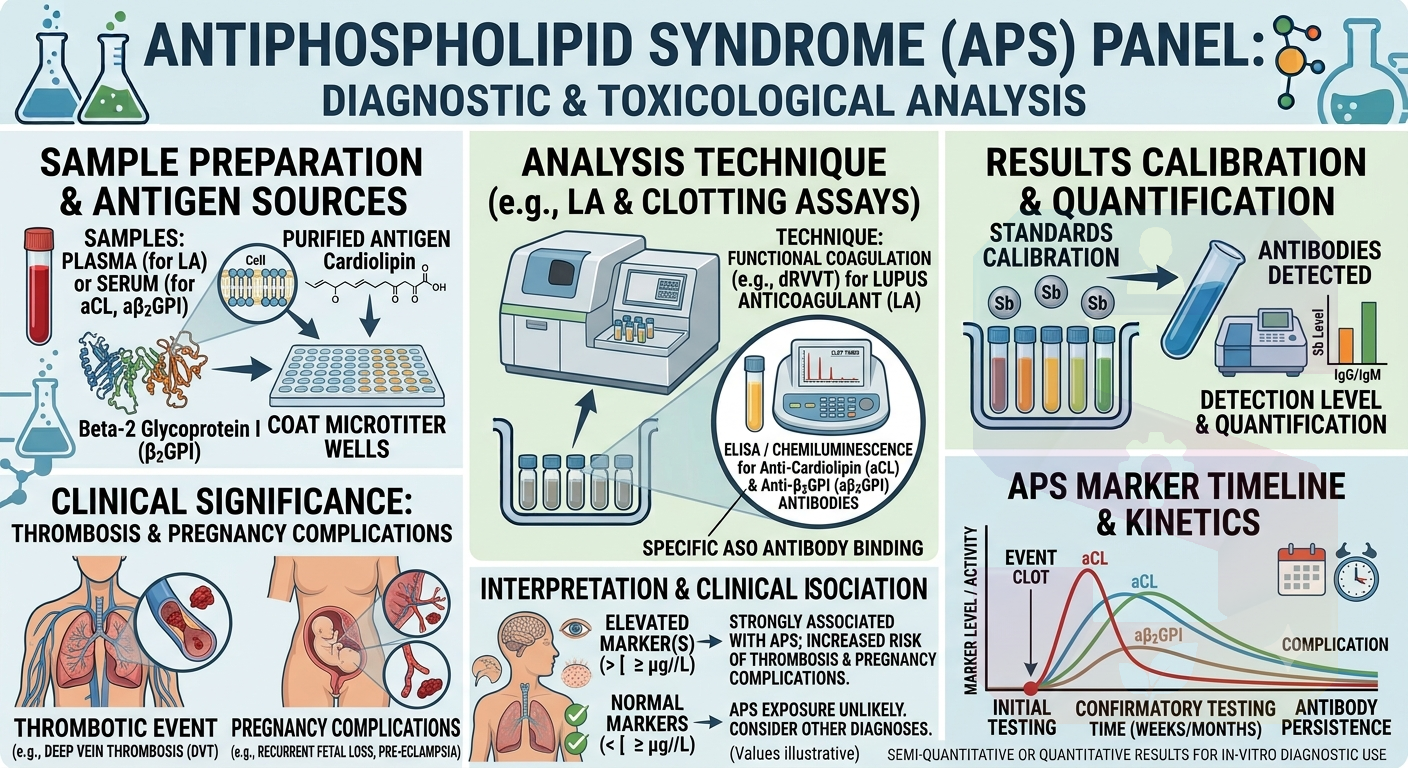
    An **Antiphospholipid Syndrome (APS) Panel** is a comprehensive blood test used to diagnose an autoimmune disorder characterized by inappropriate blood clot formation and pregnancy complications.
    The panel evaluates three primary autoantibodies: **Lupus Anticoagulant (LA)**, **Anti-Cardiolipin (aCL) IgG/IgM**, and **Anti-Beta-2 Glycoprotein I (aβ2GPI) IgG/IgM**. These antibodies mistakenly target normal proteins bound to phospholipids in cell membranes.
    A positive panel helps clinicians confirm an APS diagnosis, assessing the risk for deep vein thrombosis (DVT), arterial strokes, or recurrent miscarriages. To fulfill formal diagnostic criteria, positive results must be confirmed by retesting at least 12 weeks later.
    An **Antiphospholipid Syndrome (APS) Panel** is a comprehensive blood test used to diagnose an autoimmune disorder characterized by inappropriate blood clot formation and pregnancy complications. The panel evaluates three primary autoantibodies: **Lupus Anticoagulant (LA)**, **Anti-Cardiolipin (aCL) IgG/IgM**, and **Anti-Beta-2 Glycoprotein I (aβ2GPI) IgG/IgM**. These antibodies mistakenly target normal proteins bound to phospholipids in cell membranes. A positive panel helps clinicians confirm an APS diagnosis, assessing the risk for deep vein thrombosis (DVT), arterial strokes, or recurrent miscarriages. To fulfill formal diagnostic criteria, positive results must be confirmed by retesting at least 12 weeks later.

    0 Comments 0 Shares 2K Views 0 Reviews
  • Any lumps and Bumps New
    1,000.00₹
    In stock
    All over India
    0 Reviews
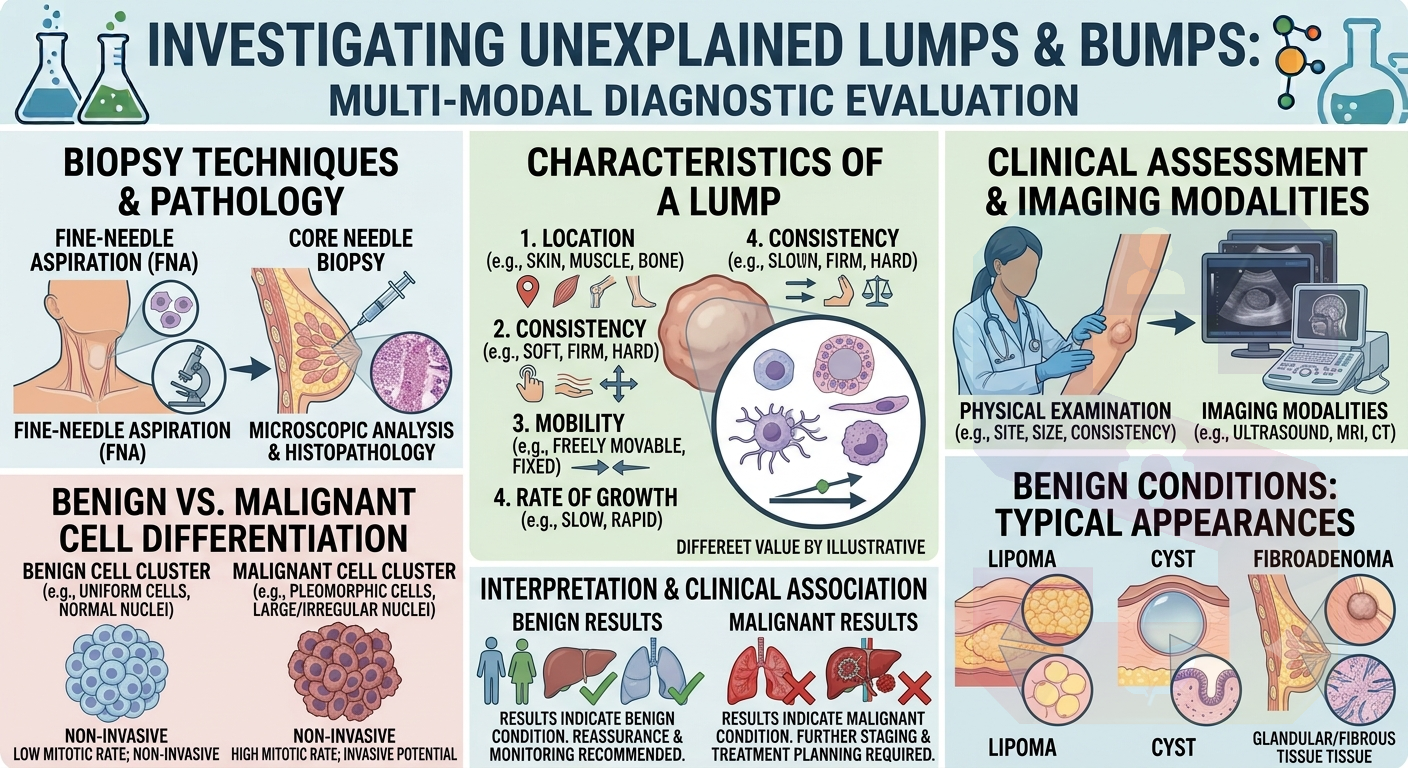
    An **Any Lumps and Bumps Test** evaluation refers to a clinical diagnostic approach used to investigate unexplained swellings, masses, or cutaneous nodules on the body.
    Rather than a single blood test, this assessment typically combines physical examination with imaging modalities like **ultrasound**, **MRI**, or a **fine-needle aspiration (FNA) biopsy** to determine the characteristics of the lump.
    The primary utility is differentiating between benign conditions (such as lipomas, sebaceous cysts, or swollen lymph nodes) and malignant tumors. Identifying the exact nature of the tissue growth ensures accurate staging, patient reassurance, and the timely implementation of appropriate medical or surgical intervention strategies.
    An **Any Lumps and Bumps Test** evaluation refers to a clinical diagnostic approach used to investigate unexplained swellings, masses, or cutaneous nodules on the body. Rather than a single blood test, this assessment typically combines physical examination with imaging modalities like **ultrasound**, **MRI**, or a **fine-needle aspiration (FNA) biopsy** to determine the characteristics of the lump. The primary utility is differentiating between benign conditions (such as lipomas, sebaceous cysts, or swollen lymph nodes) and malignant tumors. Identifying the exact nature of the tissue growth ensures accurate staging, patient reassurance, and the timely implementation of appropriate medical or surgical intervention strategies.
    0 Comments 0 Shares 2K Views 0 Reviews
  • 0 Comments 0 Shares 28 Views 0 Reviews
  • 0 Comments 0 Shares 32 Views 0 Reviews
  • 0 Comments 0 Shares 38 Views 0 Reviews
  • 0 Comments 0 Shares 32 Views 0 Reviews
  • 0 Comments 0 Shares 32 Views 0 Reviews
  • 0 Comments 0 Shares 29 Views 0 Reviews
Sponsored