




Directory
Browse the SeshtaConnect Directory: Find professionals, courses, job listings, and groups. Discover new connections to ignite your career and personal growth.
-
-
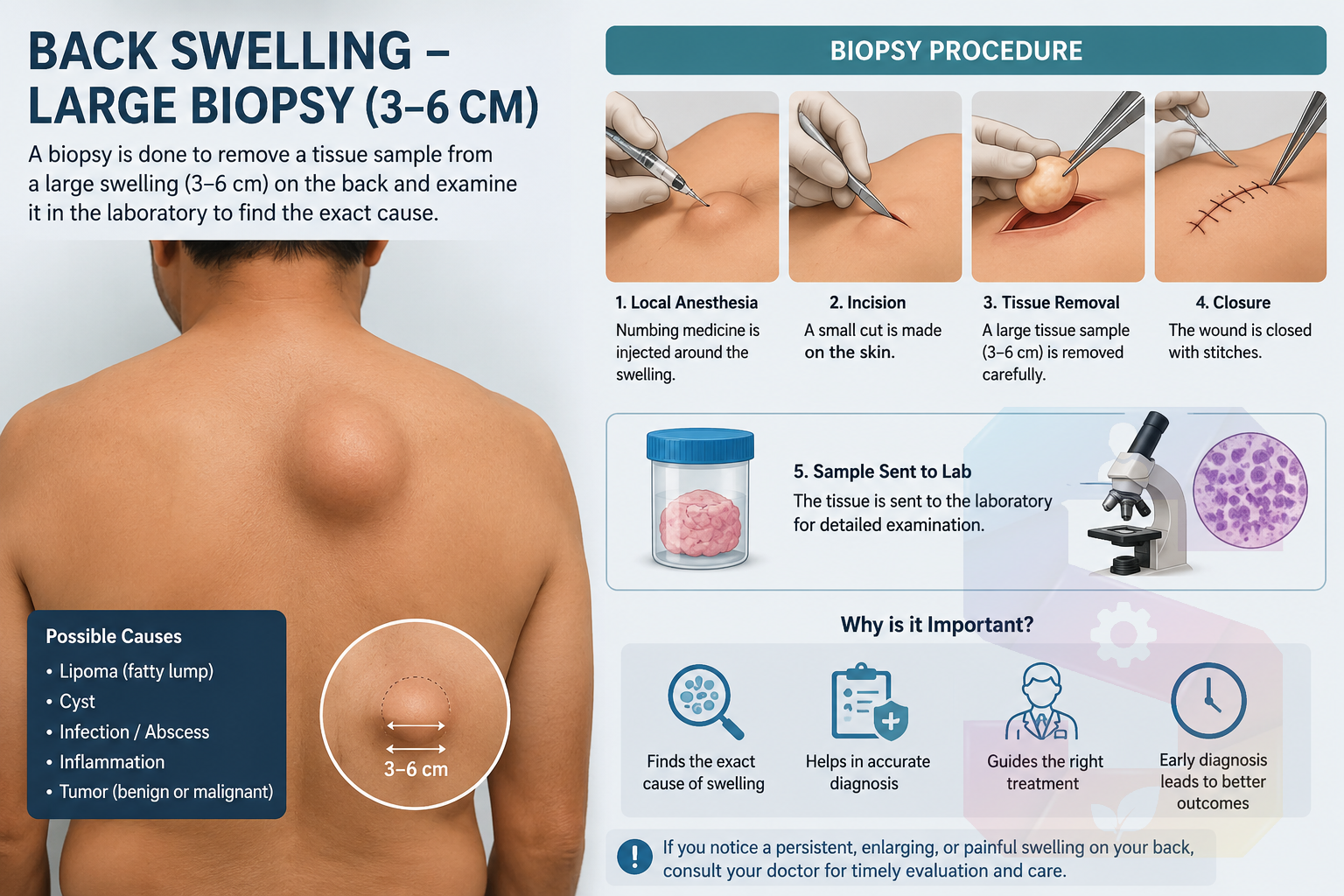 Back swelling- large Biopsy (3-6cm) New1,500.00₹In stockAll over India0 ReviewsBack Swelling – Large Biopsy (3–6 cm)
A Back Swelling – Large Biopsy (3–6 cm) is a procedure in which a tissue sample is taken from a larger lump or swelling on the back for laboratory examination. It helps identify the exact cause, such as a benign growth, infection, inflammation, cyst, or cancer. The biopsy is usually performed under local anesthesia, making it a safe and minimally uncomfortable procedure. Accurate diagnosis allows doctors to plan the most appropriate treatment and avoid unnecessary surgery. If you notice a persistent, enlarging, or painful back swelling, consult your healthcare provider promptly for proper evaluation and timely management.Back Swelling – Large Biopsy (3–6 cm) A Back Swelling – Large Biopsy (3–6 cm) is a procedure in which a tissue sample is taken from a larger lump or swelling on the back for laboratory examination. It helps identify the exact cause, such as a benign growth, infection, inflammation, cyst, or cancer. The biopsy is usually performed under local anesthesia, making it a safe and minimally uncomfortable procedure. Accurate diagnosis allows doctors to plan the most appropriate treatment and avoid unnecessary surgery. If you notice a persistent, enlarging, or painful back swelling, consult your healthcare provider promptly for proper evaluation and timely management.0 Comments 0 Shares 524 Views 0 Reviews -
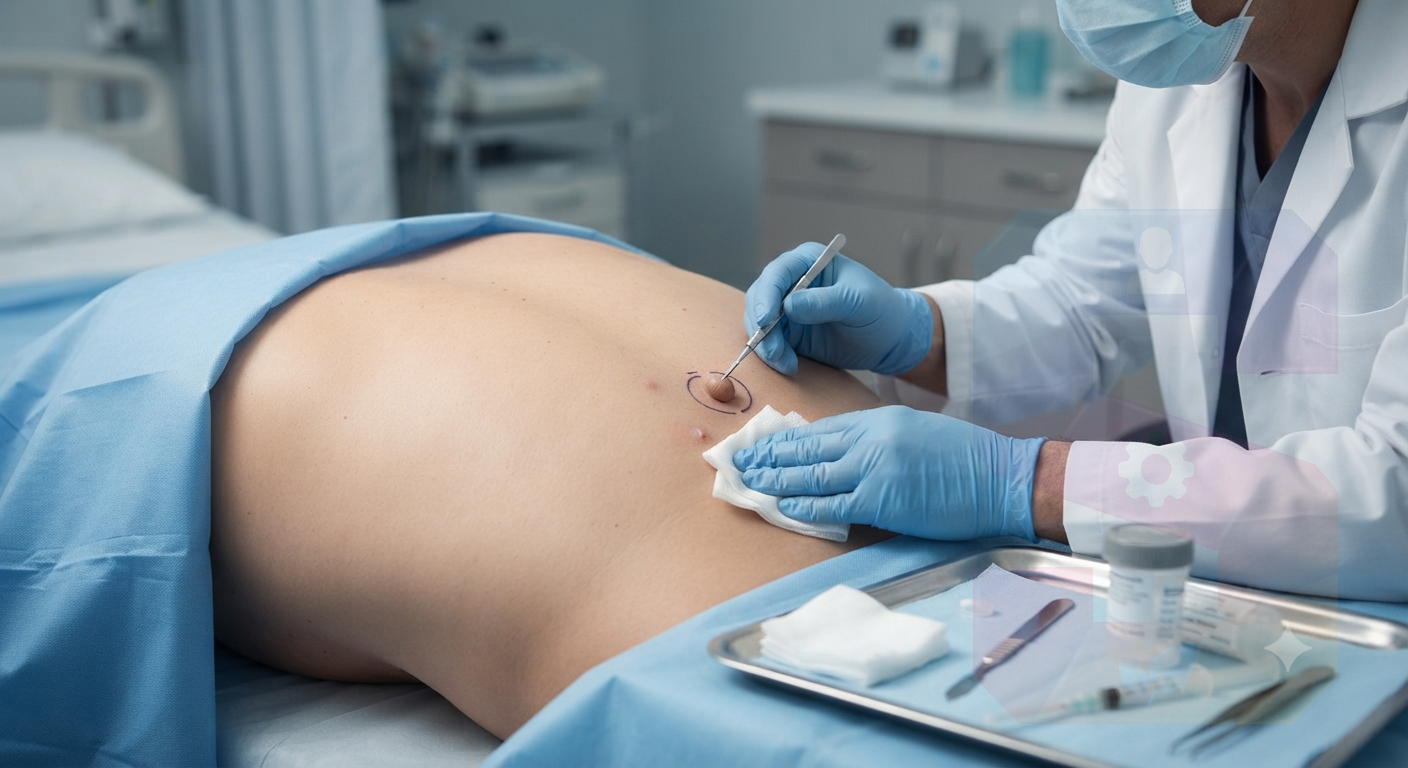 Back swelling- Medium Biopsy (1-3cm) New1,000.00₹In stockAll over India0 ReviewsA **Back Swelling – Medium Biopsy (1–3 cm)** refers to the surgical sampling of a subcutaneous or intramuscular growth located on the posterior torso measuring between 1 and 3 centimeters. This procedure is performed to obtain a definitive histological diagnosis, allowing clinicians to distinguish between benign entities—such as lipomas, sebaceous cysts, or fibromas—and potential malignancies. The process involves local anesthesia, an appropriately sized incision, and precise tissue extraction. Pathological evaluation of this sample is critical, as it confirms the lesion's cellular architecture and nature, directly guiding subsequent clinical management, surgical excision plans, or necessary therapeutic interventions.A **Back Swelling – Medium Biopsy (1–3 cm)** refers to the surgical sampling of a subcutaneous or intramuscular growth located on the posterior torso measuring between 1 and 3 centimeters. This procedure is performed to obtain a definitive histological diagnosis, allowing clinicians to distinguish between benign entities—such as lipomas, sebaceous cysts, or fibromas—and potential malignancies. The process involves local anesthesia, an appropriately sized incision, and precise tissue extraction. Pathological evaluation of this sample is critical, as it confirms the lesion's cellular architecture and nature, directly guiding subsequent clinical management, surgical excision plans, or necessary therapeutic interventions.0 Comments 0 Shares 540 Views 0 Reviews
 -
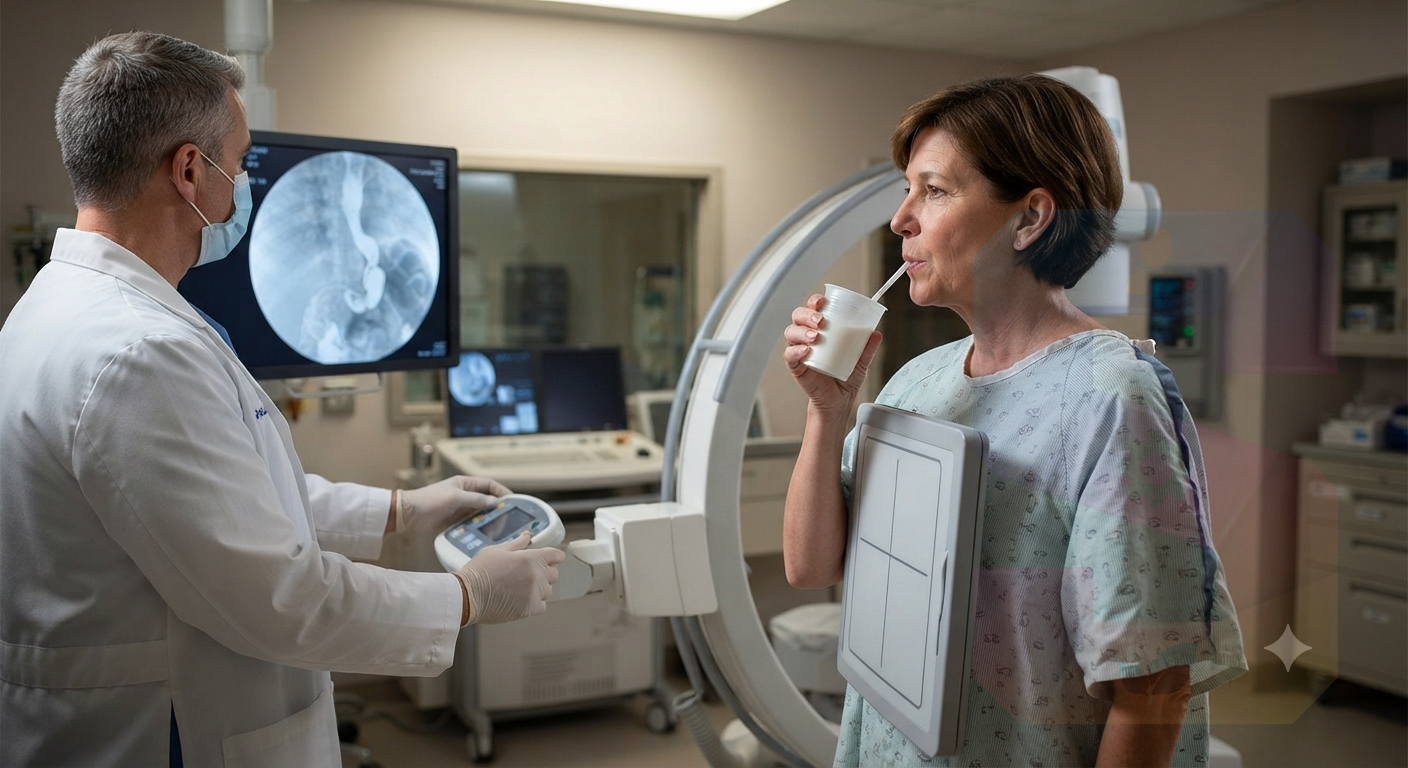 Barium Test New2,145.00₹In stockAll over India0 ReviewsA **Barium Test**, often referred to as a barium swallow or barium meal, is a diagnostic imaging procedure used to examine the upper gastrointestinal (GI) tract. During the test, the patient consumes a liquid containing barium sulfate, a contrast medium that coats the lining of the esophagus, stomach, and small intestine. Because barium is radiopaque, it appears white on X-rays, allowing radiologists to clearly visualize the anatomy and identify abnormalities such as ulcers, tumors, strictures, or swallowing difficulties. This non-invasive assessment provides essential real-time structural and functional data, assisting clinicians in diagnosing various digestive disorders and guiding effective treatment plans.A **Barium Test**, often referred to as a barium swallow or barium meal, is a diagnostic imaging procedure used to examine the upper gastrointestinal (GI) tract. During the test, the patient consumes a liquid containing barium sulfate, a contrast medium that coats the lining of the esophagus, stomach, and small intestine. Because barium is radiopaque, it appears white on X-rays, allowing radiologists to clearly visualize the anatomy and identify abnormalities such as ulcers, tumors, strictures, or swallowing difficulties. This non-invasive assessment provides essential real-time structural and functional data, assisting clinicians in diagnosing various digestive disorders and guiding effective treatment plans.0 Comments 0 Shares 686 Views 0 Reviews
 -
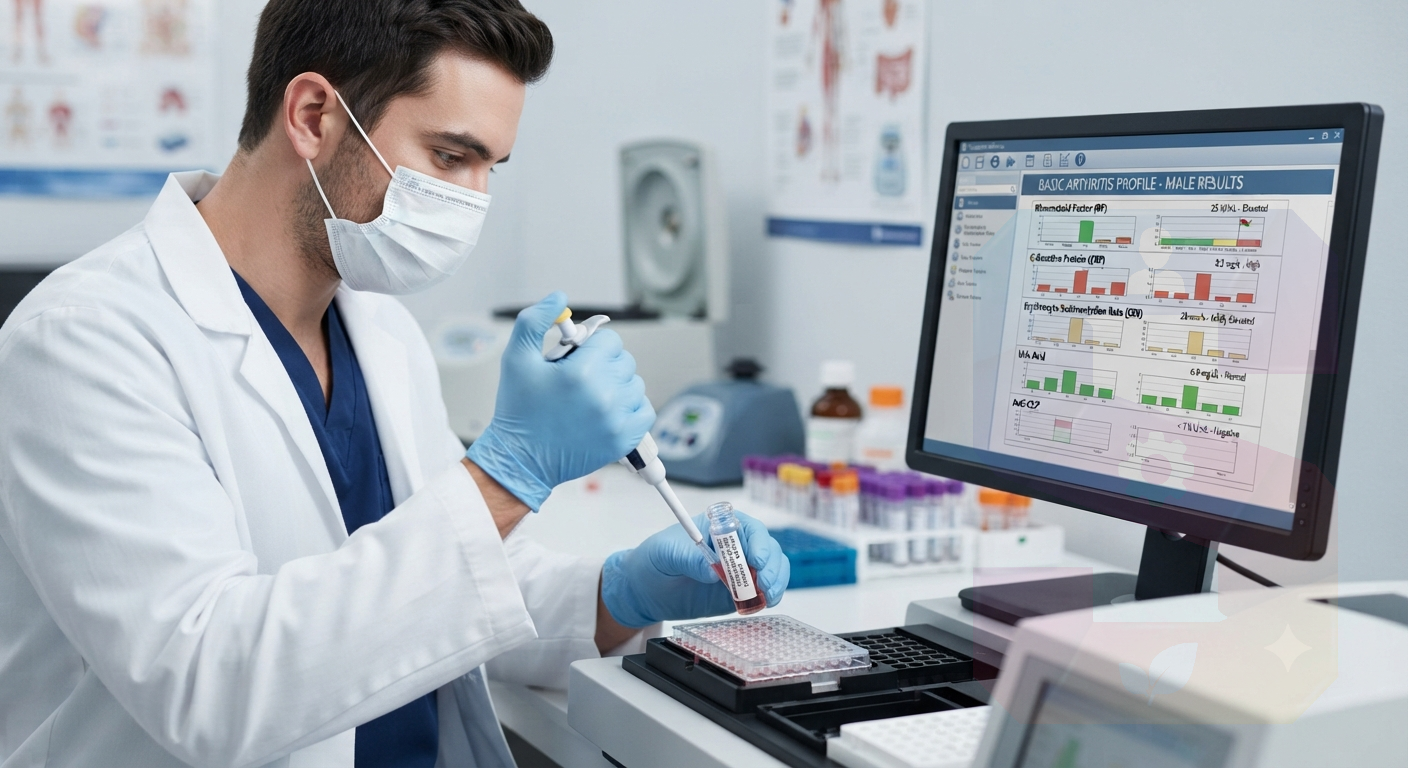 Basic Arthritis Profile for Male New1,100.00₹In stockAll over India0 ReviewsA **Basic Arthritis Profile for Male** is a targeted blood panel designed to evaluate systemic inflammation and identify markers associated with various arthritic conditions. This profile typically includes tests such as Erythrocyte Sedimentation Rate (ESR) and C-Reactive Protein (CRP) to detect generalized inflammatory responses, along with Rheumatoid Factor (RF) and sometimes Anti-CCP to screen for autoimmune joint diseases. Additionally, Uric Acid levels are frequently measured to assess for gout, a condition notably prevalent in men. By analyzing these specific biomarkers, healthcare providers can differentiate between inflammatory and non-inflammatory joint pain, facilitating an accurate diagnosis and timely intervention to preserve long-term joint health.A **Basic Arthritis Profile for Male** is a targeted blood panel designed to evaluate systemic inflammation and identify markers associated with various arthritic conditions. This profile typically includes tests such as Erythrocyte Sedimentation Rate (ESR) and C-Reactive Protein (CRP) to detect generalized inflammatory responses, along with Rheumatoid Factor (RF) and sometimes Anti-CCP to screen for autoimmune joint diseases. Additionally, Uric Acid levels are frequently measured to assess for gout, a condition notably prevalent in men. By analyzing these specific biomarkers, healthcare providers can differentiate between inflammatory and non-inflammatory joint pain, facilitating an accurate diagnosis and timely intervention to preserve long-term joint health.0 Comments 0 Shares 1K Views 0 Reviews