



• Bile Pigments Test New
    75.00₹
    In stock
    All over India
    0 Reviews
    The bile pigments test is a crucial laboratory evaluation that measures breakdown products of hemoglobin, primarily bilirubin, in the blood or urine. When red blood cells age, they degrade into bilirubin, which travels to the liver for processing before excretion through the digestive tract.
    This test is widely used to evaluate liver function, diagnose various forms of jaundice, and investigate hemolytic anemias or biliary obstructions. Abnormal levels—either conjugated or unconjugated—can indicate hepatocellular damage, bile duct blockage, or excessive red blood cell destruction, guiding clinicians toward an accurate diagnosis and treatment plan.
    The bile pigments test is a crucial laboratory evaluation that measures breakdown products of hemoglobin, primarily bilirubin, in the blood or urine. When red blood cells age, they degrade into bilirubin, which travels to the liver for processing before excretion through the digestive tract. This test is widely used to evaluate liver function, diagnose various forms of jaundice, and investigate hemolytic anemias or biliary obstructions. Abnormal levels—either conjugated or unconjugated—can indicate hepatocellular damage, bile duct blockage, or excessive red blood cell destruction, guiding clinicians toward an accurate diagnosis and treatment plan.
    0 Comments 0 Shares 1K Views 0 Reviews
  • Bile Salts Test New
    75.00₹
    In stock
    All over India
    0 Reviews
    The bile salts test is a diagnostic evaluation used to measure the levels of bile salts in biological fluids such as serum or feces. As derivatives of cholesterol synthesized in the liver, bile salts play an indispensable role in emulsifying dietary fats and facilitating the intestinal absorption of fat-soluble vitamins.
    This examination is clinically vital for diagnosing hepatobiliary disorders, monitoring liver impairment, assessing fat malabsorption syndromes, and investigating persistent digestive disturbances. Abnormal concentrations typically point towards impaired hepatic synthesis, biliary obstruction, or interrupted enterohepatic circulation, guiding medical professionals toward effective therapeutic management.
    The bile salts test is a diagnostic evaluation used to measure the levels of bile salts in biological fluids such as serum or feces. As derivatives of cholesterol synthesized in the liver, bile salts play an indispensable role in emulsifying dietary fats and facilitating the intestinal absorption of fat-soluble vitamins. This examination is clinically vital for diagnosing hepatobiliary disorders, monitoring liver impairment, assessing fat malabsorption syndromes, and investigating persistent digestive disturbances. Abnormal concentrations typically point towards impaired hepatic synthesis, biliary obstruction, or interrupted enterohepatic circulation, guiding medical professionals toward effective therapeutic management.
    0 Comments 0 Shares 1K Views 0 Reviews
  • Bilirubin Direct Test New
    130.00₹
    In stock
    All over India
    0 Reviews
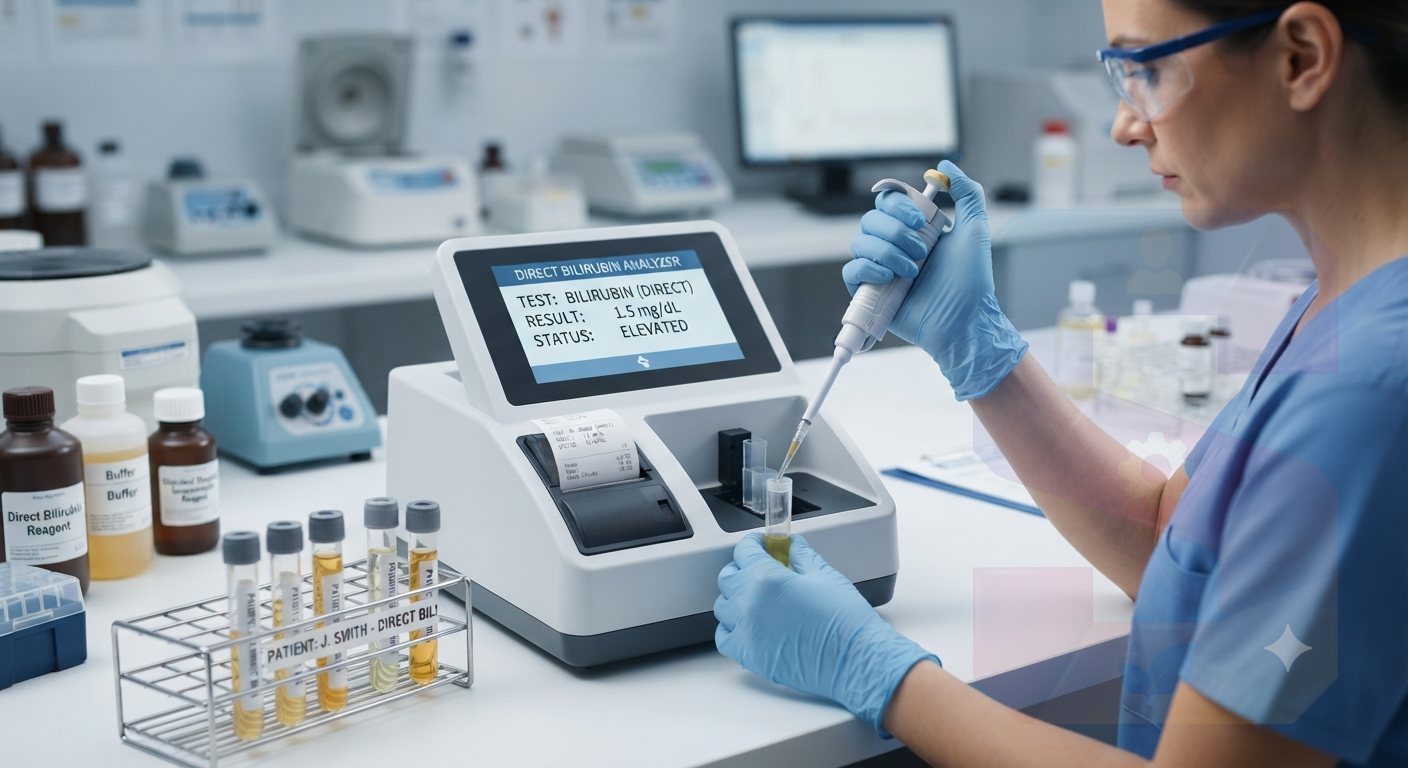
    The bilirubin direct test measures the amount of conjugated (water-soluble) bilirubin in your blood. After raw bilirubin is processed and filtered through the liver, it binds with specific sugars, allowing it to dissolve and pass easily into the bile ducts for excretion.
    This specific diagnostic test is vital for determining the precise cause of jaundice and evaluating liver or gallbladder health. Elevated levels of direct bilirubin typically point toward a physical blockage within the biliary tract, gallstones, or intrahepatic cholestasis. By pinpointing conjugated bilirubin levels, physicians can quickly differentiate between various hepatic disorders and targeted pathologies.
    The bilirubin direct test measures the amount of conjugated (water-soluble) bilirubin in your blood. After raw bilirubin is processed and filtered through the liver, it binds with specific sugars, allowing it to dissolve and pass easily into the bile ducts for excretion. This specific diagnostic test is vital for determining the precise cause of jaundice and evaluating liver or gallbladder health. Elevated levels of direct bilirubin typically point toward a physical blockage within the biliary tract, gallstones, or intrahepatic cholestasis. By pinpointing conjugated bilirubin levels, physicians can quickly differentiate between various hepatic disorders and targeted pathologies.
    0 Comments 0 Shares 1K Views 0 Reviews
  • Bilirubin Total Test New
    130.00₹
    In stock
    All over India
    0 Reviews
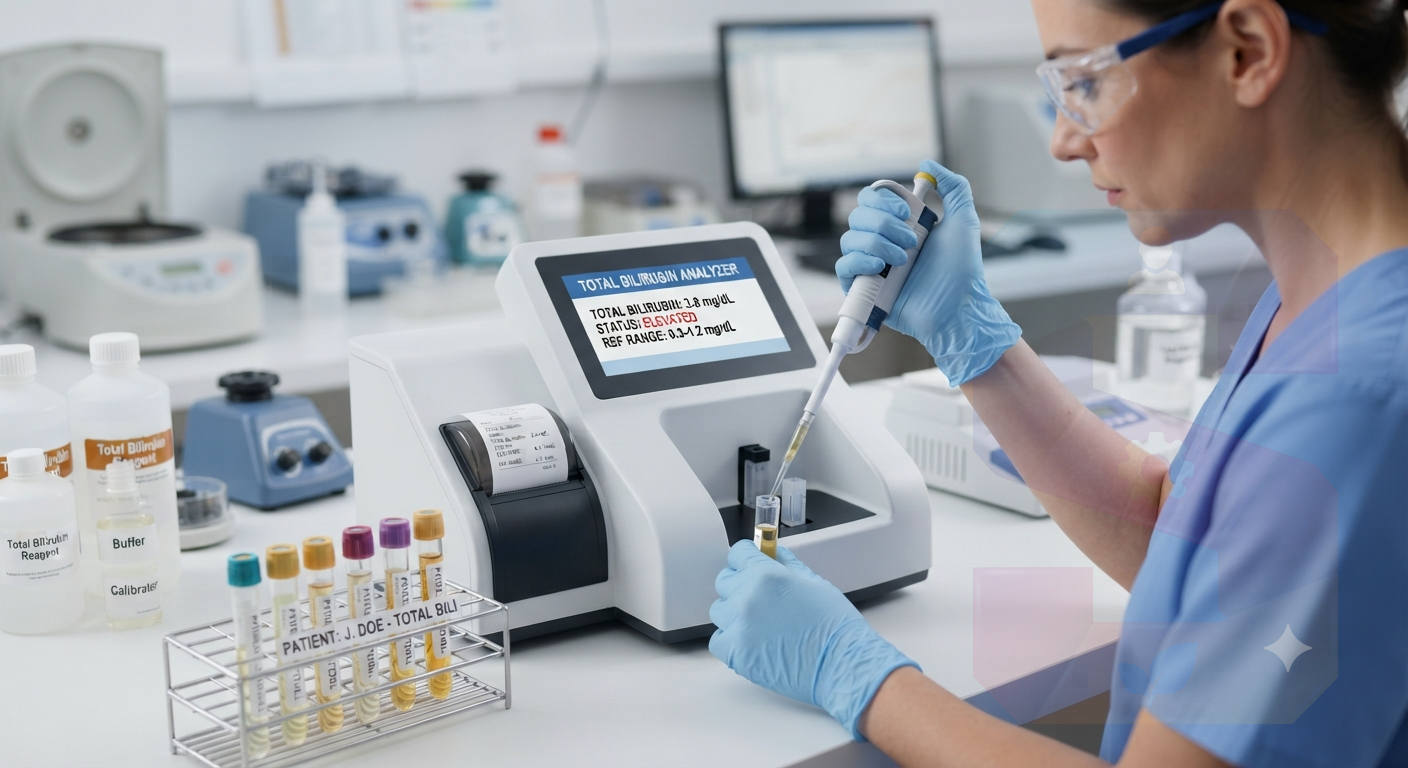
    The bilirubin total test measures the combined levels of both unconjugated (indirect) and conjugated (direct) bilirubin in your bloodstream. Bilirubin is a yellowish pigment created during the normal breakdown of red blood cells.
    This comprehensive diagnostic evaluation is fundamental for assessing overall liver function, diagnosing various liver disorders, and investigating conditions like jaundice or hemolytic anemia. Elevated total bilirubin levels can signal that the liver is struggling to process waste properly, that bile ducts are obstructed, or that red blood cells are breaking down too rapidly, helping doctors determine the underlying medical issue.
    The bilirubin total test measures the combined levels of both unconjugated (indirect) and conjugated (direct) bilirubin in your bloodstream. Bilirubin is a yellowish pigment created during the normal breakdown of red blood cells. This comprehensive diagnostic evaluation is fundamental for assessing overall liver function, diagnosing various liver disorders, and investigating conditions like jaundice or hemolytic anemia. Elevated total bilirubin levels can signal that the liver is struggling to process waste properly, that bile ducts are obstructed, or that red blood cells are breaking down too rapidly, helping doctors determine the underlying medical issue.
    0 Comments 0 Shares 1K Views 0 Reviews
  • Biofire Blood Panel (BCID) New
    18,000.00₹
    In stock
    All over India
    0 Reviews
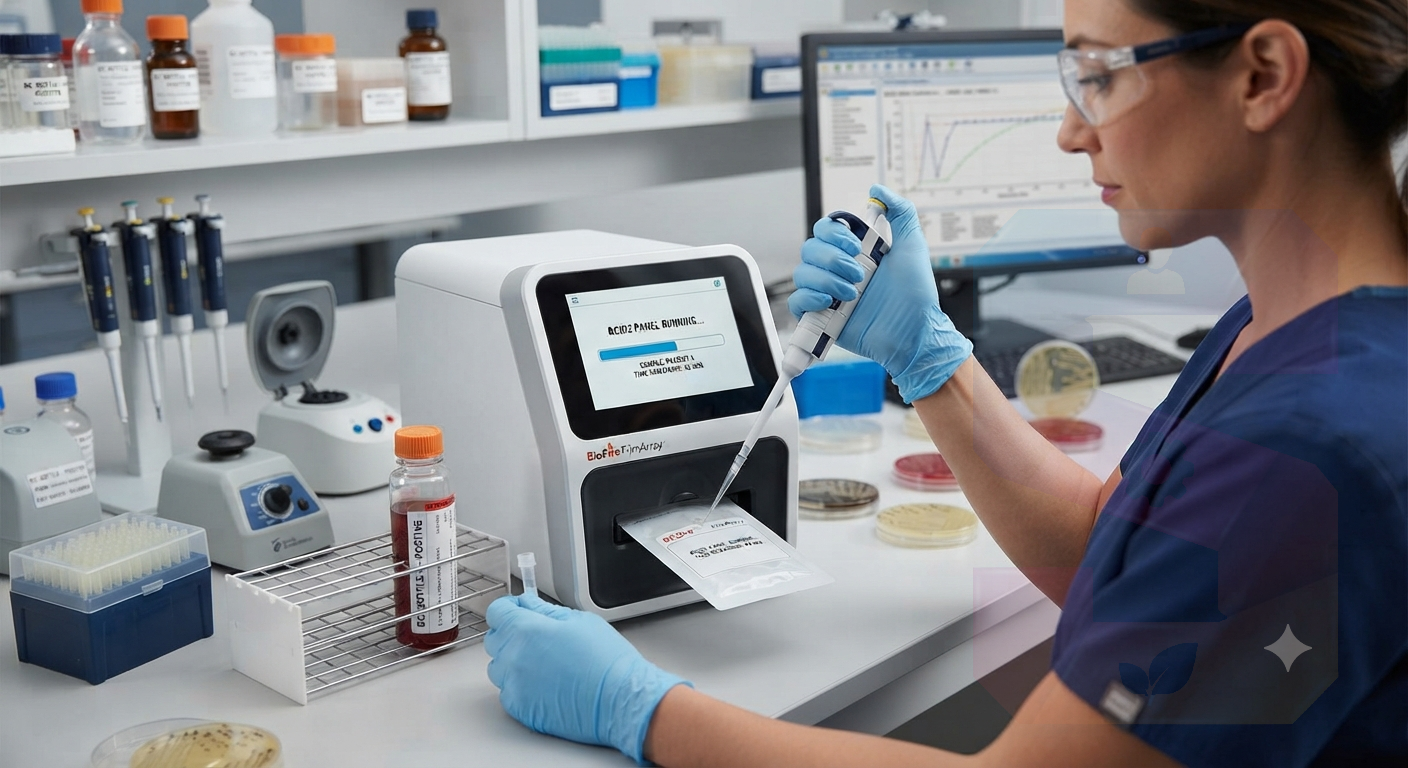
    The BioFire Blood Panel (BCID), such as the BCID2 panel, is a rapid multiplex polymerase chain reaction (PCR) diagnostic test designed to identify bloodstream pathogens directly from positive blood culture bottles.
    This comprehensive assay detects a wide array of genetic targets, including Gram-positive bacteria, Gram-negative bacteria, and yeasts, alongside critical antimicrobial resistance genes. Delivering results in approximately one hour with minimal hands-on time, the test empowers clinicians to quickly transition patients from broad-spectrum empiric therapy to targeted treatments, significantly improving antimicrobial stewardship and clinical management for severe infections like sepsis.
    The BioFire Blood Panel (BCID), such as the BCID2 panel, is a rapid multiplex polymerase chain reaction (PCR) diagnostic test designed to identify bloodstream pathogens directly from positive blood culture bottles. This comprehensive assay detects a wide array of genetic targets, including Gram-positive bacteria, Gram-negative bacteria, and yeasts, alongside critical antimicrobial resistance genes. Delivering results in approximately one hour with minimal hands-on time, the test empowers clinicians to quickly transition patients from broad-spectrum empiric therapy to targeted treatments, significantly improving antimicrobial stewardship and clinical management for severe infections like sepsis.
    0 Comments 0 Shares 1K Views 0 Reviews
  • 0 Comments 0 Shares 16 Views 0 Reviews
  • 0 Comments 0 Shares 17 Views 0 Reviews
  • 0 Comments 0 Shares 16 Views 0 Reviews
  • 0 Comments 0 Shares 16 Views 0 Reviews
  • 0 Comments 0 Shares 20 Views 0 Reviews
Sponsored