


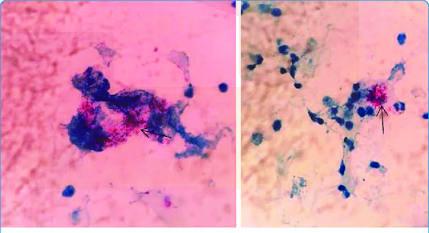
AFB detection by smear examination ZN stain Urine, 1 sample diagnostic test
New
500.00₹
In stock
Hyderabad
0 Reviews
An AFB (Acid-Fast Bacilli) detection by smear examination using the ZN (Ziehl-Neelsen) stain on a single urine sample is a diagnostic test utilized to screen for Genitourinary Tuberculosis (GUTB).
While pulmonary TB (lungs) is the most common form of the disease, the tuberculosis bacteria can travel through the bloodstream and infect the kidneys, ureters, prostate, bladder, or reproductive organs.
Key Differences from Sputum Testing
While the underlying staining technique remains identical to a sputum test, examining urine for AFB introduces a few unique, critical challenges and procedural differences:
Paucibacillary Nature: Urine samples usually contain a much lower concentration of bacteria (they are paucibacillary) compared to thick lung sputum. This means the bacteria are significantly harder to find on a slide.
The Saprophytic Problem (Mycobacterium smegmatis): The external genitalia naturally contain a harmless, non-tuberculous acid-fast bacterium called Mycobacterium smegmatis. Because it looks identical to Mycobacterium tuberculosis under a ZN stain, a simple smear cannot confidently tell them apart.
Sample Requirement: Because bacteria shed intermittently into the urinary tract, a single spot sample has a relatively low sensitivity. Clinical protocols strongly prefer a series of 3 to 5 consecutive, early-morning, entire-volume urine samples over a single test to maximize the chances of catching the bacteria.
While pulmonary TB (lungs) is the most common form of the disease, the tuberculosis bacteria can travel through the bloodstream and infect the kidneys, ureters, prostate, bladder, or reproductive organs.
Key Differences from Sputum Testing
While the underlying staining technique remains identical to a sputum test, examining urine for AFB introduces a few unique, critical challenges and procedural differences:
Paucibacillary Nature: Urine samples usually contain a much lower concentration of bacteria (they are paucibacillary) compared to thick lung sputum. This means the bacteria are significantly harder to find on a slide.
The Saprophytic Problem (Mycobacterium smegmatis): The external genitalia naturally contain a harmless, non-tuberculous acid-fast bacterium called Mycobacterium smegmatis. Because it looks identical to Mycobacterium tuberculosis under a ZN stain, a simple smear cannot confidently tell them apart.
Sample Requirement: Because bacteria shed intermittently into the urinary tract, a single spot sample has a relatively low sensitivity. Clinical protocols strongly prefer a series of 3 to 5 consecutive, early-morning, entire-volume urine samples over a single test to maximize the chances of catching the bacteria.
An AFB (Acid-Fast Bacilli) detection by smear examination using the ZN (Ziehl-Neelsen) stain on a single urine sample is a diagnostic test utilized to screen for Genitourinary Tuberculosis (GUTB).
While pulmonary TB (lungs) is the most common form of the disease, the tuberculosis bacteria can travel through the bloodstream and infect the kidneys, ureters, prostate, bladder, or reproductive organs.
Key Differences from Sputum Testing
While the underlying staining technique remains identical to a sputum test, examining urine for AFB introduces a few unique, critical challenges and procedural differences:
Paucibacillary Nature: Urine samples usually contain a much lower concentration of bacteria (they are paucibacillary) compared to thick lung sputum. This means the bacteria are significantly harder to find on a slide.
The Saprophytic Problem (Mycobacterium smegmatis): The external genitalia naturally contain a harmless, non-tuberculous acid-fast bacterium called Mycobacterium smegmatis. Because it looks identical to Mycobacterium tuberculosis under a ZN stain, a simple smear cannot confidently tell them apart.
Sample Requirement: Because bacteria shed intermittently into the urinary tract, a single spot sample has a relatively low sensitivity. Clinical protocols strongly prefer a series of 3 to 5 consecutive, early-morning, entire-volume urine samples over a single test to maximize the chances of catching the bacteria.
