


• CD2 by flow Cytometry Blood test New
    2,390.00₹
    In stock
    All over India
    0 Reviews
    The CD2 by Flow Cytometry (Blood) test evaluates the presence and proportion of CD2 surface markers on peripheral blood lymphocytes. CD2 is a key co-stimulatory glycoprotein expressed on mature T cells and Natural Killer (NK) cells, playing an essential role in cell adhesion and immune activation.
    Using fluorescently labeled antibodies, flow cytometry precisely analyzes single cells to quantify T-cell populations. Clinicians order this test to help diagnose and monitor primary immunodeficiencies, T-cell acute lymphoblastic leukemia (T-ALL), T-cell lymphomas, and other lymphoproliferative disorders. It also assists in tracking immune reconstitution following bone marrow or hematopoietic stem cell transplantation.
    The CD2 by Flow Cytometry (Blood) test evaluates the presence and proportion of CD2 surface markers on peripheral blood lymphocytes. CD2 is a key co-stimulatory glycoprotein expressed on mature T cells and Natural Killer (NK) cells, playing an essential role in cell adhesion and immune activation. Using fluorescently labeled antibodies, flow cytometry precisely analyzes single cells to quantify T-cell populations. Clinicians order this test to help diagnose and monitor primary immunodeficiencies, T-cell acute lymphoblastic leukemia (T-ALL), T-cell lymphomas, and other lymphoproliferative disorders. It also assists in tracking immune reconstitution following bone marrow or hematopoietic stem cell transplantation.
    0 Comments 0 Shares 5K Views 0 Reviews
  • CD 15/56 New
    4,500.00₹
    In stock
    All over India
    0 Reviews
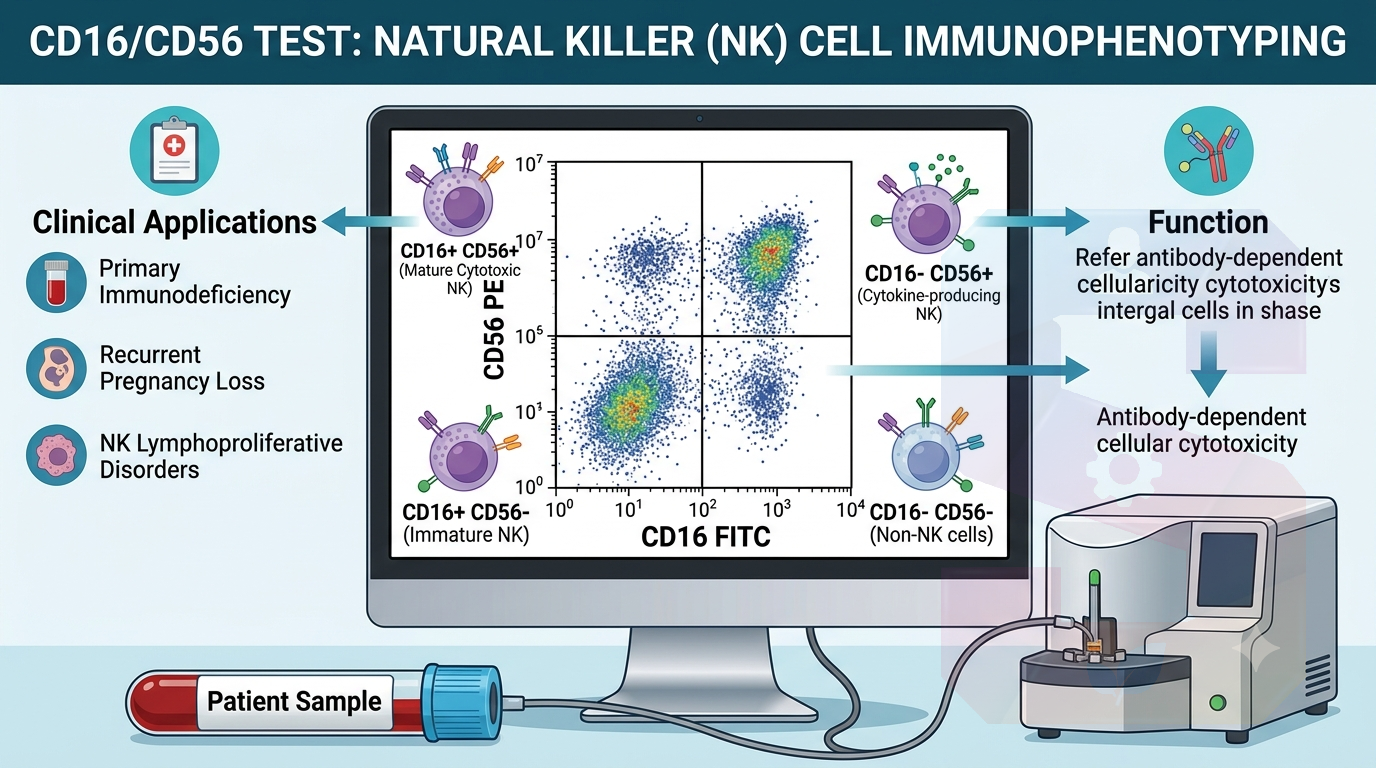
    The CD16/CD56 test is a specialized diagnostic evaluation in immunopathology used to identify and quantify Natural Killer (NK) cells. CD56 serves as a primary surface marker for NK cells and a subset of T-cells, while CD16 acts as an Fc receptor involved in antibody-dependent cellular cytotoxicity.
    Performed via flow cytometry on peripheral blood, this dual-marker panel assesses overall NK cell population, maturity, and function. It is essential for evaluating primary immunodeficiencies, investigating recurrent pregnancy loss, and diagnosing NK-cell or T/NK-cell lymphoproliferative disorders. Detecting CD16/CD56 expression provides critical data for staging hematologic malignancies and monitoring immune system status.
    The CD16/CD56 test is a specialized diagnostic evaluation in immunopathology used to identify and quantify Natural Killer (NK) cells. CD56 serves as a primary surface marker for NK cells and a subset of T-cells, while CD16 acts as an Fc receptor involved in antibody-dependent cellular cytotoxicity. Performed via flow cytometry on peripheral blood, this dual-marker panel assesses overall NK cell population, maturity, and function. It is essential for evaluating primary immunodeficiencies, investigating recurrent pregnancy loss, and diagnosing NK-cell or T/NK-cell lymphoproliferative disorders. Detecting CD16/CD56 expression provides critical data for staging hematologic malignancies and monitoring immune system status.
    0 Comments 0 Shares 8K Views 0 Reviews
  • CD 13 Test New
    2,600.00₹
    In stock
    All over India
    0 Reviews
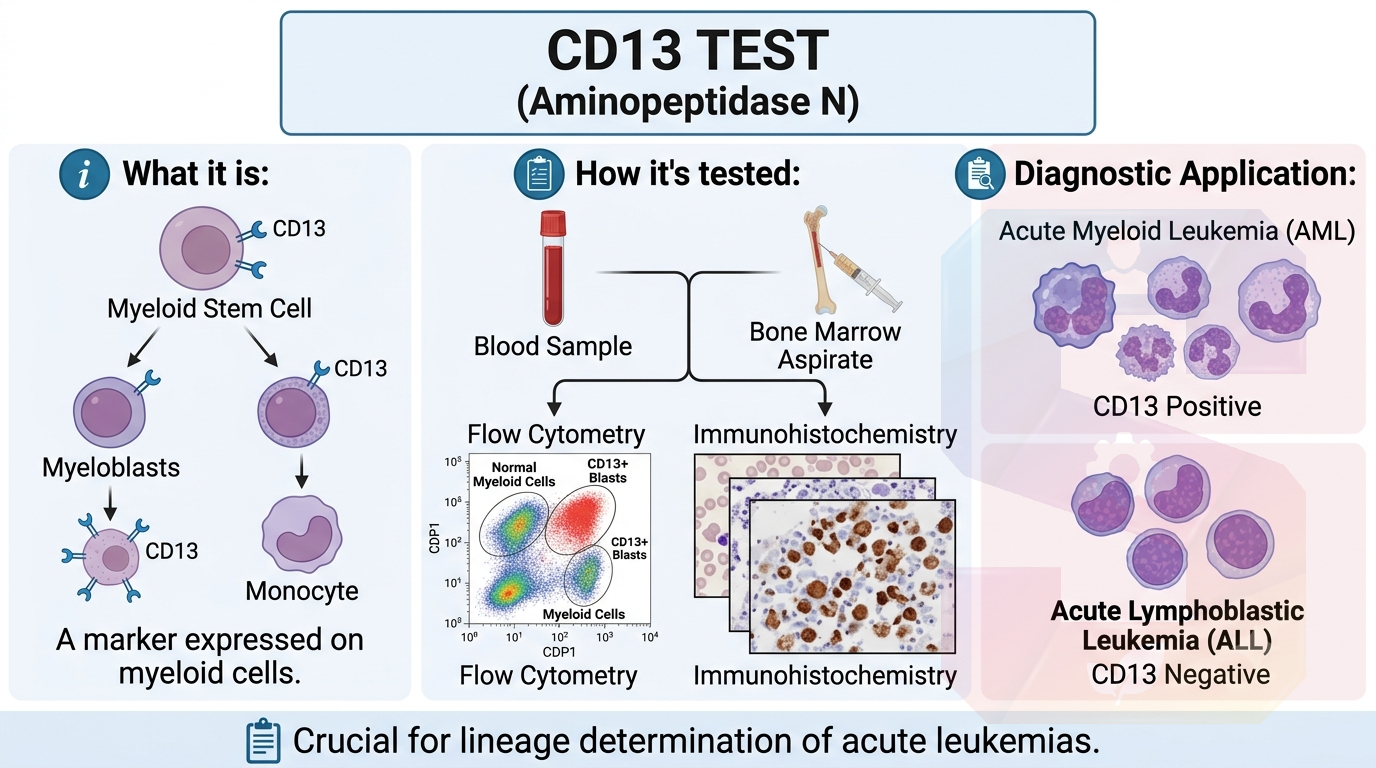
    The CD13 test is a diagnostic laboratory evaluation used in hematopathology to detect the expression of the CD100/CD13 surface protein, also known as Aminopeptidase N. Naturally expressed on mature and immature myeloid cells, CD13 serves as an essential marker for lineage identification.
    Conducted using flow cytometry or immunohistochemistry on blood or bone marrow samples, the test helps pathologists differentiate myeloid lineage leukemias from lymphoid malignancies. It is particularly vital for diagnosing Acute Myeloid Leukemia (AML) and identifying myeloid differentiation in acute leukemias. Ultimately, detecting CD13 assists clinicians in precise cancer subtyping, determining prognosis, and planning targeted therapeutic strategies.
    The CD13 test is a diagnostic laboratory evaluation used in hematopathology to detect the expression of the CD100/CD13 surface protein, also known as Aminopeptidase N. Naturally expressed on mature and immature myeloid cells, CD13 serves as an essential marker for lineage identification. Conducted using flow cytometry or immunohistochemistry on blood or bone marrow samples, the test helps pathologists differentiate myeloid lineage leukemias from lymphoid malignancies. It is particularly vital for diagnosing Acute Myeloid Leukemia (AML) and identifying myeloid differentiation in acute leukemias. Ultimately, detecting CD13 assists clinicians in precise cancer subtyping, determining prognosis, and planning targeted therapeutic strategies.
    0 Comments 0 Shares 8K Views 0 Reviews
  • CD 5 Test New
    2,390.00₹
    In stock
    All over India
    0 Reviews
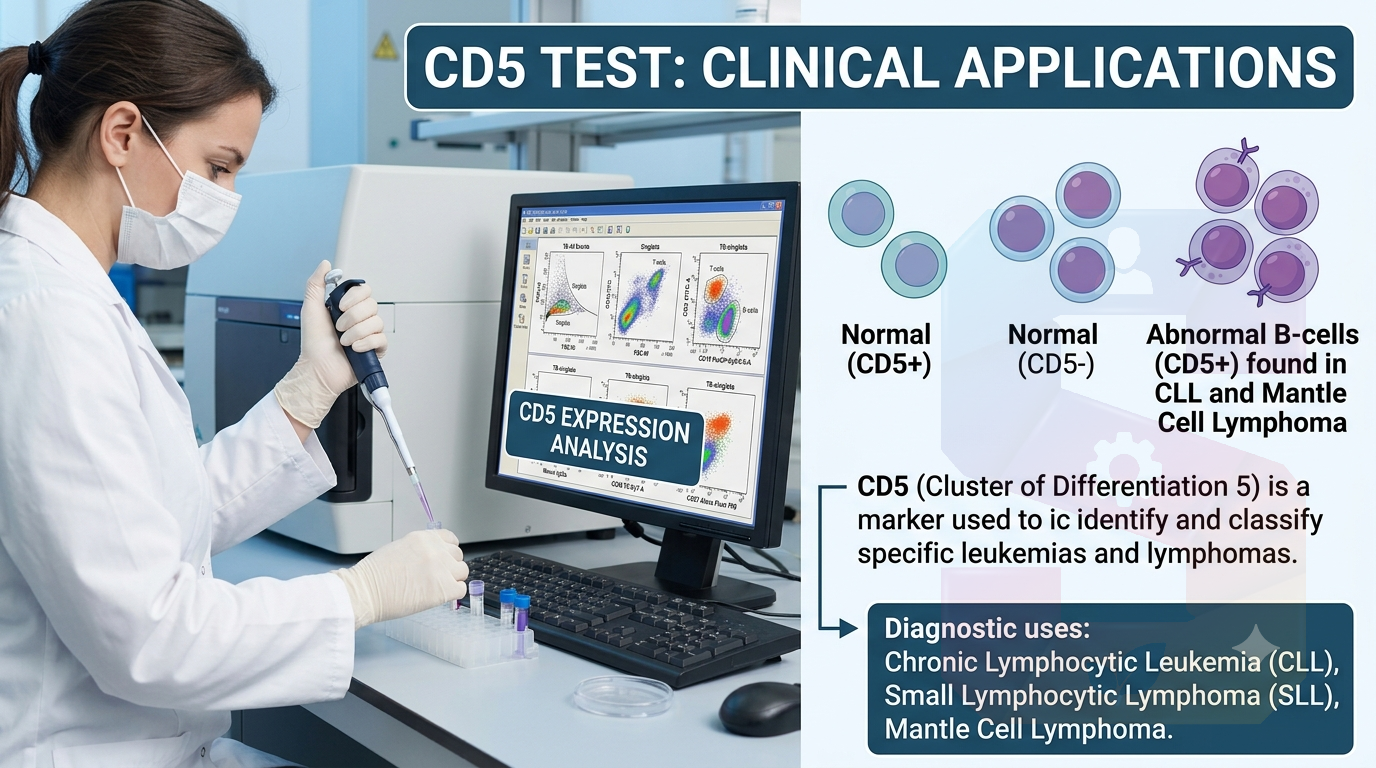
    The CD5 test is a diagnostic evaluation used in pathology and hematology to detect the expression of the CD5 protein on immune cells. CD5 is a cell-surface marker naturally present on mature T-lymphocytes and a small subset of B-lymphocytes.
    Performed via flow cytometry or immunohistochemistry on blood, bone marrow, or tissue biopsies, the test helps clinicians distinguish and classify specific blood cancers. Abnormal expression of CD5 on B-cells strongly points toward conditions like Chronic Lymphocytic Leukemia (CLL) and Mantle Cell Lymphoma. Ultimately, this test plays a vital role in accurate cancer staging, guiding targeted therapies, and monitoring treatment response.
    The CD5 test is a diagnostic evaluation used in pathology and hematology to detect the expression of the CD5 protein on immune cells. CD5 is a cell-surface marker naturally present on mature T-lymphocytes and a small subset of B-lymphocytes. Performed via flow cytometry or immunohistochemistry on blood, bone marrow, or tissue biopsies, the test helps clinicians distinguish and classify specific blood cancers. Abnormal expression of CD5 on B-cells strongly points toward conditions like Chronic Lymphocytic Leukemia (CLL) and Mantle Cell Lymphoma. Ultimately, this test plays a vital role in accurate cancer staging, guiding targeted therapies, and monitoring treatment response.
    0 Comments 0 Shares 8K Views 0 Reviews
  • Cardiac Profile - IPD Package New
    5,918.00₹
    In stock
    All over India
    0 Reviews
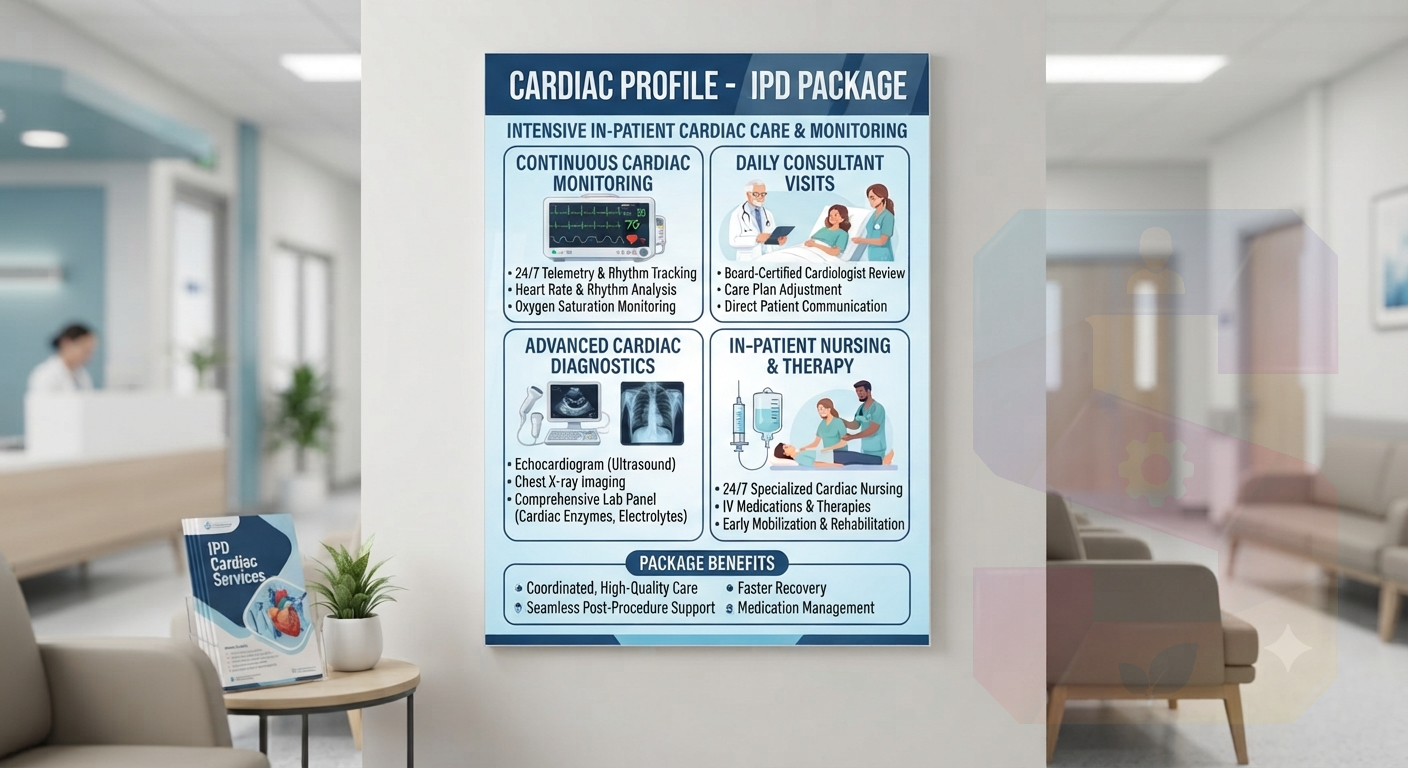
    The Cardiac Profile - IPD Package is an all-inclusive, in-patient hospital program meticulously designed for individuals requiring intensive cardiac assessment, stabilization, or post-procedure monitoring.
    Tailored for patients with acute conditions like unstable angina, recent heart failure exacerbation, or those recovering from interventions such as angioplasty or bypass surgery, this package bundles essential services for a seamless care experience. It typically includes 24/7 nursing care in a cardiac ward, continuous telemetry monitoring, daily consultant visits, comprehensive laboratory work, advanced imaging (like Echocardiograms), and pharmacy support.
    By consolidating these critical services, the IPD package ensures coordinated, high-quality care, promotes faster recovery, and provides peace of mind for patients and their families during a hospital stay.
    The Cardiac Profile - IPD Package is an all-inclusive, in-patient hospital program meticulously designed for individuals requiring intensive cardiac assessment, stabilization, or post-procedure monitoring. Tailored for patients with acute conditions like unstable angina, recent heart failure exacerbation, or those recovering from interventions such as angioplasty or bypass surgery, this package bundles essential services for a seamless care experience. It typically includes 24/7 nursing care in a cardiac ward, continuous telemetry monitoring, daily consultant visits, comprehensive laboratory work, advanced imaging (like Echocardiograms), and pharmacy support. By consolidating these critical services, the IPD package ensures coordinated, high-quality care, promotes faster recovery, and provides peace of mind for patients and their families during a hospital stay.
    0 Comments 0 Shares 2K Views 0 Reviews
  • Cardiac Profile C Test New
    3,850.00₹
    In stock
    All over India
    0 Reviews
    The Cardiac Profile C test is an advanced, comprehensive diagnostic evaluation designed to provide an in-depth analysis of cardiovascular health and intricate heart disease risks. Building upon standard and intermediate screenings, this specialized panel frequently includes high-sensitivity cardiac markers, advanced lipid fractionations, genetic or inflammatory indicators, and specialized coagulation factors. By detecting subtle vascular inflammation, micro-vascular stress, and precise lipoprotein particle sizes, the Cardiac Profile C test offers clinicians granular insight into a patient's long-term wellness. This high-resolution diagnostic tool enables fully personalized preventive strategies, early intervention, and optimized therapeutic management for long-term cardiac protection.
    The Cardiac Profile C test is an advanced, comprehensive diagnostic evaluation designed to provide an in-depth analysis of cardiovascular health and intricate heart disease risks. Building upon standard and intermediate screenings, this specialized panel frequently includes high-sensitivity cardiac markers, advanced lipid fractionations, genetic or inflammatory indicators, and specialized coagulation factors. By detecting subtle vascular inflammation, micro-vascular stress, and precise lipoprotein particle sizes, the Cardiac Profile C test offers clinicians granular insight into a patient's long-term wellness. This high-resolution diagnostic tool enables fully personalized preventive strategies, early intervention, and optimized therapeutic management for long-term cardiac protection.
    0 Comments 0 Shares 2K Views 0 Reviews
  • Calcium Creatinine Ratio (spot) test New
    462.00₹
    In stock
    All over India
    0 Reviews
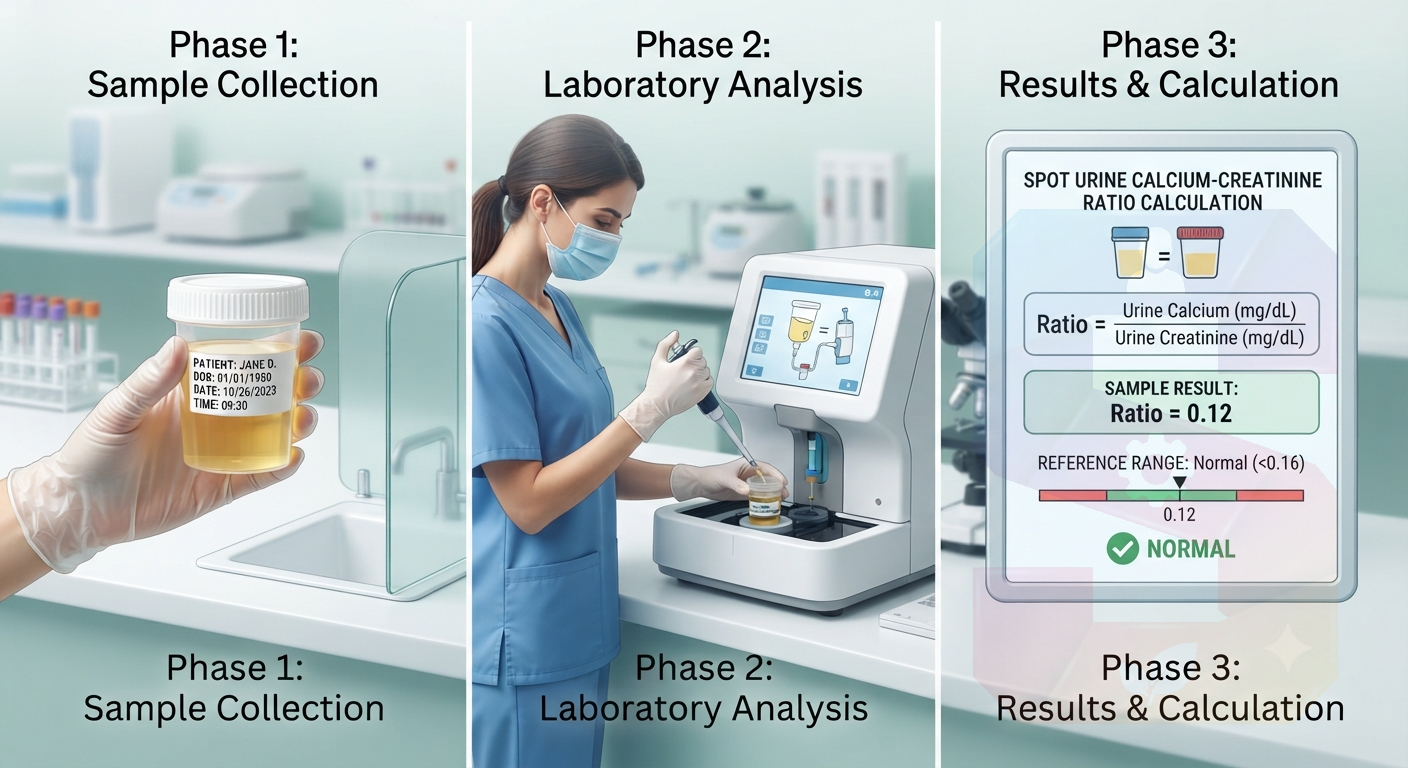
    A spot calcium-creatinine ratio test is a quick laboratory assessment that measures the levels of calcium and creatinine in a single, random urine sample rather than over a full 24 hours. By dividing the calcium concentration by the creatinine concentration, doctors can correct for how concentrated or diluted your urine is at that moment. This convenient screening tool helps quickly evaluate mineral excretion, assess potential risks for kidney stones, and monitor conditions affecting bone or parathyroid health. It serves as an efficient alternative when a full day of urine collection is unnecessary or impractical.
    A spot calcium-creatinine ratio test is a quick laboratory assessment that measures the levels of calcium and creatinine in a single, random urine sample rather than over a full 24 hours. By dividing the calcium concentration by the creatinine concentration, doctors can correct for how concentrated or diluted your urine is at that moment. This convenient screening tool helps quickly evaluate mineral excretion, assess potential risks for kidney stones, and monitor conditions affecting bone or parathyroid health. It serves as an efficient alternative when a full day of urine collection is unnecessary or impractical.
    0 Comments 0 Shares 369 Views 0 Reviews
  • Calcitonin Test New
    2,890.00₹
    In stock
    All over India
    0 Reviews
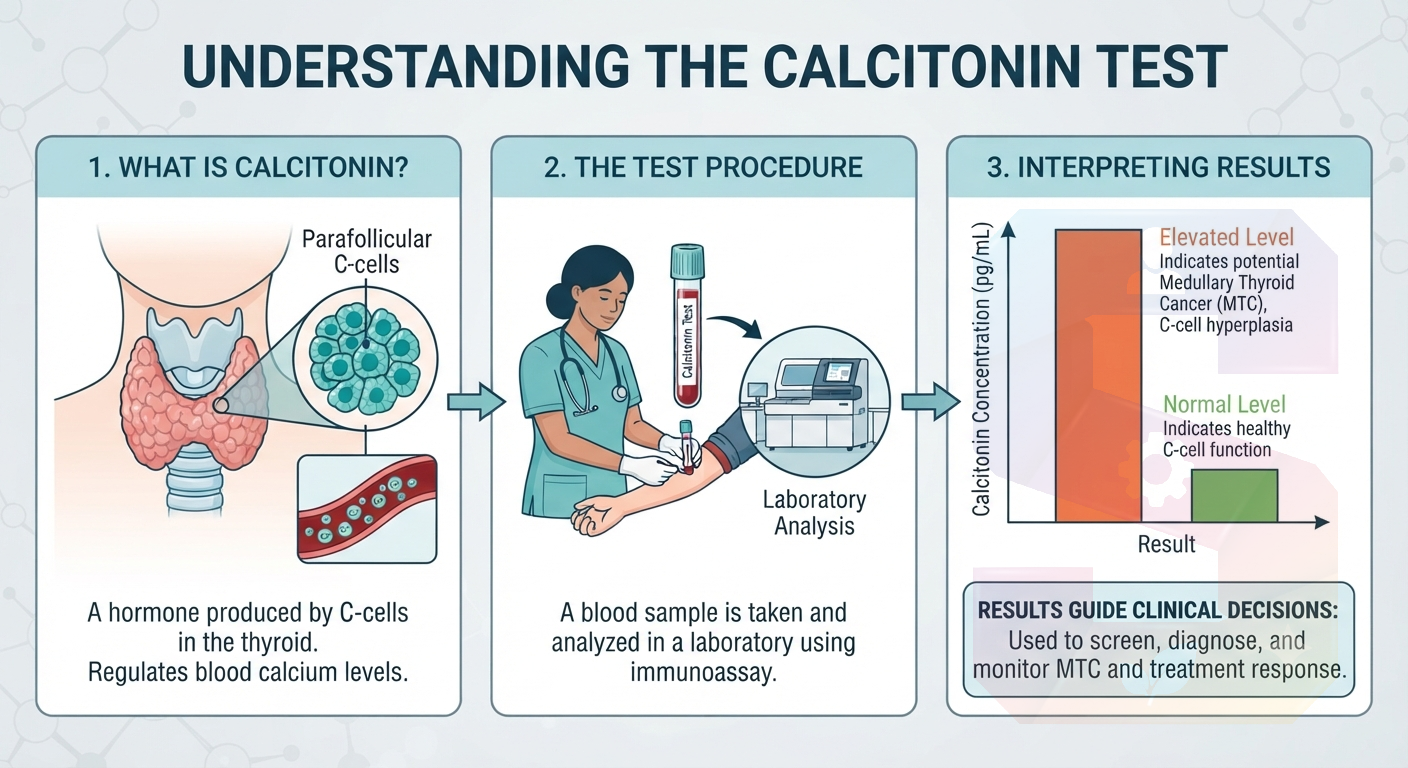
    The calcitonin test measures the level of the hormone calcitonin in the blood, which is primarily produced by the parafollicular C-cells of the thyroid gland. Calcitonin's main role is to help regulate calcium and phosphate levels in the blood, opposing the action of parathyroid hormone. The primary clinical utility of this test is to screen for and monitor medullary thyroid cancer (MTC), a rare type of thyroid tumor originating from C-cells. Elevated calcitonin levels are highly indicative of MTC, and the test is also used to assess treatment response and detect recurrence after surgery. It may sometimes be used in conjunction with a calcium stimulation test to enhance diagnostic accuracy.
    The calcitonin test measures the level of the hormone calcitonin in the blood, which is primarily produced by the parafollicular C-cells of the thyroid gland. Calcitonin's main role is to help regulate calcium and phosphate levels in the blood, opposing the action of parathyroid hormone. The primary clinical utility of this test is to screen for and monitor medullary thyroid cancer (MTC), a rare type of thyroid tumor originating from C-cells. Elevated calcitonin levels are highly indicative of MTC, and the test is also used to assess treatment response and detect recurrence after surgery. It may sometimes be used in conjunction with a calcium stimulation test to enhance diagnostic accuracy.
    0 Comments 0 Shares 685 Views 0 Reviews
  • Caesium Test New
    2,145.00₹
    In stock
    All over India
    0 Reviews
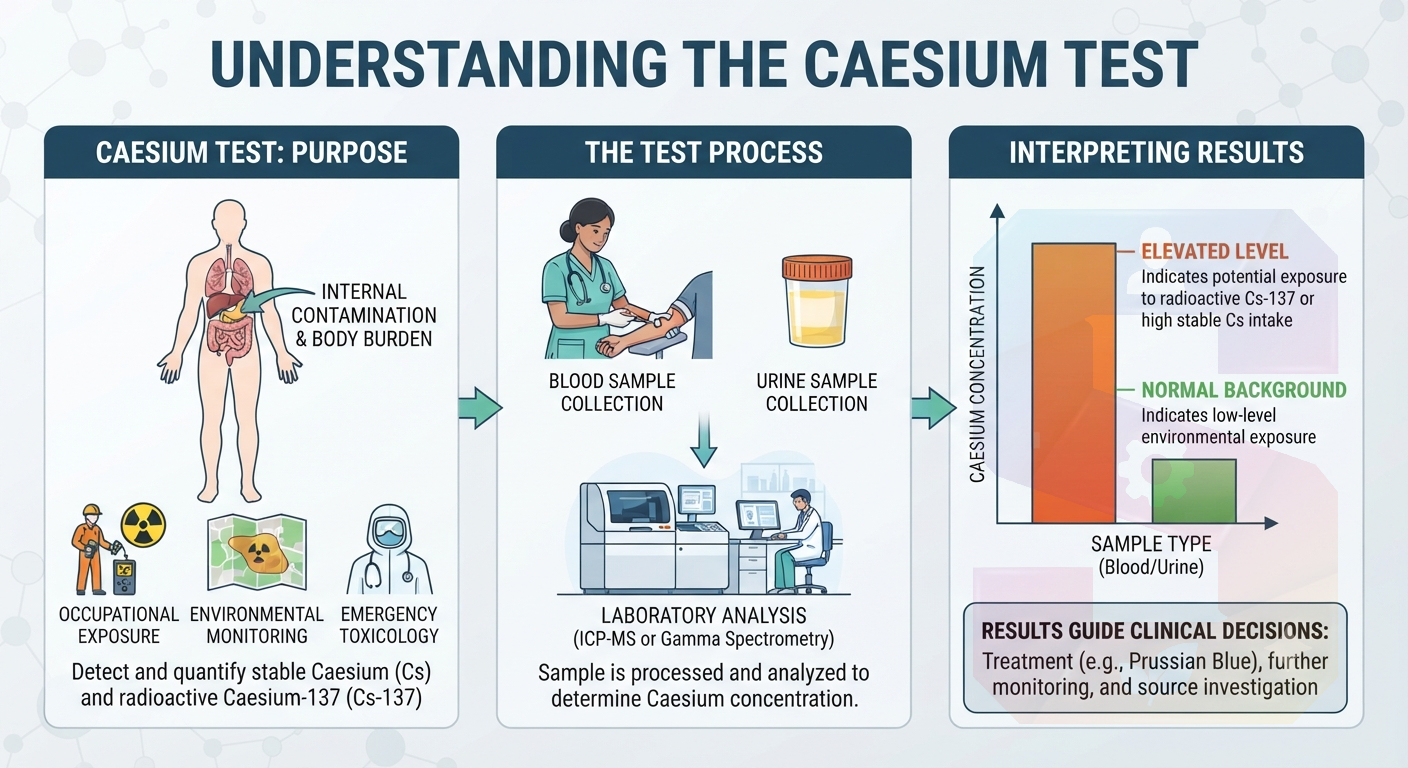
    A caesium test measures the concentration of the heavy metal caesium in biological samples such as blood or urine. While naturally occurring stable caesium poses minimal health risks, radioactive isotopes like caesium-137 can be released through nuclear accidents or industrial incidents, leading to internal contamination and radiation exposure. This diagnostic test is primarily used in emergency toxicology, occupational surveillance, and environmental medicine to detect exposure, quantify body burden, and guide mitigation or decorporation therapies, such as Prussian blue administration. Clinicians interpret test results alongside exposure history to evaluate potential health hazards and determine appropriate medical interventions.
    A caesium test measures the concentration of the heavy metal caesium in biological samples such as blood or urine. While naturally occurring stable caesium poses minimal health risks, radioactive isotopes like caesium-137 can be released through nuclear accidents or industrial incidents, leading to internal contamination and radiation exposure. This diagnostic test is primarily used in emergency toxicology, occupational surveillance, and environmental medicine to detect exposure, quantify body burden, and guide mitigation or decorporation therapies, such as Prussian blue administration. Clinicians interpret test results alongside exposure history to evaluate potential health hazards and determine appropriate medical interventions.
    0 Comments 0 Shares 741 Views 0 Reviews
  • Cadmium Test New
    2,145.00₹
    In stock
    All over India
    0 Reviews
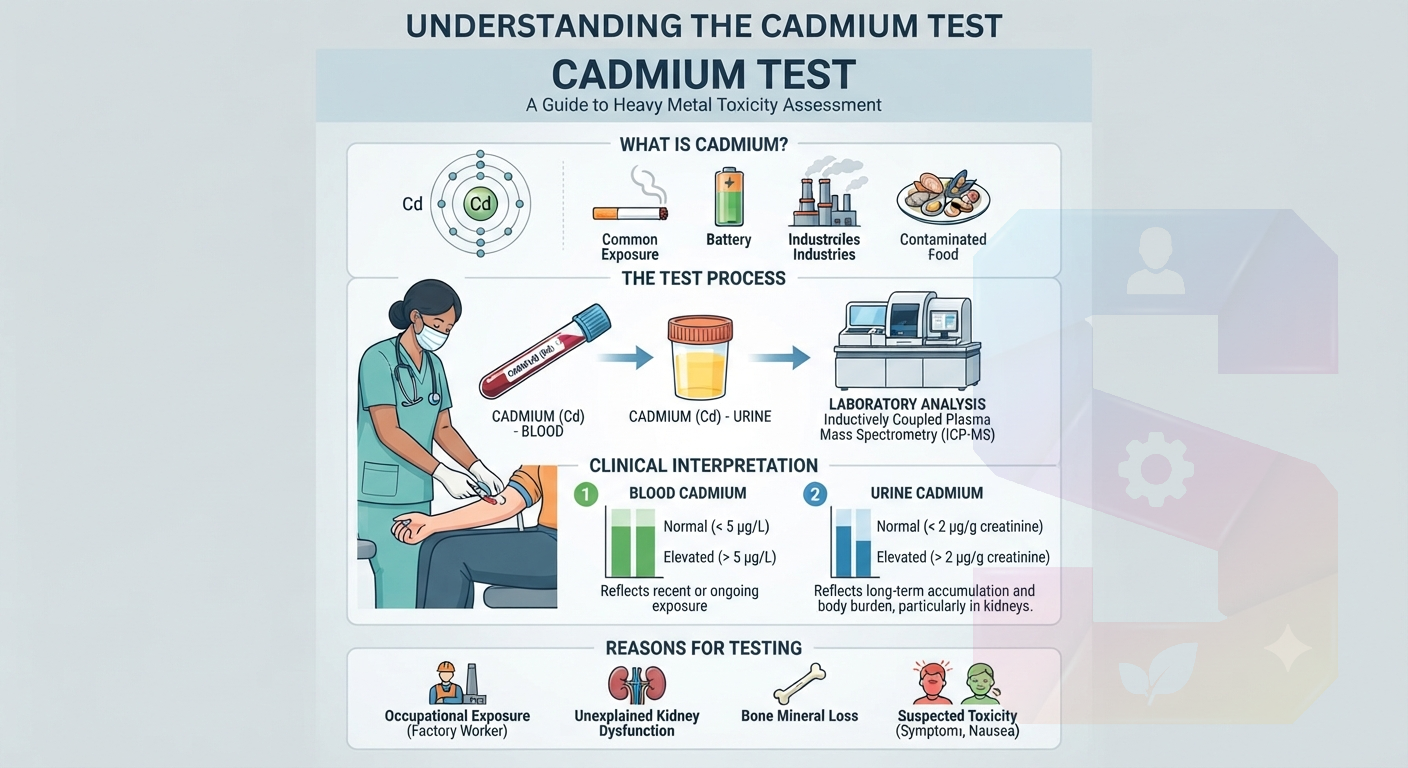
    A cadmium test measures the concentration of the toxic heavy metal cadmium in blood, urine, or hair samples. Cadmium exposure typically occurs through industrial workplaces, tobacco smoke, contaminated food, or batteries, and the metal can accumulate in organs such as the kidneys and liver over time. This diagnostic test is primarily used to assess acute or chronic heavy metal toxicity, monitor occupational safety compliance, and investigate unexplained renal dysfunction or bone mineral loss. Because cadmium has a long biological half-life, clinical evaluation helps guide removal from exposure sources and directs supportive medical management.
    A cadmium test measures the concentration of the toxic heavy metal cadmium in blood, urine, or hair samples. Cadmium exposure typically occurs through industrial workplaces, tobacco smoke, contaminated food, or batteries, and the metal can accumulate in organs such as the kidneys and liver over time. This diagnostic test is primarily used to assess acute or chronic heavy metal toxicity, monitor occupational safety compliance, and investigate unexplained renal dysfunction or bone mineral loss. Because cadmium has a long biological half-life, clinical evaluation helps guide removal from exposure sources and directs supportive medical management.
    0 Comments 0 Shares 683 Views 0 Reviews
  • C - Peptide Fasting New
    1,100.00₹
    In stock
    All over India
    0 Reviews
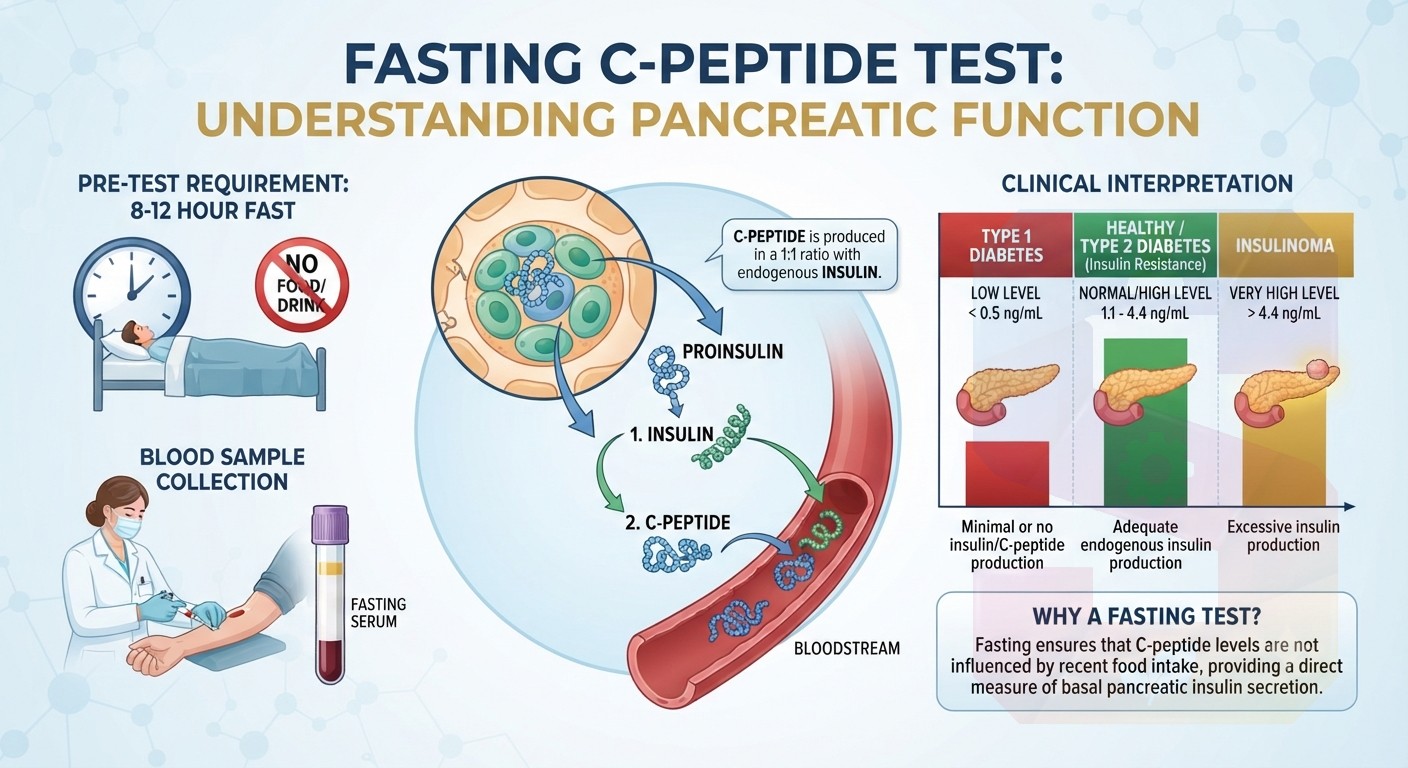
    A fasting C-peptide test is a valuable blood diagnostic assay used to measure the level of C-peptide in the bloodstream after a period of fasting. C-peptide is a byproduct created when proinsulin splits into insulin and C-peptide in equal amounts. Because it is secreted in tandem with endogenous insulin, measuring fasting C-peptide helps healthcare providers evaluate how much natural insulin the pancreas is actively producing. This test is essential for differentiating between type 1 and type 2 diabetes, assessing insulinoma tumors, and monitoring pancreatic function in patients managing diabetes treatment plans effectively.
    A fasting C-peptide test is a valuable blood diagnostic assay used to measure the level of C-peptide in the bloodstream after a period of fasting. C-peptide is a byproduct created when proinsulin splits into insulin and C-peptide in equal amounts. Because it is secreted in tandem with endogenous insulin, measuring fasting C-peptide helps healthcare providers evaluate how much natural insulin the pancreas is actively producing. This test is essential for differentiating between type 1 and type 2 diabetes, assessing insulinoma tumors, and monitoring pancreatic function in patients managing diabetes treatment plans effectively.
    0 Comments 0 Shares 2K Views 0 Reviews
  • C Reactive Protein (CRP) New
    495.00₹
    In stock
    All over India
    0 Reviews
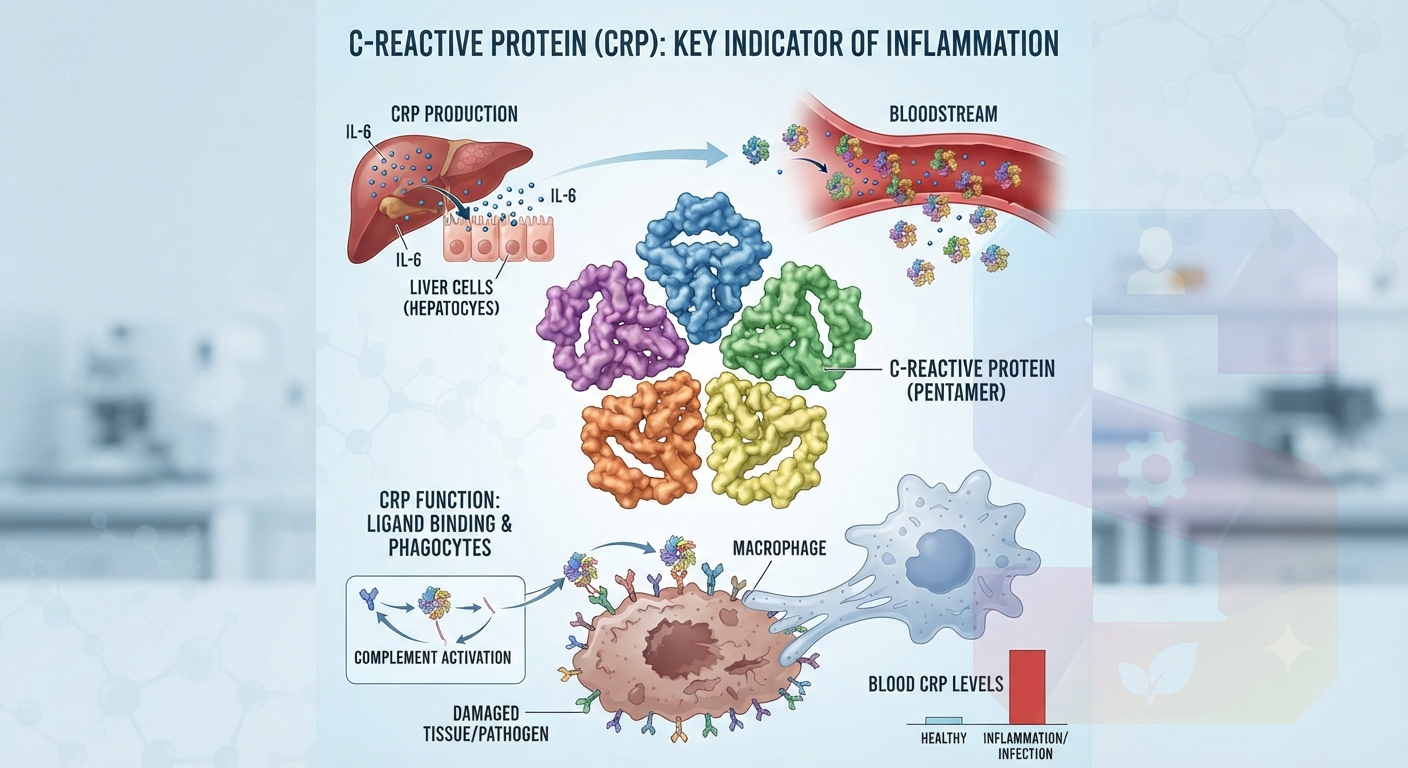
    C-reactive protein (CRP) is a ring-shaped protein found in the blood plasma, with levels that rise significantly in response to inflammation. Produced primarily by the liver, CRP acts as an important component of the innate immune system, binding to dead or dying cells and foreign pathogens to assist with their clearance. Clinicians frequently order a CRP blood test to detect acute inflammation, screen for infections, and monitor chronic inflammatory conditions like rheumatoid arthritis or inflammatory bowel disease. Elevated CRP levels serve as a non-specific indicator of underlying tissue injury, guiding medical professionals toward accurate diagnoses and effective treatment plans.
    C-reactive protein (CRP) is a ring-shaped protein found in the blood plasma, with levels that rise significantly in response to inflammation. Produced primarily by the liver, CRP acts as an important component of the innate immune system, binding to dead or dying cells and foreign pathogens to assist with their clearance. Clinicians frequently order a CRP blood test to detect acute inflammation, screen for infections, and monitor chronic inflammatory conditions like rheumatoid arthritis or inflammatory bowel disease. Elevated CRP levels serve as a non-specific indicator of underlying tissue injury, guiding medical professionals toward accurate diagnoses and effective treatment plans.
    0 Comments 0 Shares 1K Views 0 Reviews
More Results