


Buccal Cavity medium biopsy 1-3cm
New
1,000.00₹
In stock
All over India
0 Reviews
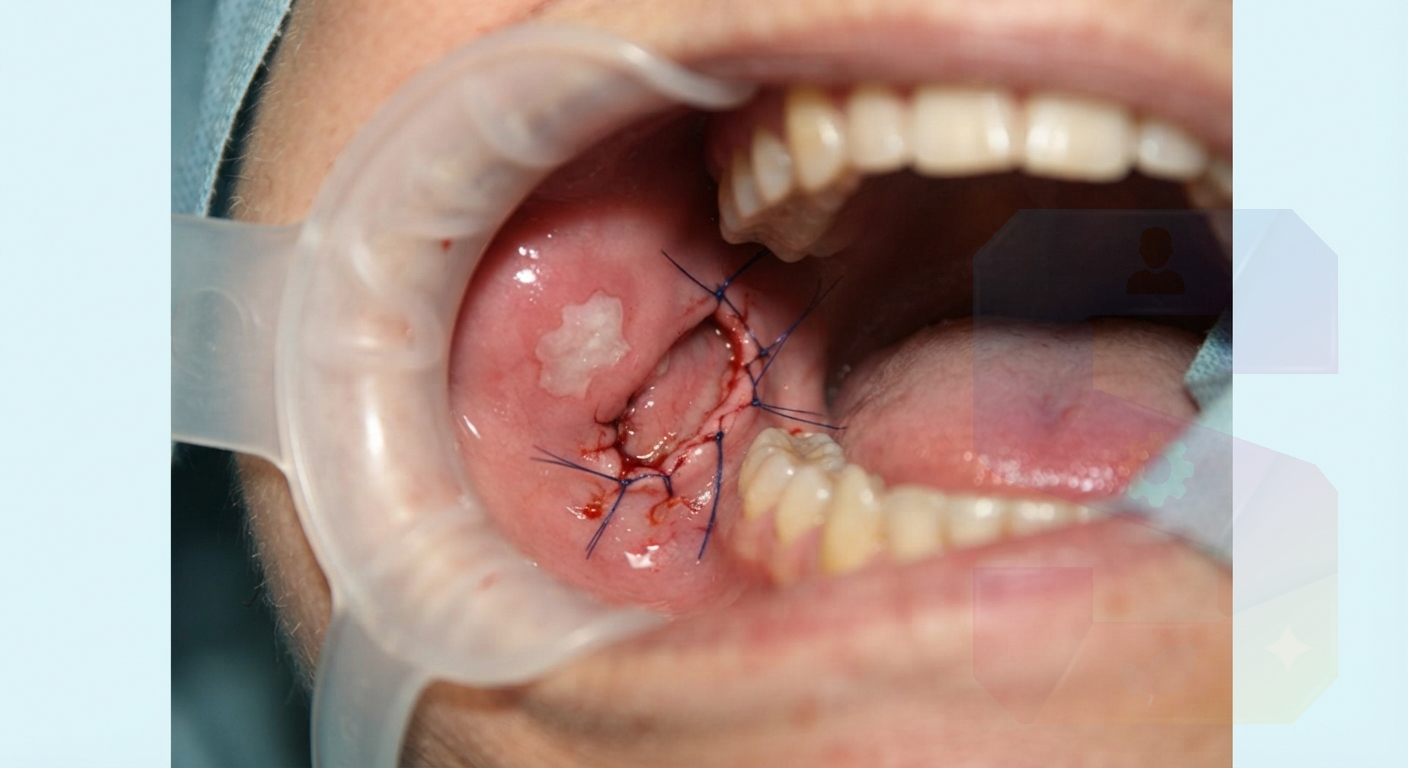
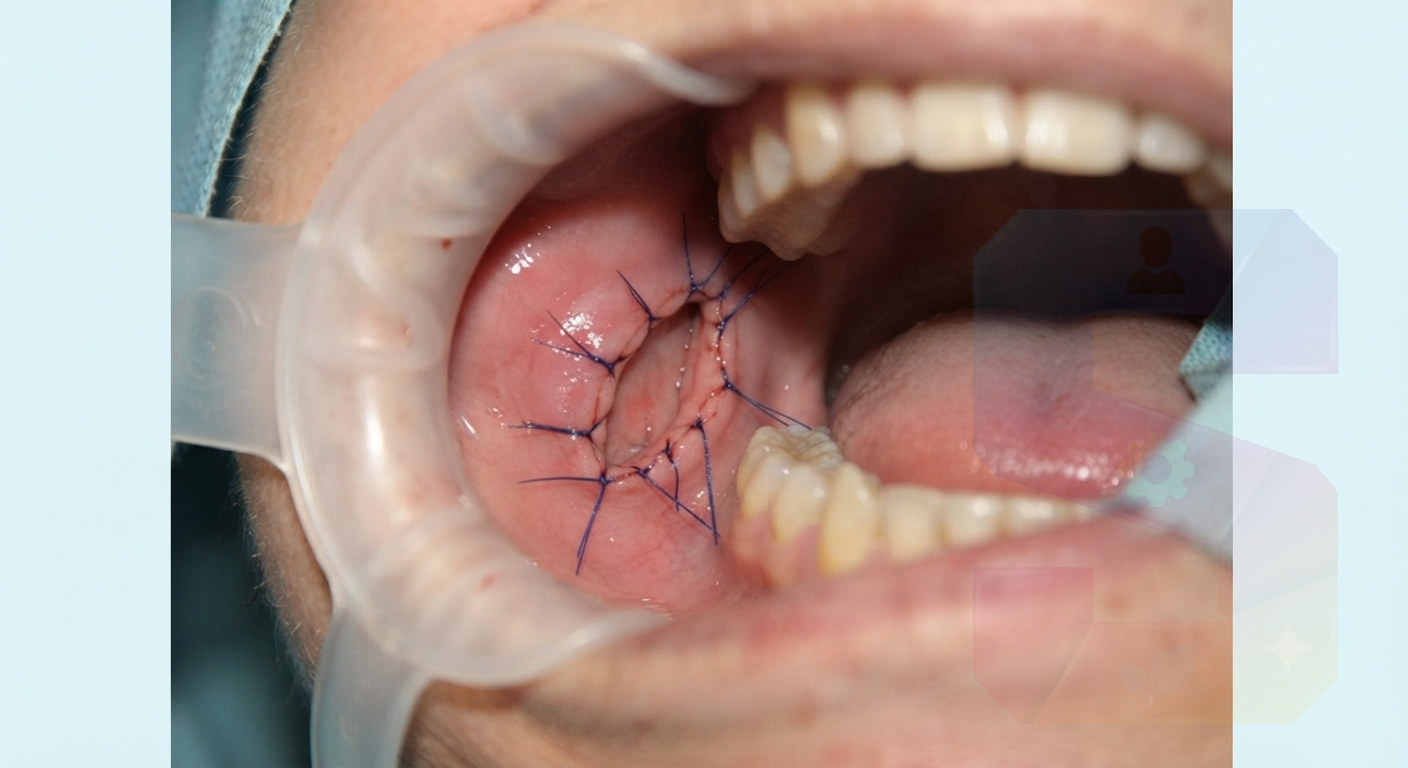
A medium biopsy of the buccal cavity, ranging from 1 to 3 cm, is a standard diagnostic procedure performed to evaluate suspicious lesions on the inner lining of the cheek. Clinicians undertake this intervention when a persistent growth, ulceration, or discoloration is detected that requires definitive histopathological analysis to rule out oral cancer or other diseases. The procedure is typically performed under local anesthesia. The surgeon carefully excises the identified tissue, ensuring an adequate margin of healthy tissue is included for comparison. The resulting wound is then closed with sutures. The excised specimen is subsequently sent to a laboratory for expert examination.
A medium biopsy of the buccal cavity, ranging from 1 to 3 cm, is a standard diagnostic procedure performed to evaluate suspicious lesions on the inner lining of the cheek. Clinicians undertake this intervention when a persistent growth, ulceration, or discoloration is detected that requires definitive histopathological analysis to rule out oral cancer or other diseases. The procedure is typically performed under local anesthesia. The surgeon carefully excises the identified tissue, ensuring an adequate margin of healthy tissue is included for comparison. The resulting wound is then closed with sutures. The excised specimen is subsequently sent to a laboratory for expert examination.