

• Anemia Profile - M New
    1,650.00₹
    In stock
    Hyderabad
    0 Reviews
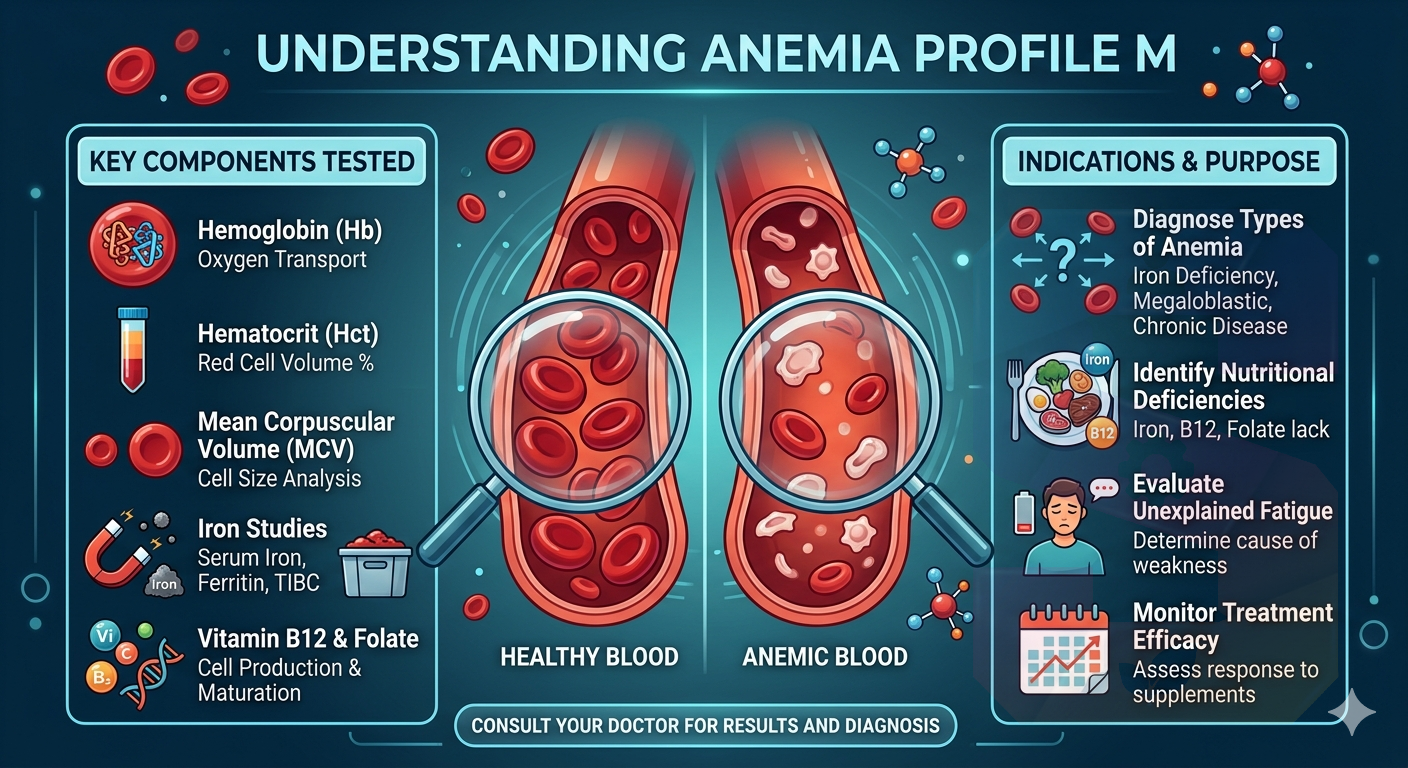
    An **Anemia Profile M** is a comprehensive diagnostic blood panel designed to evaluate the underlying causes of low hemoglobin and poor red blood cell (RBC) health. It goes beyond a standard blood count to pinpoint specific nutritional deficiencies and production issues.
    The profile typically evaluates:
    * **Complete Blood Count (CBC) with RBC Indices:** Assesses cell size (MCV) and hemoglobin concentration (MCH, MCHC).
    * **Iron Studies:** Measures serum iron, Total Iron-Binding Capacity (TIBC), and ferritin to map out body iron stores.
    * **Vitamin B12 & Folate Levels:** Screen for macrocytic or megaloblastic anemias.
    It is crucial for identifying iron deficiency, chronic inflammation, or vitamin malabsorption.
    An **Anemia Profile M** is a comprehensive diagnostic blood panel designed to evaluate the underlying causes of low hemoglobin and poor red blood cell (RBC) health. It goes beyond a standard blood count to pinpoint specific nutritional deficiencies and production issues. The profile typically evaluates: * **Complete Blood Count (CBC) with RBC Indices:** Assesses cell size (MCV) and hemoglobin concentration (MCH, MCHC). * **Iron Studies:** Measures serum iron, Total Iron-Binding Capacity (TIBC), and ferritin to map out body iron stores. * **Vitamin B12 & Folate Levels:** Screen for macrocytic or megaloblastic anemias. It is crucial for identifying iron deficiency, chronic inflammation, or vitamin malabsorption.
    0 Comments 0 Shares 372 Views 0 Reviews
  • Anemia Profile - B New
    2,420.00₹
    In stock
    Hyderabad
    0 Reviews
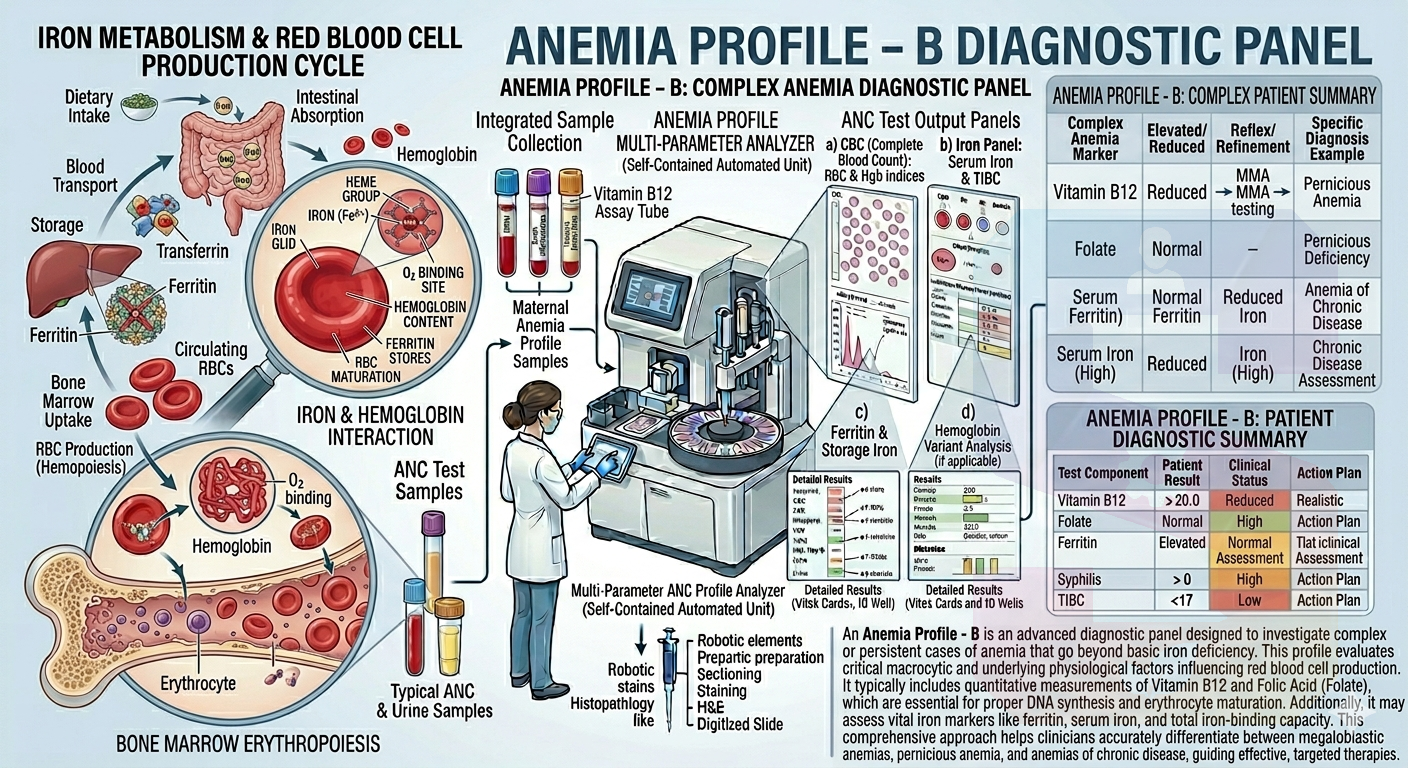
    An **Anemia Profile - B** is an advanced diagnostic panel designed to investigate complex or persistent cases of anemia that go beyond basic iron deficiency. This profile evaluates critical macrocytic and underlying physiological factors influencing red blood cell production.

    It typically includes quantitative measurements of Vitamin B12 and Folic Acid (Folate), which are essential for proper DNA synthesis and erythrocyte maturation. Additionally, it may assess vital iron markers like ferritin, serum iron, and total iron-binding capacity. This comprehensive approach helps clinicians accurately differentiate between megaloblastic anemias, pernicious anemia, and anemias of chronic disease, guiding effective, targeted therapies.
    An **Anemia Profile - B** is an advanced diagnostic panel designed to investigate complex or persistent cases of anemia that go beyond basic iron deficiency. This profile evaluates critical macrocytic and underlying physiological factors influencing red blood cell production. It typically includes quantitative measurements of Vitamin B12 and Folic Acid (Folate), which are essential for proper DNA synthesis and erythrocyte maturation. Additionally, it may assess vital iron markers like ferritin, serum iron, and total iron-binding capacity. This comprehensive approach helps clinicians accurately differentiate between megaloblastic anemias, pernicious anemia, and anemias of chronic disease, guiding effective, targeted therapies.
    0 Comments 0 Shares 579 Views 0 Reviews
  • Alpha thalassemia gene analysis Diagnostic test New
    16,000.00₹
    In stock
    Hyderabad
    0 Reviews
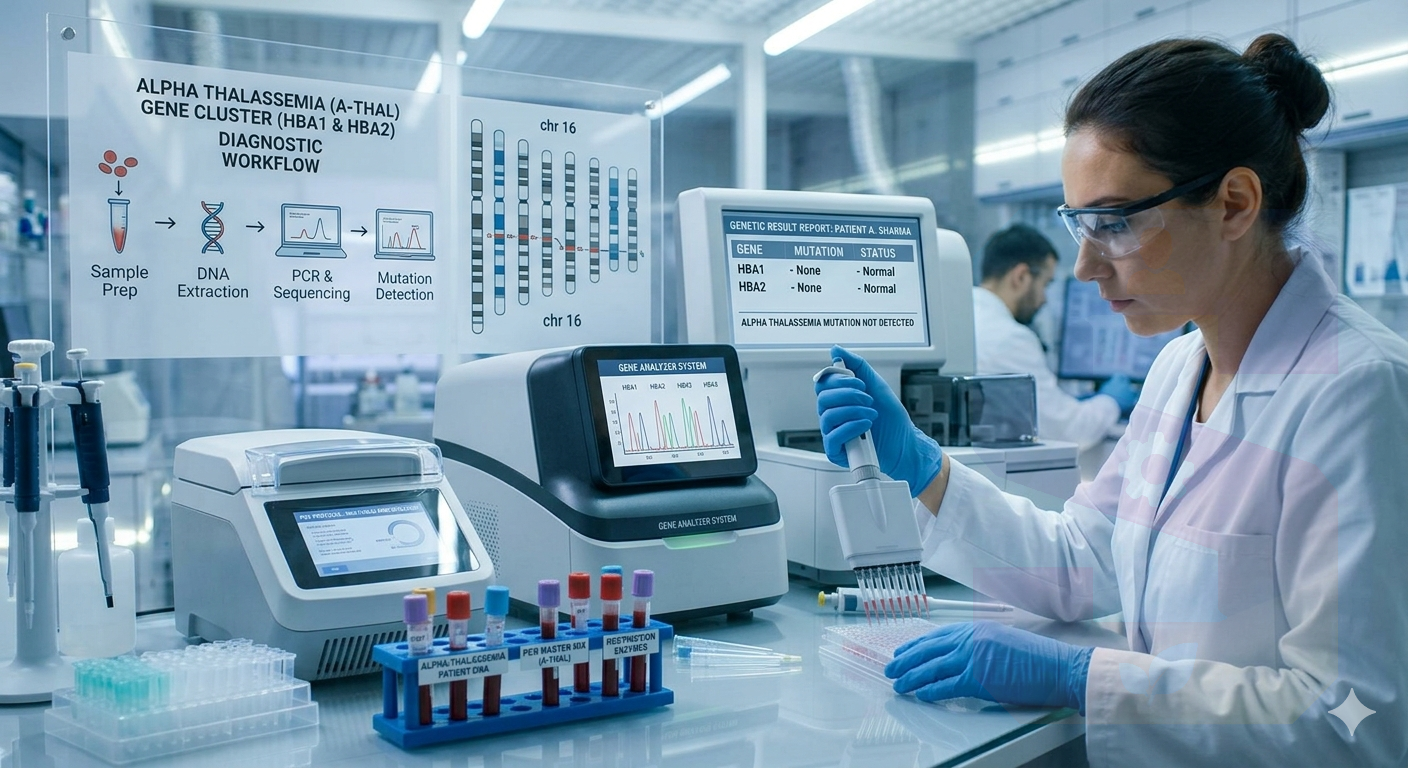
    The **Alpha Thalassemia Gene Analysis Diagnostic Test** is a specialized molecular blood test used to detect deletions or mutations in the alpha-globin genes ($HBA1$ and $HBA2$). Since alpha thalassemia is an inherited blood disorder that reduces hemoglobin production, this genetic analysis is the definitive method for identifying carriers and diagnosing varying severities of the condition, from silent carriers to HbH disease.

    This test is highly critical for prenatal screening, preconception counseling, and evaluating individuals with unexplained microcytic anemia. By precisely mapping genetic variations, it allows clinicians to predict clinical outcomes and guide personalized management strategies.
    The **Alpha Thalassemia Gene Analysis Diagnostic Test** is a specialized molecular blood test used to detect deletions or mutations in the alpha-globin genes ($HBA1$ and $HBA2$). Since alpha thalassemia is an inherited blood disorder that reduces hemoglobin production, this genetic analysis is the definitive method for identifying carriers and diagnosing varying severities of the condition, from silent carriers to HbH disease. This test is highly critical for prenatal screening, preconception counseling, and evaluating individuals with unexplained microcytic anemia. By precisely mapping genetic variations, it allows clinicians to predict clinical outcomes and guide personalized management strategies.
    0 Comments 0 Shares 357 Views 0 Reviews
  • Aldosterone / Direct Renin Ratio Diagnostic test New
    7,300.00₹
    In stock
    Hyderabad
    0 Reviews
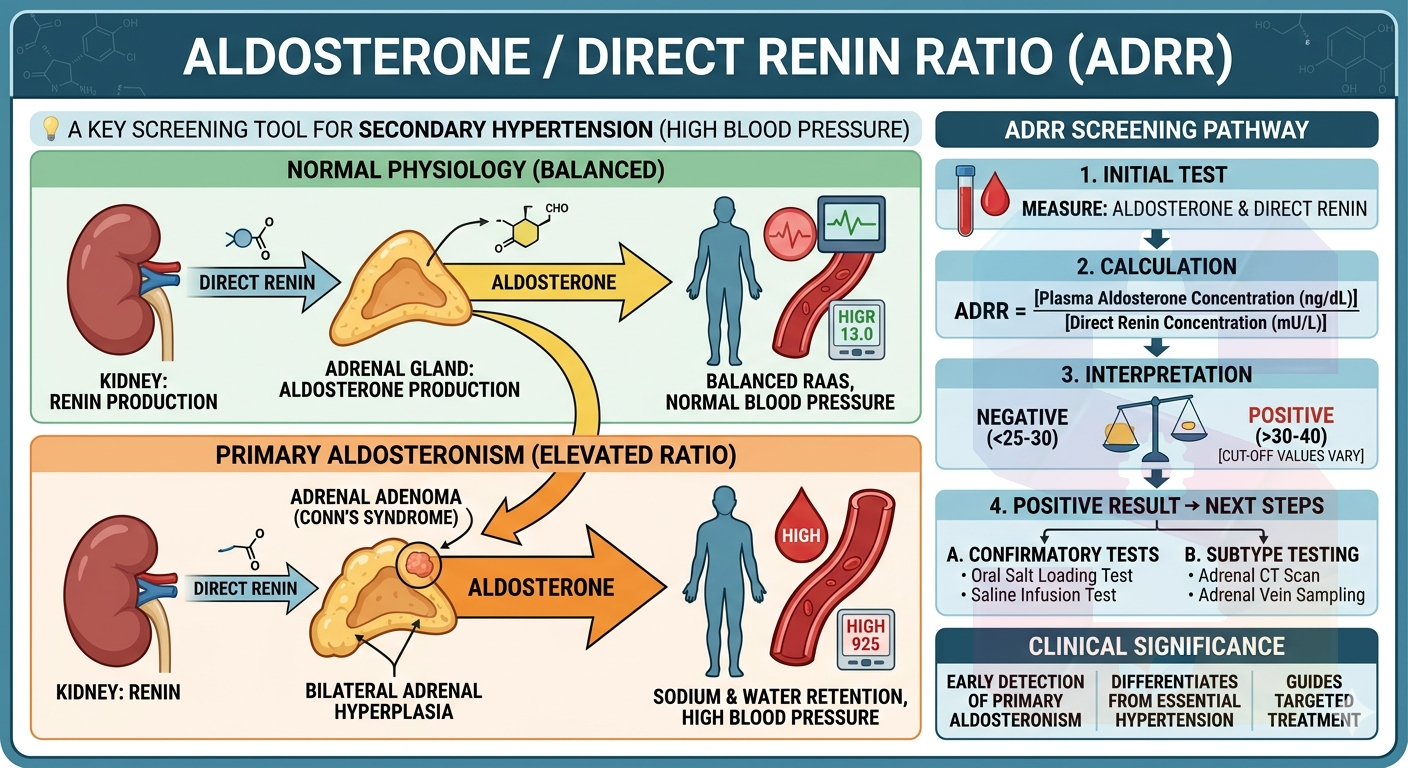
    The Aldosterone/Direct Renin Ratio (ADRR) is a vital screening tool used by clinicians to detect primary aldosteronism, a leading cause of secondary high blood pressure.

    Aldosterone is a hormone that regulates sodium and water balance, while renin is an enzyme that controls aldosterone production. In a healthy body, these two work in tandem. However, in primary aldosteronism, the adrenal glands overproduce aldosterone independently of renin.

    By measuring both levels in the blood and calculating the ratio, doctors can identify an abnormal imbalance—specifically, highly elevated aldosterone alongside suppressed renin levels—signaling the need for further diagnostic testing.
    The Aldosterone/Direct Renin Ratio (ADRR) is a vital screening tool used by clinicians to detect primary aldosteronism, a leading cause of secondary high blood pressure. Aldosterone is a hormone that regulates sodium and water balance, while renin is an enzyme that controls aldosterone production. In a healthy body, these two work in tandem. However, in primary aldosteronism, the adrenal glands overproduce aldosterone independently of renin. By measuring both levels in the blood and calculating the ratio, doctors can identify an abnormal imbalance—specifically, highly elevated aldosterone alongside suppressed renin levels—signaling the need for further diagnostic testing.
    0 Comments 0 Shares 508 Views 0 Reviews
  • Aldosterone Urine 24H diagnostic test New
    2,200.00₹
    In stock
    Hyderabad
    0 Reviews
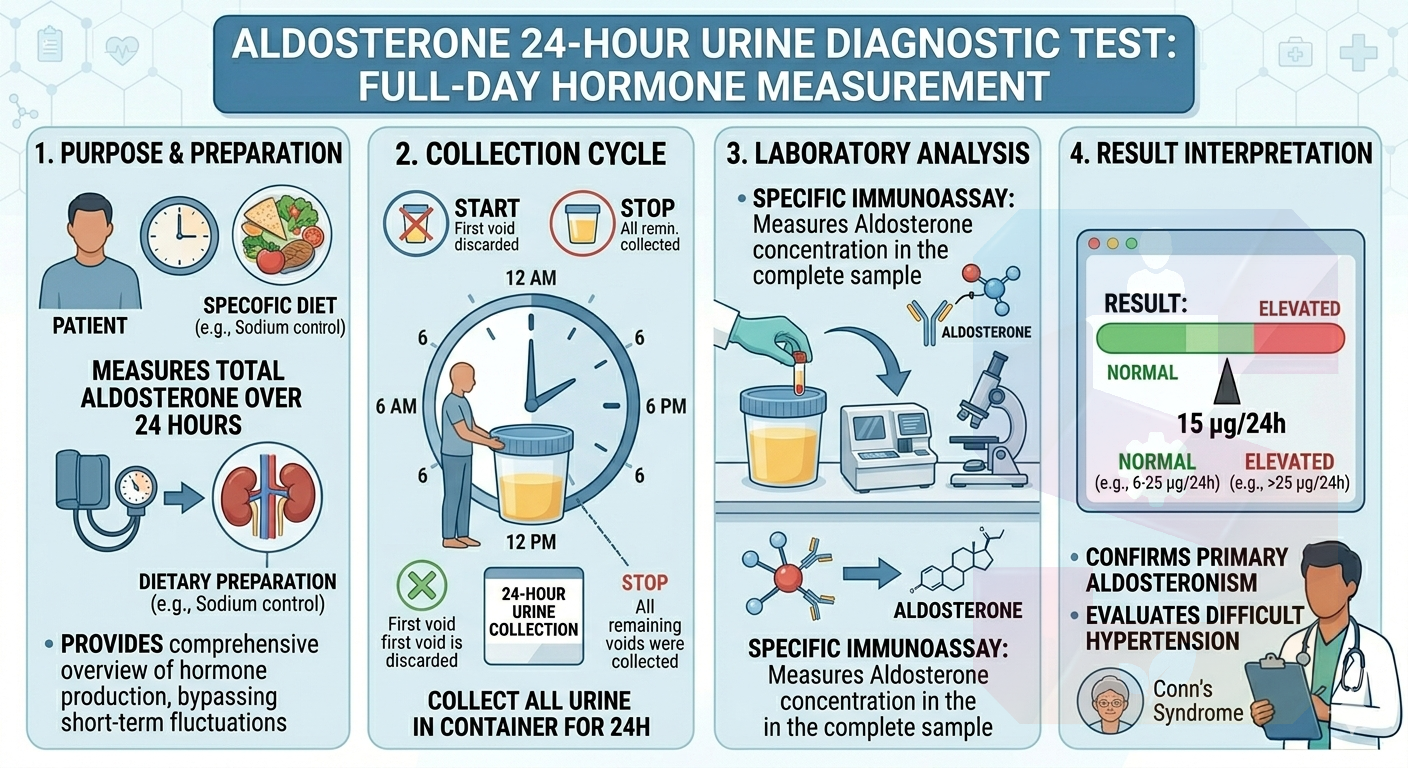
    An **Aldosterone 24-Hour Urine Diagnostic Test** measures the total amount of aldosterone excreted in urine over a full day. This provides a comprehensive overview of hormone production, bypassing the hourly fluctuations common in blood tests.

    To perform the test, a patient collects all urine passed within a 24-hour period into a specialized container.

    Clinicians typically order this test to confirm primary aldosteronism (Conn's syndrome) or evaluate cases of difficult-to-treat high blood pressure and low blood potassium. Because results depend heavily on diet, patients are often instructed to maintain a specific sodium intake prior to collection.
    An **Aldosterone 24-Hour Urine Diagnostic Test** measures the total amount of aldosterone excreted in urine over a full day. This provides a comprehensive overview of hormone production, bypassing the hourly fluctuations common in blood tests. To perform the test, a patient collects all urine passed within a 24-hour period into a specialized container. Clinicians typically order this test to confirm primary aldosteronism (Conn's syndrome) or evaluate cases of difficult-to-treat high blood pressure and low blood potassium. Because results depend heavily on diet, patients are often instructed to maintain a specific sodium intake prior to collection.
    0 Comments 0 Shares 581 Views 0 Reviews
  • ADH (Antidiuretic Hormone Vasopressin), EDTA Plasma(ADH) New
    5,750.00₹
    In stock
    Hyderabad
    0 Reviews
    Hormone Role: Antidiuretic Hormone (ADH), also known as Arginine Vasopressin (AVP), is produced in the hypothalamus and released by the posterior pituitary gland. Its primary function is to regulate water balance by increasing water reabsorption in the kidneys, thus concentrating urine and conserving body fluid.
    Clinical Use: The test measures ADH levels in the blood to help diagnose disorders of water metabolism, such as:
    Diabetes Insipidus (DI): Caused by ADH deficiency (Central DI) or kidney unresponsiveness to ADH (Nephrogenic DI).
    Syndrome of Inappropriate Antidiuretic Hormone (SIADH): Caused by excessive ADH production, leading to water retention and low blood sodium (hyponatremia).
    Test Context: ADH levels are often interpreted alongside serum and urine osmolality and electrolytes, or as part of specialized procedures like the Water Deprivation Test.
    Hormone Role: Antidiuretic Hormone (ADH), also known as Arginine Vasopressin (AVP), is produced in the hypothalamus and released by the posterior pituitary gland. Its primary function is to regulate water balance by increasing water reabsorption in the kidneys, thus concentrating urine and conserving body fluid. Clinical Use: The test measures ADH levels in the blood to help diagnose disorders of water metabolism, such as: Diabetes Insipidus (DI): Caused by ADH deficiency (Central DI) or kidney unresponsiveness to ADH (Nephrogenic DI). Syndrome of Inappropriate Antidiuretic Hormone (SIADH): Caused by excessive ADH production, leading to water retention and low blood sodium (hyponatremia). Test Context: ADH levels are often interpreted alongside serum and urine osmolality and electrolytes, or as part of specialized procedures like the Water Deprivation Test.
    0 Comments 0 Shares 1K Views 0 Reviews
  • ACTH (Adreno Corticotropic Hormone) Test New
    1,950.00₹
    In stock
    0 Reviews
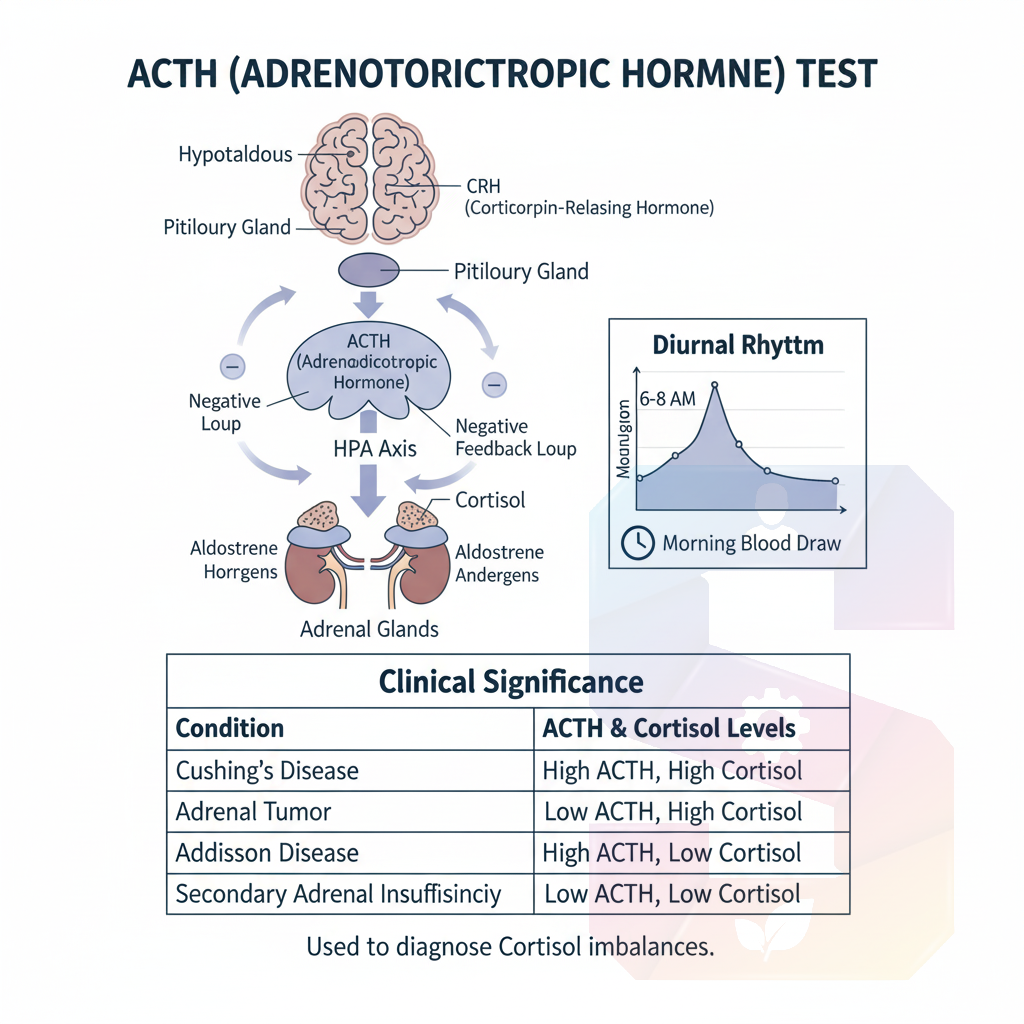
    The ACTH (Adrenocorticotropic Hormone) Test is a blood test that measures the amount of ACTH in your blood. ACTH is a hormone produced by the pituitary gland in the brain.

    🧠 The Hypothalamic-Pituitary-Adrenal (HPA) Axis
    To understand the ACTH test, it's essential to know about the HPA axis, which is a complex feedback system involving three glands:

    Hypothalamus: Releases Corticotropin-Releasing Hormone (CRH).

    Pituitary Gland: Stimulated by CRH, it releases ACTH.

    Adrenal Glands: Stimulated by ACTH, they release cortisol (and other adrenal hormones).

    Cortisol is a vital "stress hormone" involved in metabolism, immune response, blood pressure regulation, and more. When cortisol levels rise, they feed back to the hypothalamus and pituitary to inhibit CRH and ACTH production, creating a finely tuned balance.

    📝 What the Test Measures
    The ACTH test measures the level of ACTH, which helps to evaluate the function of the pituitary gland and adrenal glands and to determine the cause of imbalances in cortisol production.

    ⏰ Importance of Timing
    ACTH levels fluctuate throughout the day in a diurnal rhythm:

    They are highest in the early morning (around 6-8 AM).

    They gradually decrease throughout the day.

    They are lowest in the late evening/night.

    Therefore, the timing of the blood draw for an ACTH test is crucial, usually performed in the morning when levels are at their peak.

    🩺 Clinical Significance
    The ACTH test is used to diagnose and differentiate various conditions affecting the HPA axis, primarily related to excess or deficiency of cortisol.
    The ACTH (Adrenocorticotropic Hormone) Test is a blood test that measures the amount of ACTH in your blood. ACTH is a hormone produced by the pituitary gland in the brain. 🧠 The Hypothalamic-Pituitary-Adrenal (HPA) Axis To understand the ACTH test, it's essential to know about the HPA axis, which is a complex feedback system involving three glands: Hypothalamus: Releases Corticotropin-Releasing Hormone (CRH). Pituitary Gland: Stimulated by CRH, it releases ACTH. Adrenal Glands: Stimulated by ACTH, they release cortisol (and other adrenal hormones). Cortisol is a vital "stress hormone" involved in metabolism, immune response, blood pressure regulation, and more. When cortisol levels rise, they feed back to the hypothalamus and pituitary to inhibit CRH and ACTH production, creating a finely tuned balance. 📝 What the Test Measures The ACTH test measures the level of ACTH, which helps to evaluate the function of the pituitary gland and adrenal glands and to determine the cause of imbalances in cortisol production. ⏰ Importance of Timing ACTH levels fluctuate throughout the day in a diurnal rhythm: They are highest in the early morning (around 6-8 AM). They gradually decrease throughout the day. They are lowest in the late evening/night. Therefore, the timing of the blood draw for an ACTH test is crucial, usually performed in the morning when levels are at their peak. 🩺 Clinical Significance The ACTH test is used to diagnose and differentiate various conditions affecting the HPA axis, primarily related to excess or deficiency of cortisol.
    0 Comments 0 Shares 1K Views 0 Reviews
  • CHOLESTO-GUARD CAPSULE (pack of 2) New
    800.00₹
    In stock
    Hyderabad
    0 Reviews
    Are you looking for a simple, natural way to help keep your heart healthy? We’re excited to introduce the **CHOLESTO-GUARD CAPSULE**, a new dietary supplement aimed at supporting healthy cholesterol levels.

    High cholesterol is a big worry for many people. If your "bad" cholesterol (LDL) is too high, it can slowly clog your arteries and lead to heart problems. CHOLESTO-GUARD is here to be a helpful part of your plan to fight this.

    ### **What Does CHOLESTO-GUARD Do?**

    CHOLESTO-GUARD works by using natural ingredients that are known to help your body manage cholesterol. It’s designed to give your heart health an extra boost.

    * **Helps Lower Bad Cholesterol (LDL):** The ingredients are picked to help reduce the levels of cholesterol that cause problems.
    * **Helps Raise Good Cholesterol (HDL):** "Good" cholesterol helps clean up the "bad" cholesterol. This capsule aims to give that a lift.
    * **Uses Natural Power:** It’s made from plant-based extracts and nutrients, giving you a natural path to heart support.

    ### **What's Inside? (Common Ingredients)**

    A capsule like CHOLESTO-GUARD usually includes powerful natural items such as:

    * **Plant Sterols:** These act like tiny blockers in your gut, stopping your body from absorbing too much cholesterol from food.
    * **Red Yeast Rice:** Contains natural compounds that can help slow down the production of cholesterol in your liver.
    * **Omega-3s:** Great for heart health, they help lower fat levels (triglycerides) in your blood.

    ### **Who Should Take It?**

    This capsule is great for anyone who:
    1. Wants natural support for their heart.
    2. Is already eating healthy and exercising, but wants an extra edge.
    3. Is actively focused on maintaining good cholesterol numbers.

    > ⚠️ **Remember:** Always talk to your doctor before adding any new supplement to your routine, especially if you are taking heart medication. CHOLESTO-GUARD is a supplement, not a replacement for professional medical care.

    ### **Start Guarding Your Heart Today**

    Taking care of your cholesterol is a team effort involving diet, exercise, and sometimes, supplements like CHOLESTO-GUARD CAPSULE. It offers a straightforward, natural way to support your long-term heart health goals.
    Are you looking for a simple, natural way to help keep your heart healthy? We’re excited to introduce the **CHOLESTO-GUARD CAPSULE**, a new dietary supplement aimed at supporting healthy cholesterol levels. High cholesterol is a big worry for many people. If your "bad" cholesterol (LDL) is too high, it can slowly clog your arteries and lead to heart problems. CHOLESTO-GUARD is here to be a helpful part of your plan to fight this. ### **What Does CHOLESTO-GUARD Do?** CHOLESTO-GUARD works by using natural ingredients that are known to help your body manage cholesterol. It’s designed to give your heart health an extra boost. * **Helps Lower Bad Cholesterol (LDL):** The ingredients are picked to help reduce the levels of cholesterol that cause problems. * **Helps Raise Good Cholesterol (HDL):** "Good" cholesterol helps clean up the "bad" cholesterol. This capsule aims to give that a lift. * **Uses Natural Power:** It’s made from plant-based extracts and nutrients, giving you a natural path to heart support. ### **What's Inside? (Common Ingredients)** A capsule like CHOLESTO-GUARD usually includes powerful natural items such as: * **Plant Sterols:** These act like tiny blockers in your gut, stopping your body from absorbing too much cholesterol from food. * **Red Yeast Rice:** Contains natural compounds that can help slow down the production of cholesterol in your liver. * **Omega-3s:** Great for heart health, they help lower fat levels (triglycerides) in your blood. ### **Who Should Take It?** This capsule is great for anyone who: 1. Wants natural support for their heart. 2. Is already eating healthy and exercising, but wants an extra edge. 3. Is actively focused on maintaining good cholesterol numbers. > ⚠️ **Remember:** Always talk to your doctor before adding any new supplement to your routine, especially if you are taking heart medication. CHOLESTO-GUARD is a supplement, not a replacement for professional medical care. ### **Start Guarding Your Heart Today** Taking care of your cholesterol is a team effort involving diet, exercise, and sometimes, supplements like CHOLESTO-GUARD CAPSULE. It offers a straightforward, natural way to support your long-term heart health goals.
    0 Comments 0 Shares 1K Views 0 Reviews
  • CBC - Complete Hemogram Test(28) New
    190.00₹
    In stock
    0 Reviews
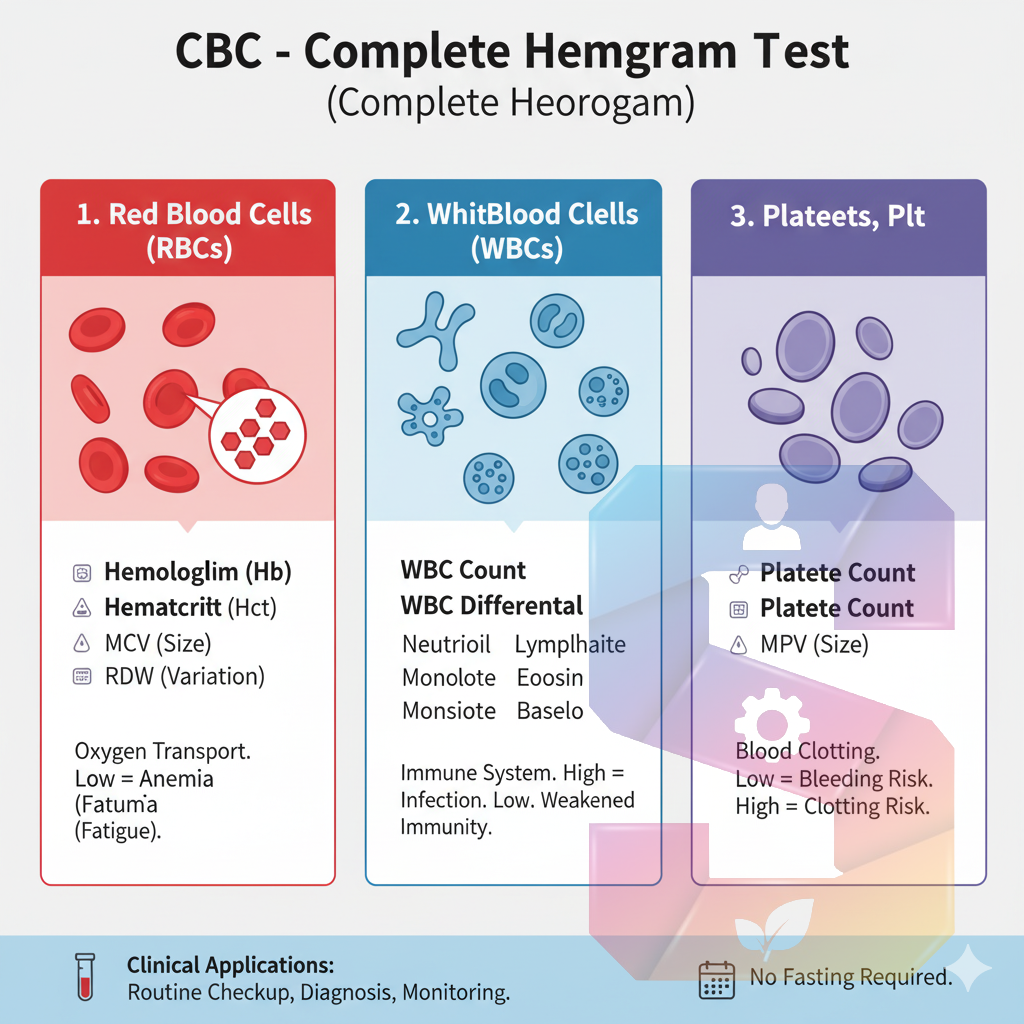
    A Complete Blood Count (CBC), also known as a Complete Hemogram or Full Blood Count (FBC), is a routine blood test that measures and evaluates the various cellular components of blood. It is an essential, general screening tool used to assess overall health and detect a wide range of conditions.
    Clinical Applications
    Routine Checkup: Part of a standard annual physical exam to screen for general health issues.

    Diagnosis: Helps pinpoint the cause of symptoms like fatigue (anemia), fever (infection/inflammation), bruising, or bleeding (clotting problems).

    Monitoring: Used to track chronic conditions (like kidney disease) and to check on treatments (like chemotherapy or medication) that may affect blood cell production.
    A Complete Blood Count (CBC), also known as a Complete Hemogram or Full Blood Count (FBC), is a routine blood test that measures and evaluates the various cellular components of blood. It is an essential, general screening tool used to assess overall health and detect a wide range of conditions. Clinical Applications Routine Checkup: Part of a standard annual physical exam to screen for general health issues. Diagnosis: Helps pinpoint the cause of symptoms like fatigue (anemia), fever (infection/inflammation), bruising, or bleeding (clotting problems). Monitoring: Used to track chronic conditions (like kidney disease) and to check on treatments (like chemotherapy or medication) that may affect blood cell production.
    0 Comments 0 Shares 1K Views 0 Reviews
  • 24 Hours Urinary Creatinine Test New
    220.00₹
    In stock
    0 Reviews
    The 24-hour urinary creatinine test is a key part of evaluating kidney function and is often used to calculate Creatinine Clearance, which estimates the Glomerular Filtration Rate (GFR). Here are short notes on 24-hour urinary creatinine:
    Purpose of the Test Assess Kidney Function: Creatinine is a waste product from muscle breakdown, produced at a relatively constant rate. Healthy kidneys filter it out of the blood into the urine.
    Creatinine Clearance Calculation: The main use is to calculate the Creatinine Clearance by comparing the amount of creatinine in the 24-hour urine sample with the creatinine level in a simultaneous blood sample.
    This estimates how well the kidneys are filtering waste (GFR).
    Check Completeness of Collection: The total amount of creatinine excreted in 24 hours can be used as a marker to verify that a patient collected all of their urine during the 24-hour period, as daily creatinine production is stable.
    Evaluate Proteinuria: It is often used to calculate the Urine Protein-to-Creatinine Ratio (UPCR) or Urine Albumin-to-Creatinine Ratio (UACR) to screen for kidney damage (proteinuria).
    The 24-hour urinary creatinine test is a key part of evaluating kidney function and is often used to calculate Creatinine Clearance, which estimates the Glomerular Filtration Rate (GFR). Here are short notes on 24-hour urinary creatinine: Purpose of the Test Assess Kidney Function: Creatinine is a waste product from muscle breakdown, produced at a relatively constant rate. Healthy kidneys filter it out of the blood into the urine. Creatinine Clearance Calculation: The main use is to calculate the Creatinine Clearance by comparing the amount of creatinine in the 24-hour urine sample with the creatinine level in a simultaneous blood sample. This estimates how well the kidneys are filtering waste (GFR). Check Completeness of Collection: The total amount of creatinine excreted in 24 hours can be used as a marker to verify that a patient collected all of their urine during the 24-hour period, as daily creatinine production is stable. Evaluate Proteinuria: It is often used to calculate the Urine Protein-to-Creatinine Ratio (UPCR) or Urine Albumin-to-Creatinine Ratio (UACR) to screen for kidney damage (proteinuria).
    0 Comments 0 Shares 1K Views 0 Reviews
  • 24 Hours Urinary Uric Acid New
    275.00₹
    In stock
    0 Reviews
    Purpose of the Test:
    Measures the total amount of uric acid excreted in the urine over a full 24-hour period.1
    Primary Use: To investigate and manage patients with gout and to determine the risk factors for uric acid kidney stones
    Helps classify gout as an overproduction (high excretion) or under-excretion (low excretion) disorder.
    The test result reflects the combination of dietary purine intake and the body's natural production and clearance of uric acid.
    Purpose of the Test: Measures the total amount of uric acid excreted in the urine over a full 24-hour period.1 Primary Use: To investigate and manage patients with gout and to determine the risk factors for uric acid kidney stones Helps classify gout as an overproduction (high excretion) or under-excretion (low excretion) disorder. The test result reflects the combination of dietary purine intake and the body's natural production and clearance of uric acid.
    0 Comments 0 Shares 2K Views 0 Reviews
Sponsored