

• Buccal Cavity Extra large biopsy New
    1,700.00₹
    In stock
    All over India
    0 Reviews
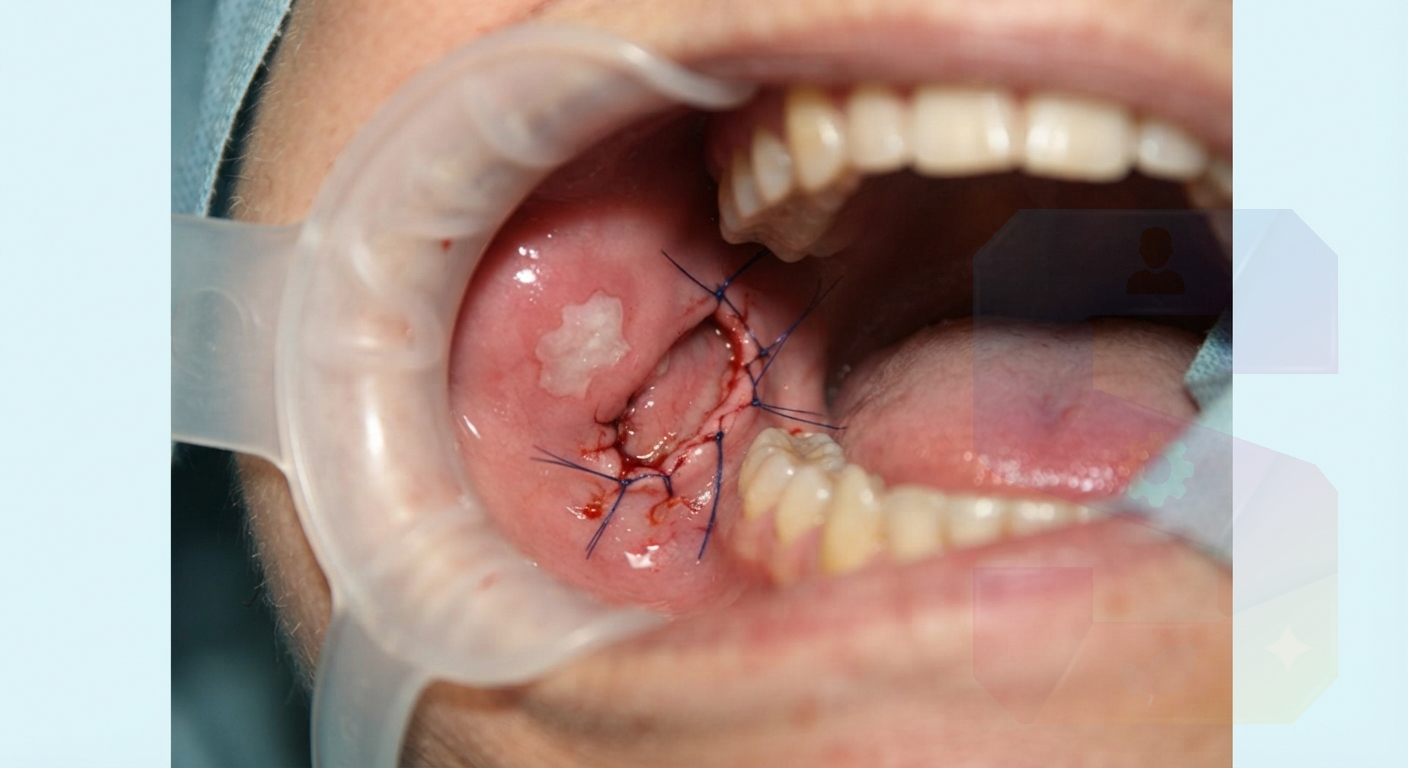
    A buccal cavity extra large biopsy is a surgical procedure performed to remove an extensive tissue sample from the inside of the cheek for diagnostic evaluation. Clinicians typically recommend this intervention when a large, suspicious lesion, persistent ulceration, or mass is detected during a routine oral examination.
    The procedure involves numbing the area with local anesthesia, carefully excising a generous portion of tissue, and often placing sutures to promote healing. Pathologists then examine the sample under a microscope to check for conditions such as oral cancer, dysplasia, or chronic inflammatory diseases, ensuring accurate diagnosis and timely treatment.
    A buccal cavity extra large biopsy is a surgical procedure performed to remove an extensive tissue sample from the inside of the cheek for diagnostic evaluation. Clinicians typically recommend this intervention when a large, suspicious lesion, persistent ulceration, or mass is detected during a routine oral examination. The procedure involves numbing the area with local anesthesia, carefully excising a generous portion of tissue, and often placing sutures to promote healing. Pathologists then examine the sample under a microscope to check for conditions such as oral cancer, dysplasia, or chronic inflammatory diseases, ensuring accurate diagnosis and timely treatment.
    0 Comments 0 Shares 293 Views 0 Reviews
  • Brucella IgM Test New
    1,650.00₹
    In stock
    All over India
    0 Reviews
    The Brucella IgM test is a crucial serological assay used to detect the presence of immunoglobulin M antibodies in the bloodstream, which are the body's initial immune response to a recent infection by Brucella bacteria. This pathogen causes brucellosis, a zoonotic disease transmitted through contaminated animal products or direct contact with infected livestock. Elevated levels of IgM typically become detectable one to three weeks after symptom onset, making this test vital for the timely diagnosis of acute brucellosis. Identifying IgM is essential for clinicians to differentiate between a current or recent infection and a past exposure, ensuring appropriate and immediate antibiotic treatment can be initiated.
    The Brucella IgM test is a crucial serological assay used to detect the presence of immunoglobulin M antibodies in the bloodstream, which are the body's initial immune response to a recent infection by Brucella bacteria. This pathogen causes brucellosis, a zoonotic disease transmitted through contaminated animal products or direct contact with infected livestock. Elevated levels of IgM typically become detectable one to three weeks after symptom onset, making this test vital for the timely diagnosis of acute brucellosis. Identifying IgM is essential for clinicians to differentiate between a current or recent infection and a past exposure, ensuring appropriate and immediate antibiotic treatment can be initiated.
    0 Comments 0 Shares 2K Views 0 Reviews
  • Breast Cyst Biopsy XL test New
    1,700.00₹
    In stock
    All over India
    0 Reviews
    A Breast Cyst Biopsy XL is a specialized diagnostic medical procedure designed to evaluate extra-large, complex, or atypical fluid-filled breast lesions. While standard benign breast cysts are common and easily managed, an "XL" designation typically indicates a larger lesion (often exceeding three centimeters) or one presenting with irregular borders, internal debris, or solid components on imaging.
    This procedure serves a dual purpose: it relieves physical discomfort, pressure, and localized pain by decompressing the mass, while simultaneously securing precise tissue or fluid samples. These samples are sent to a laboratory for pathological analysis to definitively differentiate harmless benign conditions from malignant pathology.
    A Breast Cyst Biopsy XL is a specialized diagnostic medical procedure designed to evaluate extra-large, complex, or atypical fluid-filled breast lesions. While standard benign breast cysts are common and easily managed, an "XL" designation typically indicates a larger lesion (often exceeding three centimeters) or one presenting with irregular borders, internal debris, or solid components on imaging. This procedure serves a dual purpose: it relieves physical discomfort, pressure, and localized pain by decompressing the mass, while simultaneously securing precise tissue or fluid samples. These samples are sent to a laboratory for pathological analysis to definitively differentiate harmless benign conditions from malignant pathology.
    0 Comments 0 Shares 2K Views 0 Reviews
  • Breast Biopsy - small biopsy < 1 cm New
    800.00₹
    In stock
    All over India
    0 Reviews
    A breast biopsy for small lesions measuring less than 1 centimeter is a minimally invasive diagnostic procedure used to evaluate suspicious abnormalities detected via screening mammography or ultrasound. Due to the small size of the target, this procedure is typically performed using precise image guidance—such as stereotactic or ultrasound—to ensure the accurate placement of a core needle or vacuum-assisted device. The radiologist extracts multiple tiny tissue samples from the lesion. These samples are then sent to a pathology laboratory for microscopic analysis to determine if the growth is benign, pre-cancerous, or malignant, enabling early detection and appropriate treatment planning.
    A breast biopsy for small lesions measuring less than 1 centimeter is a minimally invasive diagnostic procedure used to evaluate suspicious abnormalities detected via screening mammography or ultrasound. Due to the small size of the target, this procedure is typically performed using precise image guidance—such as stereotactic or ultrasound—to ensure the accurate placement of a core needle or vacuum-assisted device. The radiologist extracts multiple tiny tissue samples from the lesion. These samples are then sent to a pathology laboratory for microscopic analysis to determine if the growth is benign, pre-cancerous, or malignant, enabling early detection and appropriate treatment planning.
    0 Comments 0 Shares 2K Views 0 Reviews
  • Breast Biopsy - Medium biopsy 1-3 cm New
    1,000.00₹
    In stock
    All over India
    0 Reviews
    A breast biopsy for medium-sized lesions measuring between 1 and 3 centimeters is a vital diagnostic procedure used to evaluate suspicious abnormalities detected via mammography, ultrasound, or MRI.
    During the procedure, a radiologist or surgeon uses a hollow core needle, often guided by imaging, to extract multiple cylindrical samples of tissue from the specific mass.
    This tissue is then sent to a pathology laboratory for detailed microscopic analysis. The pathologist determines if the lesion is benign, pre-cancerous (such as atypical hyperplasia), or malignant (cancerous), providing a definitive diagnosis essential for formulating an appropriate treatment plan.
    A breast biopsy for medium-sized lesions measuring between 1 and 3 centimeters is a vital diagnostic procedure used to evaluate suspicious abnormalities detected via mammography, ultrasound, or MRI. During the procedure, a radiologist or surgeon uses a hollow core needle, often guided by imaging, to extract multiple cylindrical samples of tissue from the specific mass. This tissue is then sent to a pathology laboratory for detailed microscopic analysis. The pathologist determines if the lesion is benign, pre-cancerous (such as atypical hyperplasia), or malignant (cancerous), providing a definitive diagnosis essential for formulating an appropriate treatment plan.
    0 Comments 0 Shares 2K Views 0 Reviews
  • Breast Biopsy - Large biopsy 3-6cm New
    1,500.00₹
    In stock
    All over India
    0 Reviews
    A breast biopsy for large lesions measuring between 3 and 6 centimeters is a specialized diagnostic procedure designed to extract significant tissue samples from extensive abnormalities identified during imaging.
    Key aspects of this medical procedure include:
    * Target Size: Focuses on sizeable lesions ranging from 3 to 6 centimeters in maximum dimension.
    * Tissue Acquisition: Utilizes core needle or surgical techniques to obtain representative cellular specimens across the broader mass.
    * Pathological Analysis: Evaluates the architecture and cellular makeup to determine malignancy, tumor grading, and hormone receptor status.
    Clinicians rely on this comprehensive test to establish an accurate diagnosis and guide personalized oncology treatment plans.
    A breast biopsy for large lesions measuring between 3 and 6 centimeters is a specialized diagnostic procedure designed to extract significant tissue samples from extensive abnormalities identified during imaging. Key aspects of this medical procedure include: * Target Size: Focuses on sizeable lesions ranging from 3 to 6 centimeters in maximum dimension. * Tissue Acquisition: Utilizes core needle or surgical techniques to obtain representative cellular specimens across the broader mass. * Pathological Analysis: Evaluates the architecture and cellular makeup to determine malignancy, tumor grading, and hormone receptor status. Clinicians rely on this comprehensive test to establish an accurate diagnosis and guide personalized oncology treatment plans.
    0 Comments 0 Shares 2K Views 0 Reviews
  • BRCA 1/2 Germline Test New
    15,000.00₹
    In stock
    All over India
    0 Reviews
    The BRCA 1/2 Germline Test is a specialized hereditary genetic assay designed to detect inherited mutations within the BRCA1 and BRCA2 genes.
    Key aspects of this molecular test include:
    * Sample Collection: Typically performed using a simple blood or saliva sample to extract constitutional DNA.
    * Inherited Mutations: Identifies germline variants passed down from parents that significantly elevate lifetime risks for developing hereditary breast, ovarian, and related cancers.
    * Clinical Utility: Empowers individuals and healthcare providers to implement proactive surveillance, preventive risk-reducing strategies, and targeted therapeutic options such as PARP inhibitors.
    The BRCA 1/2 Germline Test is a specialized hereditary genetic assay designed to detect inherited mutations within the BRCA1 and BRCA2 genes. Key aspects of this molecular test include: * Sample Collection: Typically performed using a simple blood or saliva sample to extract constitutional DNA. * Inherited Mutations: Identifies germline variants passed down from parents that significantly elevate lifetime risks for developing hereditary breast, ovarian, and related cancers. * Clinical Utility: Empowers individuals and healthcare providers to implement proactive surveillance, preventive risk-reducing strategies, and targeted therapeutic options such as PARP inhibitors.
    0 Comments 0 Shares 334 Views 0 Reviews
  • Both FT -Medium Biopsy 1-3cm Test New
    1,000.00₹
    In stock
    All over India
    0 Reviews
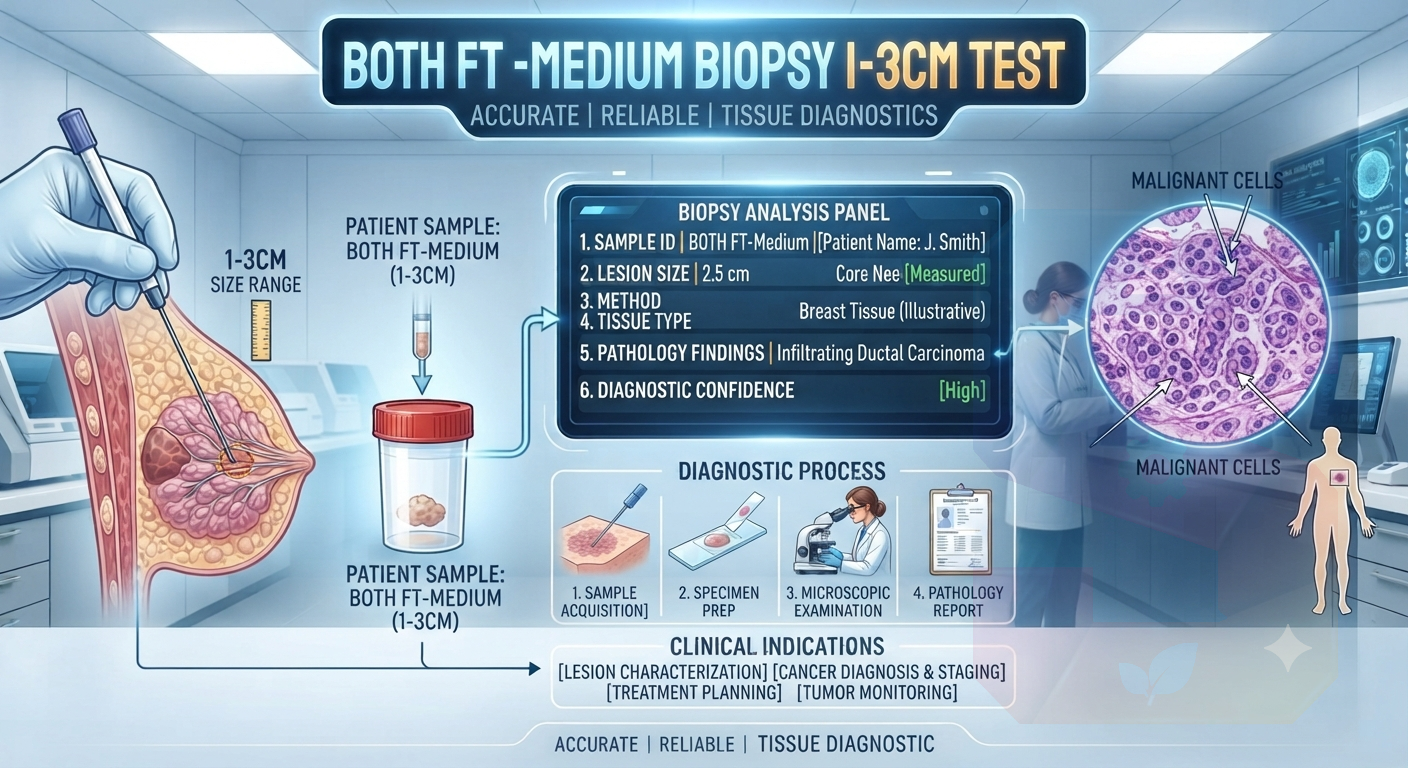
    A Both FT-Medium Biopsy 1-3cm test involves the targeted extraction and pathological examination of tissue lesions measuring between one and three centimeters.
    This diagnostic procedure is utilized when imaging or clinical evaluations detect tissue abnormalities requiring definitive cellular analysis.
    Key aspects of the procedure include:
    * Target Size: Focuses on lesions ranging from 1 to 3 centimeters in dimension.
    * Tissue Sampling: Secures representative cellular specimens for microscopic evaluation.
    * Pathology Assessment: Identifies malignancy, inflammation, or abnormal tissue growth.
    Clinicians rely on this test to confirm diagnoses, stage diseases, and guide personalized treatment plans.
    A Both FT-Medium Biopsy 1-3cm test involves the targeted extraction and pathological examination of tissue lesions measuring between one and three centimeters. This diagnostic procedure is utilized when imaging or clinical evaluations detect tissue abnormalities requiring definitive cellular analysis. Key aspects of the procedure include: * Target Size: Focuses on lesions ranging from 1 to 3 centimeters in dimension. * Tissue Sampling: Secures representative cellular specimens for microscopic evaluation. * Pathology Assessment: Identifies malignancy, inflammation, or abnormal tissue growth. Clinicians rely on this test to confirm diagnoses, stage diseases, and guide personalized treatment plans.
    0 Comments 0 Shares 84 Views 0 Reviews
  • Bone Biopsy - Medium - 1-3cm New
    1,000.00₹
    In stock
    All over India
    0 Reviews
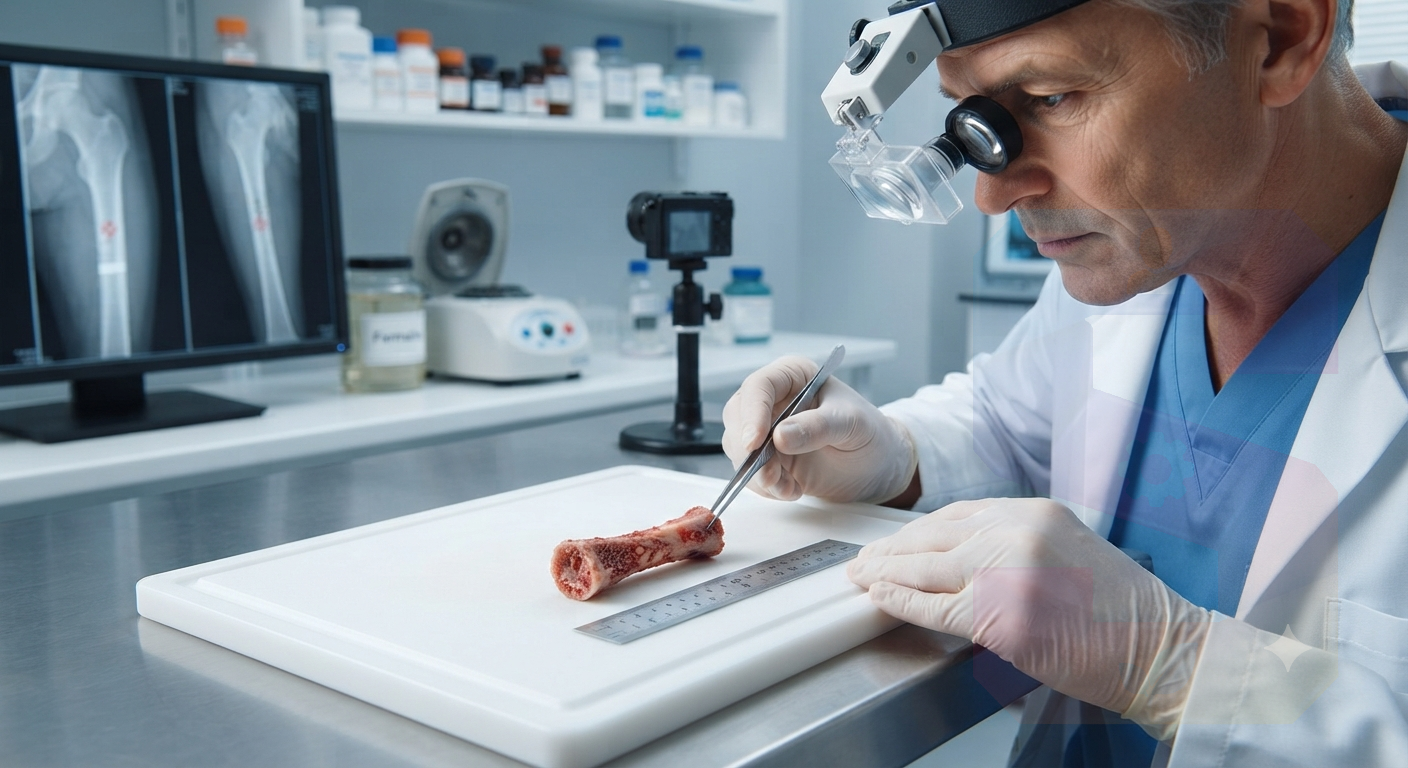
    A medium bone biopsy, targeting tissue samples between 1 and 3 centimeters in length, is a vital diagnostic procedure used to evaluate localized bone lesions, suspected tumors, or deep-seated infections. When imaging reveals a distinct structural abnormality, this moderate-sized tissue core provides pathologists with an optimal quantity of specimen for detailed histological, cytological, and microbiological evaluation.
    This precise diagnostic step allows specialists to differentiate between benign growths, primary bone malignancies, metastatic disease, and chronic osteomyelitis. Obtaining a 1 to 3 centimeter specimen ensures accurate disease staging and guides effective clinical management.
    A medium bone biopsy, targeting tissue samples between 1 and 3 centimeters in length, is a vital diagnostic procedure used to evaluate localized bone lesions, suspected tumors, or deep-seated infections. When imaging reveals a distinct structural abnormality, this moderate-sized tissue core provides pathologists with an optimal quantity of specimen for detailed histological, cytological, and microbiological evaluation. This precise diagnostic step allows specialists to differentiate between benign growths, primary bone malignancies, metastatic disease, and chronic osteomyelitis. Obtaining a 1 to 3 centimeter specimen ensures accurate disease staging and guides effective clinical management.
    0 Comments 0 Shares 3K Views 0 Reviews
  • Bone Biopsy - Large biopsy - 3-6cm New
    1,500.00₹
    In stock
    All over India
    0 Reviews
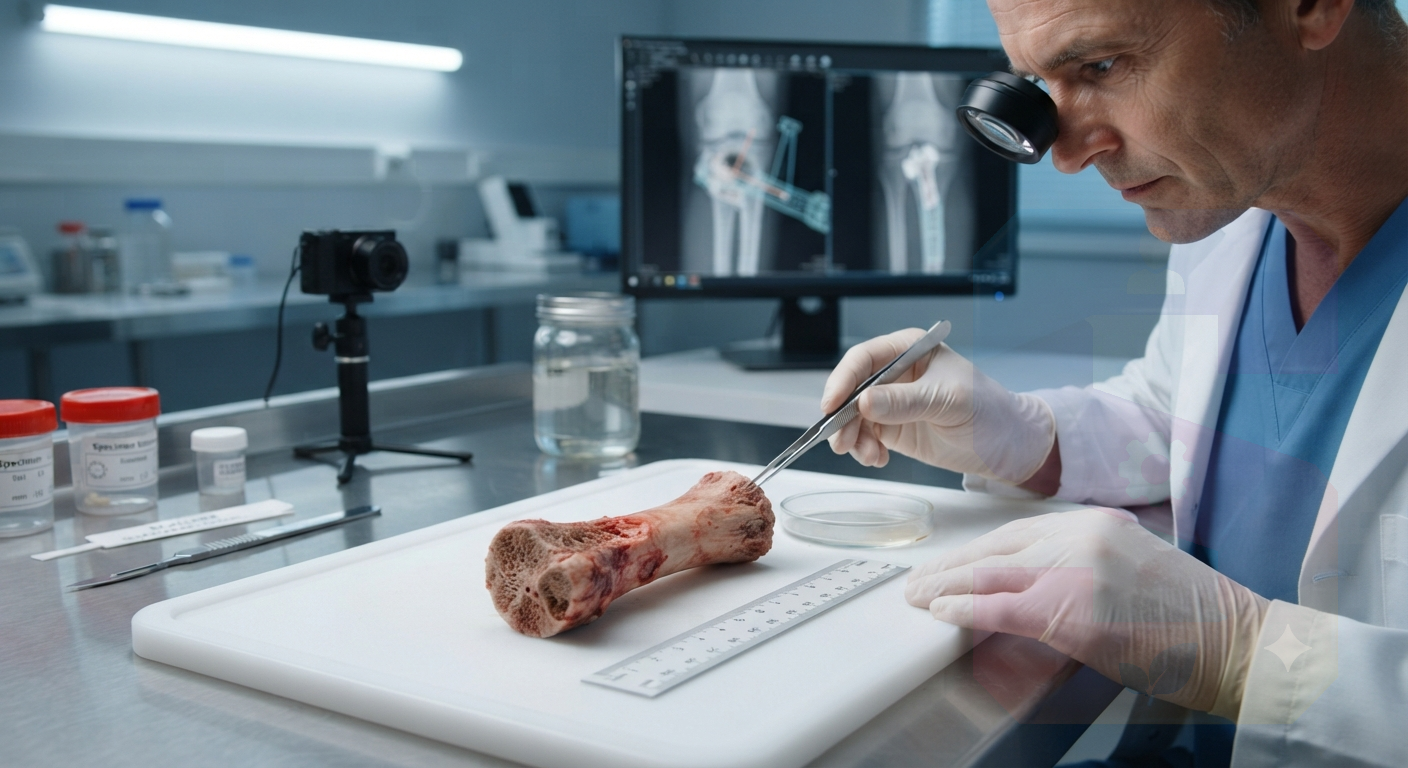
    A large bone biopsy measuring 3 to 6 centimeters is an extensive diagnostic procedure used to investigate complex bone lesions, tumors, or infections. When imaging studies reveal substantial structural abnormalities, this comprehensive tissue sampling allows pathologists to extract enough material to perform thorough histological, genetic, and microbiological examinations.
    Obtaining a larger core sample is vital for accurately grading malignancies, determining tumor margins, and distinguishing between primary bone cancers, metastatic disease, or chronic osteomyelitis. This detailed analysis gives oncology and orthopedic specialists the comprehensive data needed to formulate precise, individualized treatment regimens.
    A large bone biopsy measuring 3 to 6 centimeters is an extensive diagnostic procedure used to investigate complex bone lesions, tumors, or infections. When imaging studies reveal substantial structural abnormalities, this comprehensive tissue sampling allows pathologists to extract enough material to perform thorough histological, genetic, and microbiological examinations. Obtaining a larger core sample is vital for accurately grading malignancies, determining tumor margins, and distinguishing between primary bone cancers, metastatic disease, or chronic osteomyelitis. This detailed analysis gives oncology and orthopedic specialists the comprehensive data needed to formulate precise, individualized treatment regimens.
    0 Comments 0 Shares 3K Views 0 Reviews
  • Body Fluid Analysis (other) - Body Fluid Test New
    1,750.00₹
    In stock
    All over India
    0 Reviews
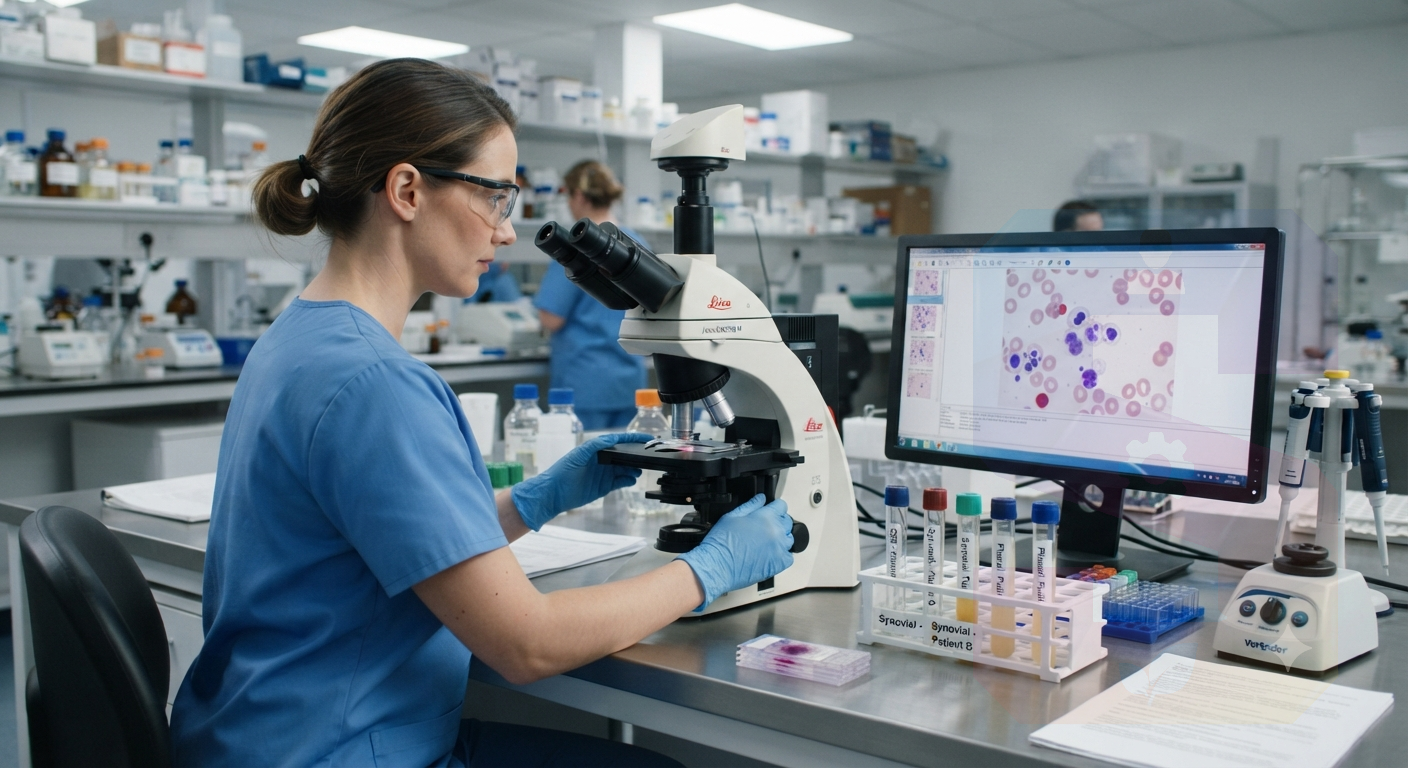
    Body fluid analysis is a critical diagnostic procedure that evaluates non-blood biological liquids—such as cerebrospinal, synovial, peritoneal, or pleural fluids—to uncover underlying medical conditions. By examining physical, chemical, and microscopic properties, laboratory professionals can identify infections, inflammation, hemorrhage, or malignancies within specific body cavities.
    This specialized testing helps clinicians pinpoint the exact cause of abnormal fluid accumulations, guiding targeted treatment plans for complex joint disorders, neurological diseases, and abdominal complications. Accurate interpretation of these parameters ensures timely and effective patient intervention.
    Body fluid analysis is a critical diagnostic procedure that evaluates non-blood biological liquids—such as cerebrospinal, synovial, peritoneal, or pleural fluids—to uncover underlying medical conditions. By examining physical, chemical, and microscopic properties, laboratory professionals can identify infections, inflammation, hemorrhage, or malignancies within specific body cavities. This specialized testing helps clinicians pinpoint the exact cause of abnormal fluid accumulations, guiding targeted treatment plans for complex joint disorders, neurological diseases, and abdominal complications. Accurate interpretation of these parameters ensures timely and effective patient intervention.
    0 Comments 0 Shares 3K Views 0 Reviews
  • Bladder mass - Medium biopsy - 1-3 cm test New
    1,000.00₹
    In stock
    All over India
    0 Reviews
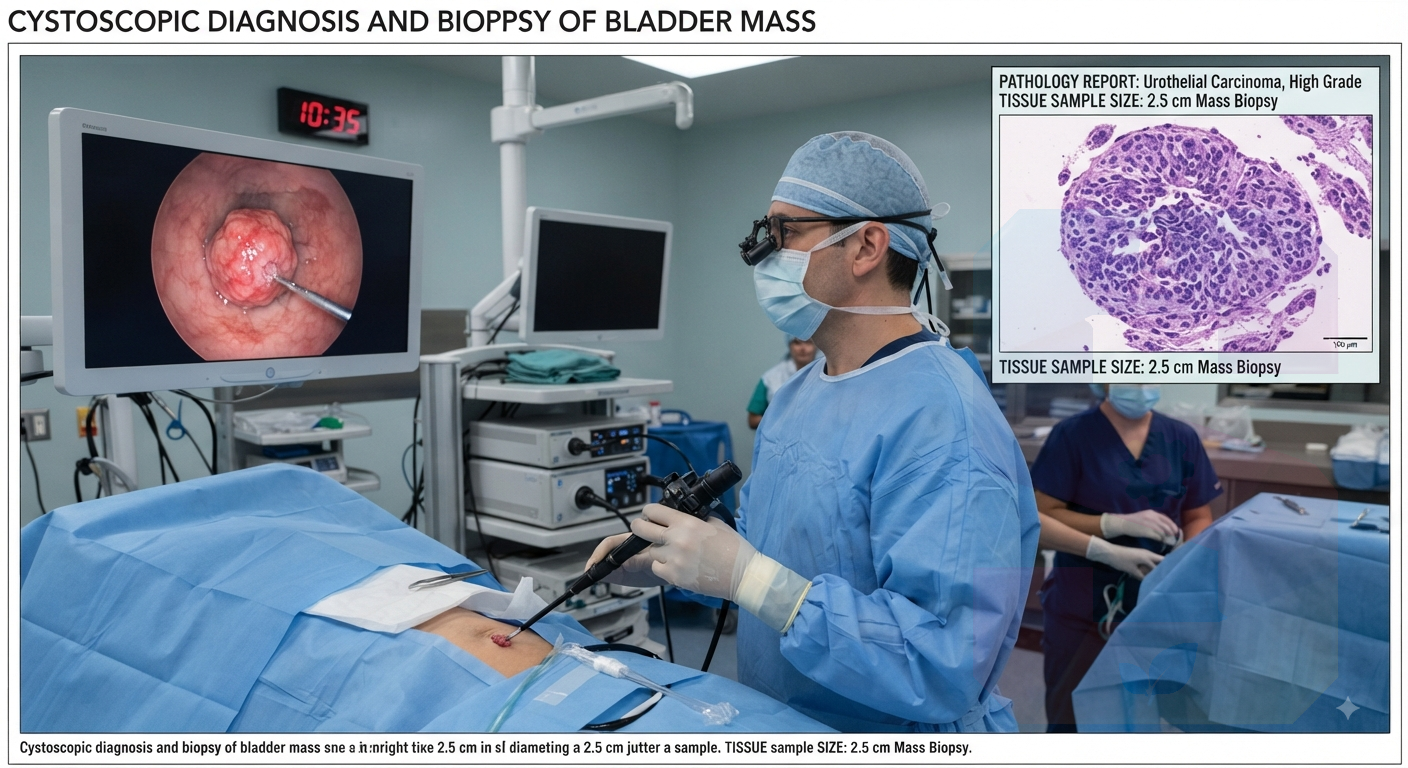
    The bladder mass medium biopsy (1-3 cm test) is a targeted pathological procedure used to evaluate tissue growths measuring between one and three centimeters located within the urinary bladder.
    During cystoscopy, a specialist collects a medium-sized tissue sample from the suspicious lesion. This sample undergoes detailed microscopic examination by a pathologist to determine whether the mass is benign or malignant, and to grade its cellular structure.
    Accurately diagnosing a bladder mass of this scale is crucial for staging urothelial carcinoma or other conditions, enabling physicians to formulate precise treatment strategies and surgical interventions.
    The bladder mass medium biopsy (1-3 cm test) is a targeted pathological procedure used to evaluate tissue growths measuring between one and three centimeters located within the urinary bladder. During cystoscopy, a specialist collects a medium-sized tissue sample from the suspicious lesion. This sample undergoes detailed microscopic examination by a pathologist to determine whether the mass is benign or malignant, and to grade its cellular structure. Accurately diagnosing a bladder mass of this scale is crucial for staging urothelial carcinoma or other conditions, enabling physicians to formulate precise treatment strategies and surgical interventions.
    0 Comments 0 Shares 328 Views 0 Reviews
More Results