


Almond-Leaved Pear: The Climate-Smart Agribusiness Asset of 2026
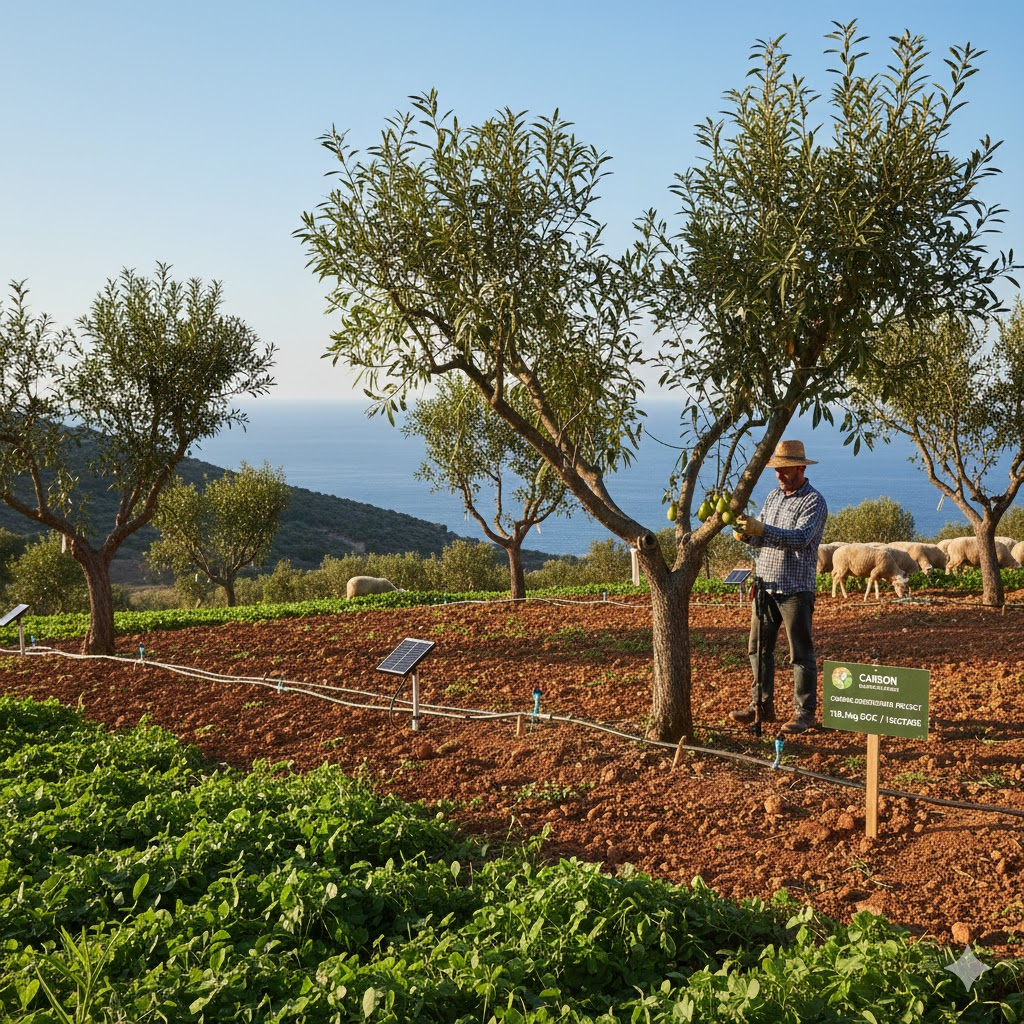
In the face of 2026’s shifting climate patterns, farmers and land managers are looking toward "forgotten" wild species to build resilience. The Almond-leaved pear (Pyrus spinosa), a rugged Mediterranean native, is emerging as a critical tool for sustainable land management and niche product development.
Whether you are looking to restore degraded landscapes or find a robust base for your commercial orchard, here is why Pyrus spinosa is a high-value agricultural investment.
1. The Ultimate Survivalist: Cultivation & Resilience
Named for its narrow, almond-like foliage, this pear is the "Iron Man" of the Pyrus genus. Its biological adaptations make it nearly invincible in harsh environments.
Key Growing Strengths:
-
Salinity Tolerance: 2026 research highlights its ability to thrive in high-saline coastal soils when supplemented with beneficial soil bacteria, making it a hero for coastal reclamation.
-
Extreme Hardiness: It withstands drought and temperatures down to -15°C, requiring almost zero supplemental irrigation once established.
-
Soil Flexibility: From stony Mediterranean hillsides to heavy clay, this tree thrives where traditional pears fail.
2. Strategic Roots: The Profitability of Rootstocks
The primary commercial value of the Almond-leaved pear lies in its grafting potential.
| Industry Use | Economic Advantage |
| Commercial Rootstock | Provides a drought-resistant and lime-tolerant base for high-yielding pear varieties. |
| Nursery Sales | High demand for "climate-ready" seedlings in forest restoration and permaculture. |
| Living Fences | Its naturally spiny branches create impenetrable barriers for livestock, reducing fencing costs. |
3. High-Value "Wild" Yields: Harvesting & Use
While the raw fruit is small and highly astringent, its nutritional and industrial profile is a goldmine for the 2026 "Functional Food" market.
Harvesting Pro-Tip:
Harvest in late autumn when the fruit turns yellowish-brown. Like the Medlar, these fruits often need to "blet" (soften through cold or storage) to unlock their sweetness.
Industrial Applications:
-
Antioxidant Extracts: The peel contains up to 345% more polyphenols than cultivated pears, making it a sought-after ingredient for high-end skincare and health supplements.
-
Artisanal Spirits: Distillers use the wild fruit to create complex, tannin-rich liqueurs and traditional "wild perry" (pear cider).
-
Medicinal Folk-Tech: Leaf decoctions are being studied for their diuretic properties and their role in supporting kidney and liver function.
4. Carbon Markets & Ecosystem Services
As carbon credits become a standard revenue stream for farms in 2026, Pyrus spinosa offers a double benefit. It has been proven to significantly increase Soil Organic Carbon (SOC)—storing up to 130.3 Mg per hectare—outperforming traditional pasturelands.
By integrating these trees into agroforestry systems, farmers can:
-
Generate Carbon Credits: Through enhanced soil sequestration.
-
Restore Biodiversity: By providing a habitat for pollinators and wild game.
-
Improve Soil Structure: Reducing compaction and improving permeability.
Conclusion
The Almond-leaved pear is moving from the wild thicket to the heart of modern agroecology. Its ability to turn saline, dry, or rocky land into a productive carbon sink and rootstock nursery makes it a cornerstone species for the 2026 agricultural economy.
