


Nutrition for Aarskog-Scott Syndrome: Supporting Growth, Development, and Overall Health
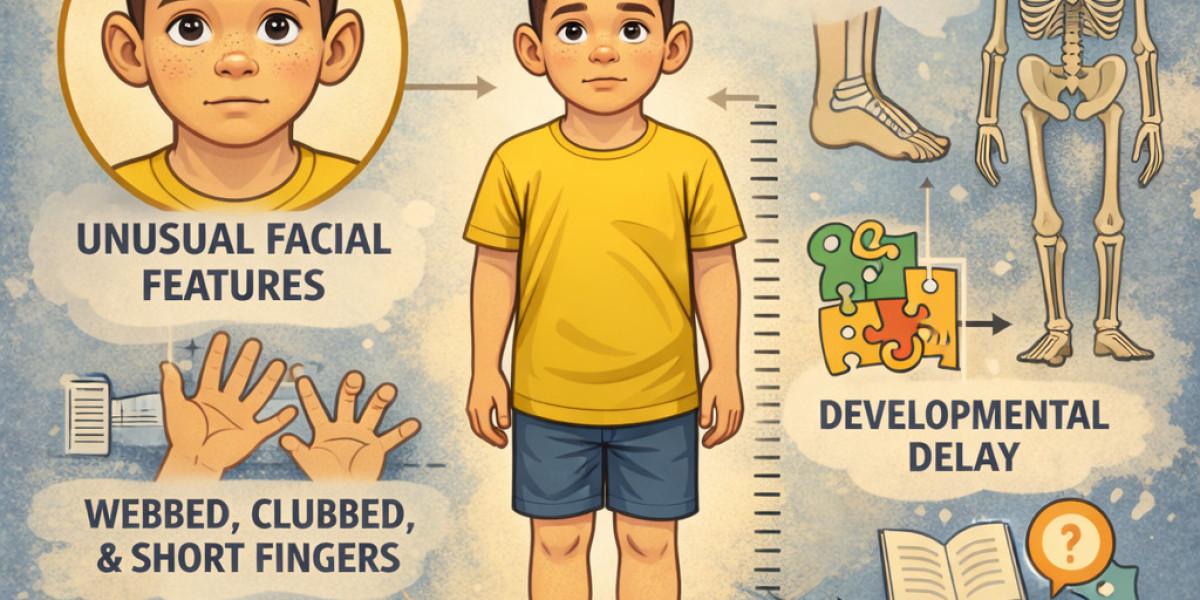
Aarskog-Scott Syndrome is a rare genetic disorder that mainly affects growth, facial development, skeletal structure, and sometimes learning ability. It is caused by mutations in the FGD1 gene, which plays a role in cell growth and development.
Introduction
Children with this condition may present with:
-
Short stature
-
Distinct facial features
-
Delayed growth
-
Skeletal abnormalities
-
Mild developmental or learning difficulties
Although nutrition cannot cure the syndrome, a carefully planned diet can support growth, strengthen immunity, enhance brain development, and improve overall quality of life.
Role of Nutrition in Aarskog-Scott Syndrome
Nutrition plays a supportive role by:
✔ Supporting healthy growth and bone development
✔ Enhancing brain and nervous system function
✔ Improving muscle strength and energy levels
✔ Supporting immune health
✔ Preventing nutritional deficiencies
Children with genetic developmental conditions often benefit from nutrient-dense diets rich in proteins, vitamins, and minerals.
Essential Nutrients for Aarskog-Scott Syndrome
1. Protein for Growth and Tissue Development
Protein is essential for muscle growth, tissue repair, and hormone production.
Benefits
-
Supports physical growth
-
Helps maintain muscle mass
-
Supports enzyme and hormone function
Healthy Sources
-
Lentils and dals
-
Chickpeas
-
Green gram (moong)
-
Soy products (tofu, soybeans)
-
Paneer and yogurt
-
Nuts and seeds
Protein-rich foods are particularly important for children experiencing delayed growth.
2. Calcium and Vitamin D for Bone Health
Children with this syndrome may have skeletal abnormalities, making bone health extremely important.
Benefits
-
Strengthens bones and teeth
-
Supports skeletal development
-
Helps prevent bone weakness
Food Sources
-
Milk and dairy products
-
Ragi (finger millet)
-
Sesame seeds
-
Almonds
-
Green leafy vegetables
Vitamin D Sources
-
Sunlight exposure
-
Fortified foods
-
Mushrooms
3. Omega-3 Fatty Acids for Brain Development
Omega-3 fatty acids support brain development and cognitive function, which can help children with mild developmental delays.
Benefits
-
Supports nervous system development
-
Improves concentration and learning ability
-
Reduces inflammation
Vegetarian Sources
-
Flaxseeds
-
Chia seeds
-
Walnuts
-
Hemp seeds
4. Iron for Energy and Cognitive Development
Iron is necessary for oxygen transport and brain function.
Iron deficiency may lead to:
-
Fatigue
-
Poor concentration
-
Delayed cognitive development
Food Sources
-
Spinach
-
Beetroot
-
Dates
-
Lentils
-
Pumpkin seeds
Combining iron foods with vitamin C sources like lemon or amla improves absorption.
5. Zinc for Growth and Immunity
Zinc supports cell growth, immune function, and wound healing.
Food Sources
-
Pumpkin seeds
-
Cashews
-
Whole grains
-
Legumes
-
Sesame seeds
6. Antioxidants for Cellular Protection
Antioxidants protect cells from oxidative stress and inflammation.
Rich Sources
-
Amla
-
Berries
-
Carrots
-
Tomatoes
-
Turmeric
-
Leafy vegetables
Healthy Dietary Pattern (Sample Diet plan)
Breakfast
-
Millet porridge with nuts and seeds
-
Pesarattu (green gram dosa)
-
Vegetable upma with sprouts
Lunch
-
Brown rice or millet
-
Dal or sambar
-
Mixed vegetable curry
-
Leafy green vegetable
Evening Snack
-
Fruit with nuts
-
Yogurt smoothie
-
Roasted chickpeas
Dinner
-
Multigrain roti
-
Lentil soup
-
Light vegetable curry
Nutritional Challenges in Aarskog-Scott Syndrome
Some children may experience:
-
Poor appetite
-
Feeding difficulties
-
Slow growth
Helpful strategies include:
✔ Small frequent meals
✔ Nutrient-dense foods
✔ Smoothies and soups for easy consumption
✔ Balanced combination of protein, carbohydrates, and healthy fats
Lifestyle and Supportive Measures
Along with good nutrition:
✔ Encourage regular physical activity
✔ Ensure adequate sleep
✔ Provide early developmental support
✔ Maintain regular medical check-ups
These measures help improve growth, motor skills, and cognitive development.
Conclusion
Aarskog-Scott Syndrome is a rare genetic condition affecting growth and development. While nutrition cannot cure the disorder, a balanced diet rich in protein, calcium, omega-3 fatty acids, iron, zinc, and antioxidants can significantly support overall health.
When combined with medical care, physical therapy, and developmental support, proper nutrition helps children with Aarskog-Scott Syndrome achieve better growth, stronger immunity, and improved quality of life.
