



Herbal Medicine manufacturing company coming soon
-
PBID: 0099001800000001
-
480 people like this
-
361 Posts
-
334 Photos
-
1 Videos
-
Reviews
-
Other
Search

Recent Updates
-
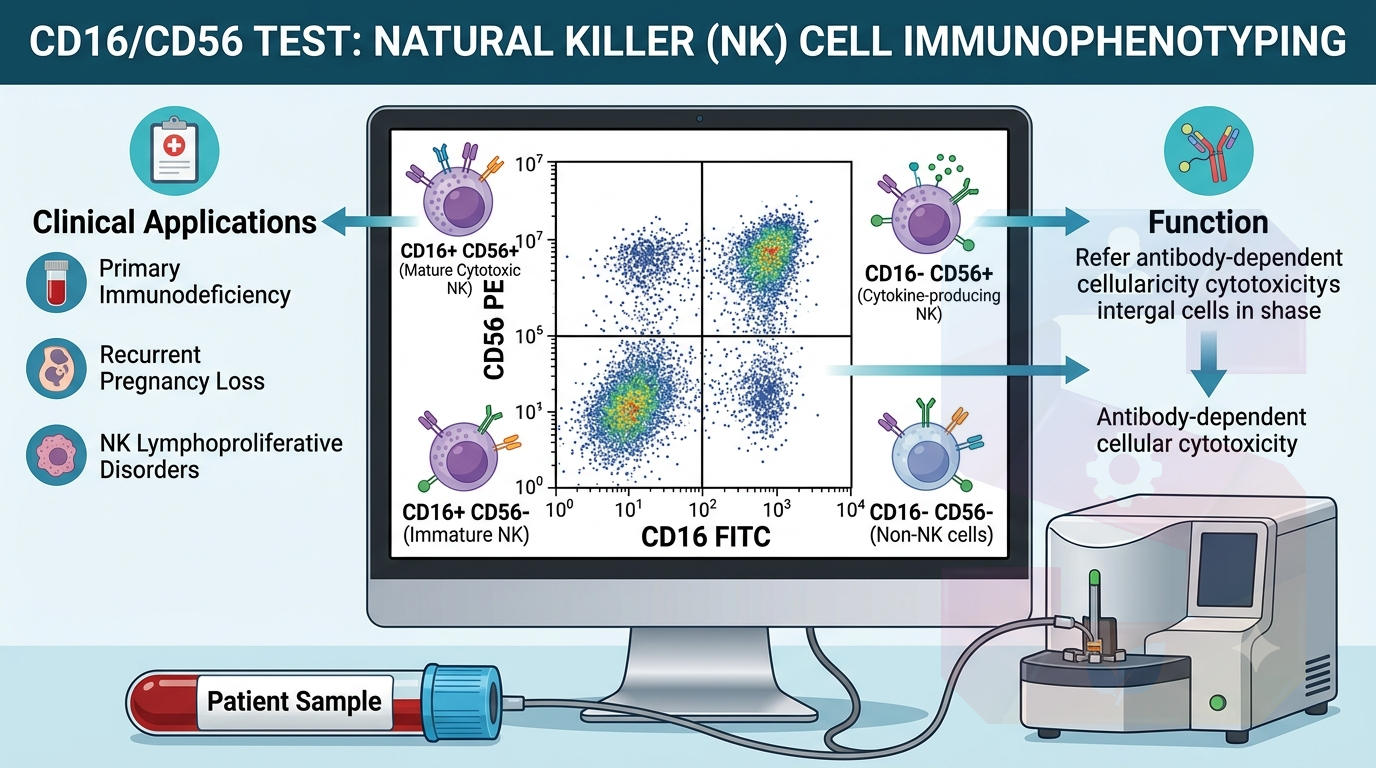 CD 15/56 New4,500.00₹In stockAll over India0 ReviewsThe CD16/CD56 test is a specialized diagnostic evaluation in immunopathology used to identify and quantify Natural Killer (NK) cells. CD56 serves as a primary surface marker for NK cells and a subset of T-cells, while CD16 acts as an Fc receptor involved in antibody-dependent cellular cytotoxicity.
Performed via flow cytometry on peripheral blood, this dual-marker panel assesses overall NK cell population, maturity, and function. It is essential for evaluating primary immunodeficiencies, investigating recurrent pregnancy loss, and diagnosing NK-cell or T/NK-cell lymphoproliferative disorders. Detecting CD16/CD56 expression provides critical data for staging hematologic malignancies and monitoring immune system status.The CD16/CD56 test is a specialized diagnostic evaluation in immunopathology used to identify and quantify Natural Killer (NK) cells. CD56 serves as a primary surface marker for NK cells and a subset of T-cells, while CD16 acts as an Fc receptor involved in antibody-dependent cellular cytotoxicity. Performed via flow cytometry on peripheral blood, this dual-marker panel assesses overall NK cell population, maturity, and function. It is essential for evaluating primary immunodeficiencies, investigating recurrent pregnancy loss, and diagnosing NK-cell or T/NK-cell lymphoproliferative disorders. Detecting CD16/CD56 expression provides critical data for staging hematologic malignancies and monitoring immune system status.0 Comments 0 Shares 122 Views 0 Reviews -
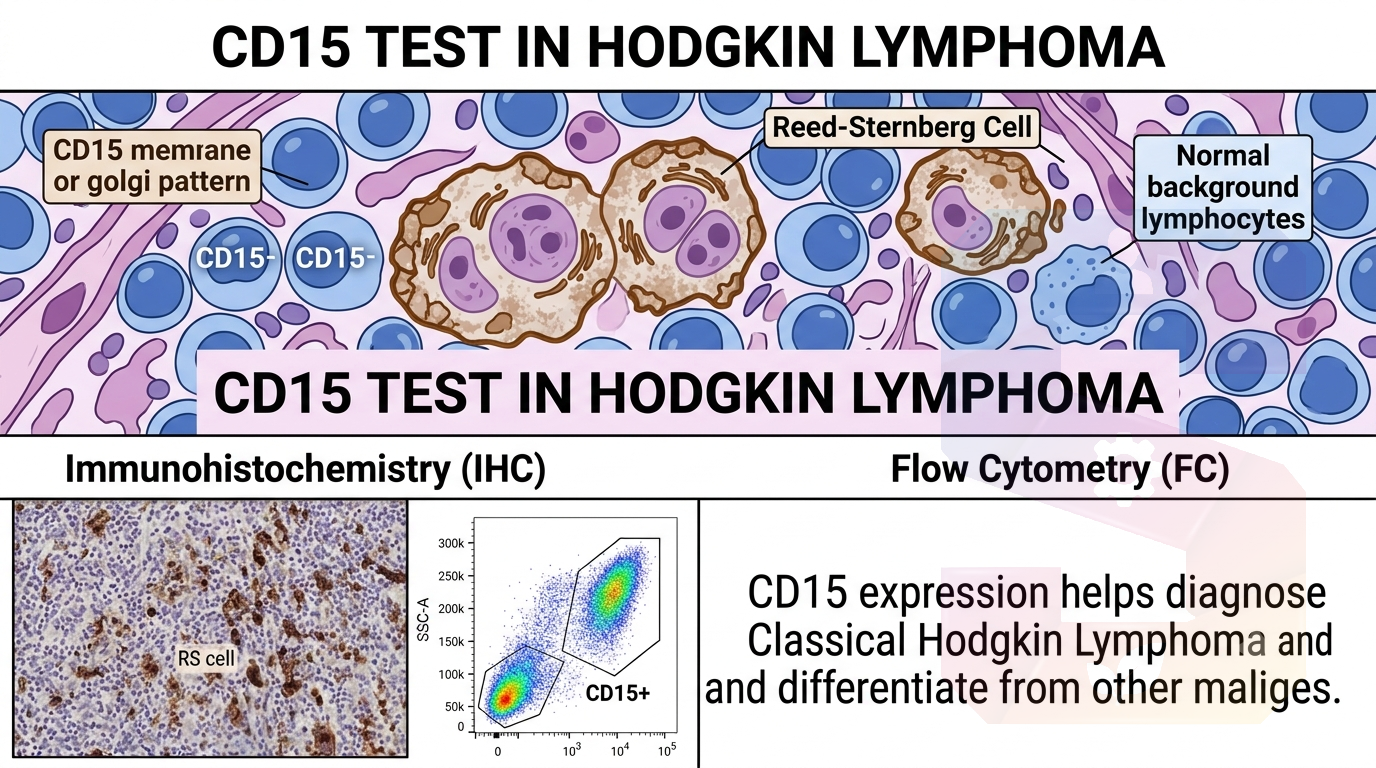 CD 15 Test New2,600.00₹In stockAll over India0 ReviewsThe CD15 test is a diagnostic laboratory evaluation used in hematopathology to detect expression of the CD15 cell-surface carbohydrate antigen (3-fucosyl-N-acetyllactosamine). Expressed prominently on mature neutrophils, eosinophils, and monocytes, CD15 serves as an important marker in immunophenotyping.
Conducted via immunohistochemistry or flow cytometry on blood, bone marrow, or tissue biopsies, this test is critical for diagnosing Classical Hodgkin Lymphoma, where CD15 is typically positive on characteristic Reed-Sternberg cells. It also aids in identifying granulocytic differentiation in Acute Myeloid Leukemia (AML). Evaluating CD15 expression assists clinicians in accurate cancer subtyping, staging, and determining optimal targeted therapies.The CD15 test is a diagnostic laboratory evaluation used in hematopathology to detect expression of the CD15 cell-surface carbohydrate antigen (3-fucosyl-N-acetyllactosamine). Expressed prominently on mature neutrophils, eosinophils, and monocytes, CD15 serves as an important marker in immunophenotyping. Conducted via immunohistochemistry or flow cytometry on blood, bone marrow, or tissue biopsies, this test is critical for diagnosing Classical Hodgkin Lymphoma, where CD15 is typically positive on characteristic Reed-Sternberg cells. It also aids in identifying granulocytic differentiation in Acute Myeloid Leukemia (AML). Evaluating CD15 expression assists clinicians in accurate cancer subtyping, staging, and determining optimal targeted therapies.0 Comments 0 Shares 135 Views 0 Reviews -
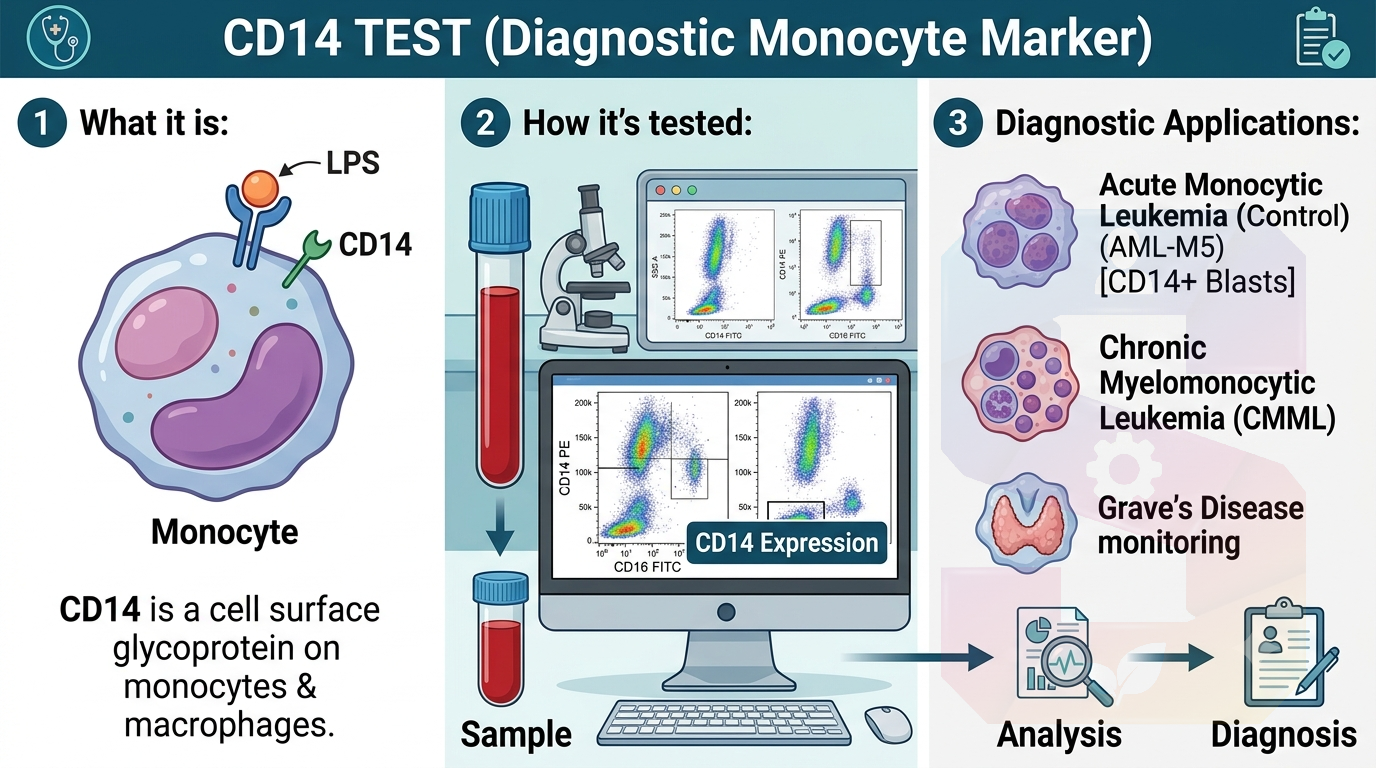 CD 14 Test New2,600.00₹In stockAll over India0 ReviewsThe CD14 test is a diagnostic evaluation in hematopathology used to detect the CD14 cell-surface protein, a key co-receptor for bacterial lipopolysaccharide (LPS). Expressed heavily on monocytes and macrophages, CD14 serves as a primary marker for identifying monocytic cell lineages.
Conducted via flow cytometry on peripheral blood or bone marrow samples, this test helps clinicians distinguish monocytic leukemias from other myeloid and lymphoid malignancies. It is particularly valuable for diagnosing Acute Monocytic Leukemia (AML-M5) and Chronic Myelomonocytic Leukemia (CMML). Detecting CD14 expression provides essential insights for accurate disease classification, prognostic assessment, and guiding targeted treatment strategies.The CD14 test is a diagnostic evaluation in hematopathology used to detect the CD14 cell-surface protein, a key co-receptor for bacterial lipopolysaccharide (LPS). Expressed heavily on monocytes and macrophages, CD14 serves as a primary marker for identifying monocytic cell lineages. Conducted via flow cytometry on peripheral blood or bone marrow samples, this test helps clinicians distinguish monocytic leukemias from other myeloid and lymphoid malignancies. It is particularly valuable for diagnosing Acute Monocytic Leukemia (AML-M5) and Chronic Myelomonocytic Leukemia (CMML). Detecting CD14 expression provides essential insights for accurate disease classification, prognostic assessment, and guiding targeted treatment strategies.0 Comments 0 Shares 129 Views 0 Reviews -
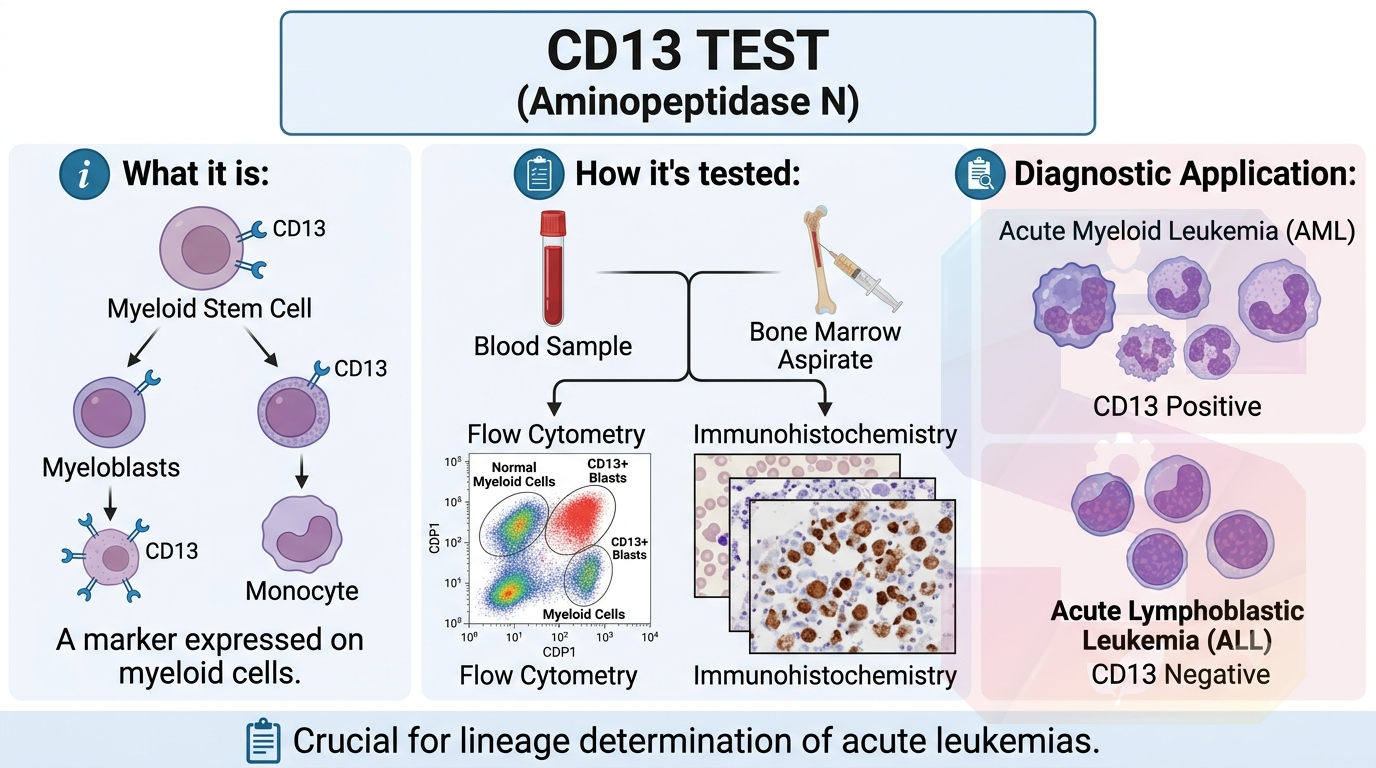 CD 13 Test New2,600.00₹In stockAll over India0 ReviewsThe CD13 test is a diagnostic laboratory evaluation used in hematopathology to detect the expression of the CD100/CD13 surface protein, also known as Aminopeptidase N. Naturally expressed on mature and immature myeloid cells, CD13 serves as an essential marker for lineage identification.
Conducted using flow cytometry or immunohistochemistry on blood or bone marrow samples, the test helps pathologists differentiate myeloid lineage leukemias from lymphoid malignancies. It is particularly vital for diagnosing Acute Myeloid Leukemia (AML) and identifying myeloid differentiation in acute leukemias. Ultimately, detecting CD13 assists clinicians in precise cancer subtyping, determining prognosis, and planning targeted therapeutic strategies.The CD13 test is a diagnostic laboratory evaluation used in hematopathology to detect the expression of the CD100/CD13 surface protein, also known as Aminopeptidase N. Naturally expressed on mature and immature myeloid cells, CD13 serves as an essential marker for lineage identification. Conducted using flow cytometry or immunohistochemistry on blood or bone marrow samples, the test helps pathologists differentiate myeloid lineage leukemias from lymphoid malignancies. It is particularly vital for diagnosing Acute Myeloid Leukemia (AML) and identifying myeloid differentiation in acute leukemias. Ultimately, detecting CD13 assists clinicians in precise cancer subtyping, determining prognosis, and planning targeted therapeutic strategies.0 Comments 0 Shares 131 Views 0 Reviews -
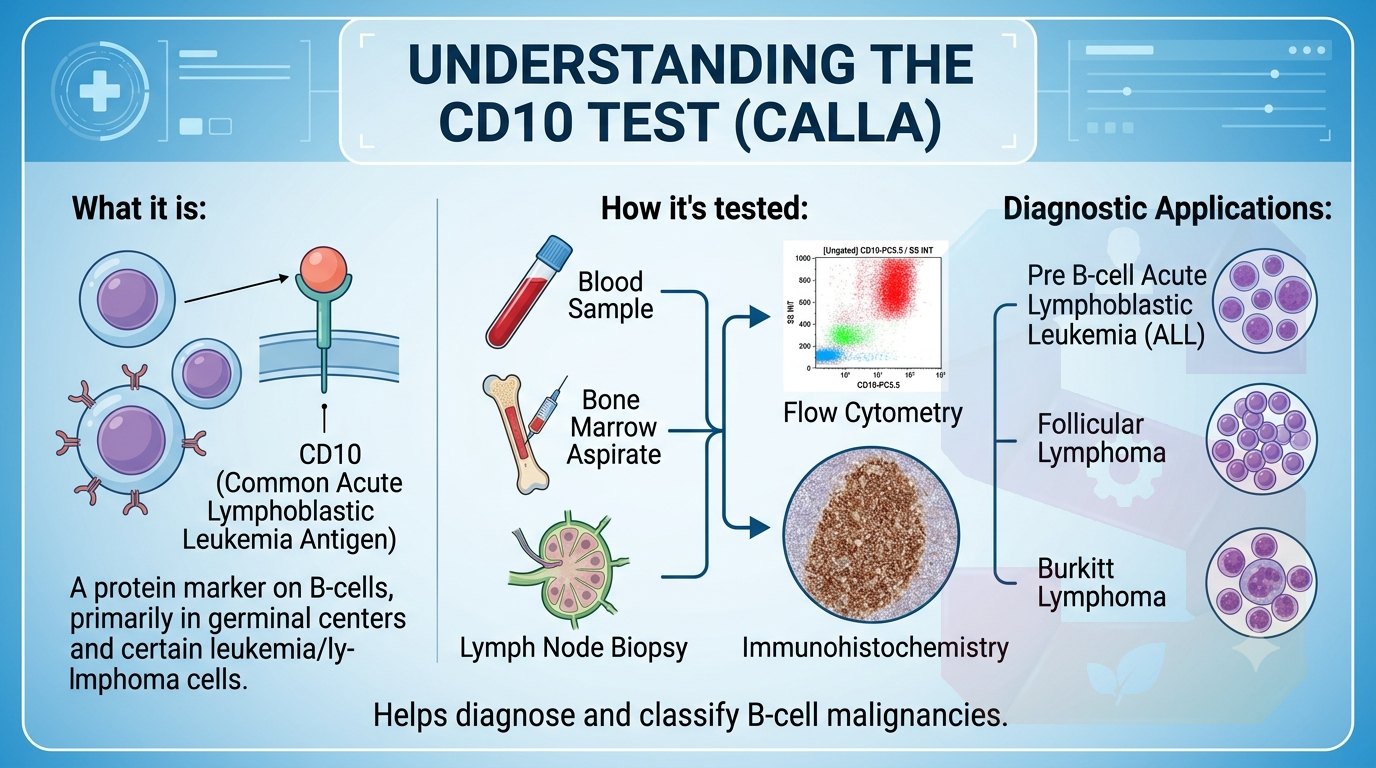 CD 10 Test New2,600.00₹In stockAll over India0 ReviewsThe CD10 test is a diagnostic laboratory evaluation used in hematopathology to identify the CD10 protein, also known as Common Acute Lymphoblastic Leukemia Antigen (CALLA). Expressed on pre-B lymphocytes and germinal center B-cells, CD10 serves as a key cell-surface marker.
Using flow cytometry or immunohistochemistry on blood, bone marrow, or lymph node samples, the test helps clinicians distinguish specific lymphomas and leukemias. It is particularly crucial for diagnosing Pre B-cell Acute Lymphoblastic Leukemia (ALL), Follicular Lymphoma, and Burkitt Lymphoma. Ultimately, detecting CD10 expression aids doctors in precise cancer subtyping, risk stratification, and selecting targeted treatment plans.The CD10 test is a diagnostic laboratory evaluation used in hematopathology to identify the CD10 protein, also known as Common Acute Lymphoblastic Leukemia Antigen (CALLA). Expressed on pre-B lymphocytes and germinal center B-cells, CD10 serves as a key cell-surface marker. Using flow cytometry or immunohistochemistry on blood, bone marrow, or lymph node samples, the test helps clinicians distinguish specific lymphomas and leukemias. It is particularly crucial for diagnosing Pre B-cell Acute Lymphoblastic Leukemia (ALL), Follicular Lymphoma, and Burkitt Lymphoma. Ultimately, detecting CD10 expression aids doctors in precise cancer subtyping, risk stratification, and selecting targeted treatment plans.0 Comments 0 Shares 132 Views 0 Reviews -
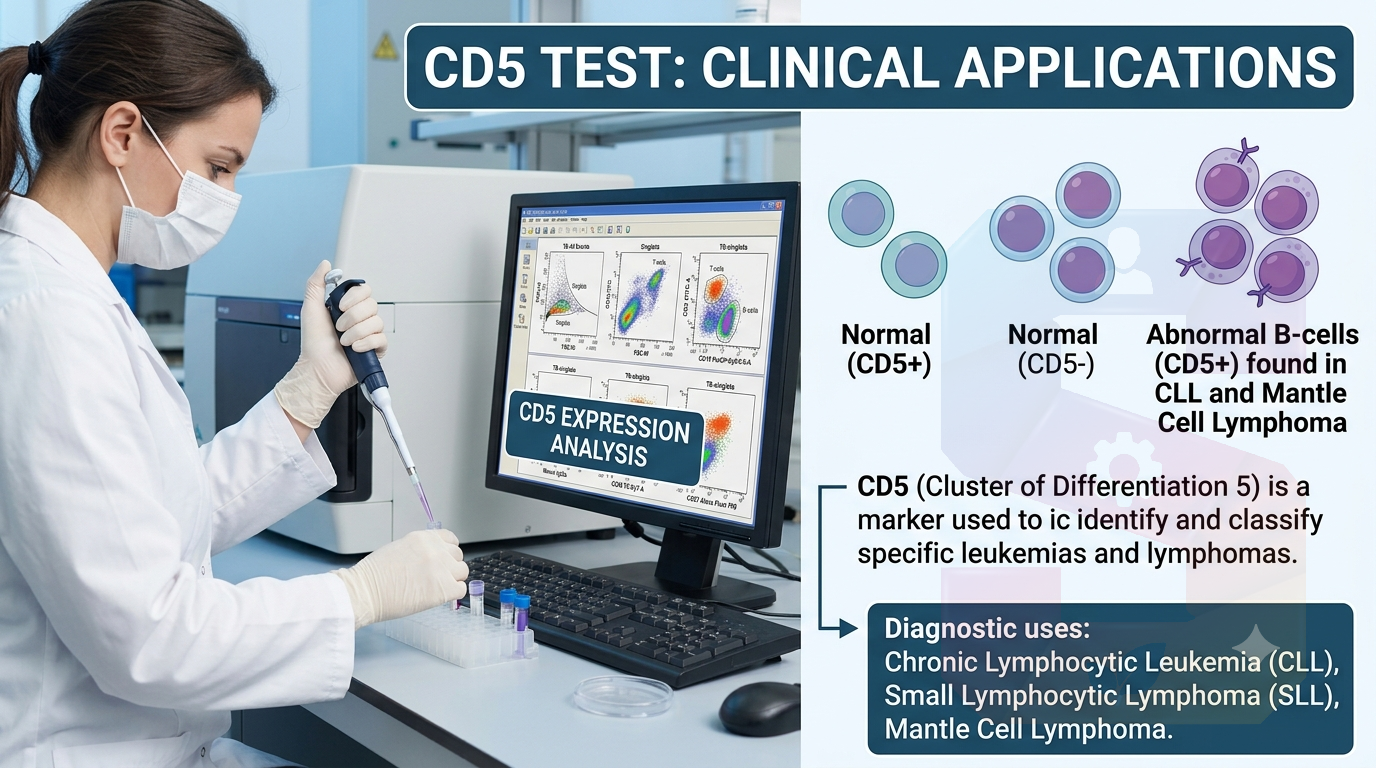 CD 5 Test New2,390.00₹In stockAll over India0 ReviewsThe CD5 test is a diagnostic evaluation used in pathology and hematology to detect the expression of the CD5 protein on immune cells. CD5 is a cell-surface marker naturally present on mature T-lymphocytes and a small subset of B-lymphocytes.
Performed via flow cytometry or immunohistochemistry on blood, bone marrow, or tissue biopsies, the test helps clinicians distinguish and classify specific blood cancers. Abnormal expression of CD5 on B-cells strongly points toward conditions like Chronic Lymphocytic Leukemia (CLL) and Mantle Cell Lymphoma. Ultimately, this test plays a vital role in accurate cancer staging, guiding targeted therapies, and monitoring treatment response.The CD5 test is a diagnostic evaluation used in pathology and hematology to detect the expression of the CD5 protein on immune cells. CD5 is a cell-surface marker naturally present on mature T-lymphocytes and a small subset of B-lymphocytes. Performed via flow cytometry or immunohistochemistry on blood, bone marrow, or tissue biopsies, the test helps clinicians distinguish and classify specific blood cancers. Abnormal expression of CD5 on B-cells strongly points toward conditions like Chronic Lymphocytic Leukemia (CLL) and Mantle Cell Lymphoma. Ultimately, this test plays a vital role in accurate cancer staging, guiding targeted therapies, and monitoring treatment response.0 Comments 0 Shares 133 Views 0 Reviews -
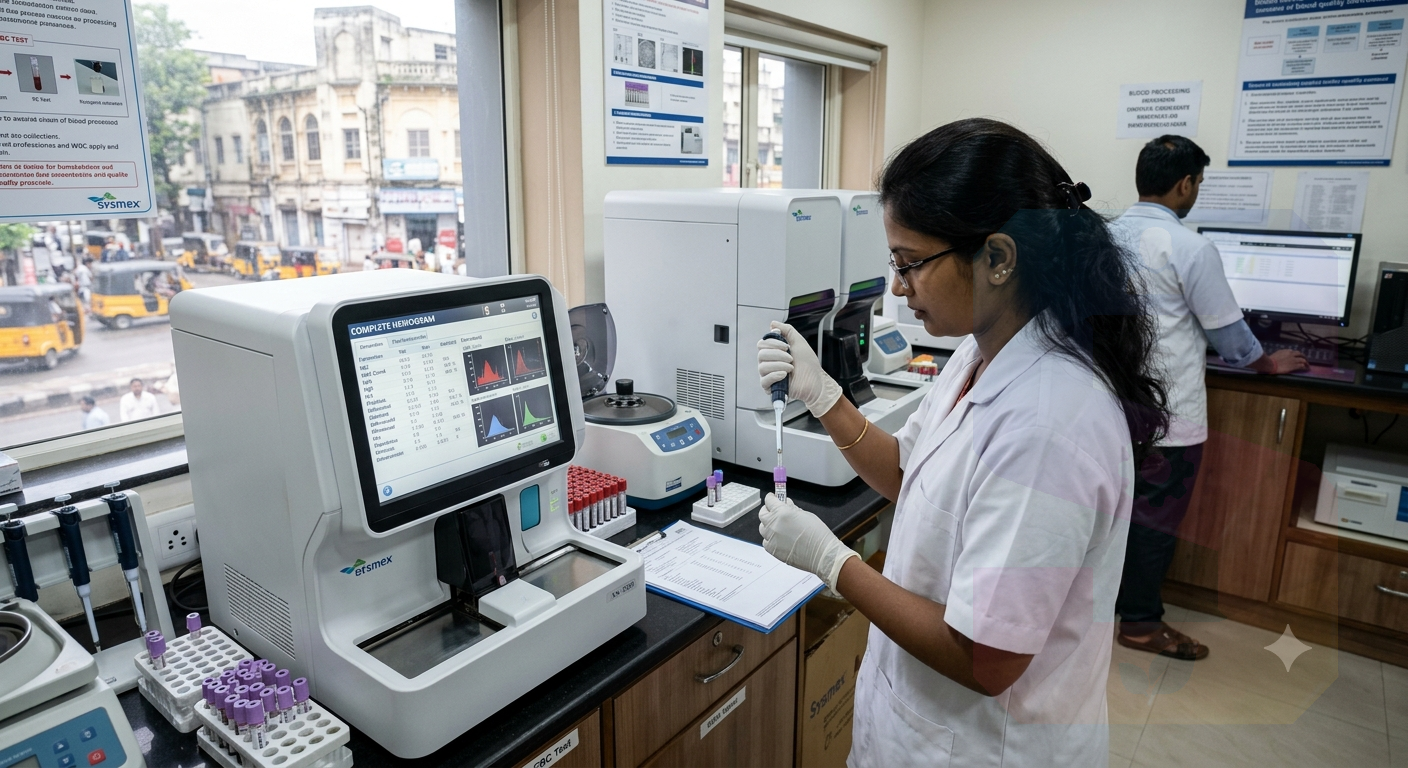 CBC - Complete Hemogram Test New300.00₹In stockAll over India0 ReviewsA Complete Blood Count (CBC), often referred to as a Complete Hemogram Test, is a foundational diagnostic blood panel that evaluates overall health. It measures essential blood components, including red blood cells (RBCs), white blood cells (WBCs), hemoglobin, hematocrit, and platelets, alongside differential counts and cell indices. This comprehensive profile helps physicians detect a wide range of conditions, such as anemia, active infections, inflammation, clotting disorders, and nutritional deficiencies. By providing a detailed snapshot of cellular health, the CBC Complete Hemogram serves as a routine screening tool and a vital step in monitoring existing medical conditions.A Complete Blood Count (CBC), often referred to as a Complete Hemogram Test, is a foundational diagnostic blood panel that evaluates overall health. It measures essential blood components, including red blood cells (RBCs), white blood cells (WBCs), hemoglobin, hematocrit, and platelets, alongside differential counts and cell indices. This comprehensive profile helps physicians detect a wide range of conditions, such as anemia, active infections, inflammation, clotting disorders, and nutritional deficiencies. By providing a detailed snapshot of cellular health, the CBC Complete Hemogram serves as a routine screening tool and a vital step in monitoring existing medical conditions.0 Comments 0 Shares 728 Views 0 Reviews
 -
CBC - Complete Hemogram Test New300.00₹In stockAll over India0 ReviewsA Complete Blood Count (CBC), often referred to as a Complete Hemogram Test, is a foundational diagnostic blood panel that evaluates overall health. It measures essential blood components, including red blood cells (RBCs), white blood cells (WBCs), hemoglobin, hematocrit, and platelets, alongside differential counts and cell indices. This comprehensive profile helps physicians detect a wide range of conditions, such as anemia, active infections, inflammation, clotting disorders, and nutritional deficiencies. By providing a detailed snapshot of cellular health, the CBC Complete Hemogram serves as a routine screening tool and a vital step in monitoring existing medical conditions.A Complete Blood Count (CBC), often referred to as a Complete Hemogram Test, is a foundational diagnostic blood panel that evaluates overall health. It measures essential blood components, including red blood cells (RBCs), white blood cells (WBCs), hemoglobin, hematocrit, and platelets, alongside differential counts and cell indices. This comprehensive profile helps physicians detect a wide range of conditions, such as anemia, active infections, inflammation, clotting disorders, and nutritional deficiencies. By providing a detailed snapshot of cellular health, the CBC Complete Hemogram serves as a routine screening tool and a vital step in monitoring existing medical conditions.0 Comments 0 Shares 735 Views 0 Reviews
-
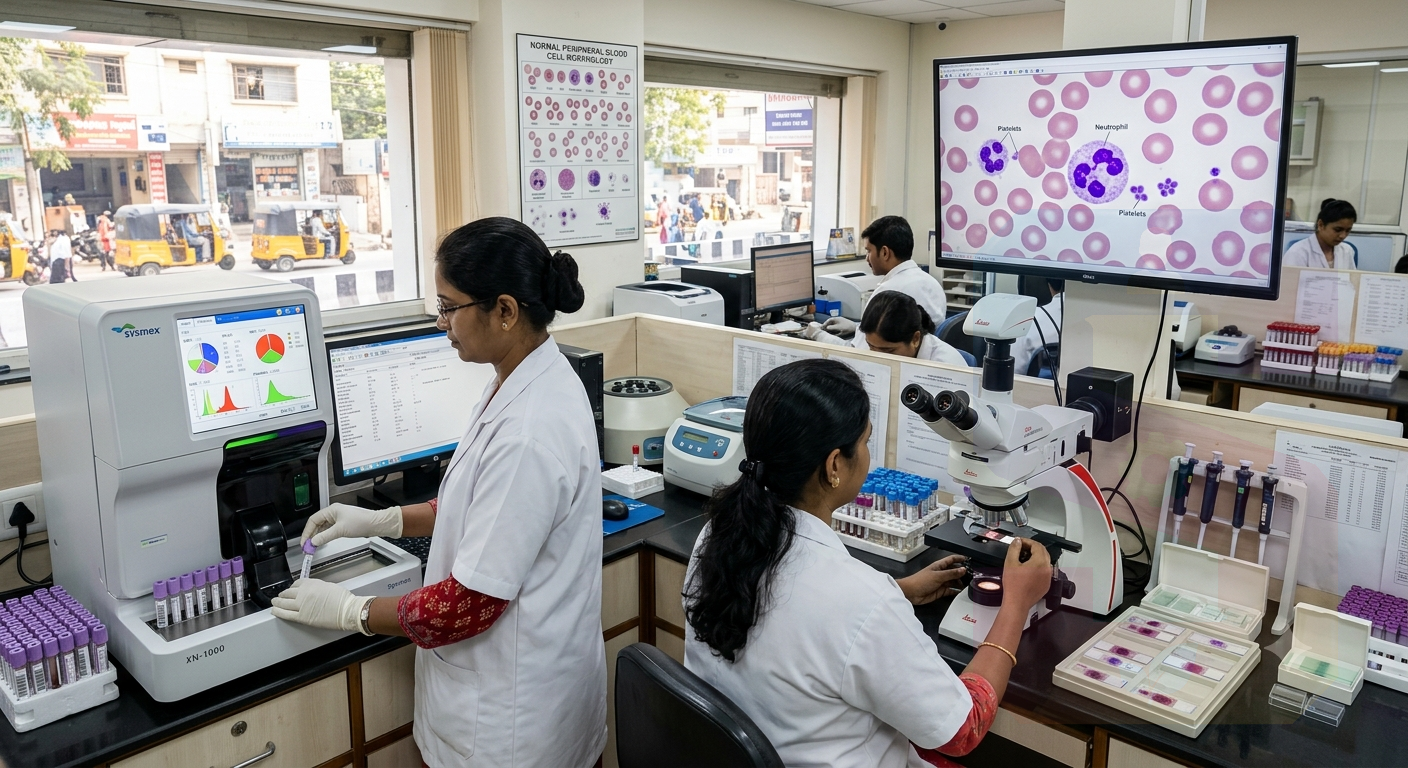 CBC and Peripheral Blood Smear Test New450.00₹In stockAll over India0 ReviewsA Complete Blood Count (CBC) and Peripheral Blood Smear test provide a comprehensive evaluation of your blood's health and cellular structure. The CBC quantifies key components, including red blood cells, white blood cells, hemoglobin, and platelets, to screen for conditions like anemia, infections, and clotting disorders. Complementing this, the peripheral blood smear involves examining a thin layer of blood under a microscope to evaluate the size, shape, and appearance of these cells. Together, these complementary diagnostic tests offer critical insights, helping clinicians identify abnormal cell morphology, detect underlying blood disorders, and effectively guide targeted medical care.A Complete Blood Count (CBC) and Peripheral Blood Smear test provide a comprehensive evaluation of your blood's health and cellular structure. The CBC quantifies key components, including red blood cells, white blood cells, hemoglobin, and platelets, to screen for conditions like anemia, infections, and clotting disorders. Complementing this, the peripheral blood smear involves examining a thin layer of blood under a microscope to evaluate the size, shape, and appearance of these cells. Together, these complementary diagnostic tests offer critical insights, helping clinicians identify abnormal cell morphology, detect underlying blood disorders, and effectively guide targeted medical care.0 Comments 0 Shares 730 Views 0 Reviews
 -
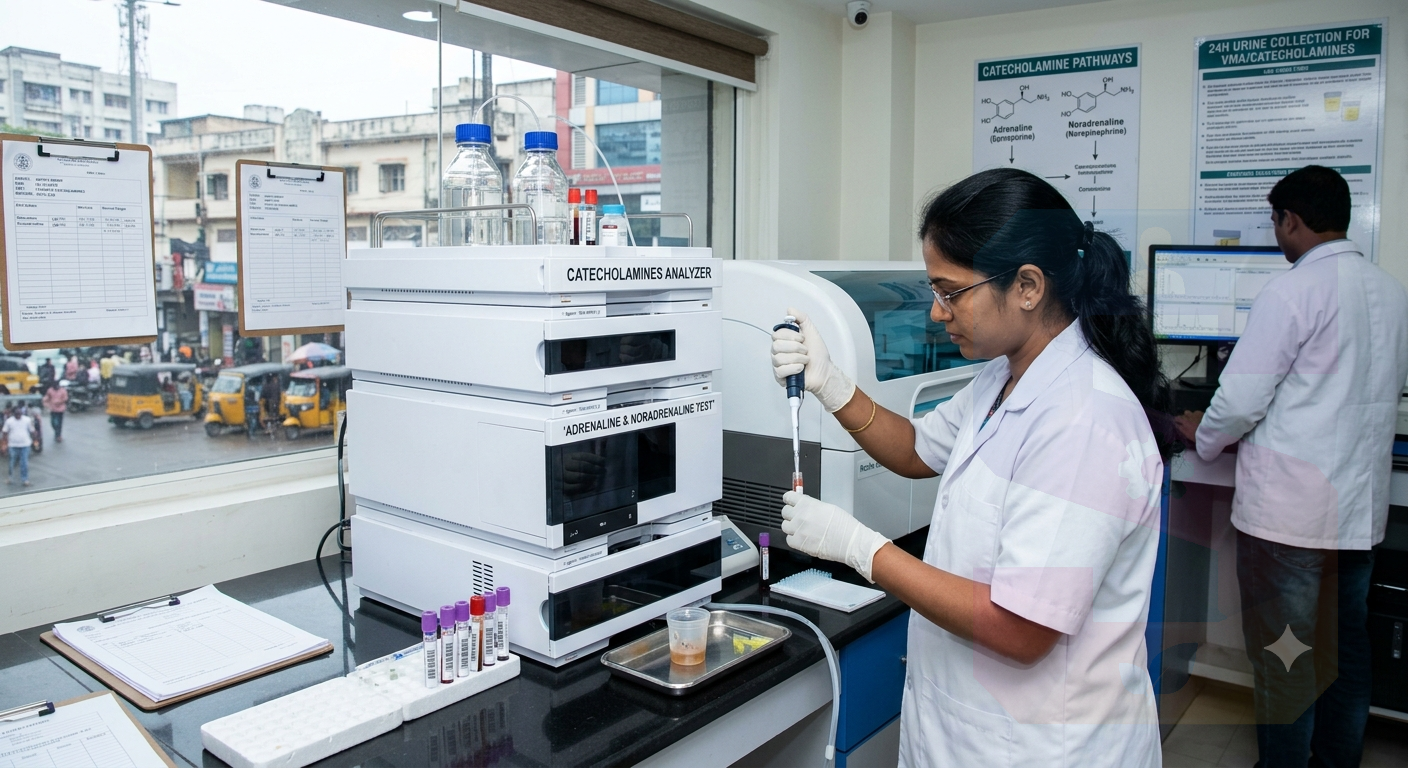 Catecholamines (Adrenaline and Non Adrenaline) Test New7,000.00₹In stockAll over India0 ReviewsA catecholamines test measures the levels of stress hormones—adrenaline (epinephrine) and noradrenaline (norepinephrine)— circulating in your blood or urine. Produced primarily by the adrenal glands, these vital hormones help your body manage physical and emotional stress by regulating heart rate, blood pressure, and metabolism. Doctors typically order this diagnostic test to investigate persistent hypertension, headaches, sweating, or rapid heartbeats, and to screen for rare, hormone-secreting neuroendocrine tumors like pheochromocytomas. Accurate results help clinicians pinpoint underlying endocrine disorders, ensuring patients receive timely and appropriate medical interventions.A catecholamines test measures the levels of stress hormones—adrenaline (epinephrine) and noradrenaline (norepinephrine)— circulating in your blood or urine. Produced primarily by the adrenal glands, these vital hormones help your body manage physical and emotional stress by regulating heart rate, blood pressure, and metabolism. Doctors typically order this diagnostic test to investigate persistent hypertension, headaches, sweating, or rapid heartbeats, and to screen for rare, hormone-secreting neuroendocrine tumors like pheochromocytomas. Accurate results help clinicians pinpoint underlying endocrine disorders, ensuring patients receive timely and appropriate medical interventions.0 Comments 0 Shares 725 Views 0 Reviews
 -
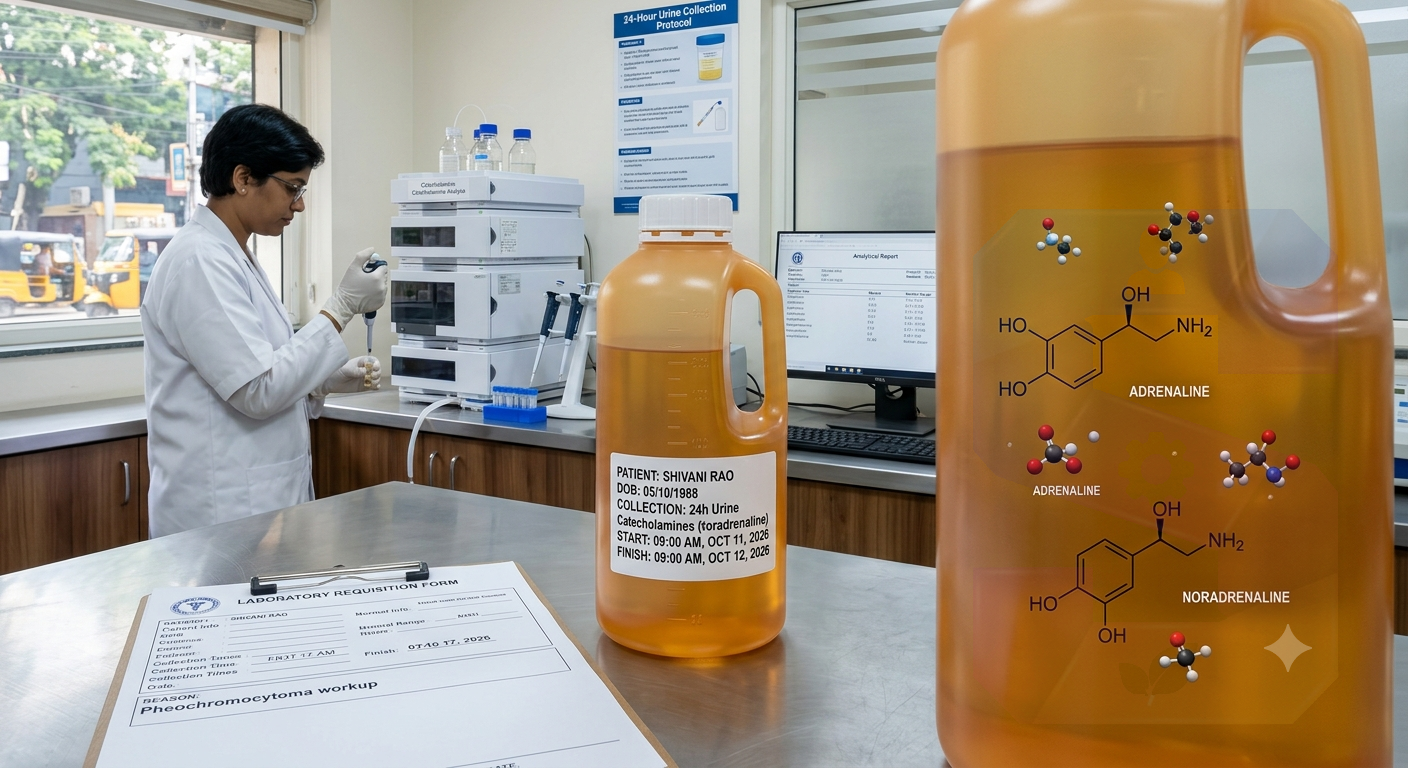 Catecholamines (Adrenaline and Non Adrenaline) 24 hours Urine New6,200.00₹In stockAll over India0 ReviewsA 24-hour urine catecholamines test measures the combined levels of adrenaline (epinephrine) and noradrenaline (norepinephrine) produced by the body over a full day. These hormones, released by the adrenal glands during stress or physical activity, regulate crucial functions like heart rate and blood pressure. The test primary screens for rare adrenal neuroendocrine tumors, such as pheochromocytomas or paragangliomas, which hypersecrete catecholamines and cause severe symptoms including persistent high blood pressure, rapid heart rate, sweating, and headaches. Collecting urine over 24 hours provides a reliable baseline, accounting for normal hourly fluctuations throughout the day.A 24-hour urine catecholamines test measures the combined levels of adrenaline (epinephrine) and noradrenaline (norepinephrine) produced by the body over a full day. These hormones, released by the adrenal glands during stress or physical activity, regulate crucial functions like heart rate and blood pressure. The test primary screens for rare adrenal neuroendocrine tumors, such as pheochromocytomas or paragangliomas, which hypersecrete catecholamines and cause severe symptoms including persistent high blood pressure, rapid heart rate, sweating, and headaches. Collecting urine over 24 hours provides a reliable baseline, accounting for normal hourly fluctuations throughout the day.0 Comments 0 Shares 762 Views 0 Reviews
 -
 Carrier Screening Panel-Solo Test New15,000.00₹In stockAll over India0 ReviewsA Carrier Screening Panel for an individual, or solo test, is a vital genetic assessment for anyone planning a family without partner testing or prior family history. It analyzes a person's DNA to identify if they carry recessive gene mutations for severe genetic conditions, including cystic fibrosis, spinal muscular atrophy, or sickle cell anemia. Because carriers typically experience no health symptoms themselves, this test provides essential clarity regarding hidden genetic risks. Identifying single-carrier status enables individuals to proactively discuss future family planning with their partners, seek guidance from genetic counselors, and make fully informed reproductive decisions before pregnancy.A Carrier Screening Panel for an individual, or solo test, is a vital genetic assessment for anyone planning a family without partner testing or prior family history. It analyzes a person's DNA to identify if they carry recessive gene mutations for severe genetic conditions, including cystic fibrosis, spinal muscular atrophy, or sickle cell anemia. Because carriers typically experience no health symptoms themselves, this test provides essential clarity regarding hidden genetic risks. Identifying single-carrier status enables individuals to proactively discuss future family planning with their partners, seek guidance from genetic counselors, and make fully informed reproductive decisions before pregnancy.0 Comments 0 Shares 769 Views 0 Reviews
More Stories