


• Basic Arthritis Profile for Male New
    1,100.00₹
    In stock
    All over India
    0 Reviews
    A **Basic Arthritis Profile for Male** is a targeted blood panel designed to evaluate systemic inflammation and identify markers associated with various arthritic conditions. This profile typically includes tests such as Erythrocyte Sedimentation Rate (ESR) and C-Reactive Protein (CRP) to detect generalized inflammatory responses, along with Rheumatoid Factor (RF) and sometimes Anti-CCP to screen for autoimmune joint diseases. Additionally, Uric Acid levels are frequently measured to assess for gout, a condition notably prevalent in men. By analyzing these specific biomarkers, healthcare providers can differentiate between inflammatory and non-inflammatory joint pain, facilitating an accurate diagnosis and timely intervention to preserve long-term joint health.
    A **Basic Arthritis Profile for Male** is a targeted blood panel designed to evaluate systemic inflammation and identify markers associated with various arthritic conditions. This profile typically includes tests such as Erythrocyte Sedimentation Rate (ESR) and C-Reactive Protein (CRP) to detect generalized inflammatory responses, along with Rheumatoid Factor (RF) and sometimes Anti-CCP to screen for autoimmune joint diseases. Additionally, Uric Acid levels are frequently measured to assess for gout, a condition notably prevalent in men. By analyzing these specific biomarkers, healthcare providers can differentiate between inflammatory and non-inflammatory joint pain, facilitating an accurate diagnosis and timely intervention to preserve long-term joint health.
    0 Comments 0 Shares 542 Views 0 Reviews
  • Arthritis Profile - B Test New
    4,000.00₹
    In stock
    All over India
    0 Reviews
    An **Arthritis Profile B test** is an expanded, multi-parameter diagnostic panel designed to comprehensively evaluate complex joint disorders and autoimmune inflammatory conditions. In addition to core markers like **Rheumatoid Factor (RF)**, **C-Reactive Protein (CRP)**, and **Erythrocyte Sedimentation Rate (ESR)**, Profile B typically incorporates specialized biomarkers such as **Anti-CCP**, **Anti-Nuclear Antibodies (ANA)**, **ASO Titre**, **HLA-B27**, **Complement 3 (C3)**, and **Vitamin D levels**.
    Clinicians order this extensive profile for patients presenting with persistent joint pain, morning stiffness, or suspected systemic autoimmune diseases like ankylosing spondylitis or lupus. It provides deep diagnostic insight to differentiate overlapping arthritic conditions and guide targeted therapy.
    An **Arthritis Profile B test** is an expanded, multi-parameter diagnostic panel designed to comprehensively evaluate complex joint disorders and autoimmune inflammatory conditions. In addition to core markers like **Rheumatoid Factor (RF)**, **C-Reactive Protein (CRP)**, and **Erythrocyte Sedimentation Rate (ESR)**, Profile B typically incorporates specialized biomarkers such as **Anti-CCP**, **Anti-Nuclear Antibodies (ANA)**, **ASO Titre**, **HLA-B27**, **Complement 3 (C3)**, and **Vitamin D levels**. Clinicians order this extensive profile for patients presenting with persistent joint pain, morning stiffness, or suspected systemic autoimmune diseases like ankylosing spondylitis or lupus. It provides deep diagnostic insight to differentiate overlapping arthritic conditions and guide targeted therapy.
    0 Comments 0 Shares 461 Views 0 Reviews
  • APTT New
    418.00₹
    In stock
    All over India
    0 Reviews
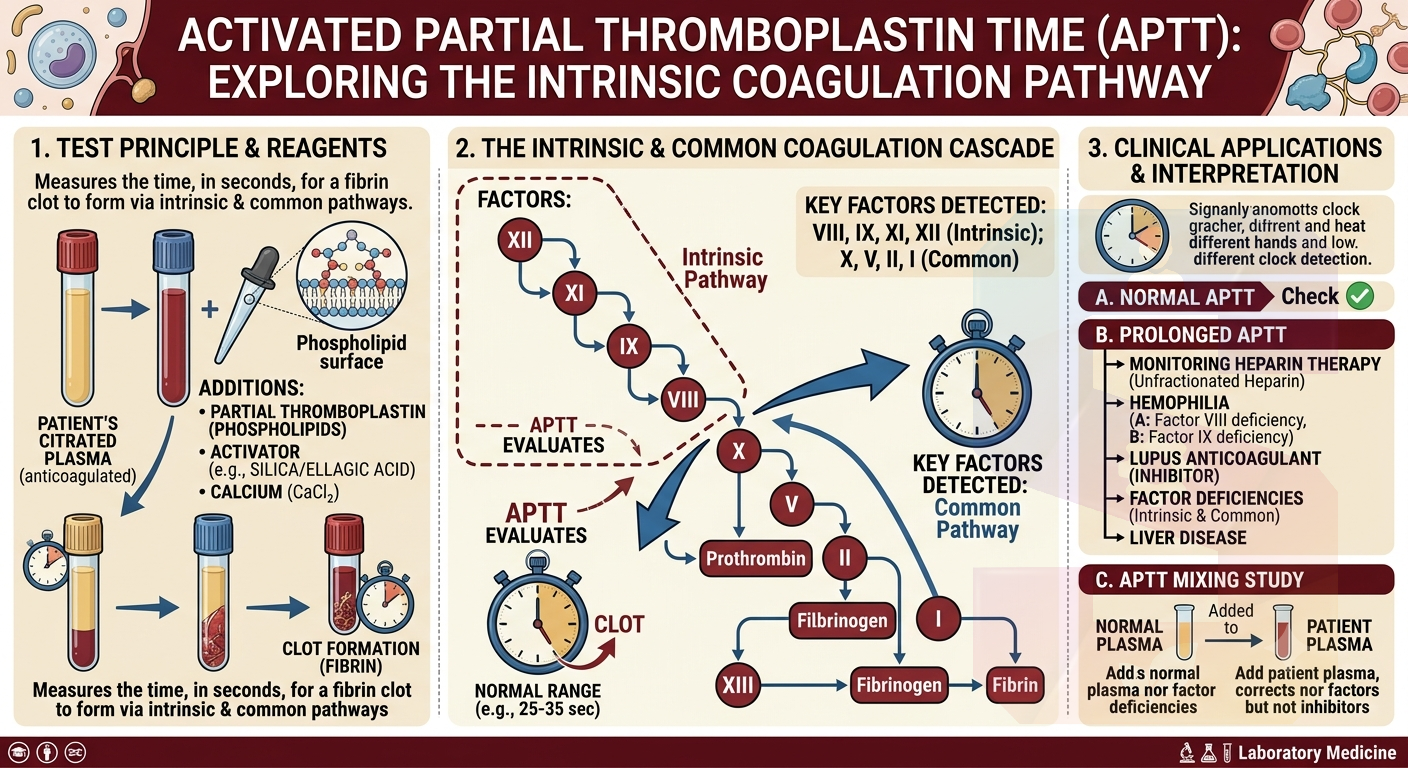
    The **Activated Partial Thromboplastin Time (APTT)** test is a essential coagulation screening assay that evaluates the integrity of the intrinsic and common pathways of the blood clotting cascade. It measures the time, in seconds, required for a fibrin clot to form in plasma after specific activating reagents and calcium are added. Clinically, the APTT is primary used to monitor unfractionated heparin anticoagulant therapy and to investigate unexplained bleeding or bruising. Prolonged APTT values can indicate deficiency or dysfunction of clotting factors—such as Factor VIII in Hemophilia A or Factor IX in Hemophilia B—or the presence of circulating inhibitors like lupus anticoagulant.
    The **Activated Partial Thromboplastin Time (APTT)** test is a essential coagulation screening assay that evaluates the integrity of the intrinsic and common pathways of the blood clotting cascade. It measures the time, in seconds, required for a fibrin clot to form in plasma after specific activating reagents and calcium are added. Clinically, the APTT is primary used to monitor unfractionated heparin anticoagulant therapy and to investigate unexplained bleeding or bruising. Prolonged APTT values can indicate deficiency or dysfunction of clotting factors—such as Factor VIII in Hemophilia A or Factor IX in Hemophilia B—or the presence of circulating inhibitors like lupus anticoagulant.
    0 Comments 0 Shares 1K Views 0 Reviews
  • Apo lipoprotein A1 Test New
    495.00₹
    In stock
    All over India
    0 Reviews
    **Apolipoprotein A1 (ApoA1)** is the primary structural protein component of High-Density Lipoprotein (HDL), commonly known as "good cholesterol." Produced mainly in the liver and intestine, ApoA1 plays a critical role in **reverse cholesterol transport**—a protective process where excess cholesterol is collected from peripheral tissues and artery walls, then transported back to the liver for excretion. Additionally, ApoA1 acts as a cofactor for lecithin-cholesterol acyltransferase (LCAT), an enzyme essential for converting free cholesterol into esterified forms for transport. Higher circulating levels of ApoA1 are strongly associated with reduced cardiovascular risk, anti-inflammatory defense, and improved vascular endothelial function.
    **Apolipoprotein A1 (ApoA1)** is the primary structural protein component of High-Density Lipoprotein (HDL), commonly known as "good cholesterol." Produced mainly in the liver and intestine, ApoA1 plays a critical role in **reverse cholesterol transport**—a protective process where excess cholesterol is collected from peripheral tissues and artery walls, then transported back to the liver for excretion. Additionally, ApoA1 acts as a cofactor for lecithin-cholesterol acyltransferase (LCAT), an enzyme essential for converting free cholesterol into esterified forms for transport. Higher circulating levels of ApoA1 are strongly associated with reduced cardiovascular risk, anti-inflammatory defense, and improved vascular endothelial function.
    0 Comments 0 Shares 1K Views 0 Reviews
  • Activated Protein C Resistance (APCR)** test New
    5,650.00₹
    In stock
    All over India
    0 Reviews
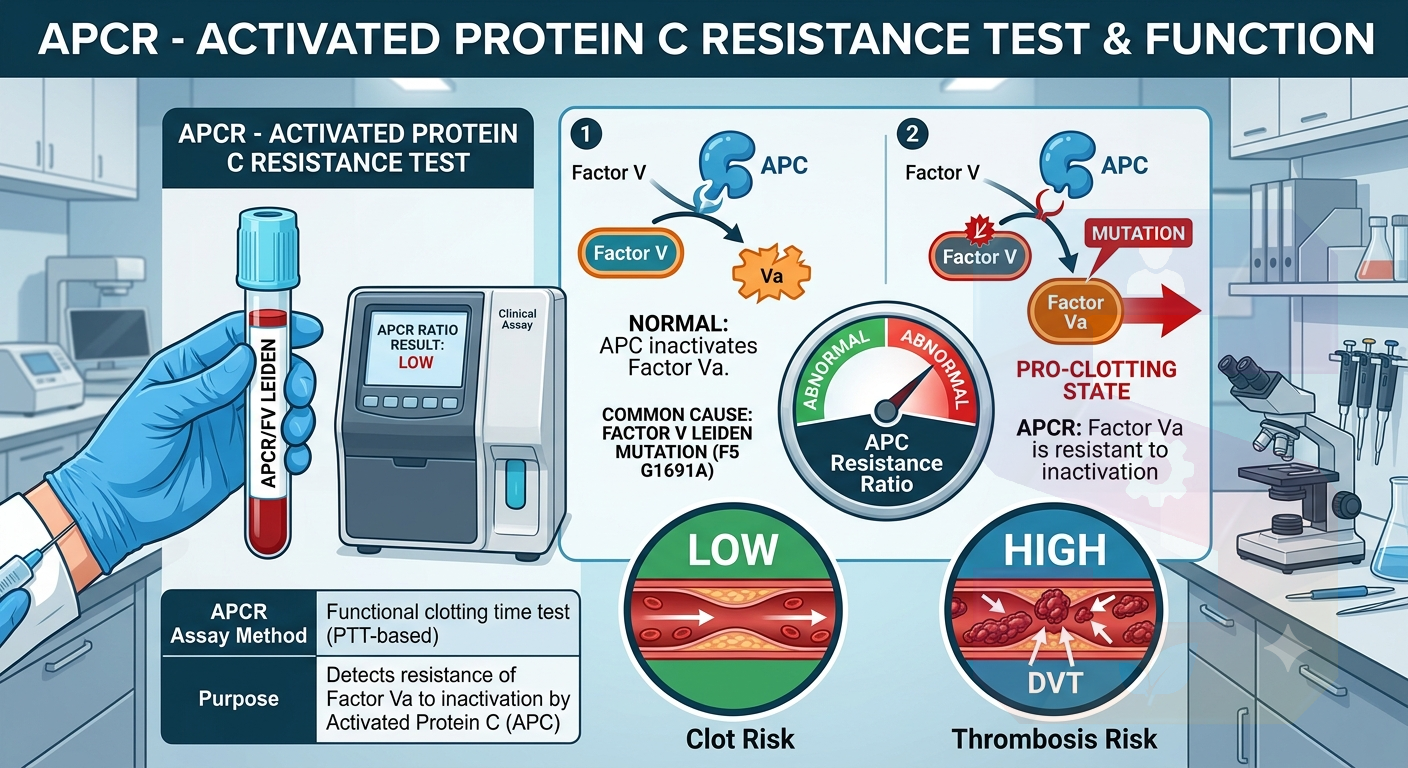
    An **Activated Protein C Resistance (APCR)** test is a specialized blood investigation used to evaluate a person’s risk for developing abnormal blood clots. Activated Protein C (APC) is a natural anticoagulant protein in the body that inactivates specific clotting factors to prevent excessive coagulation.
    In APCR, the blood’s response to APC is diminished, leading to a higher tendency to form blood clots—a condition known as thrombophilia. Most commonly caused by the Factor V Leiden genetic mutation, this test measures how long it takes for plasma to clot after adding APC. Identifying APCR helps clinicians assess venous thromboembolism risk and tailor preventive therapies effectively.
    An **Activated Protein C Resistance (APCR)** test is a specialized blood investigation used to evaluate a person’s risk for developing abnormal blood clots. Activated Protein C (APC) is a natural anticoagulant protein in the body that inactivates specific clotting factors to prevent excessive coagulation. In APCR, the blood’s response to APC is diminished, leading to a higher tendency to form blood clots—a condition known as thrombophilia. Most commonly caused by the Factor V Leiden genetic mutation, this test measures how long it takes for plasma to clot after adding APC. Identifying APCR helps clinicians assess venous thromboembolism risk and tailor preventive therapies effectively.
    0 Comments 0 Shares 967 Views 0 Reviews
  • Anti Mullerian Hormone (AMH) Test New
    2,145.00₹
    In stock
    All over India
    0 Reviews
    The **Anti-Mullerian Hormone (AMH) test** is a blood test that measures the levels of AMH, a hormone produced by the small, growing follicles in a woman's ovaries. Because the amount of AMH in the blood directly corresponds to the number of remaining eggs, the test is widely used to assess a woman’s ovarian reserve (egg count).

    This diagnostic tool is valuable in fertility planning, helping to predict responses to IVF treatments and evaluate conditions like Polycystic Ovary Syndrome (PCOS). Additionally, it can help estimate the onset of menopause or investigate early ovarian insufficiency.
    The **Anti-Mullerian Hormone (AMH) test** is a blood test that measures the levels of AMH, a hormone produced by the small, growing follicles in a woman's ovaries. Because the amount of AMH in the blood directly corresponds to the number of remaining eggs, the test is widely used to assess a woman’s ovarian reserve (egg count). This diagnostic tool is valuable in fertility planning, helping to predict responses to IVF treatments and evaluate conditions like Polycystic Ovary Syndrome (PCOS). Additionally, it can help estimate the onset of menopause or investigate early ovarian insufficiency.
    0 Comments 0 Shares 572 Views 0 Reviews
  • Anti Infliximab Antibodies New
    13,780.00₹
    In stock
    All over India
    0 Reviews
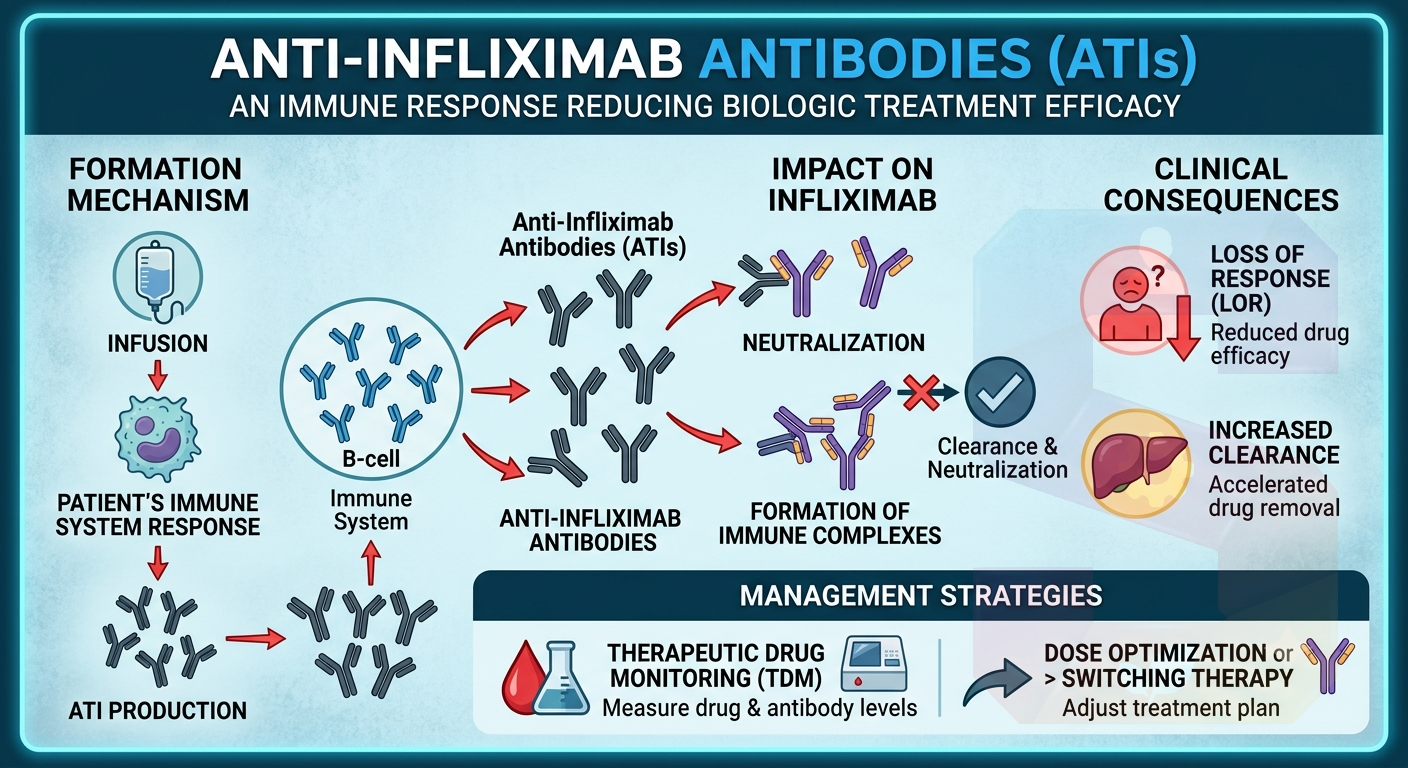
    **Anti-Infliximab Antibodies (ATIs)** are immune proteins produced by the body that mistakenly target and neutralize infliximab, a biologic medication used to treat autoimmune conditions like Crohn's disease and rheumatoid arthritis.

    When a patient develops ATIs, the antibodies bind to the drug, clearing it from the bloodstream much faster than normal. This primary response leads to a significant drop in drug efficacy, often causing a return of disease symptoms (loss of response). Additionally, the formation of these immune complexes increases the risk of acute infusion reactions, such as fever, chills, or rashes, during treatment.
    An Anti-Infliximab Antibodies (ATI) diagnostic test measures the level of these neutralizing antibodies in a patient's blood, typically alongside infliximab drug levels. This dual assessment, known as therapeutic drug monitoring (TDM), is crucial when a patient is losing response to treatment.
    **Anti-Infliximab Antibodies (ATIs)** are immune proteins produced by the body that mistakenly target and neutralize infliximab, a biologic medication used to treat autoimmune conditions like Crohn's disease and rheumatoid arthritis. When a patient develops ATIs, the antibodies bind to the drug, clearing it from the bloodstream much faster than normal. This primary response leads to a significant drop in drug efficacy, often causing a return of disease symptoms (loss of response). Additionally, the formation of these immune complexes increases the risk of acute infusion reactions, such as fever, chills, or rashes, during treatment. An Anti-Infliximab Antibodies (ATI) diagnostic test measures the level of these neutralizing antibodies in a patient's blood, typically alongside infliximab drug levels. This dual assessment, known as therapeutic drug monitoring (TDM), is crucial when a patient is losing response to treatment.
    0 Comments 0 Shares 609 Views 0 Reviews
  • Wall Lamps: Add Style, Warmth, and Elegance to Every Space


    Explore wall lamps: https://www.jaquar.com/en/cls-decorative-wall-lamps
    Wall Lamps: Add Style, Warmth, and Elegance to Every Space Explore wall lamps: https://www.jaquar.com/en/cls-decorative-wall-lamps
    Wall Lamps & Decorative Wall Light Designs - Jaquar
    Explore stylish wall lamps, modern wall lamps, and decorative wall lights. Find the perfect wall light design or fancy light for wall today.
    0 Comments 0 Shares 554 Views 0 Reviews
  • Anemia Profile - B New
    2,420.00₹
    In stock
    Hyderabad
    0 Reviews
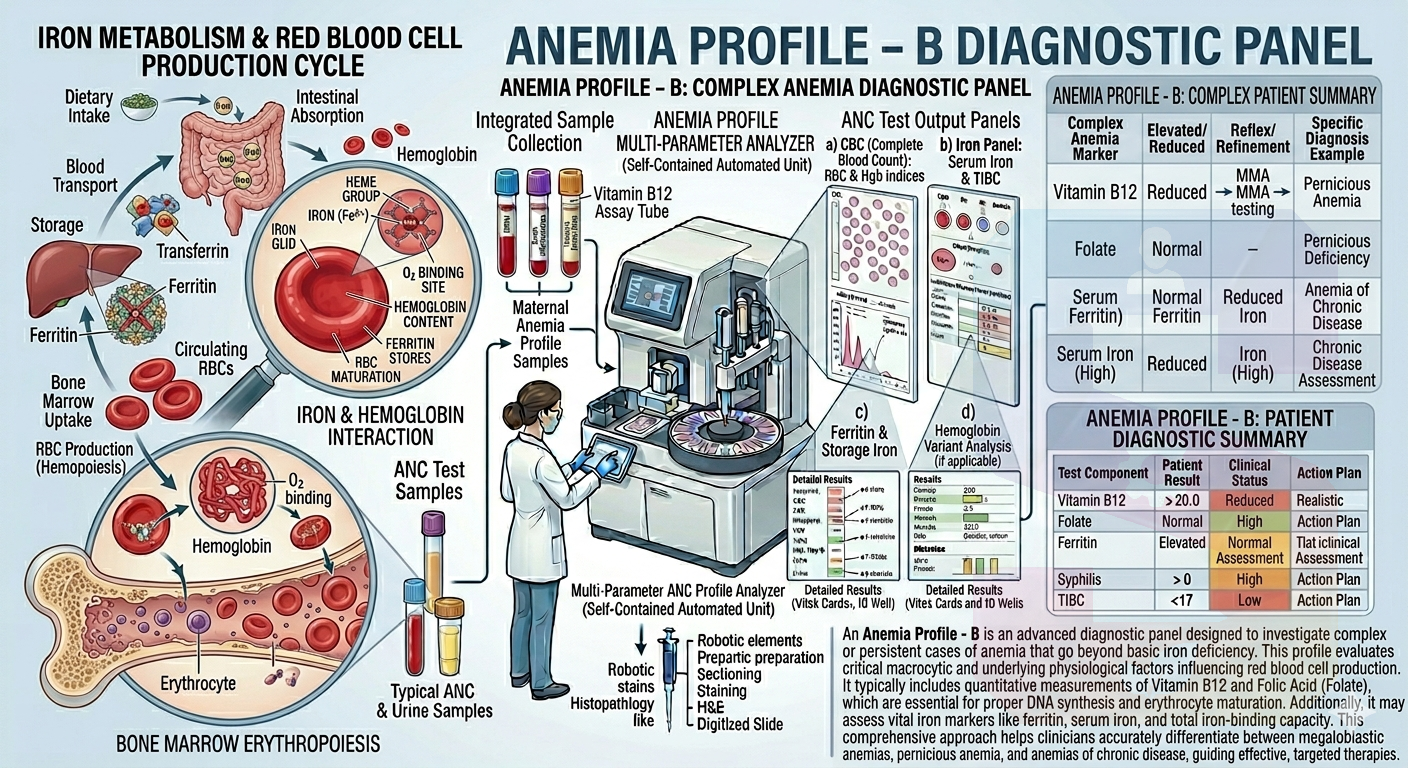
    An **Anemia Profile - B** is an advanced diagnostic panel designed to investigate complex or persistent cases of anemia that go beyond basic iron deficiency. This profile evaluates critical macrocytic and underlying physiological factors influencing red blood cell production.

    It typically includes quantitative measurements of Vitamin B12 and Folic Acid (Folate), which are essential for proper DNA synthesis and erythrocyte maturation. Additionally, it may assess vital iron markers like ferritin, serum iron, and total iron-binding capacity. This comprehensive approach helps clinicians accurately differentiate between megaloblastic anemias, pernicious anemia, and anemias of chronic disease, guiding effective, targeted therapies.
    An **Anemia Profile - B** is an advanced diagnostic panel designed to investigate complex or persistent cases of anemia that go beyond basic iron deficiency. This profile evaluates critical macrocytic and underlying physiological factors influencing red blood cell production. It typically includes quantitative measurements of Vitamin B12 and Folic Acid (Folate), which are essential for proper DNA synthesis and erythrocyte maturation. Additionally, it may assess vital iron markers like ferritin, serum iron, and total iron-binding capacity. This comprehensive approach helps clinicians accurately differentiate between megaloblastic anemias, pernicious anemia, and anemias of chronic disease, guiding effective, targeted therapies.
    0 Comments 0 Shares 704 Views 0 Reviews
  • Aluminium Serum Diagnostic Test New
    2,580.00₹
    In stock
    Hyderabad
    0 Reviews
    The **Aluminium Serum Diagnostic Test** is a specialized blood evaluation used to measure the concentration of aluminium in the body. This test is primarily indicated for patients undergoing long-term kidney dialysis, as they are at a heightened risk of accumulating the metal from dialysis fluids and medications, which can lead to complications like dialysis encephalopathy or metabolic bone disease.

    Additionally, it is crucial for monitoring industrial workers exposed to Aluminium dust or fumes. Detecting elevated serum levels allows clinicians to identify toxic exposure early, implement safety interventions, and prevent severe, long-term neurological and skeletal damage.
    The **Aluminium Serum Diagnostic Test** is a specialized blood evaluation used to measure the concentration of aluminium in the body. This test is primarily indicated for patients undergoing long-term kidney dialysis, as they are at a heightened risk of accumulating the metal from dialysis fluids and medications, which can lead to complications like dialysis encephalopathy or metabolic bone disease. Additionally, it is crucial for monitoring industrial workers exposed to Aluminium dust or fumes. Detecting elevated serum levels allows clinicians to identify toxic exposure early, implement safety interventions, and prevent severe, long-term neurological and skeletal damage.
    0 Comments 0 Shares 478 Views 0 Reviews
  • AFB-M.Tb detection (M.Tb/NTM Detection) by CBNAAT Pleural Fluid New
    2,700.00₹
    In stock
    Hyderabad
    0 Reviews
    Test Overview: CBNAAT for M.Tb/NTM Detection (Pleural Fluid)
    This test utilizes Cartridge-Based Nucleic Acid Amplification Test (CBNAAT)—commonly known as the GeneXpert assay—to rapidly detect the presence of Mycobacterium tuberculosis (M.Tb) complex DNA in pleural fluid samples. Additionally, it differentiates M.Tb from Nontuberculous Mycobacteria (NTM) and simultaneously detects mutations associated with resistance to Rifampicin, a primary first-line anti-tubercular drug.

    Clinical Significance
    Pleural tuberculosis often presents as an exudative pleural effusion where traditional Acid-Fast Bacilli (AFB) smear microscopy has very low sensitivity due to the paucibacillary nature (low bacterial load) of the fluid.

    Speed and Sensitivity: CBNAAT bridges this gap by amplifying DNA, offering a much higher sensitivity than routine microscopy and delivering results within a few hours (compared to weeks for mycobacterial culture).

    NTM Differentiation: Distinguishing between M.Tb and NTM is critical, as the clinical management and antibiotic regimens for NTM infections differ significantly from standard tuberculosis treatment.

    Drug Resistance Screening: Early identification of Rifampicin resistance serves as a crucial surrogate marker for multidrug-resistant TB (MDR-TB), allowing clinicians to tailor effective treatment regimens immediately.
    Test Overview: CBNAAT for M.Tb/NTM Detection (Pleural Fluid) This test utilizes Cartridge-Based Nucleic Acid Amplification Test (CBNAAT)—commonly known as the GeneXpert assay—to rapidly detect the presence of Mycobacterium tuberculosis (M.Tb) complex DNA in pleural fluid samples. Additionally, it differentiates M.Tb from Nontuberculous Mycobacteria (NTM) and simultaneously detects mutations associated with resistance to Rifampicin, a primary first-line anti-tubercular drug. Clinical Significance Pleural tuberculosis often presents as an exudative pleural effusion where traditional Acid-Fast Bacilli (AFB) smear microscopy has very low sensitivity due to the paucibacillary nature (low bacterial load) of the fluid. Speed and Sensitivity: CBNAAT bridges this gap by amplifying DNA, offering a much higher sensitivity than routine microscopy and delivering results within a few hours (compared to weeks for mycobacterial culture). NTM Differentiation: Distinguishing between M.Tb and NTM is critical, as the clinical management and antibiotic regimens for NTM infections differ significantly from standard tuberculosis treatment. Drug Resistance Screening: Early identification of Rifampicin resistance serves as a crucial surrogate marker for multidrug-resistant TB (MDR-TB), allowing clinicians to tailor effective treatment regimens immediately.
    0 Comments 0 Shares 726 Views 0 Reviews
  • AFB detection by smear examination ZN stain Urine, 1 sample diagnostic test New
    500.00₹
    In stock
    Hyderabad
    0 Reviews
    An AFB (Acid-Fast Bacilli) detection by smear examination using the ZN (Ziehl-Neelsen) stain on a single urine sample is a diagnostic test utilized to screen for Genitourinary Tuberculosis (GUTB).

    While pulmonary TB (lungs) is the most common form of the disease, the tuberculosis bacteria can travel through the bloodstream and infect the kidneys, ureters, prostate, bladder, or reproductive organs.

    Key Differences from Sputum Testing
    While the underlying staining technique remains identical to a sputum test, examining urine for AFB introduces a few unique, critical challenges and procedural differences:

    Paucibacillary Nature: Urine samples usually contain a much lower concentration of bacteria (they are paucibacillary) compared to thick lung sputum. This means the bacteria are significantly harder to find on a slide.

    The Saprophytic Problem (Mycobacterium smegmatis): The external genitalia naturally contain a harmless, non-tuberculous acid-fast bacterium called Mycobacterium smegmatis. Because it looks identical to Mycobacterium tuberculosis under a ZN stain, a simple smear cannot confidently tell them apart.

    Sample Requirement: Because bacteria shed intermittently into the urinary tract, a single spot sample has a relatively low sensitivity. Clinical protocols strongly prefer a series of 3 to 5 consecutive, early-morning, entire-volume urine samples over a single test to maximize the chances of catching the bacteria.
    An AFB (Acid-Fast Bacilli) detection by smear examination using the ZN (Ziehl-Neelsen) stain on a single urine sample is a diagnostic test utilized to screen for Genitourinary Tuberculosis (GUTB). While pulmonary TB (lungs) is the most common form of the disease, the tuberculosis bacteria can travel through the bloodstream and infect the kidneys, ureters, prostate, bladder, or reproductive organs. Key Differences from Sputum Testing While the underlying staining technique remains identical to a sputum test, examining urine for AFB introduces a few unique, critical challenges and procedural differences: Paucibacillary Nature: Urine samples usually contain a much lower concentration of bacteria (they are paucibacillary) compared to thick lung sputum. This means the bacteria are significantly harder to find on a slide. The Saprophytic Problem (Mycobacterium smegmatis): The external genitalia naturally contain a harmless, non-tuberculous acid-fast bacterium called Mycobacterium smegmatis. Because it looks identical to Mycobacterium tuberculosis under a ZN stain, a simple smear cannot confidently tell them apart. Sample Requirement: Because bacteria shed intermittently into the urinary tract, a single spot sample has a relatively low sensitivity. Clinical protocols strongly prefer a series of 3 to 5 consecutive, early-morning, entire-volume urine samples over a single test to maximize the chances of catching the bacteria.
    0 Comments 0 Shares 502 Views 0 Reviews
More Results
Sponsored