

• Bone Profile M Test New
    1,320.00₹
    In stock
    All over India
    0 Reviews
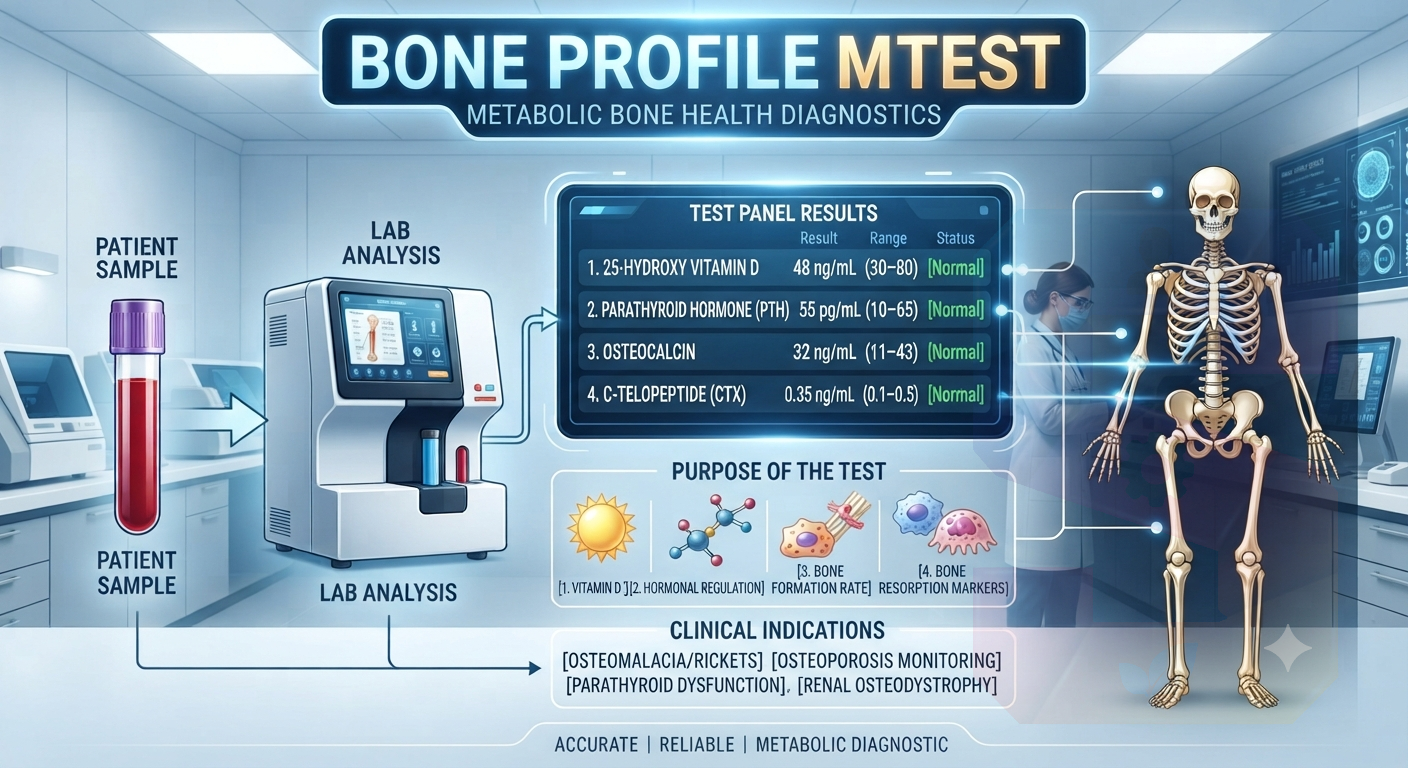
    A Bone Profile M test is a specialized diagnostic blood panel designed to evaluate comprehensive skeletal metabolism, mineral equilibrium, and overall bone tissue integrity.
    This panel typically assesses key systemic markers, including:
    * Serum Calcium: The primary mineral essential for rigid bone structure and optimal neuromuscular function.
    * Phosphate: Works synergistically with calcium to regulate bone density and cellular energy pathways.
    * Alkaline Phosphatase (ALP): An essential enzyme that indicates active bone remodeling and cellular formation rates.
    * Proteins & Albumin: Evaluates carrier proteins reflecting liver function and mineral binding capacity.
    Clinicians use this assay to diagnose metabolic bone diseases, monitor therapy efficacy, and investigate unexplained fractures or persistent skeletal discomfort.
    A Bone Profile M test is a specialized diagnostic blood panel designed to evaluate comprehensive skeletal metabolism, mineral equilibrium, and overall bone tissue integrity. This panel typically assesses key systemic markers, including: * Serum Calcium: The primary mineral essential for rigid bone structure and optimal neuromuscular function. * Phosphate: Works synergistically with calcium to regulate bone density and cellular energy pathways. * Alkaline Phosphatase (ALP): An essential enzyme that indicates active bone remodeling and cellular formation rates. * Proteins & Albumin: Evaluates carrier proteins reflecting liver function and mineral binding capacity. Clinicians use this assay to diagnose metabolic bone diseases, monitor therapy efficacy, and investigate unexplained fractures or persistent skeletal discomfort.

    0 Comments 0 Shares 102 Views 0 Reviews
  • Bone Profile B Test New
    1,980.00₹
    In stock
    All over India
    0 Reviews
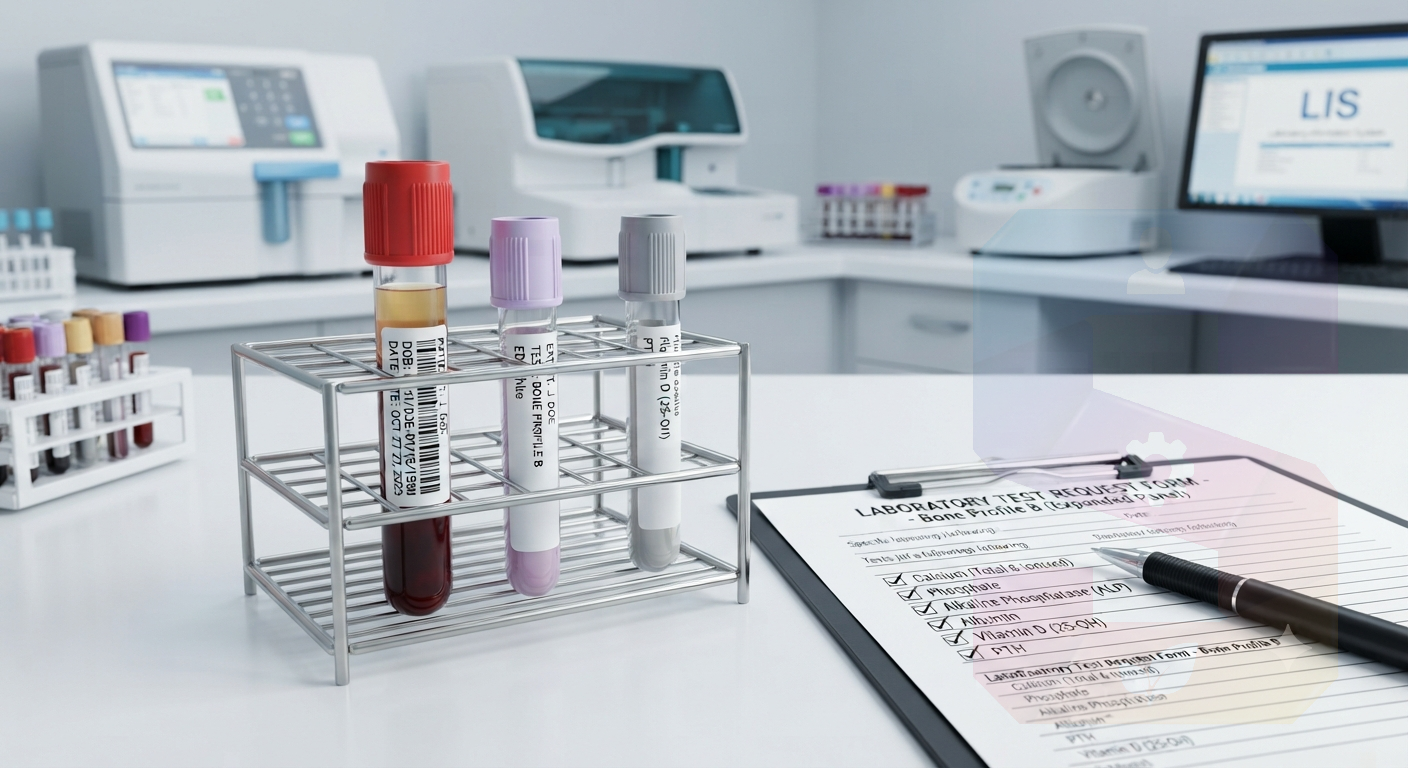
    The bone profile B test is a specialized diagnostic blood panel used to evaluate skeletal metabolism, mineral balance, and bone turnover rates. This expanded assessment typically measures serum calcium, phosphate, alkaline phosphatase (ALP), albumin, and adjusted calcium levels, alongside extended metabolic markers.
    By analyzing these biochemical components together, healthcare providers can assess how efficiently bones form and break down. The test is essential for identifying and monitoring systemic disorders such as hyperparathyroidism, Paget's disease, vitamin deficiencies, and renal-related bone mineral complications, ensuring targeted and effective clinical management.
    The bone profile B test is a specialized diagnostic blood panel used to evaluate skeletal metabolism, mineral balance, and bone turnover rates. This expanded assessment typically measures serum calcium, phosphate, alkaline phosphatase (ALP), albumin, and adjusted calcium levels, alongside extended metabolic markers. By analyzing these biochemical components together, healthcare providers can assess how efficiently bones form and break down. The test is essential for identifying and monitoring systemic disorders such as hyperparathyroidism, Paget's disease, vitamin deficiencies, and renal-related bone mineral complications, ensuring targeted and effective clinical management.
    0 Comments 0 Shares 3K Views 0 Reviews
  • Blood Urea Nitrogen Test New
    165.00₹
    In stock
    All over India
    0 Reviews
    The Blood Urea Nitrogen (BUN) test is a routine clinical blood screening that measures the amount of urea nitrogen circulating in the bloodstream. Urea is a waste product formed in the liver when proteins are broken down, and it is normally filtered and excreted by the kidneys.
    Elevated BUN levels can indicate impaired kidney function, dehydration, or high-protein diets, while abnormally low levels may point to severe liver disease or malnutrition. Frequently ordered alongside serum creatinine tests, the BUN panel provides essential diagnostic insights into renal health and overall metabolic function.
    The Blood Urea Nitrogen (BUN) test is a routine clinical blood screening that measures the amount of urea nitrogen circulating in the bloodstream. Urea is a waste product formed in the liver when proteins are broken down, and it is normally filtered and excreted by the kidneys. Elevated BUN levels can indicate impaired kidney function, dehydration, or high-protein diets, while abnormally low levels may point to severe liver disease or malnutrition. Frequently ordered alongside serum creatinine tests, the BUN panel provides essential diagnostic insights into renal health and overall metabolic function.
    0 Comments 0 Shares 1K Views 0 Reviews
  • Bile Salts Test New
    75.00₹
    In stock
    All over India
    0 Reviews
    The bile salts test is a diagnostic evaluation used to measure the levels of bile salts in biological fluids such as serum or feces. As derivatives of cholesterol synthesized in the liver, bile salts play an indispensable role in emulsifying dietary fats and facilitating the intestinal absorption of fat-soluble vitamins.
    This examination is clinically vital for diagnosing hepatobiliary disorders, monitoring liver impairment, assessing fat malabsorption syndromes, and investigating persistent digestive disturbances. Abnormal concentrations typically point towards impaired hepatic synthesis, biliary obstruction, or interrupted enterohepatic circulation, guiding medical professionals toward effective therapeutic management.
    The bile salts test is a diagnostic evaluation used to measure the levels of bile salts in biological fluids such as serum or feces. As derivatives of cholesterol synthesized in the liver, bile salts play an indispensable role in emulsifying dietary fats and facilitating the intestinal absorption of fat-soluble vitamins. This examination is clinically vital for diagnosing hepatobiliary disorders, monitoring liver impairment, assessing fat malabsorption syndromes, and investigating persistent digestive disturbances. Abnormal concentrations typically point towards impaired hepatic synthesis, biliary obstruction, or interrupted enterohepatic circulation, guiding medical professionals toward effective therapeutic management.
    0 Comments 0 Shares 1K Views 0 Reviews
  • Autoimmune Encephalitis Panel New
    23,000.00₹
    In stock
    All over India
    0 Reviews
    An **Autoimmune Encephalitis Panel** is a specialized diagnostic test package used to identify autoantibodies attacking brain tissue, leading to acute central nervous system inflammation. This comprehensive panel screens serum or cerebrospinal fluid (CSF) for crucial neural antibodies, including NMDA receptor, LGI1, CASPR2, and GABA-B receptor antibodies.
    Autoimmune encephalitis can cause rapid-onset cognitive decline, seizures, psychiatric symptoms, and movement disorders. By detecting specific target antibodies, this test helps neurologists distinguish autoimmune causes from infectious encephalopathies. Early, accurate identification via this panel allows clinicians to promptly initiate targeted immunotherapy, mitigating neurological damage and improving patient outcomes.
    An **Autoimmune Encephalitis Panel** is a specialized diagnostic test package used to identify autoantibodies attacking brain tissue, leading to acute central nervous system inflammation. This comprehensive panel screens serum or cerebrospinal fluid (CSF) for crucial neural antibodies, including NMDA receptor, LGI1, CASPR2, and GABA-B receptor antibodies. Autoimmune encephalitis can cause rapid-onset cognitive decline, seizures, psychiatric symptoms, and movement disorders. By detecting specific target antibodies, this test helps neurologists distinguish autoimmune causes from infectious encephalopathies. Early, accurate identification via this panel allows clinicians to promptly initiate targeted immunotherapy, mitigating neurological damage and improving patient outcomes.
    0 Comments 0 Shares 685 Views 0 Reviews
  • Ascitic fluid by Conventional method New
    1,500.00₹
    In stock
    All over India
    0 Reviews
    **Ascitic Fluid Analysis by Conventional Method** is a fundamental diagnostic evaluation used to determine the underlying cause of abnormal fluid accumulation within the peritoneal cavity (ascites). The conventional procedure involves manual microscopic, chemical, and microbiological examinations, including cell counts, differential analysis, total protein, albumin, and Gram staining.
    By evaluating parameters such as the Serum-Ascites Albumin Gradient (SAAG), this traditional methodology effectively differentiates transudative causes (like cirrhosis or heart failure) from exudative causes (such as peritonitis or malignancy). It serves as a reliable, cost-effective cornerstone for clinicians to rapidly guide targeted therapeutic interventions and manage liver disease or abdominal pathologies.
    **Ascitic Fluid Analysis by Conventional Method** is a fundamental diagnostic evaluation used to determine the underlying cause of abnormal fluid accumulation within the peritoneal cavity (ascites). The conventional procedure involves manual microscopic, chemical, and microbiological examinations, including cell counts, differential analysis, total protein, albumin, and Gram staining. By evaluating parameters such as the Serum-Ascites Albumin Gradient (SAAG), this traditional methodology effectively differentiates transudative causes (like cirrhosis or heart failure) from exudative causes (such as peritonitis or malignancy). It serves as a reliable, cost-effective cornerstone for clinicians to rapidly guide targeted therapeutic interventions and manage liver disease or abdominal pathologies.
    0 Comments 0 Shares 650 Views 0 Reviews
  • Anti Ds-DNA Antibody (IFA) serum New
    1,820.00₹
    In stock
    India
    0 Reviews
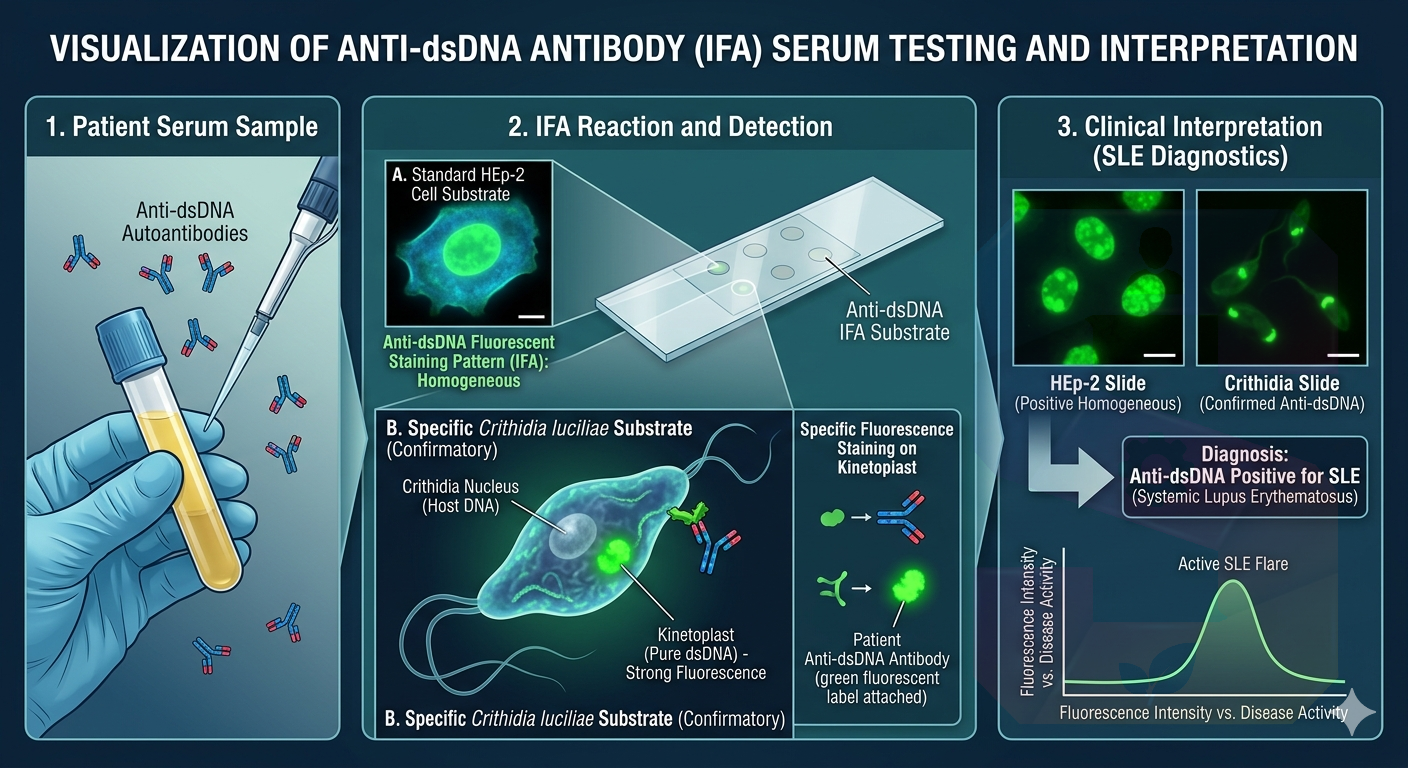
    An **Anti-dsDNA Antibody (IFA) Serum** test utilizes Indirect Immunofluorescence Assay (IFA) technology to detect autoantibodies targeting double-stranded DNA. This specialized method often employs *Crithidia luciliae* as a substrate, providing a highly specific substrate (the kinetoplast) to definitively confirm a **Systemic Lupus Erythematosus (SLE)** diagnosis.

    By visualizing the fluorescent staining patterns under a microscope, clinicians can accurately differentiate lupus from other autoimmune conditions. Because positive IFA results correlate strongly with active **lupus nephritis**, this serum test serves as a critical biomarker for monitoring disease severity, predicting renal flares, and guiding clinical immunosuppressive therapies.
    An **Anti-dsDNA Antibody (IFA) Serum** test utilizes Indirect Immunofluorescence Assay (IFA) technology to detect autoantibodies targeting double-stranded DNA. This specialized method often employs *Crithidia luciliae* as a substrate, providing a highly specific substrate (the kinetoplast) to definitively confirm a **Systemic Lupus Erythematosus (SLE)** diagnosis. By visualizing the fluorescent staining patterns under a microscope, clinicians can accurately differentiate lupus from other autoimmune conditions. Because positive IFA results correlate strongly with active **lupus nephritis**, this serum test serves as a critical biomarker for monitoring disease severity, predicting renal flares, and guiding clinical immunosuppressive therapies.
    0 Comments 0 Shares 756 Views 0 Reviews
  • Anti DNAse B, Serum New
    2,250.00₹
    In stock
    India
    0 Reviews
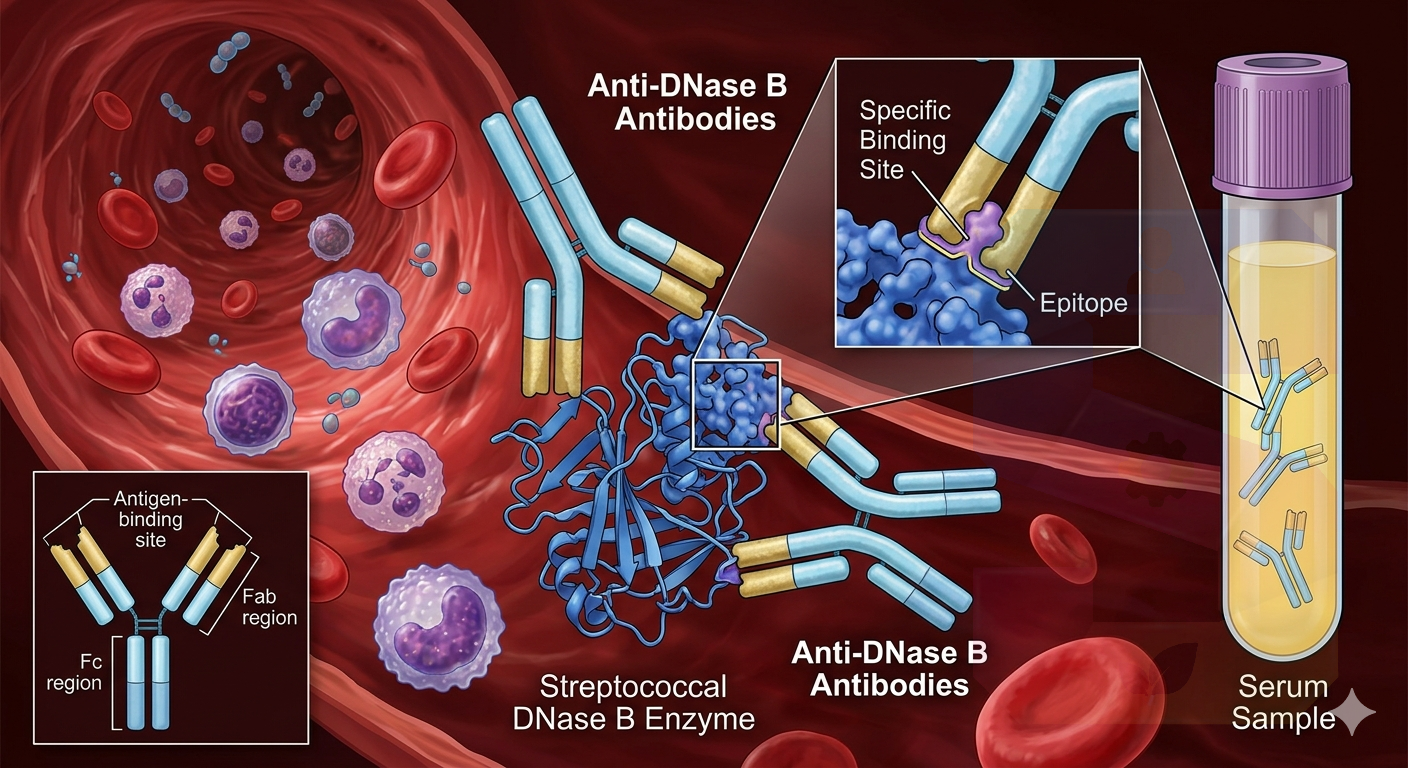
    An **Anti-DNase B (Anti-Deoxyribonuclease B) Serum test** measures antibodies produced by the body in response to a group A *Streptococcus* bacterial infection. While a sore throat is the most common presentation, this specific test is exceptionally valuable for detecting recent **streptococcal skin infections (impetigo)**, where other tests like ASOT can sometimes fail.

    Evaluating Anti-DNase B levels helps doctors confirm past strep exposure when investigating delayed, serious complications. These include **acute post-streptococcal glomerulonephritis** (a kidney inflammatory disorder) and **rheumatic fever**, ensuring patients receive the correct, targeted long-term care.
    An **Anti-DNase B (Anti-Deoxyribonuclease B) Serum test** measures antibodies produced by the body in response to a group A *Streptococcus* bacterial infection. While a sore throat is the most common presentation, this specific test is exceptionally valuable for detecting recent **streptococcal skin infections (impetigo)**, where other tests like ASOT can sometimes fail. Evaluating Anti-DNase B levels helps doctors confirm past strep exposure when investigating delayed, serious complications. These include **acute post-streptococcal glomerulonephritis** (a kidney inflammatory disorder) and **rheumatic fever**, ensuring patients receive the correct, targeted long-term care.
    0 Comments 0 Shares 646 Views 0 Reviews
  • Anemia Profile C New
    2,750.00₹
    In stock
    Hyderabad
    0 Reviews
    An **Anemia Profile C** is an advanced diagnostic panel designed to comprehensively evaluate complex or chronic cases of anemia. While basic panels focus purely on standard blood counts, Profile C dives deeper into underlying physiological causes, making it a critical tool for detailed clinical investigation.
    The profile typically evaluates:
    * **Complete Blood Count (CBC):** Assesses hemoglobin levels, hematocrit, and red blood cell indices (MCV, MCH, MCHC).
    * **Comprehensive Iron Status:** Measures serum iron, Ferritin, and Total Iron-Binding Capacity (TIBC).
    * **Vitamin Markers:** Quantifies Vitamin B12 and Folate levels to identify megaloblastic anemia.
    * **Chronic Disease Markers:** Often includes Reticulocyte count or inflammatory indicators to rule out bone marrow suppression or anemia of chronic disease.
    This multi-parametric approach allows clinicians to differentiate between simple nutritional deficiencies and more intricate systemic disorders.
    An **Anemia Profile C** is an advanced diagnostic panel designed to comprehensively evaluate complex or chronic cases of anemia. While basic panels focus purely on standard blood counts, Profile C dives deeper into underlying physiological causes, making it a critical tool for detailed clinical investigation. The profile typically evaluates: * **Complete Blood Count (CBC):** Assesses hemoglobin levels, hematocrit, and red blood cell indices (MCV, MCH, MCHC). * **Comprehensive Iron Status:** Measures serum iron, Ferritin, and Total Iron-Binding Capacity (TIBC). * **Vitamin Markers:** Quantifies Vitamin B12 and Folate levels to identify megaloblastic anemia. * **Chronic Disease Markers:** Often includes Reticulocyte count or inflammatory indicators to rule out bone marrow suppression or anemia of chronic disease. This multi-parametric approach allows clinicians to differentiate between simple nutritional deficiencies and more intricate systemic disorders.
    0 Comments 0 Shares 655 Views 0 Reviews
  • Anemia Profile - M New
    1,650.00₹
    In stock
    Hyderabad
    0 Reviews
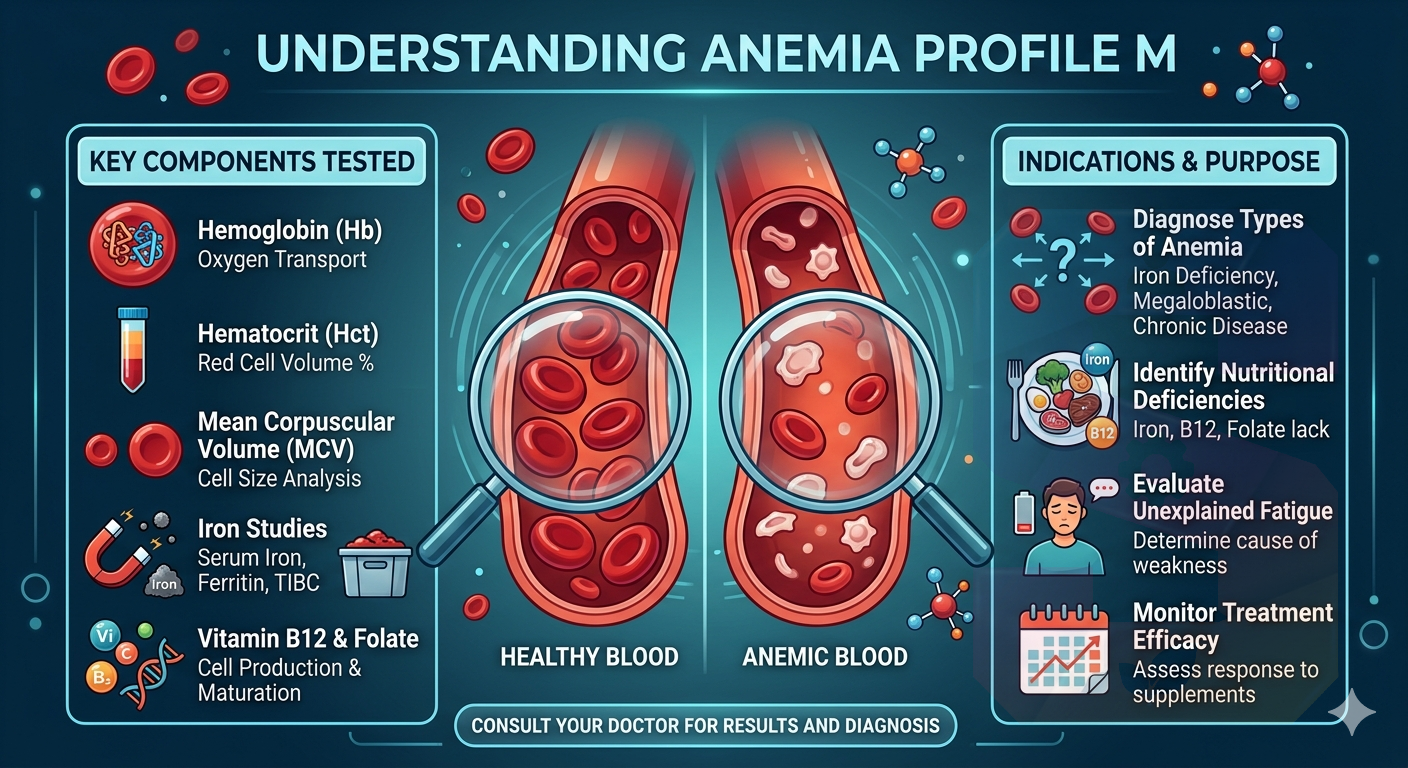
    An **Anemia Profile M** is a comprehensive diagnostic blood panel designed to evaluate the underlying causes of low hemoglobin and poor red blood cell (RBC) health. It goes beyond a standard blood count to pinpoint specific nutritional deficiencies and production issues.
    The profile typically evaluates:
    * **Complete Blood Count (CBC) with RBC Indices:** Assesses cell size (MCV) and hemoglobin concentration (MCH, MCHC).
    * **Iron Studies:** Measures serum iron, Total Iron-Binding Capacity (TIBC), and ferritin to map out body iron stores.
    * **Vitamin B12 & Folate Levels:** Screen for macrocytic or megaloblastic anemias.
    It is crucial for identifying iron deficiency, chronic inflammation, or vitamin malabsorption.
    An **Anemia Profile M** is a comprehensive diagnostic blood panel designed to evaluate the underlying causes of low hemoglobin and poor red blood cell (RBC) health. It goes beyond a standard blood count to pinpoint specific nutritional deficiencies and production issues. The profile typically evaluates: * **Complete Blood Count (CBC) with RBC Indices:** Assesses cell size (MCV) and hemoglobin concentration (MCH, MCHC). * **Iron Studies:** Measures serum iron, Total Iron-Binding Capacity (TIBC), and ferritin to map out body iron stores. * **Vitamin B12 & Folate Levels:** Screen for macrocytic or megaloblastic anemias. It is crucial for identifying iron deficiency, chronic inflammation, or vitamin malabsorption.
    0 Comments 0 Shares 645 Views 0 Reviews
  • Anemia Profile - B New
    2,420.00₹
    In stock
    Hyderabad
    0 Reviews
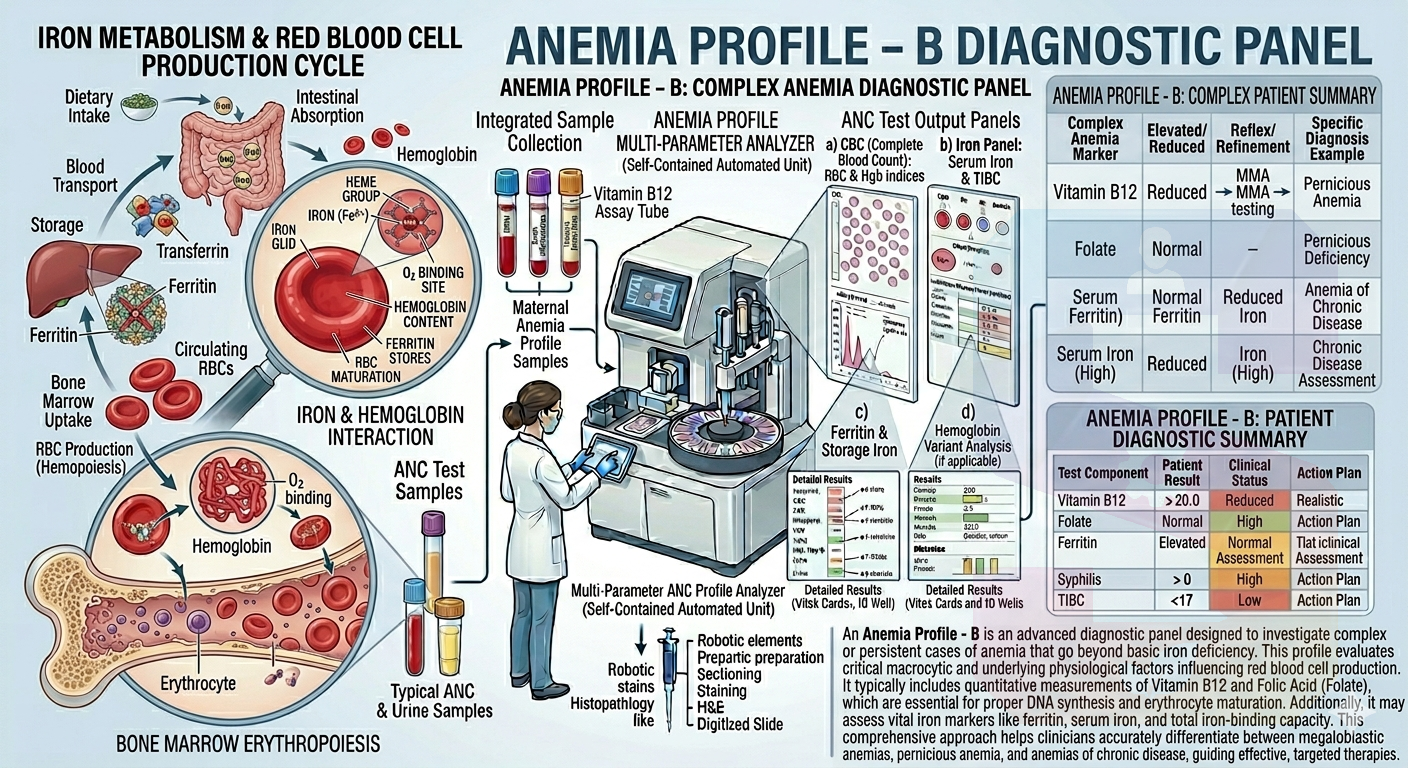
    An **Anemia Profile - B** is an advanced diagnostic panel designed to investigate complex or persistent cases of anemia that go beyond basic iron deficiency. This profile evaluates critical macrocytic and underlying physiological factors influencing red blood cell production.

    It typically includes quantitative measurements of Vitamin B12 and Folic Acid (Folate), which are essential for proper DNA synthesis and erythrocyte maturation. Additionally, it may assess vital iron markers like ferritin, serum iron, and total iron-binding capacity. This comprehensive approach helps clinicians accurately differentiate between megaloblastic anemias, pernicious anemia, and anemias of chronic disease, guiding effective, targeted therapies.
    An **Anemia Profile - B** is an advanced diagnostic panel designed to investigate complex or persistent cases of anemia that go beyond basic iron deficiency. This profile evaluates critical macrocytic and underlying physiological factors influencing red blood cell production. It typically includes quantitative measurements of Vitamin B12 and Folic Acid (Folate), which are essential for proper DNA synthesis and erythrocyte maturation. Additionally, it may assess vital iron markers like ferritin, serum iron, and total iron-binding capacity. This comprehensive approach helps clinicians accurately differentiate between megaloblastic anemias, pernicious anemia, and anemias of chronic disease, guiding effective, targeted therapies.
    0 Comments 0 Shares 834 Views 0 Reviews
  • ANCA by IFA reflex MPO/PR3 Antibodies Serum diagnostic test New
    2,600.00₹
    In stock
    Hyderabad
    0 Reviews
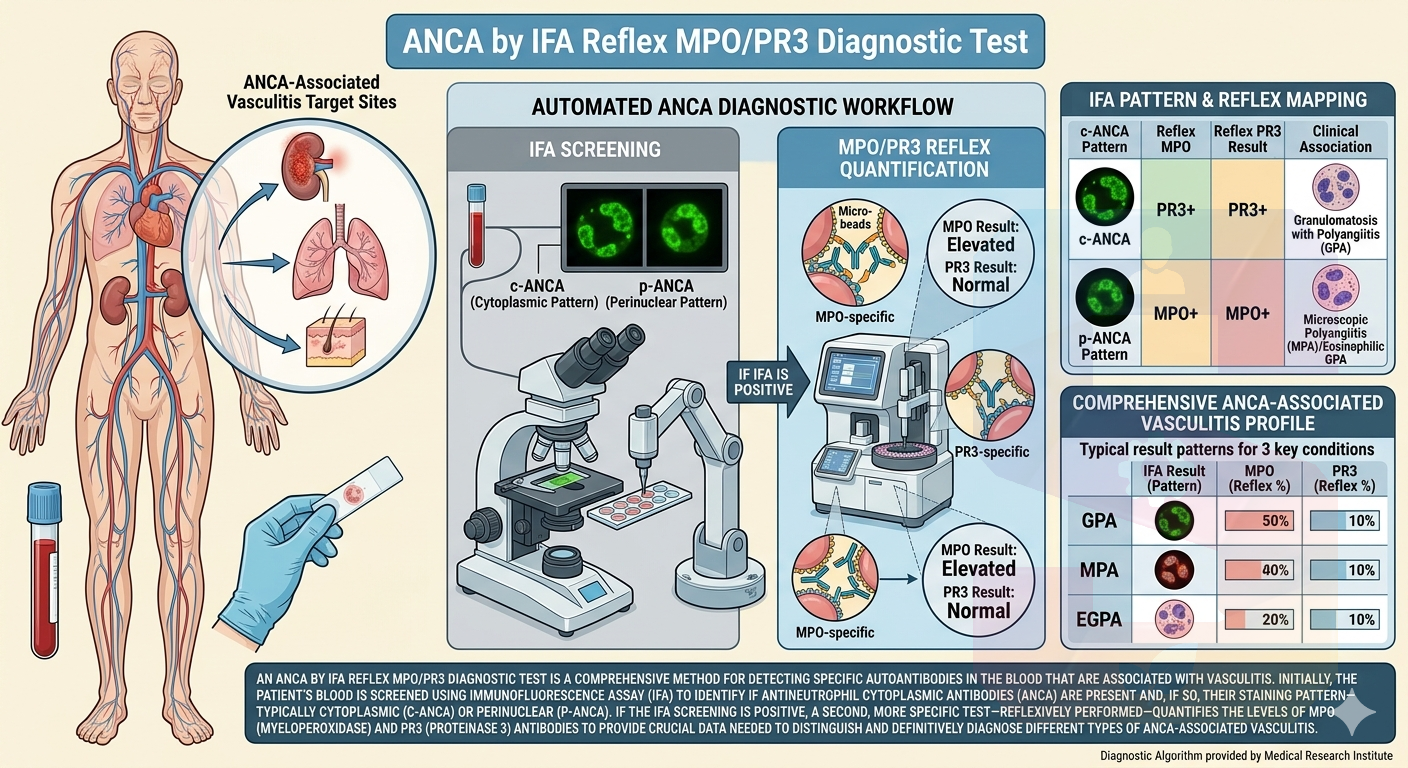
    An ANCA by IFA reflex MPO/PR3 serum diagnostic test is a highly specific method used for diagnosing and monitoring ANCA-associated vasculitis (AAV), a rare group of autoimmune diseases that affect small to medium blood vessels.

    The test begins with an indirect immunofluorescence assay (IFA) on human serum. This initial step determines the presence of antineutrophil cytoplasmic antibodies (ANCA) and characterizes their staining pattern, typically as either cytoplasmic (c-ANCA) or perinuclear (p-ANCA). If the IFA test yields a positive result, a reflex test is automatically performed. This reflex step uses enzyme-linked immunosorbent assay (ELISA) technology to precisely measure the concentration of antibodies specific for myeloperoxidase (MPO) and proteinase 3 (PR3).

    This combined diagnostic approach provides comprehensive data, enabling healthcare providers to accurately identify the specific ANCA-associated vasculitis type, such as granulomatosis with polyangiitis (GPA), microscopic polyangiitis (MPA), or eosinophilic granulomatosis with polyangiitis (EGPA), and initiate appropriate treatment strategies.
    An ANCA by IFA reflex MPO/PR3 serum diagnostic test is a highly specific method used for diagnosing and monitoring ANCA-associated vasculitis (AAV), a rare group of autoimmune diseases that affect small to medium blood vessels. The test begins with an indirect immunofluorescence assay (IFA) on human serum. This initial step determines the presence of antineutrophil cytoplasmic antibodies (ANCA) and characterizes their staining pattern, typically as either cytoplasmic (c-ANCA) or perinuclear (p-ANCA). If the IFA test yields a positive result, a reflex test is automatically performed. This reflex step uses enzyme-linked immunosorbent assay (ELISA) technology to precisely measure the concentration of antibodies specific for myeloperoxidase (MPO) and proteinase 3 (PR3). This combined diagnostic approach provides comprehensive data, enabling healthcare providers to accurately identify the specific ANCA-associated vasculitis type, such as granulomatosis with polyangiitis (GPA), microscopic polyangiitis (MPA), or eosinophilic granulomatosis with polyangiitis (EGPA), and initiate appropriate treatment strategies.
    0 Comments 0 Shares 843 Views 0 Reviews
More Results