


How AWOS Improves Aviation Safety
Flying is statistically one of the safest ways to travel, but this safety record isn't an accident. It is the result of rigorous training, strict regulations, and advanced technology working in harmony. Among the many technological marvels that keep planes in the sky, weather monitoring plays a pivotal role. The ability to predict and react to changing atmospheric conditions is the difference between a routine flight and a dangerous situation.
For decades, pilots relied on periodic reports from human observers on the ground. While effective, this method had limitations—humans need sleep, they can make errors, and they can't be everywhere at once. The aviation industry needed a solution that was tireless, precise, and capable of operating in the most remote corners of the world. The answer came in the form of automation.
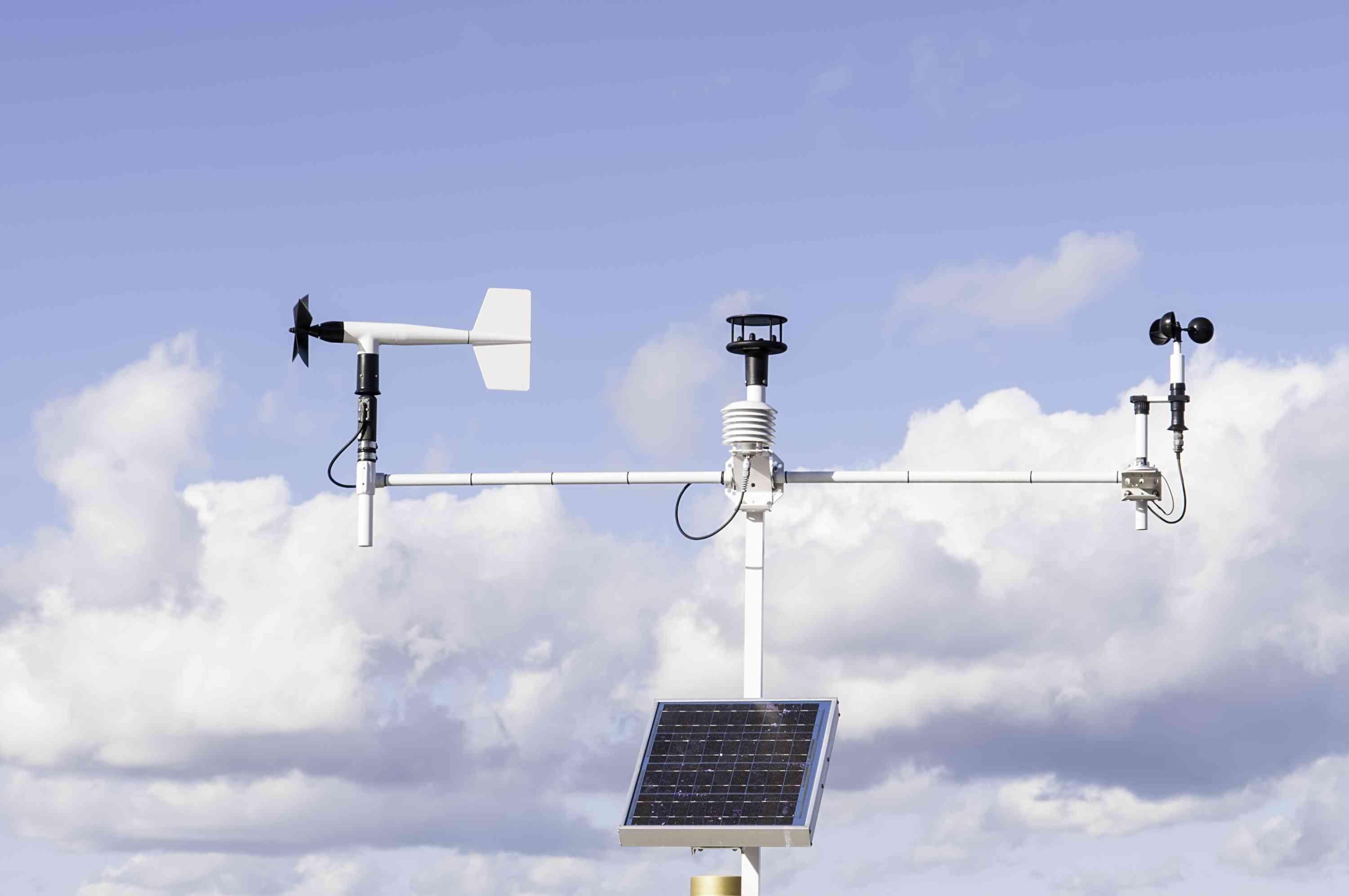
Today, a silent network of robotic sentinels stands guard at airports globally. These systems provide a constant stream of real-time data, ensuring that pilots never have to guess what conditions await them on the runway. They have become so integrated into the fabric of modern flight that it is easy to overlook just how revolutionary they are.
This technology is known as Automated Weather Observing Systems (AWOS). These sophisticated units have fundamentally transformed aviation safety by closing the gap between the weather occurring outside and the pilot's awareness in the cockpit. By providing continuous, accurate, and accessible data, AWOS units have saved countless lives and prevented innumerable accidents.
The Danger of the Unknown
To understand the value of AWOS, you first have to understand the risks pilots face. Weather is the single most significant variable in aviation. Conditions can change in a matter of minutes. A clear blue sky can give way to blinding fog, or a calm breeze can shift into a dangerous crosswind during the time it takes to fly from one city to another.
Without real-time data, pilots are essentially flying blind. Consider a scenario where a pilot is approaching a small, rural airstrip. Without an automated system, they might rely on a forecast that is several hours old. They might descend through the clouds expecting clear visibility, only to find the runway obscured by a sudden snow squall. This "surprise factor" is a leading cause of aviation accidents, particularly in general aviation (private flying).
AWOS eliminates this uncertainty. It acts as an unblinking eye, constantly measuring the atmosphere and broadcasting that information to anyone who needs it. It converts the unknown into the known, allowing pilots to make informed, safe decisions long before they are in a critical phase of flight.
Continuous Monitoring vs. Snapshots
The primary safety advantage of AWOS is its ability to provide continuous data. Human observations are typically taken once an hour. In the dynamic world of weather, an hour is a lifetime. A thunderstorm can form, mature, and dissipate in less than 60 minutes. A fog bank can roll in and cover an airport in ten minutes.
If a pilot relies on an hourly report, they are looking at a snapshot of the past. AWOS, however, updates its data every minute.
- Real-Time Wind Shifts: Wind shear—a sudden change in wind speed or direction—is incredibly dangerous during takeoff and landing. AWOS detects these shifts instantly, alerting pilots to potential turbulence or loss of lift.
- Visibility Trends: Rather than just knowing the visibility is "low," continuous data allows pilots to see trends. Is the fog getting thicker or burning off? This context helps them decide whether to attempt an approach or divert to an alternate airport immediately.
Precision in Critical Phases of Flight
Takeoff and landing are the most critical phases of any flight. During these moments, the aircraft is close to the ground, moving relatively slowly, and has little room for error. AWOS provides the specific, high-precision data needed to navigate these moments safely.
The Altimeter Setting
One of the most vital pieces of information an AWOS provides is the barometric pressure. Pilots use this number to calibrate their altimeter, the instrument that tells them how high they are above sea level. If the altimeter setting is incorrect, the pilot might think they are higher than they actually are—a potentially fatal error, especially when flying at night or in clouds. AWOS measures pressure with extreme accuracy and updates it constantly, ensuring the pilot's altitude readings are correct.
Cloud Ceiling Height
Knowing exactly where the clouds start is essential for instrument approaches. A "ceilometer" on the AWOS uses a laser beam to measure the height of the cloud base above the ground. This tells the pilot exactly when they will break out of the clouds and see the runway. If the clouds are lower than the minimums allowed for that airport, the pilot knows legally and safely that they cannot attempt the landing, saving them from a dangerous "missed approach" procedure.
Expanding Safety to Remote Areas
Major international airports have always had robust weather monitoring capabilities. But the vast majority of airports are small, municipal airfields or rural landing strips. These locations serve everything from medical evacuation flights and crop dusters to private business jets. Historically, these airports were "black holes" for weather data.
AWOS technology is scalable and cost-effective, meaning it can be installed almost anywhere.
- Medical Evacuations: Air ambulances (Medevac helicopters and planes) often fly into small, remote communities to pick up critical patients. They operate day and night, in all weather. An AWOS at a rural hospital helipad or local airstrip ensures these crews can land safely to save lives.
- Firefighting: Aerial firefighting crews rely on small, remote bases to refill water and retardant. AWOS data helps them navigate smoky, turbulent conditions safely.
By democratizing access to professional-grade weather data, AWOS has raised the safety standard for the entire aviation ecosystem, not just the big airlines.
Reducing Pilot Workload and Stress
Flying an airplane requires intense concentration. A pilot is constantly scanning instruments, communicating with air traffic control, and navigating. Adding the stress of guessing the weather can lead to task saturation, where the pilot becomes overwhelmed and makes mistakes.
AWOS reduces this cognitive load. The data is broadcast over a dedicated radio frequency in a clear, synthesized voice. A pilot can tune in 50 miles away and get a complete picture of the destination weather in less than a minute.
- Pre-Planning: Pilots can adjust their plan early. If the AWOS reports strong crosswinds, they can prepare for a crosswind landing technique or choose a different runway before they enter the traffic pattern.
- Confidence: Knowing exactly what to expect reduces anxiety. A calm, focused pilot is a safe pilot.
Enhancing Forecasting Models
The safety benefits of AWOS extend beyond the immediate airport. The data collected by these thousands of stations is fed into the national and global weather networks. Meteorologists use this granular, ground-level data to improve computer forecast models.
Better models mean better forecasts for everyone. If an AWOS in a small town detects a sudden pressure drop, it might signal the formation of a severe storm line earlier than radar alone would show. This allows forecasters to issue warnings sooner, giving pilots in the entire region more time to avoid hazardous weather. This "crowdsourced" network effect makes the entire airspace safer.
A Silent Guardian
Aviation safety is rarely about one single hero saving the day. Instead, it is built on layers of protection that prevent accidents from happening in the first place. AWOS is one of the most critical layers in that defense. It operates silently and reliably, indifferent to fatigue or distractions.
Every time a family flies home for the holidays, a package is delivered overnight, or a patient is airlifted to a specialist, an automated system is working in the background to ensure that journey ends safely. By converting the chaos of the atmosphere into orderly, actionable data, AWOS empowers pilots to make the right decisions, turning the unpredictable skies into a manageable highway.
