Oil, gas, and metals have long been among the most valuable and actively traded asset classes in the global economy. Despite their importance, commodity trading has traditionally depended on intermediaries, lengthy settlement cycles, fragmented recordkeeping, and high entry barriers. Ownership transfers, contract management, and cross-border transactions often involve significant administrative complexity.
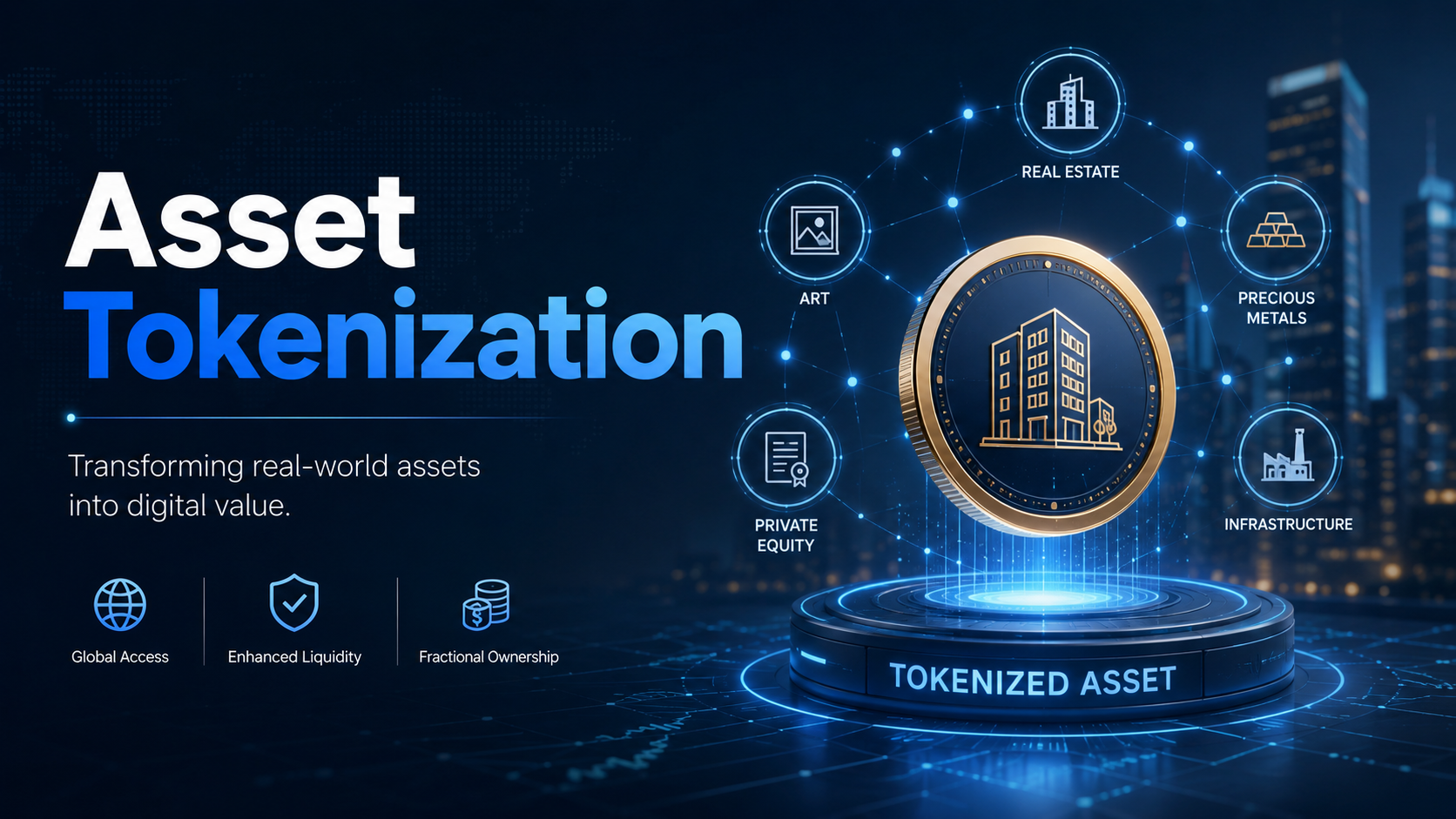
Asset tokenization is introducing a new operating model for commodity markets by transforming physical resources into blockchain-based digital assets. Through tokenization, ownership rights and trading access can become more transparent, efficient, and accessible.
As digital infrastructure expands across financial markets, tokenization is increasingly being explored as a mechanism to modernize commodity trading and create more liquid and programmable markets.
Understanding Asset Tokenization in Commodity Markets
Asset tokenization refers to the process of converting ownership rights of a real-world asset into digital tokens recorded on a blockchain network. In the context of oil, gas, and metals, tokenization allows physical commodities or rights connected to those commodities to be represented digitally. These tokens may represent quantities of raw materials, storage rights, production interests, or commodity-backed financial structures depending on platform design and regulatory requirements.
Blockchain infrastructure provides a transparent ledger where ownership records, transfers, and transaction history are securely maintained. This creates a more streamlined framework for commodity trading and asset management.
Why Traditional Commodity Trading Faces Efficiency Challenges
Commodity markets have historically relied on layered operational processes.
These challenges include:
- Complex documentation and settlement workflows
- Limited transparency across supply chains
- Dependence on intermediaries and clearing mechanisms
- High transaction and administrative costs
- Restricted accessibility for smaller market participants
- Limited liquidity in certain commodity structures
These constraints reduce efficiency and slow capital movement across markets. Tokenization seeks to address these limitations through digital ownership infrastructure.
How Asset Tokenization Enables Digital Commodity Trading
1. Converting Physical Commodities into Tradable Digital Units
Asset Tokenization enables commodities to be represented as divisible digital assets. Instead of transferring large physical volumes or relying solely on traditional contracts, tokenized systems can represent ownership rights digitally. This allows commodity exposure to become more flexible and easier to transfer within approved market structures. For example, ownership structures linked to commodity inventories can be digitally represented and managed through blockchain networks.
2. Improving Liquidity Through Fractional Access
Oil, gas, and metals are often associated with high capital requirements. Tokenization introduces the possibility of dividing asset exposure into smaller digital units, allowing broader participation and more flexible allocation models.
This structure may improve capital efficiency and create additional market activity without requiring full-scale ownership transfers. Fractional participation can also support portfolio diversification across commodity sectors.
3. Enabling Faster Settlement Processes
Traditional commodity transactions may require extensive reconciliation, documentation, and settlement procedures. Blockchain-based tokenized systems can automate parts of this process through smart contracts.
Once predefined conditions are met, ownership updates and transaction execution can occur automatically, reducing settlement delays and administrative overhead. This supports more efficient trading workflows.
4. Increasing Transparency Across Commodity Supply Chains
Commodity markets involve multiple participants including producers, transport operators, storage providers, and distributors. Tokenization systems can create transparent records of asset movement and ownership changes across the value chain.
This improves traceability and creates stronger audit capabilities for commodity operations. Greater transparency may also improve trust among market participants.
Role of Smart Contracts in Digital Commodity Markets
Smart contracts function as programmable rules that automate transaction execution and ownership management. In tokenized commodity environments, smart contracts may support:
- Automated ownership transfers
- Settlement workflows
- Compliance checks
- Revenue allocation mechanisms
- Inventory verification triggers
- Reporting and audit automation
This reduces manual intervention and increases operational consistency.
Applications Across Oil, Gas, and Metals
Oil Trading and Ownership Digitization
Oil-related assets involve production, storage, transportation, and market distribution. Tokenization frameworks may enable more efficient ownership representation and transaction workflows connected to these operational stages. Digital records can improve coordination across trading and supply networks.
Gas Market Infrastructure Modernization
Gas markets often involve complex contractual structures and infrastructure dependencies. Tokenized systems may support more transparent allocation models and simplified ownership tracking. Digital infrastructure can also enhance reporting and transaction visibility.
Metals and Industrial Resource Trading
Metals markets involve production, storage, and global distribution networks. Tokenization introduces digital ownership layers that may support improved market access and operational efficiency.
This approach can be relevant across industrial, precious, and strategic metal markets.
Business Benefits of Commodity Tokenization
Reduced Transaction Complexity
Digital ownership infrastructure reduces dependence on paper-based workflows and fragmented reconciliation systems.
Enhanced Market Accessibility
Tokenized structures may lower participation barriers and broaden access to commodity markets.
Improved Capital Efficiency
Businesses can structure more flexible ownership and financing models around tokenized commodity assets.
Better Transparency and Reporting
Blockchain-based records provide stronger auditability and transaction visibility.
Greater Scalability
Tokenized platforms can support growth across regions and asset categories without rebuilding operational systems.
Challenges Businesses Must Consider
Although tokenization presents opportunities, implementation requires careful planning.
Common challenges include:
- Regulatory uncertainty across jurisdictions
- Integration with legacy commodity systems
- Verification and custody of physical assets
- Security and governance requirements
- Standardization across marketplaces
Successful implementation depends on aligning digital infrastructure with legal and operational realities.
Future Outlook: The Evolution of Tokenized Commodity Markets
Commodity markets are gradually moving toward more digitized operating environments.
Future developments may include:
- Automated commodity settlement systems
- Integration with decentralized financial infrastructure
- Real-time asset monitoring through IoT technologies
- Cross-market interoperability for commodity trading platforms
- Enhanced analytics through AI-driven market intelligence
As these capabilities mature, tokenization may become a foundational layer supporting more efficient commodity ecosystems.
Conclusion
Asset tokenization is creating new possibilities for the digital trading of oil, gas, and metals by introducing transparent ownership systems, automated transaction processes, and more flexible market participation models.
By combining blockchain infrastructure with programmable asset frameworks, businesses can modernize commodity operations while improving efficiency, visibility, and scalability. As digital asset infrastructure continues to evolve, tokenized commodity markets are positioned to play an increasingly important role in the future of global trade.