

• CD 15/56 New
    4,500.00₹
    In stock
    All over India
    0 Reviews
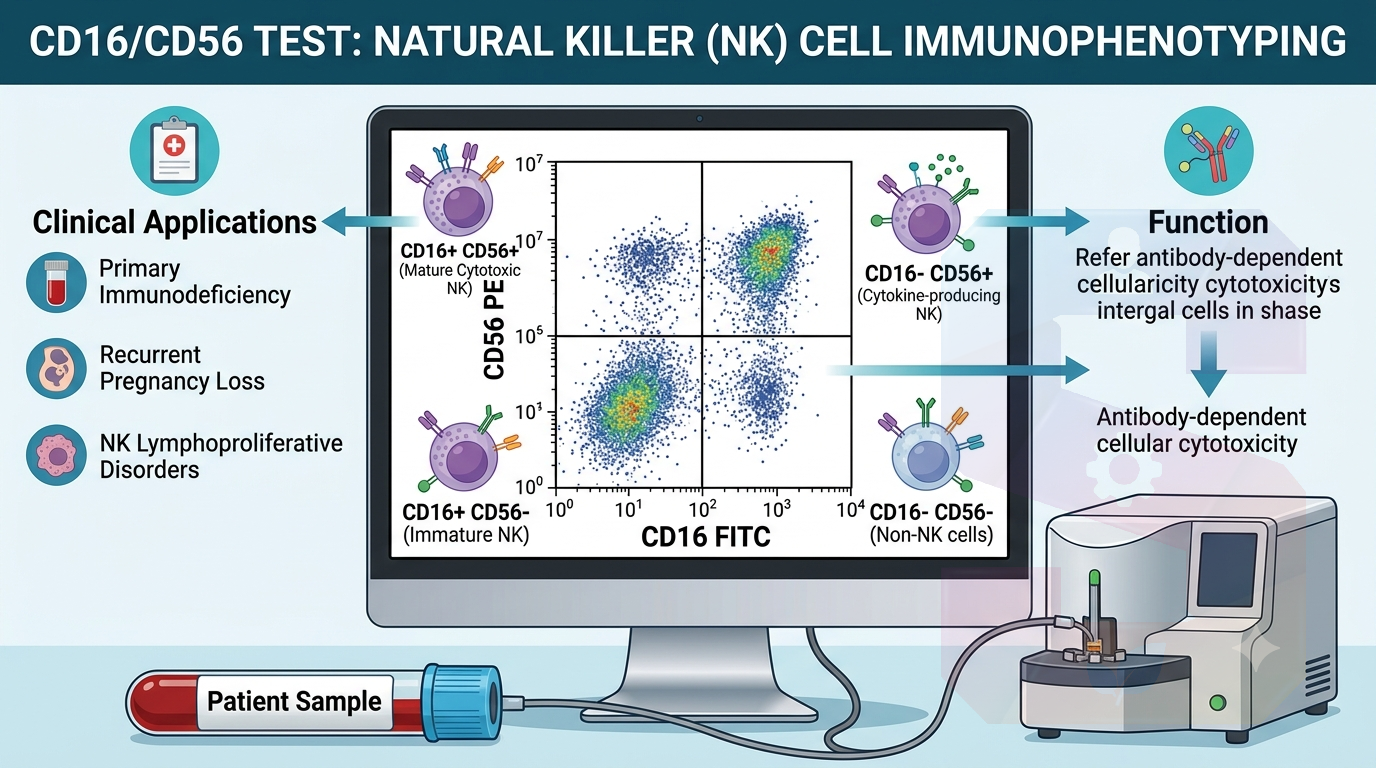
    The CD16/CD56 test is a specialized diagnostic evaluation in immunopathology used to identify and quantify Natural Killer (NK) cells. CD56 serves as a primary surface marker for NK cells and a subset of T-cells, while CD16 acts as an Fc receptor involved in antibody-dependent cellular cytotoxicity.
    Performed via flow cytometry on peripheral blood, this dual-marker panel assesses overall NK cell population, maturity, and function. It is essential for evaluating primary immunodeficiencies, investigating recurrent pregnancy loss, and diagnosing NK-cell or T/NK-cell lymphoproliferative disorders. Detecting CD16/CD56 expression provides critical data for staging hematologic malignancies and monitoring immune system status.
    The CD16/CD56 test is a specialized diagnostic evaluation in immunopathology used to identify and quantify Natural Killer (NK) cells. CD56 serves as a primary surface marker for NK cells and a subset of T-cells, while CD16 acts as an Fc receptor involved in antibody-dependent cellular cytotoxicity. Performed via flow cytometry on peripheral blood, this dual-marker panel assesses overall NK cell population, maturity, and function. It is essential for evaluating primary immunodeficiencies, investigating recurrent pregnancy loss, and diagnosing NK-cell or T/NK-cell lymphoproliferative disorders. Detecting CD16/CD56 expression provides critical data for staging hematologic malignancies and monitoring immune system status.
    0 Comments 0 Shares 980 Views 0 Reviews
  • CD 15 Test New
    2,600.00₹
    In stock
    All over India
    0 Reviews
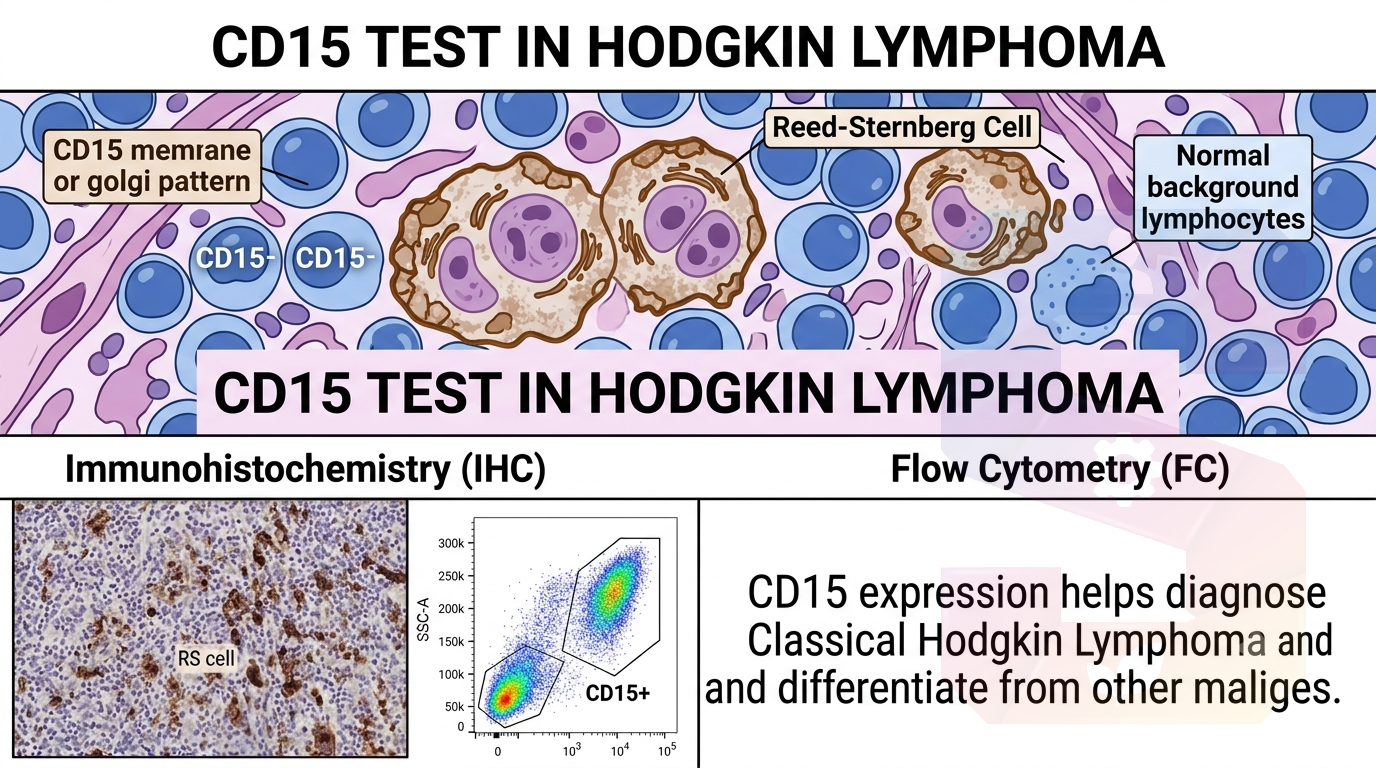
    The CD15 test is a diagnostic laboratory evaluation used in hematopathology to detect expression of the CD15 cell-surface carbohydrate antigen (3-fucosyl-N-acetyllactosamine). Expressed prominently on mature neutrophils, eosinophils, and monocytes, CD15 serves as an important marker in immunophenotyping.
    Conducted via immunohistochemistry or flow cytometry on blood, bone marrow, or tissue biopsies, this test is critical for diagnosing Classical Hodgkin Lymphoma, where CD15 is typically positive on characteristic Reed-Sternberg cells. It also aids in identifying granulocytic differentiation in Acute Myeloid Leukemia (AML). Evaluating CD15 expression assists clinicians in accurate cancer subtyping, staging, and determining optimal targeted therapies.
    The CD15 test is a diagnostic laboratory evaluation used in hematopathology to detect expression of the CD15 cell-surface carbohydrate antigen (3-fucosyl-N-acetyllactosamine). Expressed prominently on mature neutrophils, eosinophils, and monocytes, CD15 serves as an important marker in immunophenotyping. Conducted via immunohistochemistry or flow cytometry on blood, bone marrow, or tissue biopsies, this test is critical for diagnosing Classical Hodgkin Lymphoma, where CD15 is typically positive on characteristic Reed-Sternberg cells. It also aids in identifying granulocytic differentiation in Acute Myeloid Leukemia (AML). Evaluating CD15 expression assists clinicians in accurate cancer subtyping, staging, and determining optimal targeted therapies.
    0 Comments 0 Shares 1K Views 0 Reviews
  • CD 14 Test New
    2,600.00₹
    In stock
    All over India
    0 Reviews
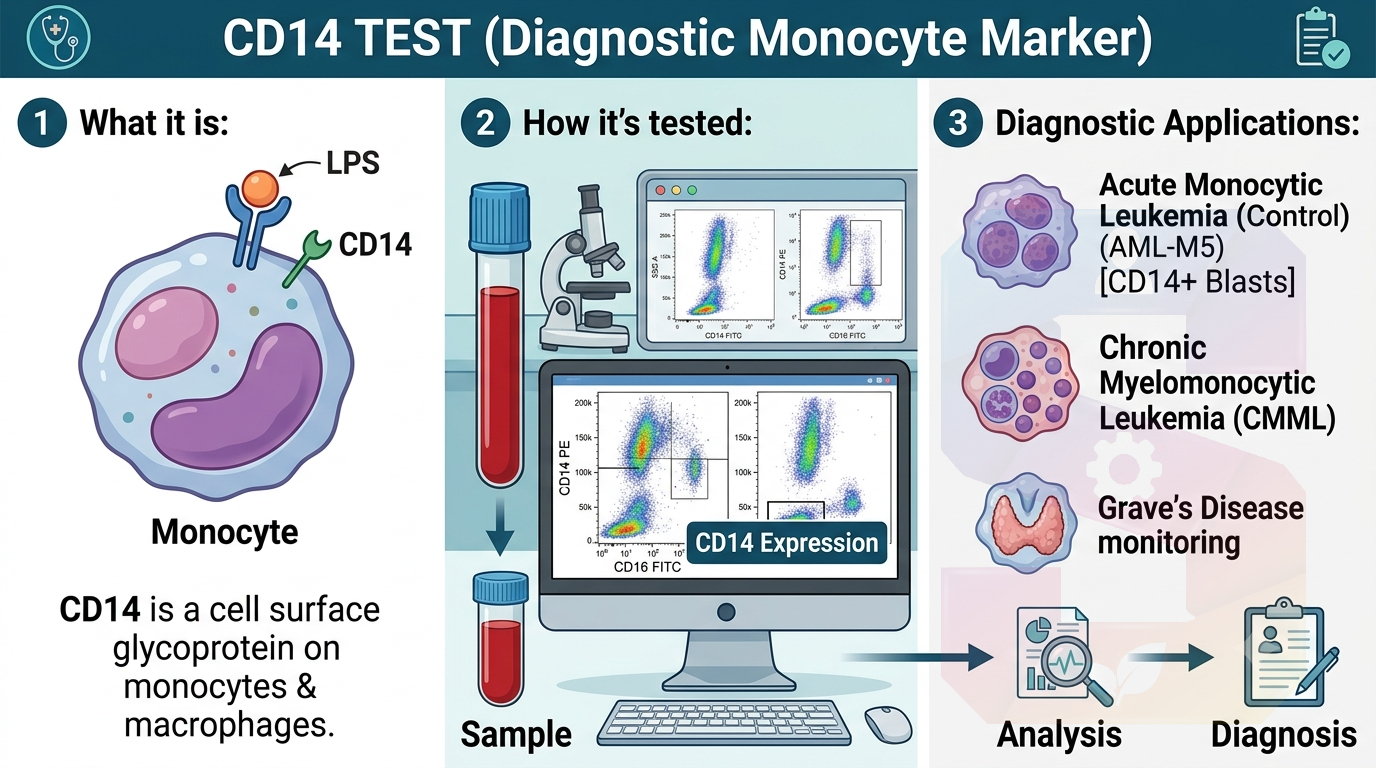
    The CD14 test is a diagnostic evaluation in hematopathology used to detect the CD14 cell-surface protein, a key co-receptor for bacterial lipopolysaccharide (LPS). Expressed heavily on monocytes and macrophages, CD14 serves as a primary marker for identifying monocytic cell lineages.
    Conducted via flow cytometry on peripheral blood or bone marrow samples, this test helps clinicians distinguish monocytic leukemias from other myeloid and lymphoid malignancies. It is particularly valuable for diagnosing Acute Monocytic Leukemia (AML-M5) and Chronic Myelomonocytic Leukemia (CMML). Detecting CD14 expression provides essential insights for accurate disease classification, prognostic assessment, and guiding targeted treatment strategies.
    The CD14 test is a diagnostic evaluation in hematopathology used to detect the CD14 cell-surface protein, a key co-receptor for bacterial lipopolysaccharide (LPS). Expressed heavily on monocytes and macrophages, CD14 serves as a primary marker for identifying monocytic cell lineages. Conducted via flow cytometry on peripheral blood or bone marrow samples, this test helps clinicians distinguish monocytic leukemias from other myeloid and lymphoid malignancies. It is particularly valuable for diagnosing Acute Monocytic Leukemia (AML-M5) and Chronic Myelomonocytic Leukemia (CMML). Detecting CD14 expression provides essential insights for accurate disease classification, prognostic assessment, and guiding targeted treatment strategies.
    0 Comments 0 Shares 996 Views 0 Reviews
  • CD 13 Test New
    2,600.00₹
    In stock
    All over India
    0 Reviews
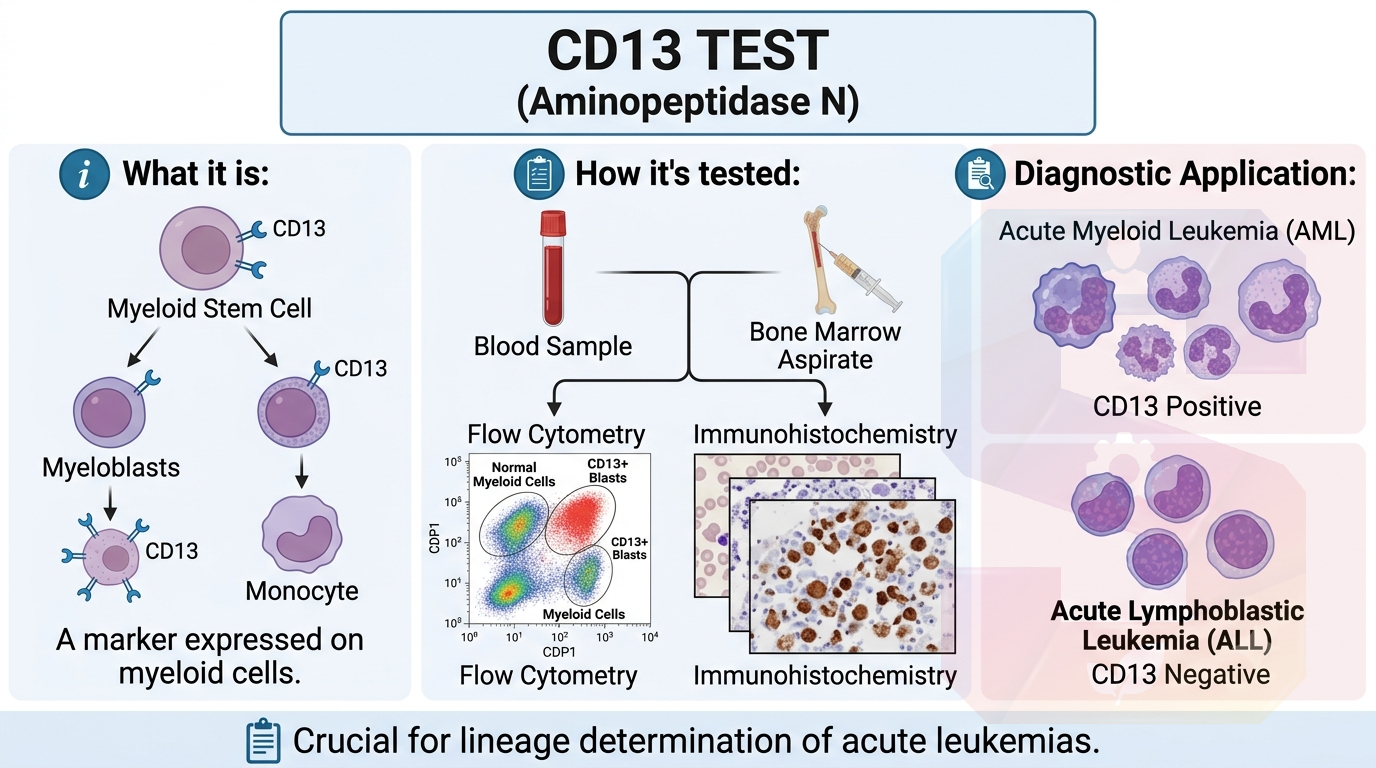
    The CD13 test is a diagnostic laboratory evaluation used in hematopathology to detect the expression of the CD100/CD13 surface protein, also known as Aminopeptidase N. Naturally expressed on mature and immature myeloid cells, CD13 serves as an essential marker for lineage identification.
    Conducted using flow cytometry or immunohistochemistry on blood or bone marrow samples, the test helps pathologists differentiate myeloid lineage leukemias from lymphoid malignancies. It is particularly vital for diagnosing Acute Myeloid Leukemia (AML) and identifying myeloid differentiation in acute leukemias. Ultimately, detecting CD13 assists clinicians in precise cancer subtyping, determining prognosis, and planning targeted therapeutic strategies.
    The CD13 test is a diagnostic laboratory evaluation used in hematopathology to detect the expression of the CD100/CD13 surface protein, also known as Aminopeptidase N. Naturally expressed on mature and immature myeloid cells, CD13 serves as an essential marker for lineage identification. Conducted using flow cytometry or immunohistochemistry on blood or bone marrow samples, the test helps pathologists differentiate myeloid lineage leukemias from lymphoid malignancies. It is particularly vital for diagnosing Acute Myeloid Leukemia (AML) and identifying myeloid differentiation in acute leukemias. Ultimately, detecting CD13 assists clinicians in precise cancer subtyping, determining prognosis, and planning targeted therapeutic strategies.
    0 Comments 0 Shares 991 Views 0 Reviews
  • CD 10 Test New
    2,600.00₹
    In stock
    All over India
    0 Reviews
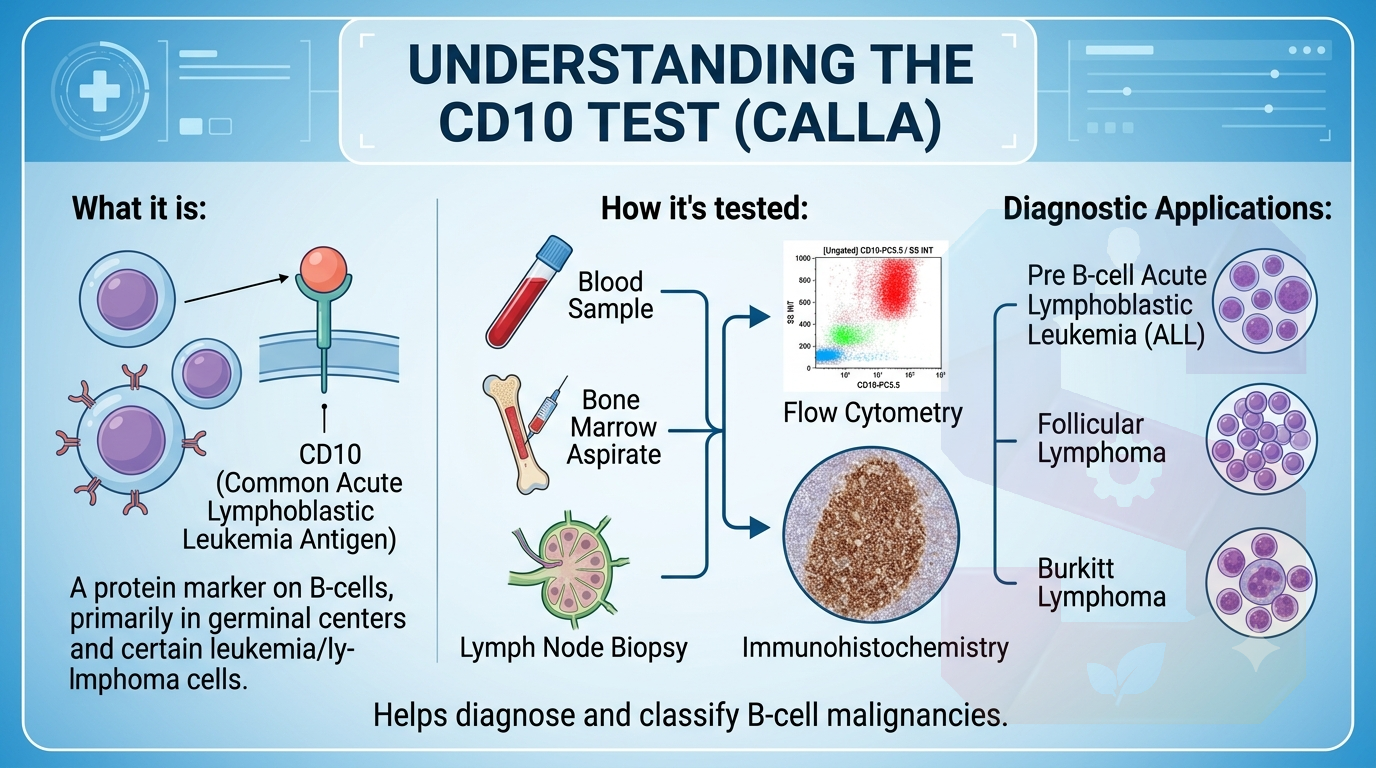
    The CD10 test is a diagnostic laboratory evaluation used in hematopathology to identify the CD10 protein, also known as Common Acute Lymphoblastic Leukemia Antigen (CALLA). Expressed on pre-B lymphocytes and germinal center B-cells, CD10 serves as a key cell-surface marker.
    Using flow cytometry or immunohistochemistry on blood, bone marrow, or lymph node samples, the test helps clinicians distinguish specific lymphomas and leukemias. It is particularly crucial for diagnosing Pre B-cell Acute Lymphoblastic Leukemia (ALL), Follicular Lymphoma, and Burkitt Lymphoma. Ultimately, detecting CD10 expression aids doctors in precise cancer subtyping, risk stratification, and selecting targeted treatment plans.
    The CD10 test is a diagnostic laboratory evaluation used in hematopathology to identify the CD10 protein, also known as Common Acute Lymphoblastic Leukemia Antigen (CALLA). Expressed on pre-B lymphocytes and germinal center B-cells, CD10 serves as a key cell-surface marker. Using flow cytometry or immunohistochemistry on blood, bone marrow, or lymph node samples, the test helps clinicians distinguish specific lymphomas and leukemias. It is particularly crucial for diagnosing Pre B-cell Acute Lymphoblastic Leukemia (ALL), Follicular Lymphoma, and Burkitt Lymphoma. Ultimately, detecting CD10 expression aids doctors in precise cancer subtyping, risk stratification, and selecting targeted treatment plans.
    0 Comments 0 Shares 994 Views 0 Reviews
  • CD 5 Test New
    2,390.00₹
    In stock
    All over India
    0 Reviews
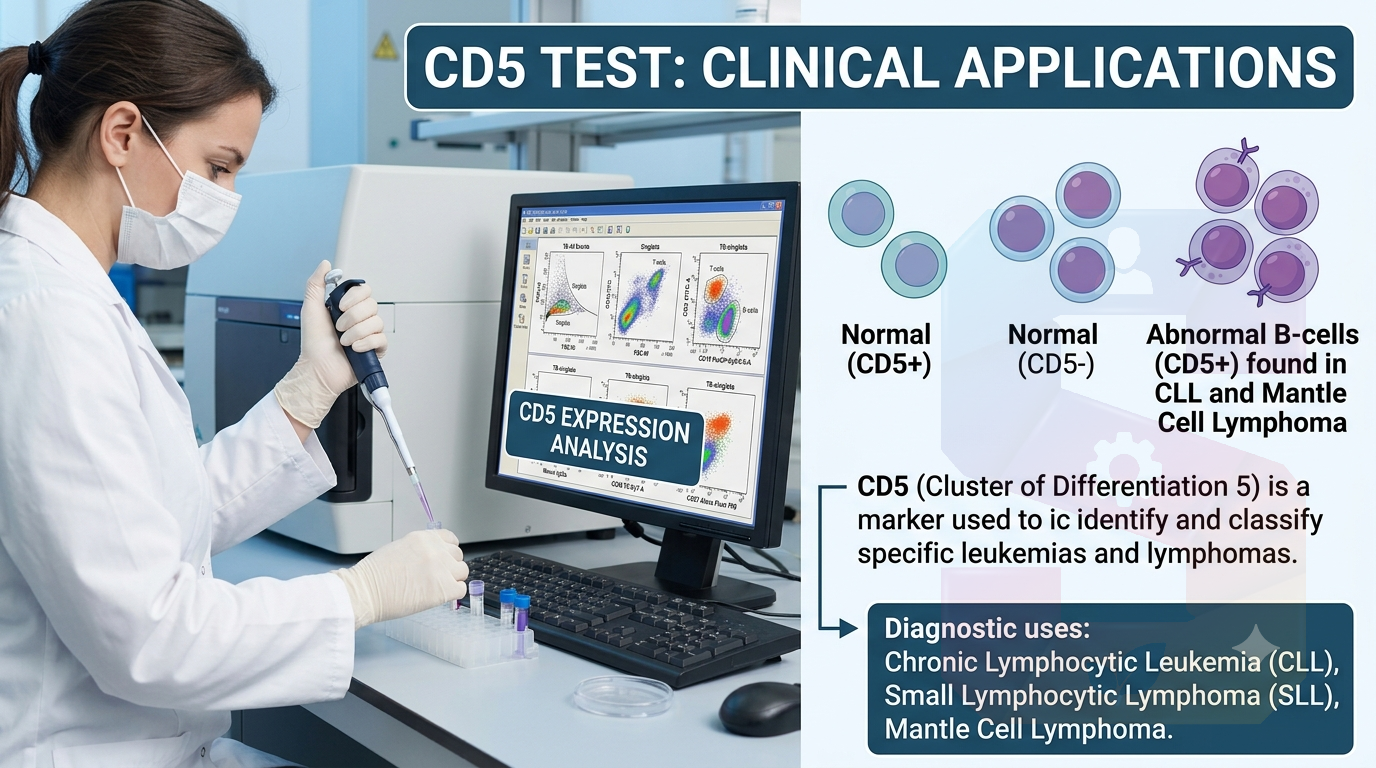
    The CD5 test is a diagnostic evaluation used in pathology and hematology to detect the expression of the CD5 protein on immune cells. CD5 is a cell-surface marker naturally present on mature T-lymphocytes and a small subset of B-lymphocytes.
    Performed via flow cytometry or immunohistochemistry on blood, bone marrow, or tissue biopsies, the test helps clinicians distinguish and classify specific blood cancers. Abnormal expression of CD5 on B-cells strongly points toward conditions like Chronic Lymphocytic Leukemia (CLL) and Mantle Cell Lymphoma. Ultimately, this test plays a vital role in accurate cancer staging, guiding targeted therapies, and monitoring treatment response.
    The CD5 test is a diagnostic evaluation used in pathology and hematology to detect the expression of the CD5 protein on immune cells. CD5 is a cell-surface marker naturally present on mature T-lymphocytes and a small subset of B-lymphocytes. Performed via flow cytometry or immunohistochemistry on blood, bone marrow, or tissue biopsies, the test helps clinicians distinguish and classify specific blood cancers. Abnormal expression of CD5 on B-cells strongly points toward conditions like Chronic Lymphocytic Leukemia (CLL) and Mantle Cell Lymphoma. Ultimately, this test plays a vital role in accurate cancer staging, guiding targeted therapies, and monitoring treatment response.
    0 Comments 0 Shares 992 Views 0 Reviews
  • CBC - Complete Hemogram Test New
    300.00₹
    In stock
    All over India
    0 Reviews
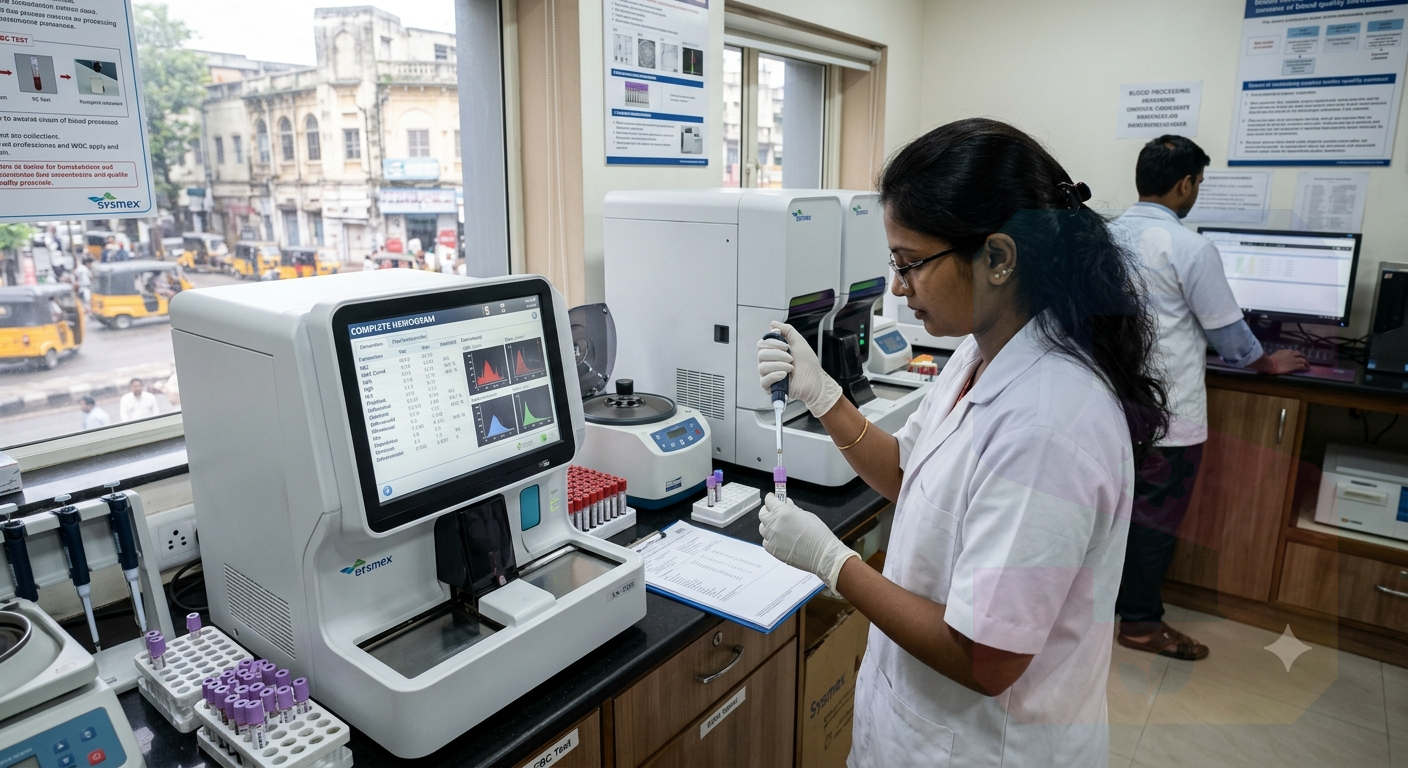
    A Complete Blood Count (CBC), often referred to as a Complete Hemogram Test, is a foundational diagnostic blood panel that evaluates overall health. It measures essential blood components, including red blood cells (RBCs), white blood cells (WBCs), hemoglobin, hematocrit, and platelets, alongside differential counts and cell indices. This comprehensive profile helps physicians detect a wide range of conditions, such as anemia, active infections, inflammation, clotting disorders, and nutritional deficiencies. By providing a detailed snapshot of cellular health, the CBC Complete Hemogram serves as a routine screening tool and a vital step in monitoring existing medical conditions.
    A Complete Blood Count (CBC), often referred to as a Complete Hemogram Test, is a foundational diagnostic blood panel that evaluates overall health. It measures essential blood components, including red blood cells (RBCs), white blood cells (WBCs), hemoglobin, hematocrit, and platelets, alongside differential counts and cell indices. This comprehensive profile helps physicians detect a wide range of conditions, such as anemia, active infections, inflammation, clotting disorders, and nutritional deficiencies. By providing a detailed snapshot of cellular health, the CBC Complete Hemogram serves as a routine screening tool and a vital step in monitoring existing medical conditions.
    0 Comments 0 Shares 2K Views 0 Reviews
  • Catecholamines (Adrenaline and Non Adrenaline) 24 hours Urine New
    6,200.00₹
    In stock
    All over India
    0 Reviews
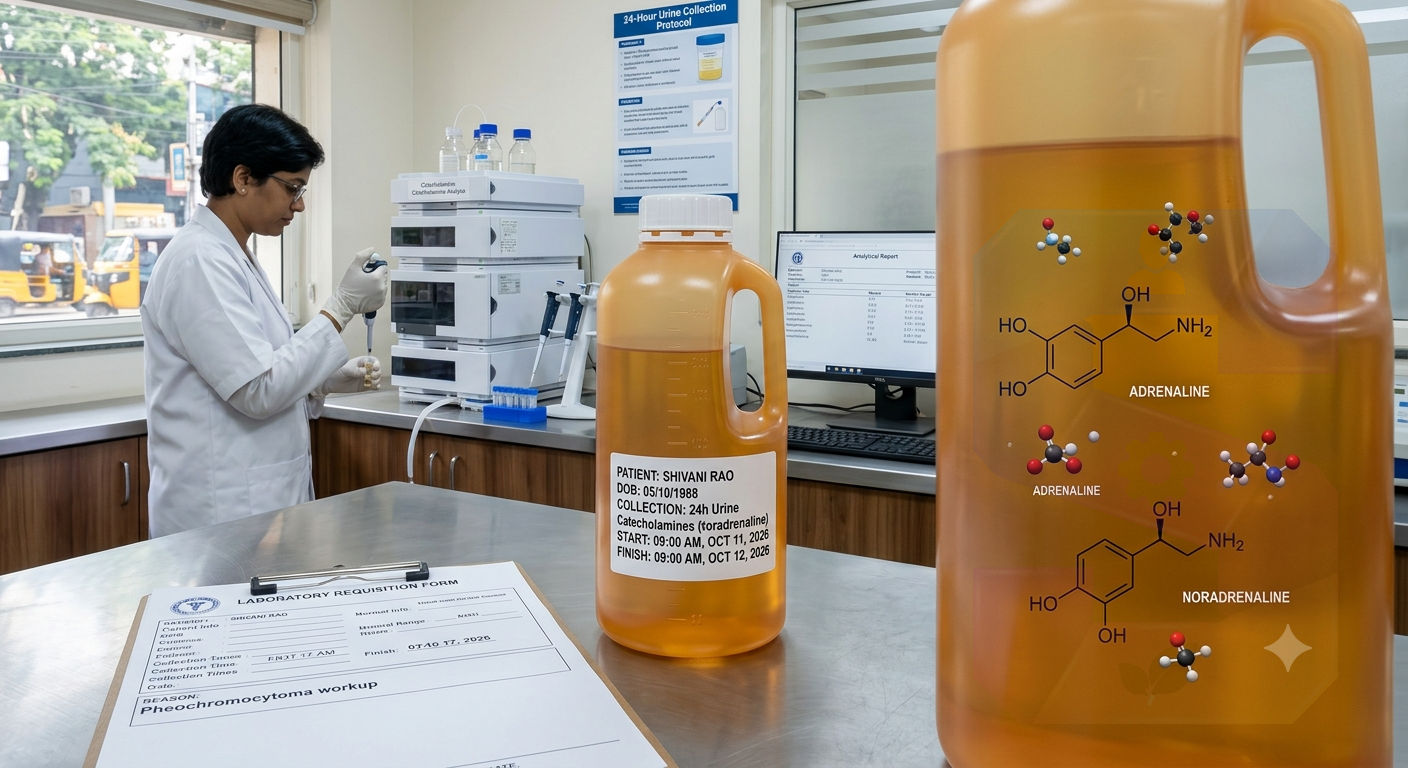
    A 24-hour urine catecholamines test measures the combined levels of adrenaline (epinephrine) and noradrenaline (norepinephrine) produced by the body over a full day. These hormones, released by the adrenal glands during stress or physical activity, regulate crucial functions like heart rate and blood pressure. The test primary screens for rare adrenal neuroendocrine tumors, such as pheochromocytomas or paragangliomas, which hypersecrete catecholamines and cause severe symptoms including persistent high blood pressure, rapid heart rate, sweating, and headaches. Collecting urine over 24 hours provides a reliable baseline, accounting for normal hourly fluctuations throughout the day.
    A 24-hour urine catecholamines test measures the combined levels of adrenaline (epinephrine) and noradrenaline (norepinephrine) produced by the body over a full day. These hormones, released by the adrenal glands during stress or physical activity, regulate crucial functions like heart rate and blood pressure. The test primary screens for rare adrenal neuroendocrine tumors, such as pheochromocytomas or paragangliomas, which hypersecrete catecholamines and cause severe symptoms including persistent high blood pressure, rapid heart rate, sweating, and headaches. Collecting urine over 24 hours provides a reliable baseline, accounting for normal hourly fluctuations throughout the day.
    0 Comments 0 Shares 2K Views 0 Reviews
  • Cardiac Risk Marker Test New
    1,210.00₹
    In stock
    All over India
    0 Reviews
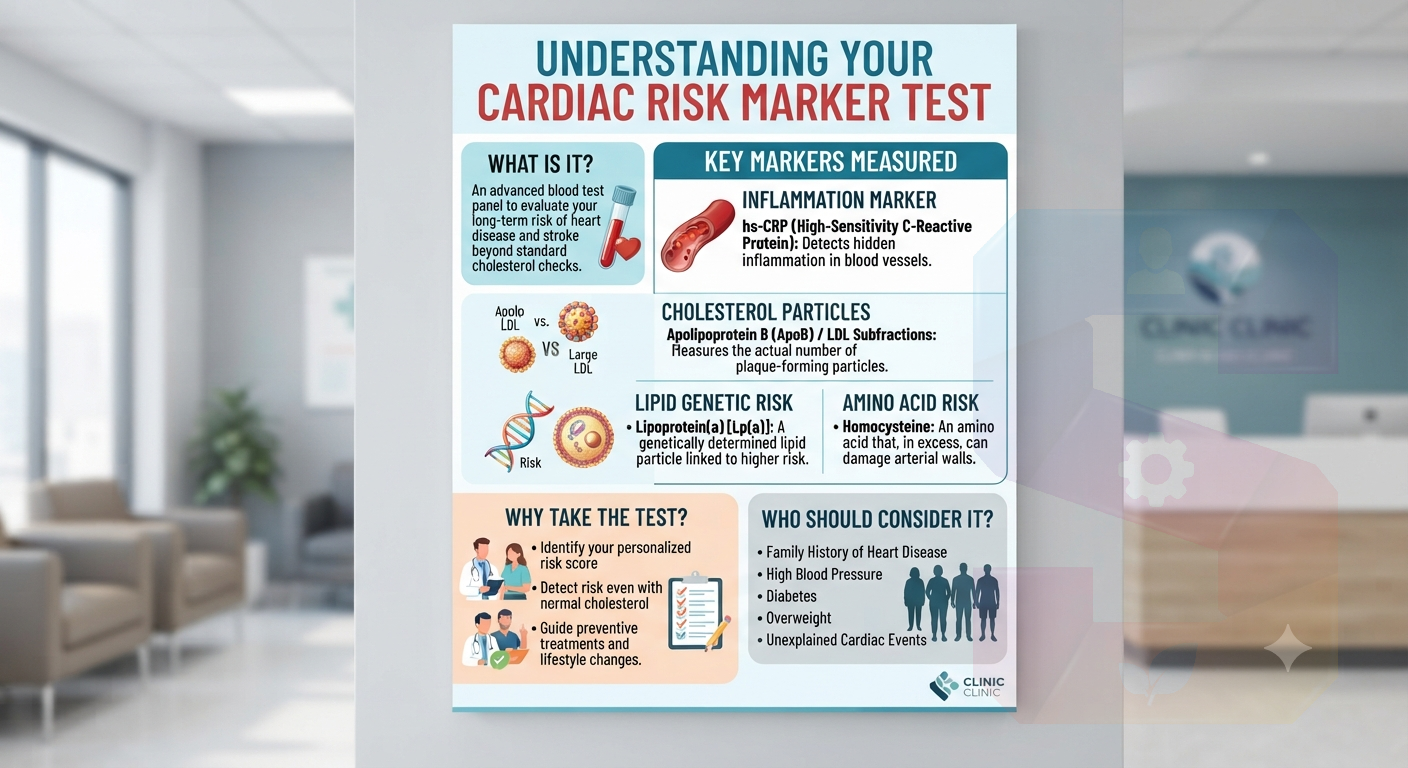
    The Cardiac Risk Marker Test is an advanced diagnostic panel designed to evaluate an individual's long-term likelihood of developing cardiovascular disease or experiencing a heart attack.
    Unlike standard lipid profiles, this specialized test measures specific blood biomarkers—such as High-Sensitivity C-Reactive Protein (hs-CRP), Lipoprotein(a), Homocysteine, and Apolipoproteins—which detect hidden inflammation, plaque instability, and genetic predispositions to arterial blockage.
    It is especially valuable for individuals with a family history of heart disease, normal cholesterol levels but unexplained cardiac events, or chronic conditions like diabetes. This crucial test enables early, targeted preventive interventions.
    The Cardiac Risk Marker Test is an advanced diagnostic panel designed to evaluate an individual's long-term likelihood of developing cardiovascular disease or experiencing a heart attack. Unlike standard lipid profiles, this specialized test measures specific blood biomarkers—such as High-Sensitivity C-Reactive Protein (hs-CRP), Lipoprotein(a), Homocysteine, and Apolipoproteins—which detect hidden inflammation, plaque instability, and genetic predispositions to arterial blockage. It is especially valuable for individuals with a family history of heart disease, normal cholesterol levels but unexplained cardiac events, or chronic conditions like diabetes. This crucial test enables early, targeted preventive interventions.
    0 Comments 0 Shares 2K Views 0 Reviews
  • Cardiac Profile C Test New
    3,850.00₹
    In stock
    All over India
    0 Reviews
    The Cardiac Profile C test is an advanced, comprehensive diagnostic evaluation designed to provide an in-depth analysis of cardiovascular health and intricate heart disease risks. Building upon standard and intermediate screenings, this specialized panel frequently includes high-sensitivity cardiac markers, advanced lipid fractionations, genetic or inflammatory indicators, and specialized coagulation factors. By detecting subtle vascular inflammation, micro-vascular stress, and precise lipoprotein particle sizes, the Cardiac Profile C test offers clinicians granular insight into a patient's long-term wellness. This high-resolution diagnostic tool enables fully personalized preventive strategies, early intervention, and optimized therapeutic management for long-term cardiac protection.
    The Cardiac Profile C test is an advanced, comprehensive diagnostic evaluation designed to provide an in-depth analysis of cardiovascular health and intricate heart disease risks. Building upon standard and intermediate screenings, this specialized panel frequently includes high-sensitivity cardiac markers, advanced lipid fractionations, genetic or inflammatory indicators, and specialized coagulation factors. By detecting subtle vascular inflammation, micro-vascular stress, and precise lipoprotein particle sizes, the Cardiac Profile C test offers clinicians granular insight into a patient's long-term wellness. This high-resolution diagnostic tool enables fully personalized preventive strategies, early intervention, and optimized therapeutic management for long-term cardiac protection.
    0 Comments 0 Shares 2K Views 0 Reviews
  • Cardiac Profile B Test New
    2,750.00₹
    In stock
    All over India
    0 Reviews
    The Cardiac Profile B test is an advanced diagnostic blood panel utilized to comprehensively assess cardiovascular disease risk and evaluate overall heart health. Beyond standard cholesterol measurements, this extensive panel often evaluates specialized biomarkers such as high-sensitivity C-reactive protein (hs-CRP) for inflammation, homocysteine levels, and specific cardiac risk indicators. By identifying hidden arterial inflammation, metabolic imbalances, and early signs of plaque buildup, the Cardiac Profile B test provides physicians with critical data. This empowers patients and healthcare providers to implement targeted preventative interventions, personalize treatment strategies, and effectively lower the long-term risk of heart attacks and strokes.
    The Cardiac Profile B test is an advanced diagnostic blood panel utilized to comprehensively assess cardiovascular disease risk and evaluate overall heart health. Beyond standard cholesterol measurements, this extensive panel often evaluates specialized biomarkers such as high-sensitivity C-reactive protein (hs-CRP) for inflammation, homocysteine levels, and specific cardiac risk indicators. By identifying hidden arterial inflammation, metabolic imbalances, and early signs of plaque buildup, the Cardiac Profile B test provides physicians with critical data. This empowers patients and healthcare providers to implement targeted preventative interventions, personalize treatment strategies, and effectively lower the long-term risk of heart attacks and strokes.
    0 Comments 0 Shares 2K Views 0 Reviews
More Results