

• Brucella IgM Test New
    1,650.00₹
    In stock
    All over India
    0 Reviews
    The Brucella IgM test is a crucial serological assay used to detect the presence of immunoglobulin M antibodies in the bloodstream, which are the body's initial immune response to a recent infection by Brucella bacteria. This pathogen causes brucellosis, a zoonotic disease transmitted through contaminated animal products or direct contact with infected livestock. Elevated levels of IgM typically become detectable one to three weeks after symptom onset, making this test vital for the timely diagnosis of acute brucellosis. Identifying IgM is essential for clinicians to differentiate between a current or recent infection and a past exposure, ensuring appropriate and immediate antibiotic treatment can be initiated.
    The Brucella IgM test is a crucial serological assay used to detect the presence of immunoglobulin M antibodies in the bloodstream, which are the body's initial immune response to a recent infection by Brucella bacteria. This pathogen causes brucellosis, a zoonotic disease transmitted through contaminated animal products or direct contact with infected livestock. Elevated levels of IgM typically become detectable one to three weeks after symptom onset, making this test vital for the timely diagnosis of acute brucellosis. Identifying IgM is essential for clinicians to differentiate between a current or recent infection and a past exposure, ensuring appropriate and immediate antibiotic treatment can be initiated.
    0 Comments 0 Shares 804 Views 0 Reviews
  • Bronchoalveolar lavage (BAL) by LBC New
    1,315.00₹
    In stock
    All over India
    0 Reviews
    Bronchoalveolar lavage (BAL) processed by liquid-based cytology (LBC) is an advanced diagnostic technique used to evaluate inflammatory, infectious, and malignant pulmonary disorders. During a standard bronchoscopy, sterile saline is instilled into a subsegment of the lung and gently suctioned back, capturing cellular material from the alveolar spaces.
    Utilizing LBC to process this fluid offers significant clinical advantages over traditional smear preparations. The method effectively reduces obscuring elements like blood, mucus, and inflammatory debris, resulting in a cleaner, thin-layer slide. This enhances cellular preservation, improves diagnostic yield, and allows clinicians to perform concurrent ancillary molecular testing with greater accuracy.
    Bronchoalveolar lavage (BAL) processed by liquid-based cytology (LBC) is an advanced diagnostic technique used to evaluate inflammatory, infectious, and malignant pulmonary disorders. During a standard bronchoscopy, sterile saline is instilled into a subsegment of the lung and gently suctioned back, capturing cellular material from the alveolar spaces. Utilizing LBC to process this fluid offers significant clinical advantages over traditional smear preparations. The method effectively reduces obscuring elements like blood, mucus, and inflammatory debris, resulting in a cleaner, thin-layer slide. This enhances cellular preservation, improves diagnostic yield, and allows clinicians to perform concurrent ancillary molecular testing with greater accuracy.
    0 Comments 0 Shares 813 Views 0 Reviews
  • Breast Lump Test New
    1,000.00₹
    In stock
    All over India
    0 Reviews
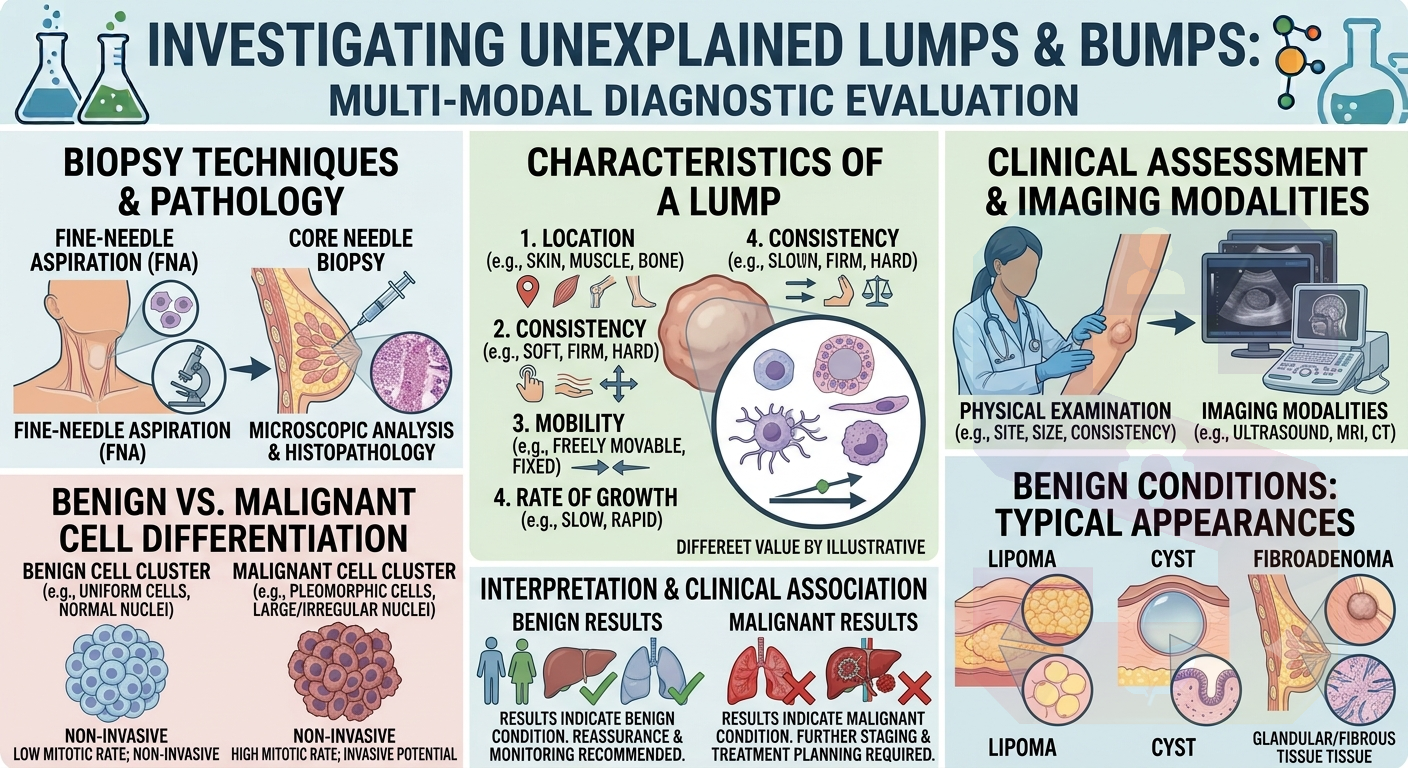
    A breast lump test encompasses the diagnostic evaluations used to investigate abnormal masses, thickenings, or tissue changes discovered during a clinical or self-examination. Because most lumps are benign—often stemming from fibrous tissue, fluid-filled cysts, or hormonal fluctuations—doctors utilize a multi-step approach to confirm the underlying cause.
    Depending on your age, symptoms, and initial physical findings, the evaluation typically begins with imaging studies such as a diagnostic mammogram or targeted ultrasound. If imaging reveals suspicious characteristics, a physician may recommend a core needle biopsy to collect tissue samples for laboratory analysis and a definitive diagnosis.
    A breast lump test encompasses the diagnostic evaluations used to investigate abnormal masses, thickenings, or tissue changes discovered during a clinical or self-examination. Because most lumps are benign—often stemming from fibrous tissue, fluid-filled cysts, or hormonal fluctuations—doctors utilize a multi-step approach to confirm the underlying cause. Depending on your age, symptoms, and initial physical findings, the evaluation typically begins with imaging studies such as a diagnostic mammogram or targeted ultrasound. If imaging reveals suspicious characteristics, a physician may recommend a core needle biopsy to collect tissue samples for laboratory analysis and a definitive diagnosis.
    0 Comments 0 Shares 793 Views 0 Reviews
  • Breast Cyst Biopsy XL test New
    1,700.00₹
    In stock
    All over India
    0 Reviews
    A Breast Cyst Biopsy XL is a specialized diagnostic medical procedure designed to evaluate extra-large, complex, or atypical fluid-filled breast lesions. While standard benign breast cysts are common and easily managed, an "XL" designation typically indicates a larger lesion (often exceeding three centimeters) or one presenting with irregular borders, internal debris, or solid components on imaging.
    This procedure serves a dual purpose: it relieves physical discomfort, pressure, and localized pain by decompressing the mass, while simultaneously securing precise tissue or fluid samples. These samples are sent to a laboratory for pathological analysis to definitively differentiate harmless benign conditions from malignant pathology.
    A Breast Cyst Biopsy XL is a specialized diagnostic medical procedure designed to evaluate extra-large, complex, or atypical fluid-filled breast lesions. While standard benign breast cysts are common and easily managed, an "XL" designation typically indicates a larger lesion (often exceeding three centimeters) or one presenting with irregular borders, internal debris, or solid components on imaging. This procedure serves a dual purpose: it relieves physical discomfort, pressure, and localized pain by decompressing the mass, while simultaneously securing precise tissue or fluid samples. These samples are sent to a laboratory for pathological analysis to definitively differentiate harmless benign conditions from malignant pathology.
    0 Comments 0 Shares 802 Views 0 Reviews
  • Breast Biopsy - small biopsy < 1 cm New
    800.00₹
    In stock
    All over India
    0 Reviews
    A breast biopsy for small lesions measuring less than 1 centimeter is a minimally invasive diagnostic procedure used to evaluate suspicious abnormalities detected via screening mammography or ultrasound. Due to the small size of the target, this procedure is typically performed using precise image guidance—such as stereotactic or ultrasound—to ensure the accurate placement of a core needle or vacuum-assisted device. The radiologist extracts multiple tiny tissue samples from the lesion. These samples are then sent to a pathology laboratory for microscopic analysis to determine if the growth is benign, pre-cancerous, or malignant, enabling early detection and appropriate treatment planning.
    A breast biopsy for small lesions measuring less than 1 centimeter is a minimally invasive diagnostic procedure used to evaluate suspicious abnormalities detected via screening mammography or ultrasound. Due to the small size of the target, this procedure is typically performed using precise image guidance—such as stereotactic or ultrasound—to ensure the accurate placement of a core needle or vacuum-assisted device. The radiologist extracts multiple tiny tissue samples from the lesion. These samples are then sent to a pathology laboratory for microscopic analysis to determine if the growth is benign, pre-cancerous, or malignant, enabling early detection and appropriate treatment planning.
    0 Comments 0 Shares 938 Views 0 Reviews
  • Breast Biopsy - Medium biopsy 1-3 cm New
    1,000.00₹
    In stock
    All over India
    0 Reviews
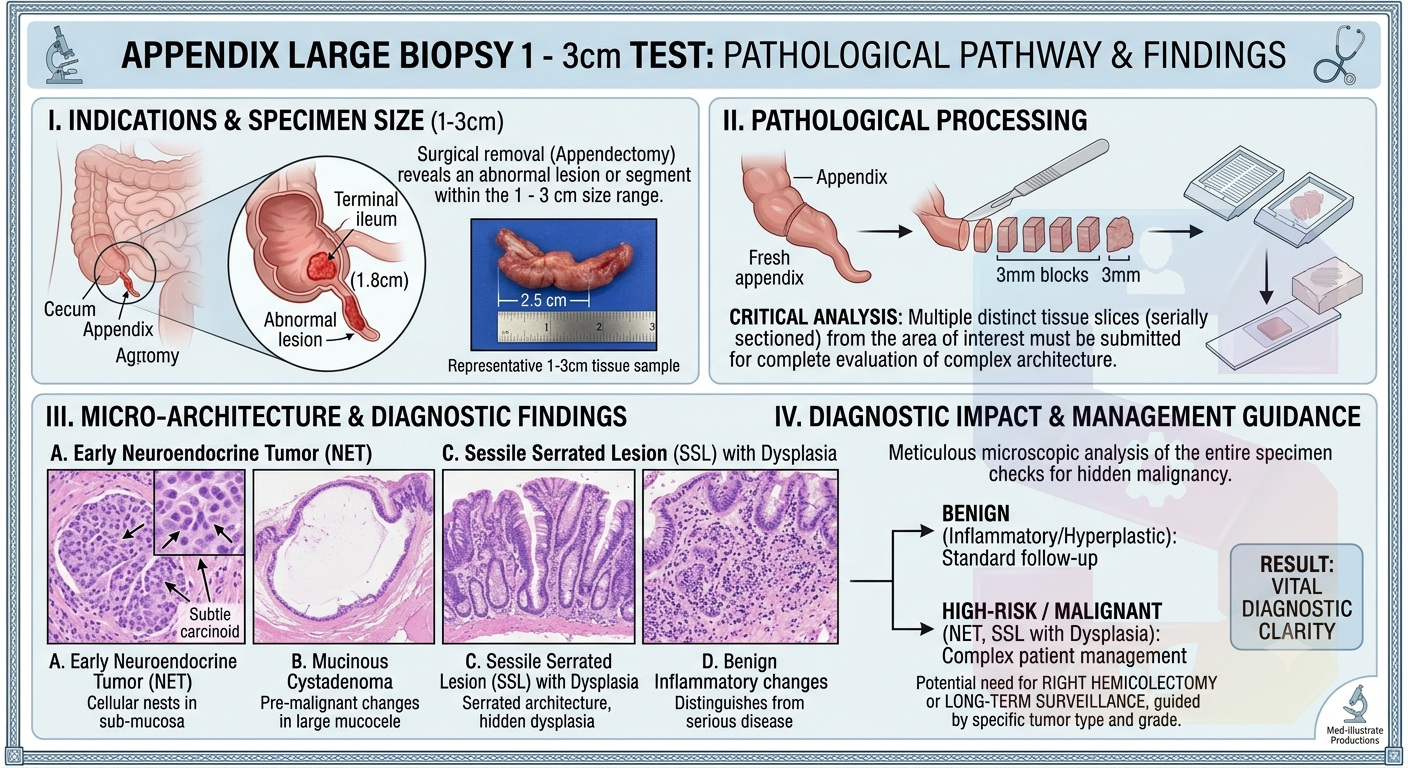
    A breast biopsy for medium-sized lesions measuring between 1 and 3 centimeters is a vital diagnostic procedure used to evaluate suspicious abnormalities detected via mammography, ultrasound, or MRI.
    During the procedure, a radiologist or surgeon uses a hollow core needle, often guided by imaging, to extract multiple cylindrical samples of tissue from the specific mass.
    This tissue is then sent to a pathology laboratory for detailed microscopic analysis. The pathologist determines if the lesion is benign, pre-cancerous (such as atypical hyperplasia), or malignant (cancerous), providing a definitive diagnosis essential for formulating an appropriate treatment plan.
    A breast biopsy for medium-sized lesions measuring between 1 and 3 centimeters is a vital diagnostic procedure used to evaluate suspicious abnormalities detected via mammography, ultrasound, or MRI. During the procedure, a radiologist or surgeon uses a hollow core needle, often guided by imaging, to extract multiple cylindrical samples of tissue from the specific mass. This tissue is then sent to a pathology laboratory for detailed microscopic analysis. The pathologist determines if the lesion is benign, pre-cancerous (such as atypical hyperplasia), or malignant (cancerous), providing a definitive diagnosis essential for formulating an appropriate treatment plan.
    0 Comments 0 Shares 930 Views 0 Reviews
  • Breast Biopsy - Large biopsy 3-6cm New
    1,500.00₹
    In stock
    All over India
    0 Reviews
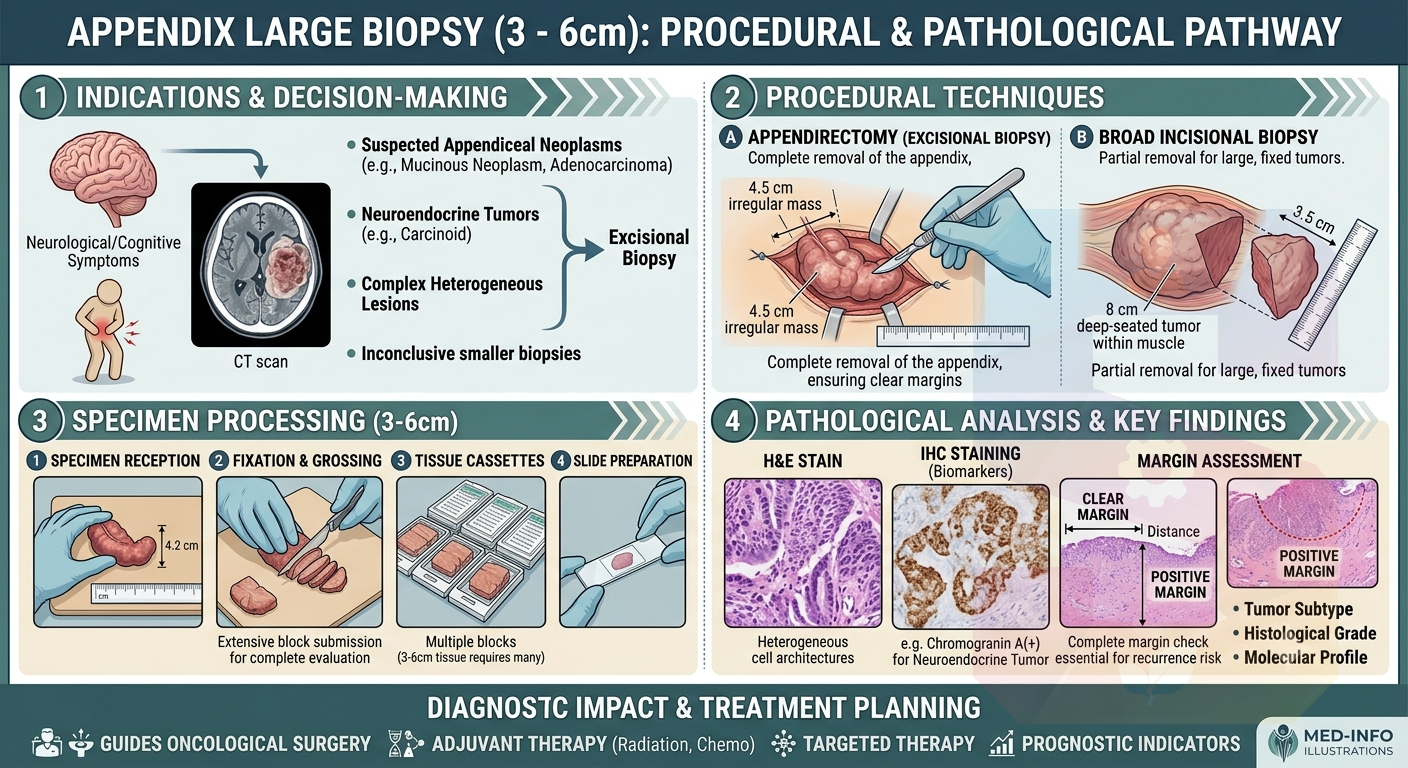
    A breast biopsy for large lesions measuring between 3 and 6 centimeters is a specialized diagnostic procedure designed to extract significant tissue samples from extensive abnormalities identified during imaging.
    Key aspects of this medical procedure include:
    * Target Size: Focuses on sizeable lesions ranging from 3 to 6 centimeters in maximum dimension.
    * Tissue Acquisition: Utilizes core needle or surgical techniques to obtain representative cellular specimens across the broader mass.
    * Pathological Analysis: Evaluates the architecture and cellular makeup to determine malignancy, tumor grading, and hormone receptor status.
    Clinicians rely on this comprehensive test to establish an accurate diagnosis and guide personalized oncology treatment plans.
    A breast biopsy for large lesions measuring between 3 and 6 centimeters is a specialized diagnostic procedure designed to extract significant tissue samples from extensive abnormalities identified during imaging. Key aspects of this medical procedure include: * Target Size: Focuses on sizeable lesions ranging from 3 to 6 centimeters in maximum dimension. * Tissue Acquisition: Utilizes core needle or surgical techniques to obtain representative cellular specimens across the broader mass. * Pathological Analysis: Evaluates the architecture and cellular makeup to determine malignancy, tumor grading, and hormone receptor status. Clinicians rely on this comprehensive test to establish an accurate diagnosis and guide personalized oncology treatment plans.
    0 Comments 0 Shares 930 Views 0 Reviews
  • 🇷🇺🇮🇳 On September 5, the spouse of the Russian Ambassador to India, Diana Alipova, at the invitation of the External Affairs Spouses Association, headed by the spouse of India’s Foreign Secretary, Dolly Misri, together with the Association of Spouses of Heads of Missions, visited the Partition Museum in New Delhi, located in the historic Dara Shikoh Library.


    During the tour the guests explored the museum’s collection dedicated to the 1947 Partition of India, the fate of millions of people who were forced to leave their homes, as well as the stories and memories of those who experienced these events.


    #RussiaIndia
    #History
    🇷🇺🇮🇳 On September 5, the spouse of the Russian Ambassador to India, Diana Alipova, at the invitation of the External Affairs Spouses Association, headed by the spouse of India’s Foreign Secretary, Dolly Misri, together with the Association of Spouses of Heads of Missions, visited the Partition Museum in New Delhi, located in the historic Dara Shikoh Library. During the tour the guests explored the museum’s collection dedicated to the 1947 Partition of India, the fate of millions of people who were forced to leave their homes, as well as the stories and memories of those who experienced these events. #RussiaIndia #History
    0 Comments 0 Shares 932 Views 0 Reviews
  • 💬 Vladimir Medinsky, Aide to the President of Russia and Chairman of the Russian Military Historical Society:


    🌟 On September 4 in Khabarovsk, on the high bank of the Amur River, the Russian Military Historical Society and Khabarovsk Region Governor Dmitry Demeshin unveiled Russia’s largest memorial dedicated to the Victory over militarist Japan and the end of World War II.


    A 15-meter high bronze Soviet soldier is the centrepiece of the composition. With the stock of his rifle, he smashes a border post bearing a chrysanthemum – not only the emblem of Japan’s Imperial House, but also a symbol of the militarism responsible for monstrous crimes.


    In August-September 1945, Marshal Alexander Vassilevsky commanded Soviet forces from Khabarovsk. In just three weeks, they defeated Japan’s million-strong Kwantung Army and brought World War II to an end.


    PS. In terms of the ratio between duration, losses and results, the operation to defeat the Japanese army in the Far East was the most effective military operation in history.


    #Victory81
    💬 Vladimir Medinsky, Aide to the President of Russia and Chairman of the Russian Military Historical Society: 🌟 On September 4 in Khabarovsk, on the high bank of the Amur River, the Russian Military Historical Society and Khabarovsk Region Governor Dmitry Demeshin unveiled Russia’s largest memorial dedicated to the Victory over militarist Japan and the end of World War II. A 15-meter high bronze Soviet soldier is the centrepiece of the composition. With the stock of his rifle, he smashes a border post bearing a chrysanthemum – not only the emblem of Japan’s Imperial House, but also a symbol of the militarism responsible for monstrous crimes. In August-September 1945, Marshal Alexander Vassilevsky commanded Soviet forces from Khabarovsk. In just three weeks, they defeated Japan’s million-strong Kwantung Army and brought World War II to an end. PS. In terms of the ratio between duration, losses and results, the operation to defeat the Japanese army in the Far East was the most effective military operation in history. #Victory81
    0 Comments 0 Shares 920 Views 0 Reviews
  • BRCA 1/2 Germline Test New
    15,000.00₹
    In stock
    All over India
    0 Reviews
    The BRCA 1/2 Germline Test is a specialized hereditary genetic assay designed to detect inherited mutations within the BRCA1 and BRCA2 genes.
    Key aspects of this molecular test include:
    * Sample Collection: Typically performed using a simple blood or saliva sample to extract constitutional DNA.
    * Inherited Mutations: Identifies germline variants passed down from parents that significantly elevate lifetime risks for developing hereditary breast, ovarian, and related cancers.
    * Clinical Utility: Empowers individuals and healthcare providers to implement proactive surveillance, preventive risk-reducing strategies, and targeted therapeutic options such as PARP inhibitors.
    The BRCA 1/2 Germline Test is a specialized hereditary genetic assay designed to detect inherited mutations within the BRCA1 and BRCA2 genes. Key aspects of this molecular test include: * Sample Collection: Typically performed using a simple blood or saliva sample to extract constitutional DNA. * Inherited Mutations: Identifies germline variants passed down from parents that significantly elevate lifetime risks for developing hereditary breast, ovarian, and related cancers. * Clinical Utility: Empowers individuals and healthcare providers to implement proactive surveillance, preventive risk-reducing strategies, and targeted therapeutic options such as PARP inhibitors.
    0 Comments 0 Shares 244 Views 0 Reviews
  • BRCA deletion/duplication Analysis Test New
    26,000.00₹
    In stock
    All over India
    0 Reviews
    The BRCA deletion/duplication analysis test is a comprehensive molecular assay used to identify large genomic rearrangements—such as deletions or duplications of one or more exons—within the BRCA1 and BRCA2 genes.
    Standard sequencing panels primarily detect point mutations and small insertions or deletions, which can miss larger structural alterations. This specialized test detects these missing segments using advanced methodologies like multiplex ligation-dependent probe amplification (MLPA).
    Clinicians utilize this diagnostic tool alongside standard mutation screening for patients with a strong personal or family history of breast and ovarian cancer, ensuring a complete genetic evaluation for risk assessment.
    The BRCA deletion/duplication analysis test is a comprehensive molecular assay used to identify large genomic rearrangements—such as deletions or duplications of one or more exons—within the BRCA1 and BRCA2 genes. Standard sequencing panels primarily detect point mutations and small insertions or deletions, which can miss larger structural alterations. This specialized test detects these missing segments using advanced methodologies like multiplex ligation-dependent probe amplification (MLPA). Clinicians utilize this diagnostic tool alongside standard mutation screening for patients with a strong personal or family history of breast and ovarian cancer, ensuring a complete genetic evaluation for risk assessment.
    0 Comments 0 Shares 256 Views 0 Reviews
  • Brain Tumor Test New
    1,000.00₹
    In stock
    All over India
    0 Reviews
    A brain tumor test encompasses diagnostic evaluations used to detect, locate, and characterize abnormal growths within the central nervous system.
    Key diagnostic modalities typically involve:
    * Magnetic Resonance Imaging (MRI): The gold-standard imaging technique providing high-resolution anatomical views of brain tissue.
    * CT Scans: Utilized for rapid initial imaging to identify structural changes, bleeding, or calcifications.
    * Biopsy: The definitive surgical or stereotactic extraction of tissue samples for microscopic and molecular pathology.
    Clinicians rely on these procedures to determine tumor grading, differentiate between benign and malignant lesions, and formulate individualized neuro-oncology treatment plans.
    A brain tumor test encompasses diagnostic evaluations used to detect, locate, and characterize abnormal growths within the central nervous system. Key diagnostic modalities typically involve: * Magnetic Resonance Imaging (MRI): The gold-standard imaging technique providing high-resolution anatomical views of brain tissue. * CT Scans: Utilized for rapid initial imaging to identify structural changes, bleeding, or calcifications. * Biopsy: The definitive surgical or stereotactic extraction of tissue samples for microscopic and molecular pathology. Clinicians rely on these procedures to determine tumor grading, differentiate between benign and malignant lesions, and formulate individualized neuro-oncology treatment plans.
    0 Comments 0 Shares 225 Views 0 Reviews
More Results
Sponsored